A Municipal Utility, Stated Plainly
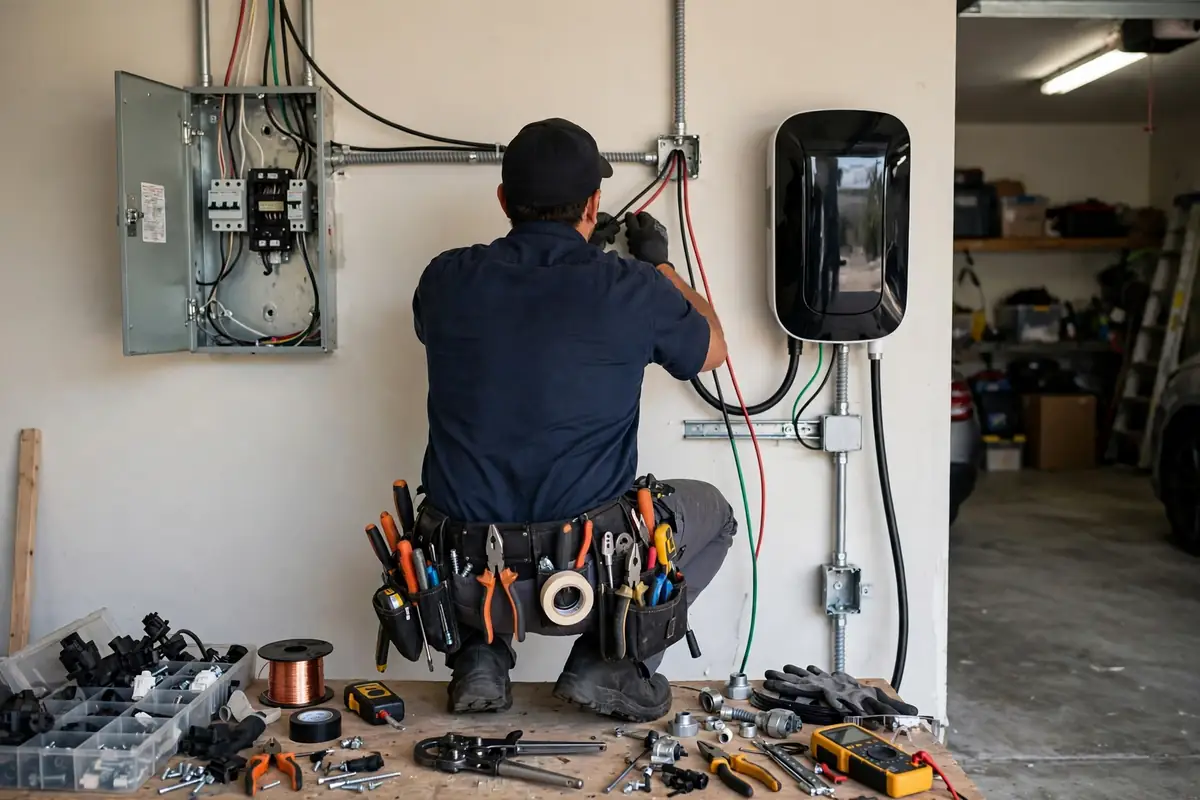
Tallahassee's electricity comes from City of Tallahassee Utilities, the municipal utility. In much of Florida, homeowners weighing a charger ask about the utility's subscription program first — FPL's EVolution gets that question in FPL territory. Here, that column of the comparison table is simply empty. The city utility has no flagship EV charger subscription to weigh against owning your equipment, and any installer who describes one for Tallahassee is describing a program that does not exist.
So the Tallahassee decision is direct: a privately owned charger, installed on your own panel by a qualified electrician, permitted through the city, and yours outright. You choose the model and the amperage, you own it when you sell the house, and nothing about it renews or expires. The locations overview shows how Tallahassee fits the wider Florida picture, where other cities do have a subscription column to fill in. With no program alternative, the quality of the private install carries the whole outcome here — which is why this page spends its time on panels, permits, and placement.
Canopy Roads and Historic Panels
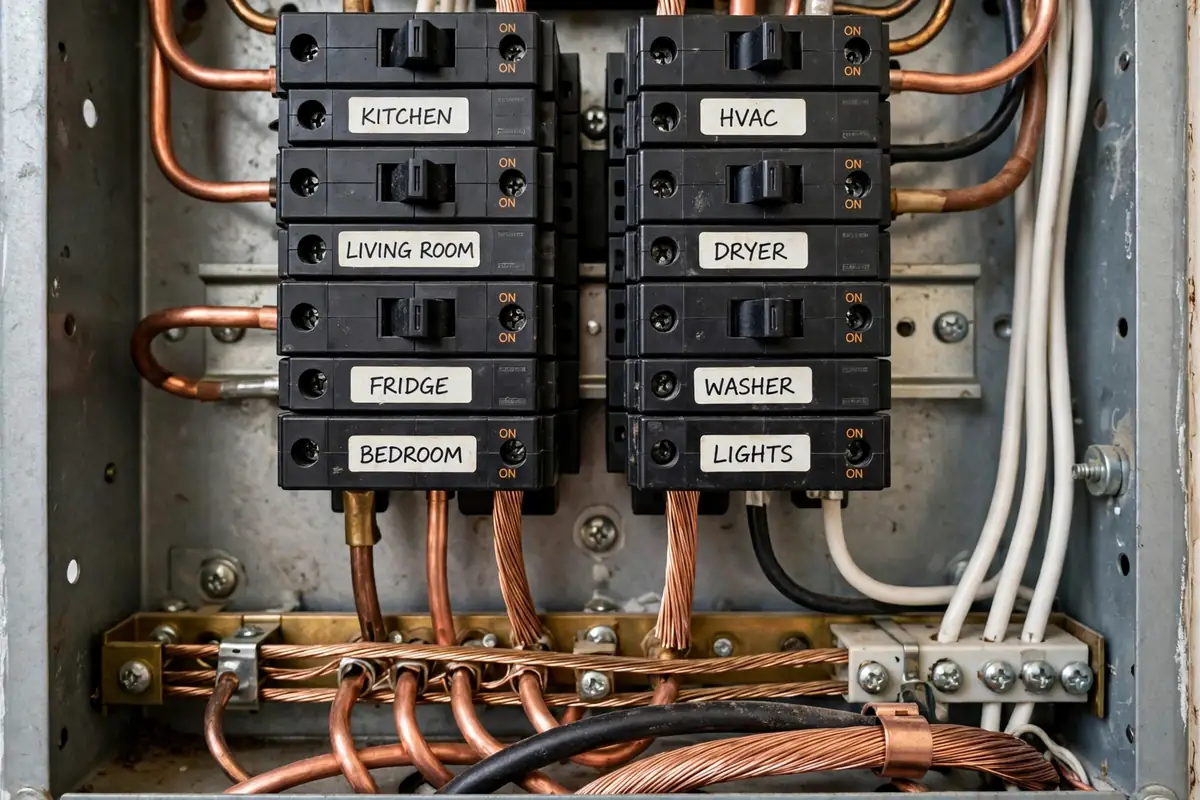
Tallahassee's signature streets run under live oak canopies, and the neighborhoods along them — the historic districts around the canopy roads, Los Robles, and the older streets near downtown — hold homes built across the early and middle of the last century. Their charm is real, and so is their electrical vintage. Panels sized for a smaller era now carry central air, modern kitchens, and home offices, and a charger circuit arrives as one more serious load asking for room.
The working method is arithmetic. A load calculation under NEC Article 220 totals the home's existing demand and compares it against service size, and it answers the question in numbers a homeowner can inspect. Historic Tallahassee homes resolve this question in more ways than owners fear: some have been service-upgraded during past renovations and hold real headroom; others are tight, and then the ladder applies — charger configured to a moderate amperage that still completes overnight charging, then an energy management system that throttles charging while the household's big loads peak together, then panel or service work only where the math leaves no alternative. Exterior work on historic homes also deserves a placement conversation early, since garages and carriage-house arrangements vary and cable routes should respect the house rather than scar it. Our panel upgrade page walks the same ladder statewide.
What historic ownership should never accept is a panel replacement quoted on sight, before a calculation exists. In a city full of old houses, that pattern is worth naming plainly.
EV Charging Services in Tallahassee, FL
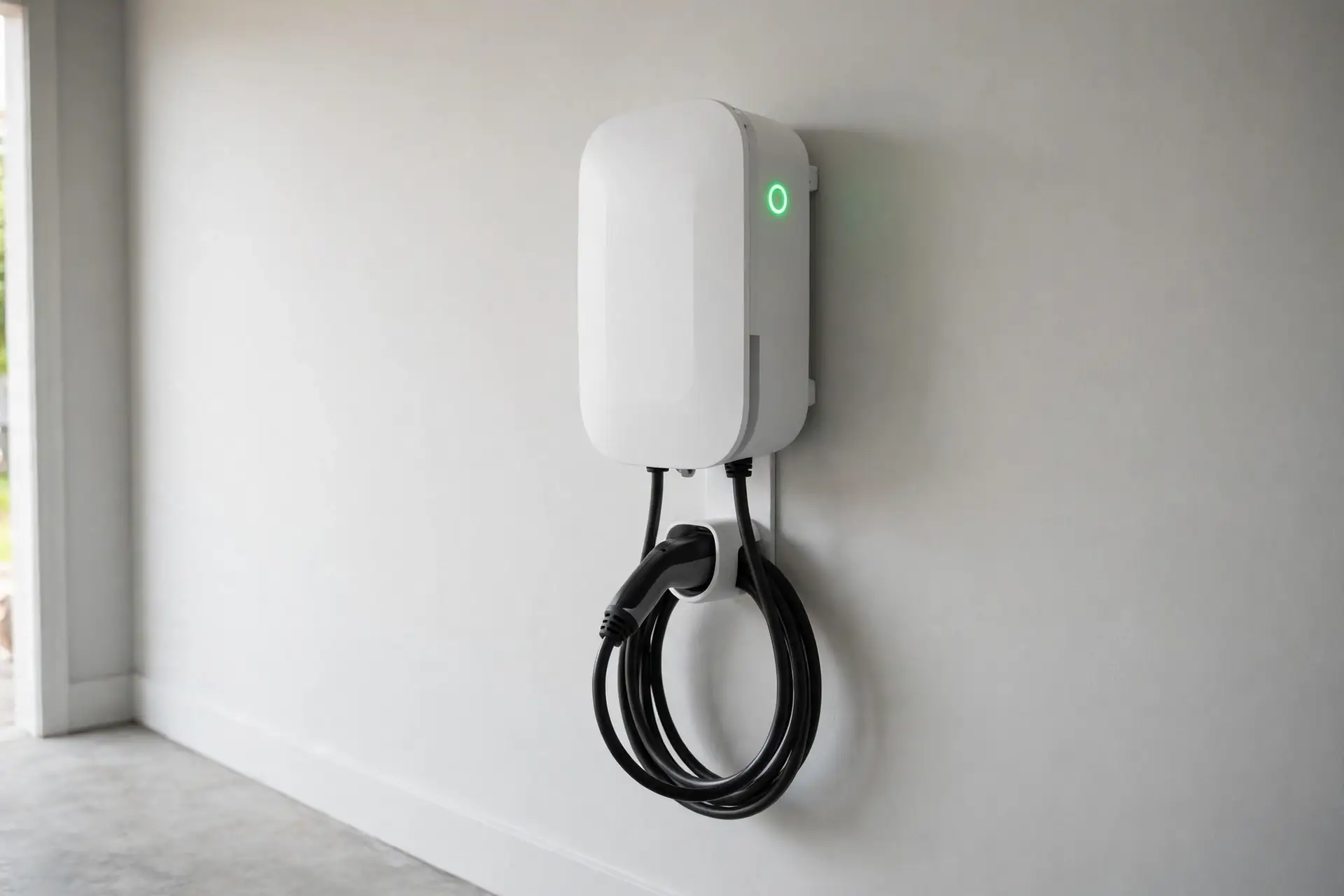
- Residential EV Charger Installation — Home Level 2 installs for historic homes, Midtown cottages, and northeast suburbs.
- Tesla Wall Connector Installation — Wall Connector installs for Tesla households and homes with visiting family EVs.
- Level 2 EV Charger Installation — 240-volt charging for every EV make, hardwired or plug-in, configured to your circuit.
- Electrical Panel Upgrade for EV Chargers — Capacity answers for older panels, load management before replacement.
- Commercial EV Charging Station Installation — Charging for offices, agencies, multifamily properties, and university-area landlords.
- EV Charger Repair and Maintenance — Diagnostics and repair for chargers that trip, fault, or lose speed.
Midtown, Killearn, and the Suburban Pattern
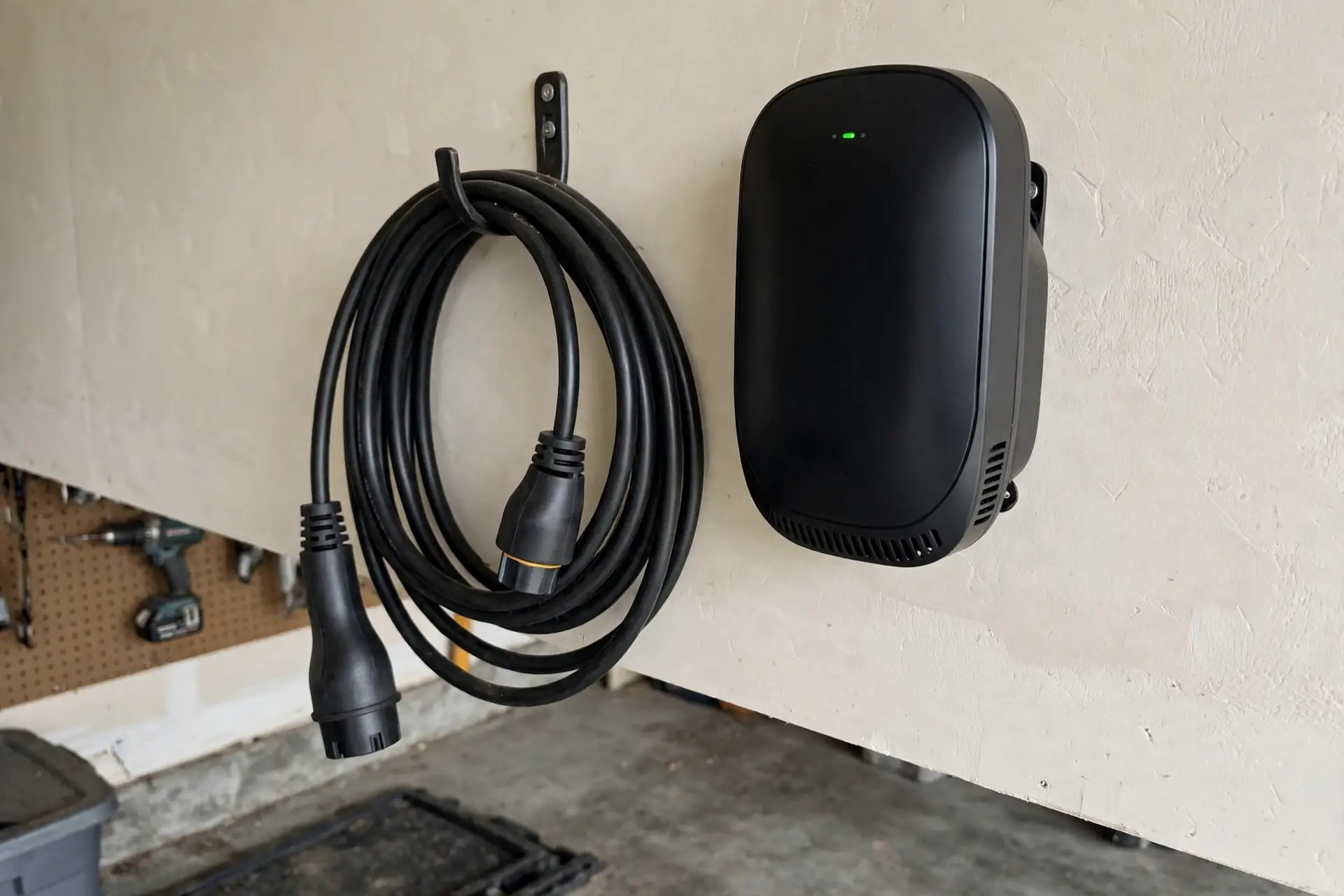
Northeast Tallahassee runs on a different pattern than the canopy roads. Killearn and the suburbs along Thomasville Road and Capital Circle hold newer construction, larger garages, and panels that more often carry spare capacity from the start. Installs there tend to be exercises in placement rather than capacity: which wall, which bay, hardwired or plug-in, and how the cable lives alongside bikes, mowers, and the second car.
Midtown sits between the two worlds — cottages and renovated homes near the shops and restaurants, garages of every era, and panels that need the calculation rather than an assumption in either direction. The legislative-session rhythm touches this part of town too: homes that host staffers or sit rented part of the year benefit from the same seasonal thinking as any part-time home — surge protection, clean restart after outages, and a simple orientation for whoever is living there when the charger first matters.
Across all three patterns, the constants are Tallahassee constants: city permitting, the municipal utility, summer storms rolling over the hills, and clay soil that makes any trenching conversation specific. Generic national advice misses those. Local assessment does not.
Owners, Renters, and the Campus Question
Two universities — Florida State and Florida A&M — plus the Capitol give Tallahassee an unusual mix of owner-occupied homes, faculty and staff households, student-adjacent rentals, and homes bought by parents for a student's years in town. Charger installs sort differently across that mix, and the sorting question is ownership.
If you own the home, the route is the one this page describes: your panel, your permit, your charger. If you rent, the honest answer comes first — a hardwired charger circuit is a permanent electrical alteration, and it requires the property owner's agreement, in writing, before any electrician should touch the panel. Renters near campus sometimes find landlords receptive: a permitted charger is an amenity that helps a house compete for the next tenant, and some owners will share or carry the cost for exactly that reason. Others will not, and a plug-in arrangement using an existing suitable outlet — where one genuinely exists and the circuit supports it — is a different, smaller conversation than a new circuit. What never works is an unpermitted install in someone else's house; it surfaces at the worst moments and belongs to no one's interests.
Landlords: the commercial and multifamily line in our services list exists for you, and a documented, permitted charger install is a durable property improvement, not a tenant modification. Reach us through the contact page and we will talk through the property rather than a single parking space.
Permits Through the City of Tallahassee
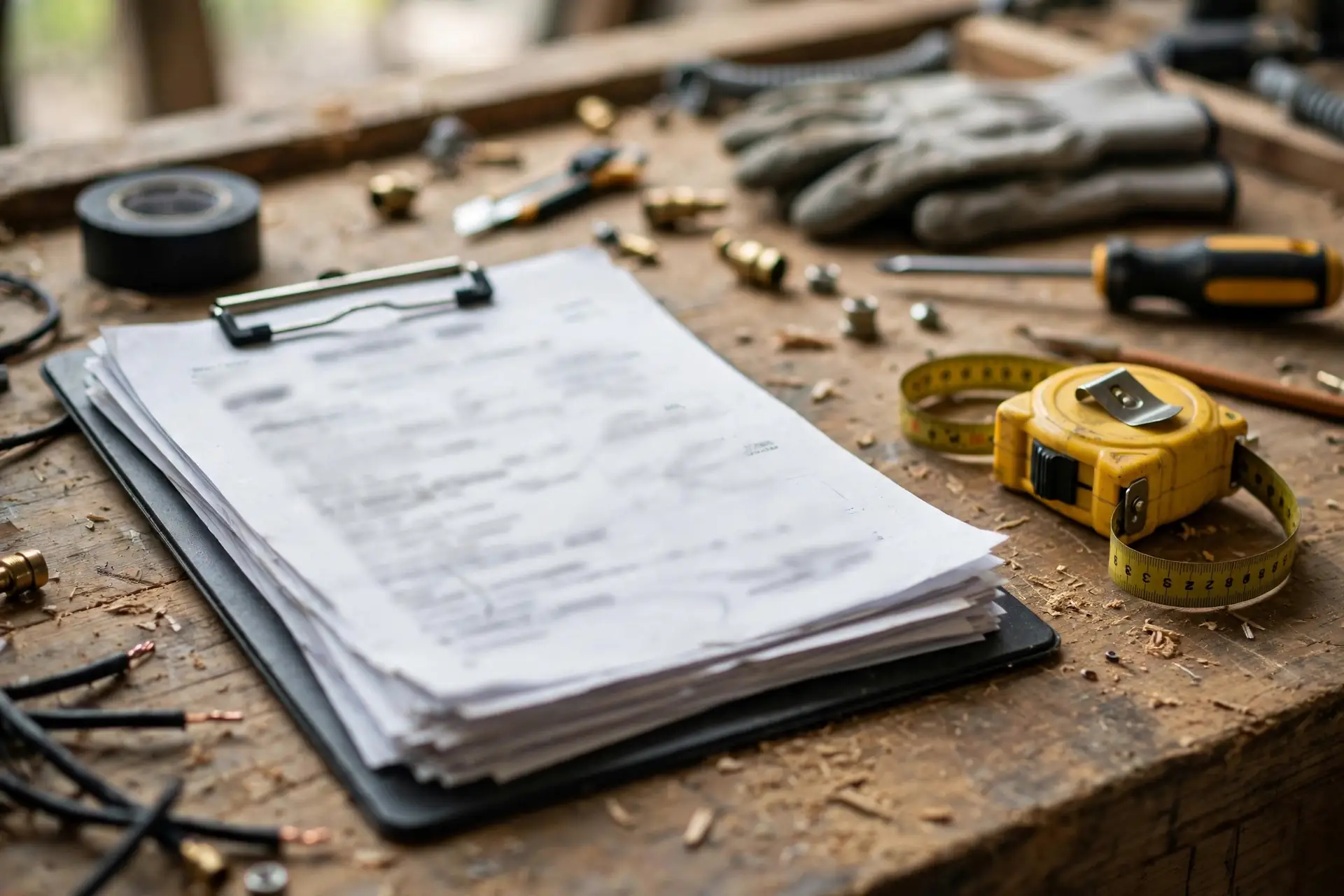
Charger circuits in Tallahassee are permitted work, handled through the City of Tallahassee's growth management and building services. The shape of it: application, a circuit built to the Florida Building Code and National Electrical Code, inspection, and a closed permit record. That record is the document your insurer expects, the answer a buyer's inspector accepts in a city where homes change hands with every administration and academic cycle, and the baseline the next electrician trusts.
Our Florida EV charger permit guide explains the permit's role in full. We file, build to the filed plan, and hand over the closed record at the end. Leon County addresses outside the city follow the county's process instead, and assessment confirms which desk your address belongs to before work is scheduled — the standard of the work does not change with the desk.
Hills, Clay, and Summer Storms
Tallahassee is not coastal, and its charger specification should not pretend otherwise — but inland is not the same as gentle. Summer thunderstorms build over the hills with real violence, and Tallahassee's tree canopy, beautiful as it is, drops limbs on lines through the season; outages and surges are a known local pattern. Whole-home surge protection at the panel is a proportionate recommendation here, especially for homes whose owners travel with the legislative or academic calendar and cannot respond to a tripped breaker the same day.
Outdoor and carport installs — common in Midtown and the older neighborhoods — get weather-rated equipment and sealed fittings as standard, and any trenching meets Leon County's red clay, which rewards conduit placed at proper depth the first time. The outdoor EV charger installation guide covers exposure planning statewide; the Tallahassee version of it is written in clay and oak shade rather than salt, but the discipline is the same.
How It Works
Step 1: Ownership and panel, in that order
Your EV model, where it parks, whether you own the home, and what you know about the panel. A panel photo settles most early questions before anyone drives out.
Step 2: The load calculation
Existing demand totaled against service size, spare capacity shown as a number. Charger model and amperage follow the arithmetic.
Step 3: Permit and install day
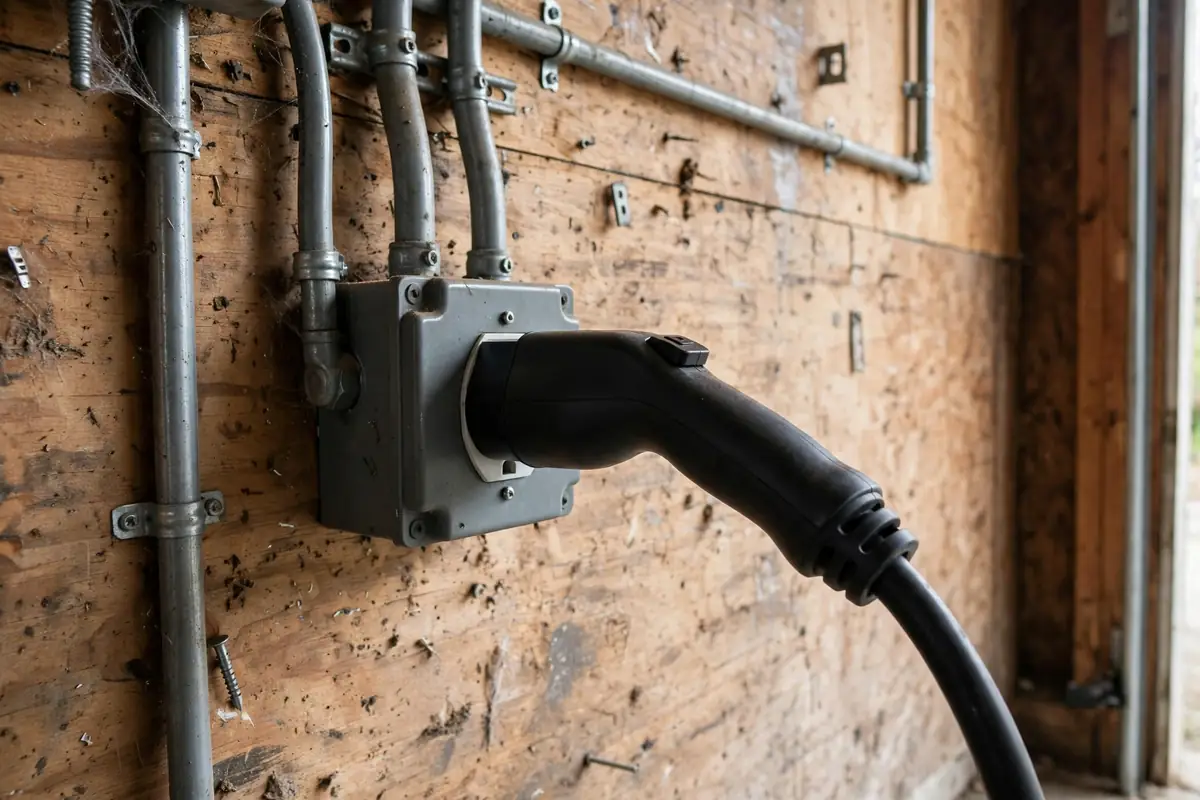
Permit filed with the city, circuit built to the plan, charger mounted and configured to its circuit, proven with your car plugged in.
Step 4: Inspection and handover
City inspection closes the permit. You receive the permit record, the configuration, and updated panel labeling.
On the Ground in Tallahassee
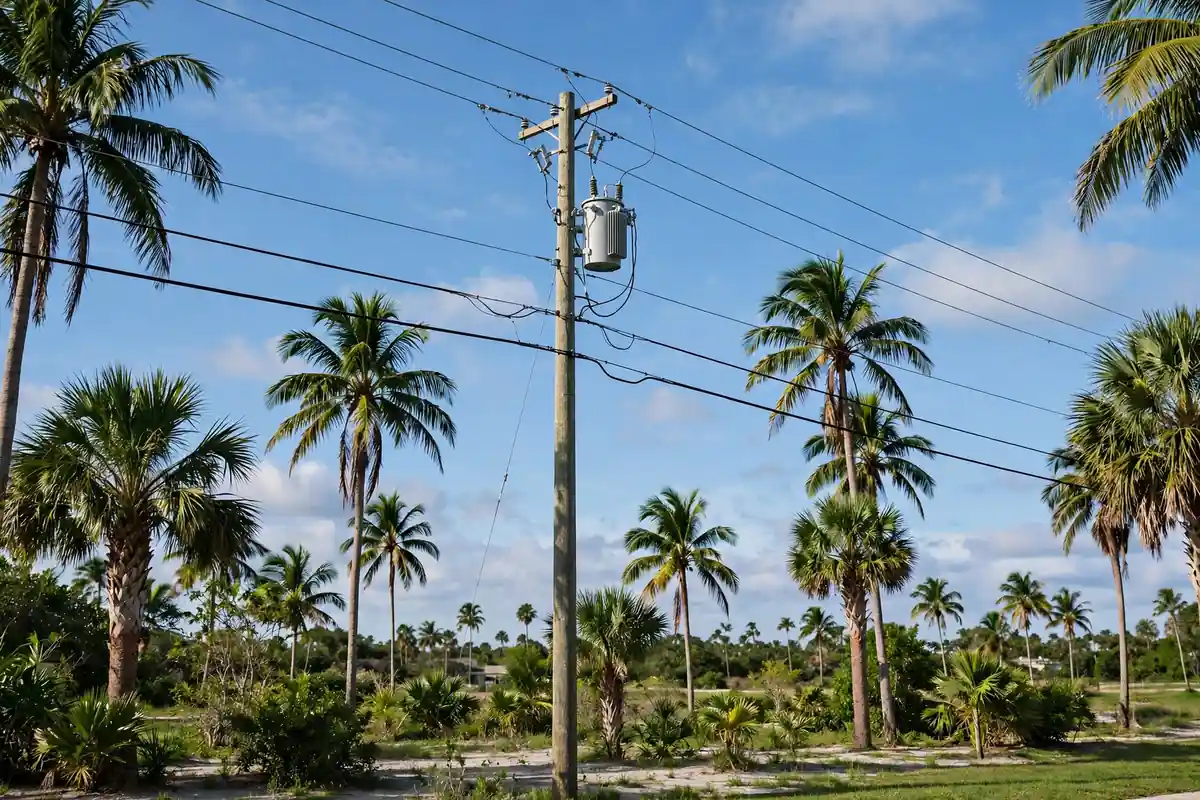
Work here follows the city's rhythms: session season downtown, the academic calendar at FSU and FAMU, football Saturdays, and quiet summers. Installs cluster in the canopy-road neighborhoods where panels are old, in Midtown where every garage is different, and in Killearn and the northeast suburbs where placement is the main event. The constants are a municipal utility with no charger program to sell you, city permitting, red clay underfoot, and oak canopy overhead. That is the specification sheet for a Tallahassee install — and it starts with an honest sentence: here, owning your charger is not one option among several. It is the option, done properly.
Questions to Ask Any Tallahassee Installer
Put five questions to anyone quoting your install, including us: Will you run a load calculation before recommending panel work on my older home? Who files the permit with the city, and will I get the closed permit record? What amperage will the charger be configured to, and what breaker and wire support it? What surge protection do you recommend for a house under this canopy, and why? If I rent or own a rental, what documentation do you need before starting? The answers separate electricians from guessers quickly — and any answer that mentions a city utility charger program should end the conversation, because no such program exists here.
Frequently Asked Questions
Does City of Tallahassee Utilities offer an EV charger program?
No flagship utility charger subscription exists here, and we will not pretend otherwise. Tallahassee's municipal utility supplies your power; the charger itself comes through a private, permitted install that you own outright. That is the standard route in the capital city, and for many homeowners the ownership simplicity is the advantage.
Can a historic canopy-road home support a Level 2 charger?
Usually yes, in one of several ways. The load calculation decides which: full-rate circuit where renovated service allows it, a moderately configured charger, load management, or panel work where the numbers require it. Older panels are a planning problem with known answers — not an automatic refusal and not an automatic replacement.
I rent near campus — can I get a charger installed?
Only with your landlord's written agreement, because a charger circuit is a permanent electrical change to their property. Some Tallahassee landlords say yes readily — a permitted charger helps the house re-let — and some share cost. Without that agreement, no reputable installer should proceed, and we will not.
Which office handles the permit for a Tallahassee charger?
The City of Tallahassee's growth management and building services, for city addresses; the work closes with an inspection and you should receive the closed permit record. Addresses outside the city in Leon County follow the county process instead — assessment confirms which applies to your street.
Is surge protection worth it in Tallahassee?
In our judgment, yes — the combination of summer storm intensity, a heavy tree canopy over the lines, and homes that sit empty during session breaks or summer travel makes panel-level surge protection a proportionate part of most installs here. It is a recommendation with local reasoning behind it, and we will show you the reasoning rather than bundle it silently.
What should landlords near FSU or FAMU know about installing chargers?
That a permitted charger is a property asset: it documents cleanly, insures cleanly, and markets honestly to the next tenant or buyer. The install runs through your panel and your permit as owner, and configuration choices — amperage, access, placement — should be made for the property's long term rather than one tenant's car. Our services list includes multifamily and commercial work for exactly this case.

Get Your Charger Installed in Tallahassee
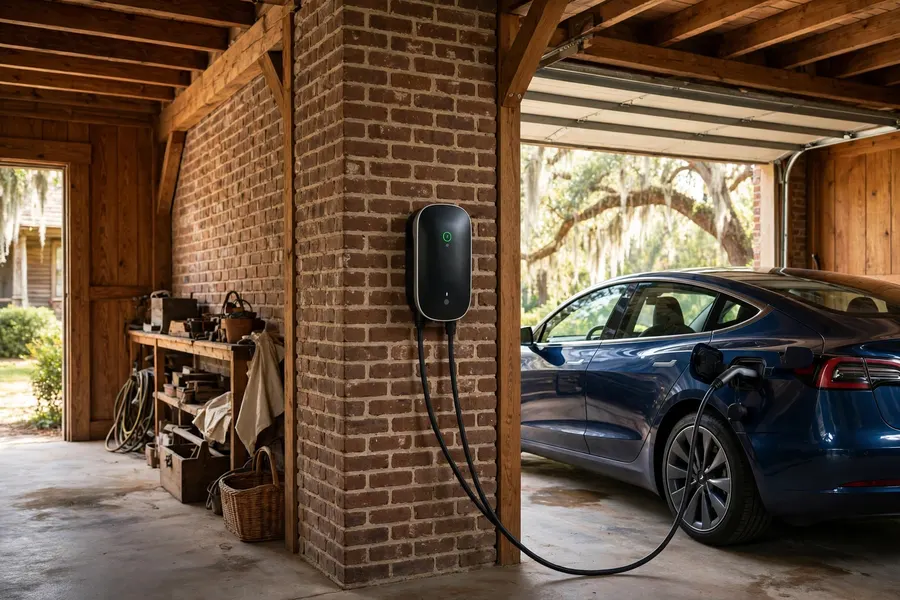
Permitted, inspected, and owned outright — one call books the assessment for your Tallahassee home.
(407) 557-4153 · Mon–Fri 7:00 AM – 10:00 PM · Sat 8:00 AM – 10:00 PM · Sun 7:00 AM – 9:00 PM ET