Heat: The Silent Derating
Chargers and cars both protect themselves from heat by slowing down. A charger baking on a west-facing wall in August will still work — but mounting in shade where the property allows it, keeping vents unobstructed, and choosing equipment rated for high ambient temperatures keeps full speed available. If your only mounting spot is a sun-blasted wall, say so at the assessment; equipment selection accounts for it.
Water: Ratings and Real Rain
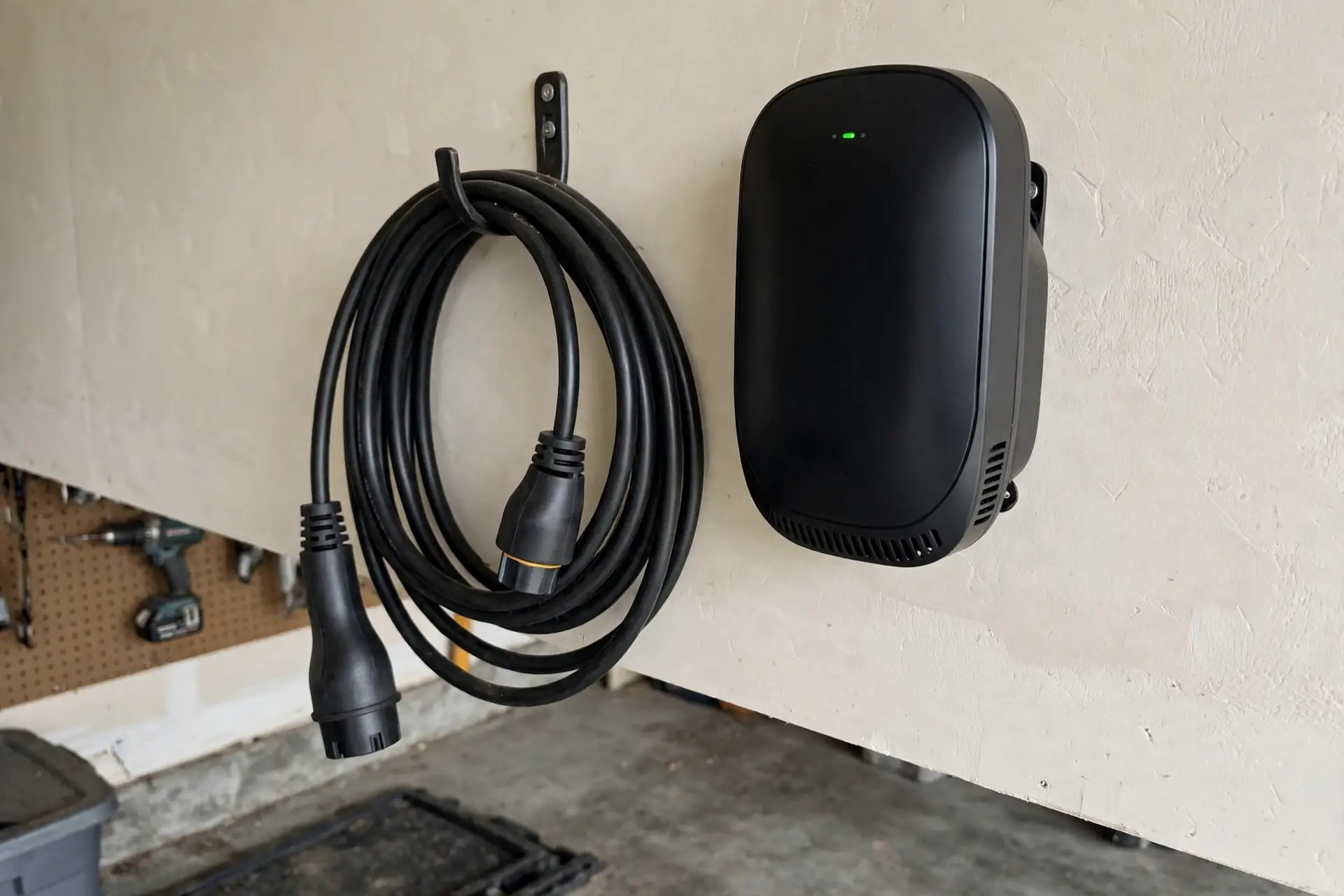
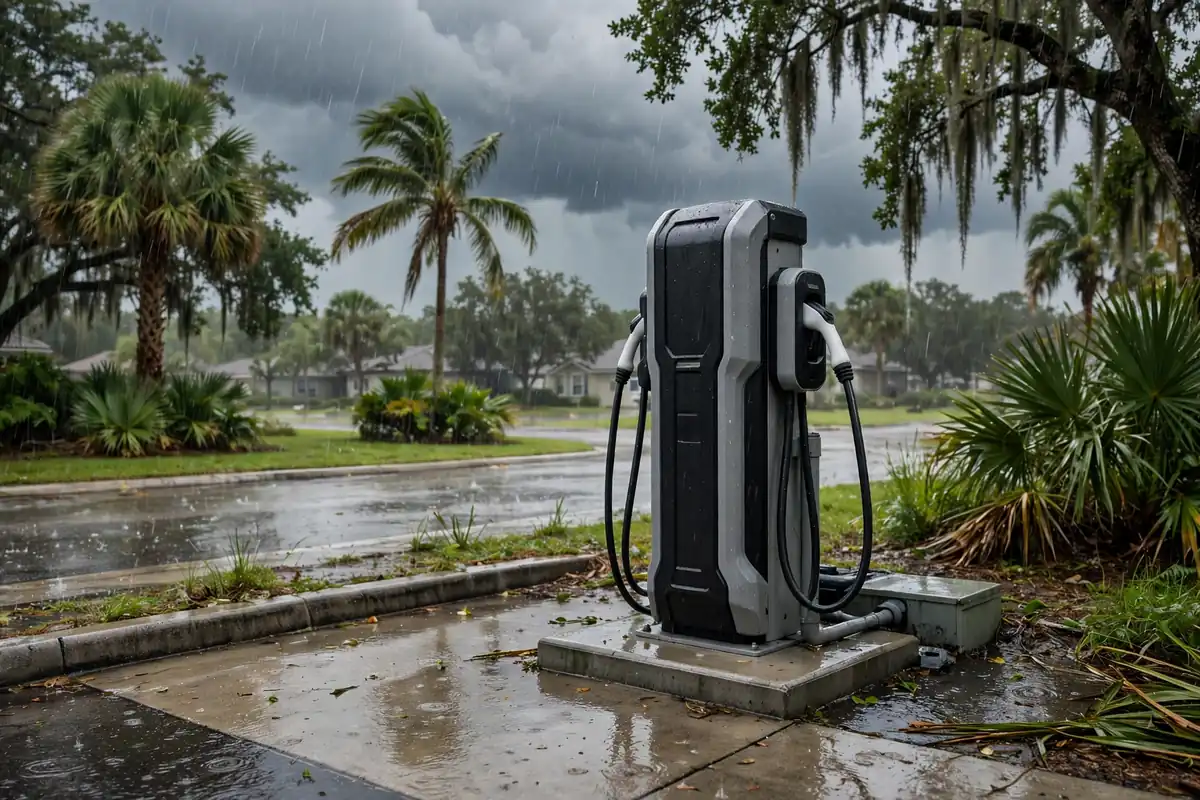
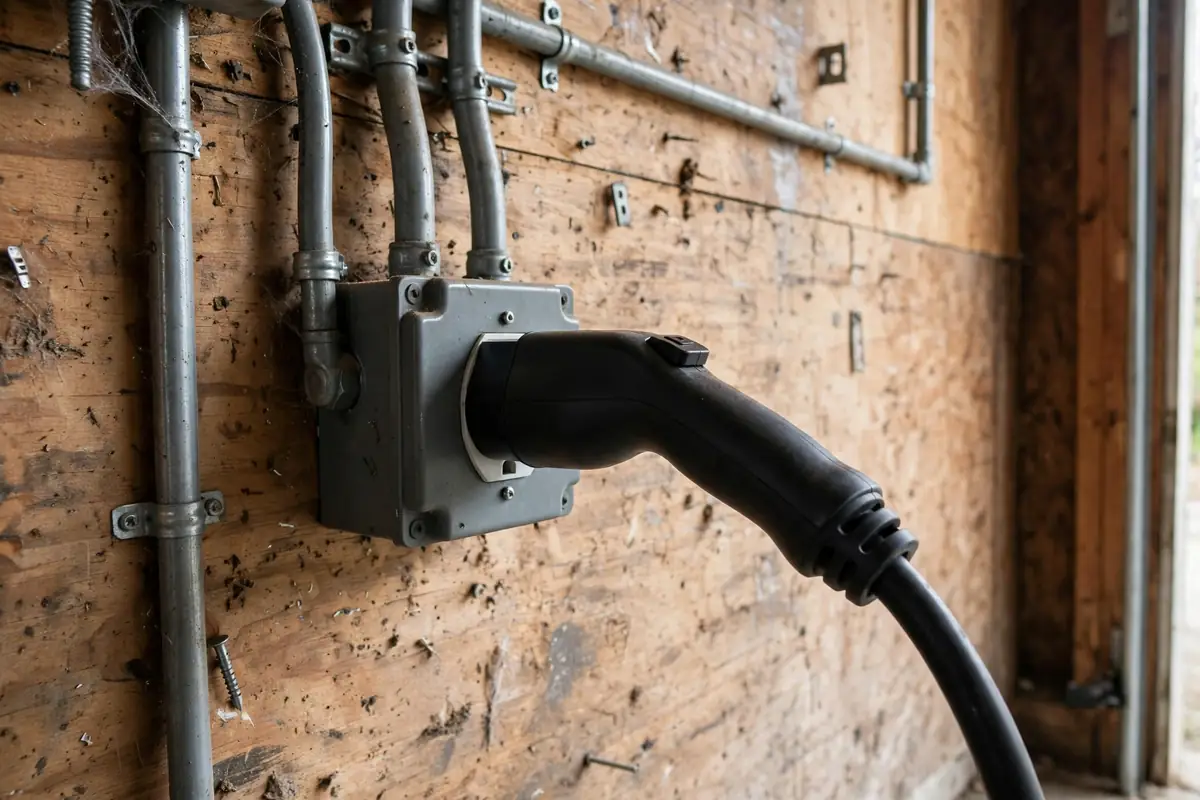
Look for chargers with a genuine outdoor ingress rating (NEMA 4 / IP65-class or better) and have them installed with sealed conduit entries — the rating assumes the penetrations were done properly. In-use covers on outdoor outlets, drip loops on cables, and mounting heights that respect your street's puddle history all matter more than the rating printed on the box. Florida rain does not fall down; it falls sideways, and installs should be sealed like it.
Salt Air: The Coastal Tax
Within a few miles of the Gulf or the Atlantic — most of Clearwater, much of Fort Lauderdale — salt air corrodes terminals, hinges, and enclosures. Stainless or marine-grade hardware, anti-corrosion treatment on connections, and a rinse-and-inspect habit once a season extend outdoor equipment life measurably. Inland installs care less; beachside installs ignore this at their expense.
Lightning: Surge Protection Is Not Optional
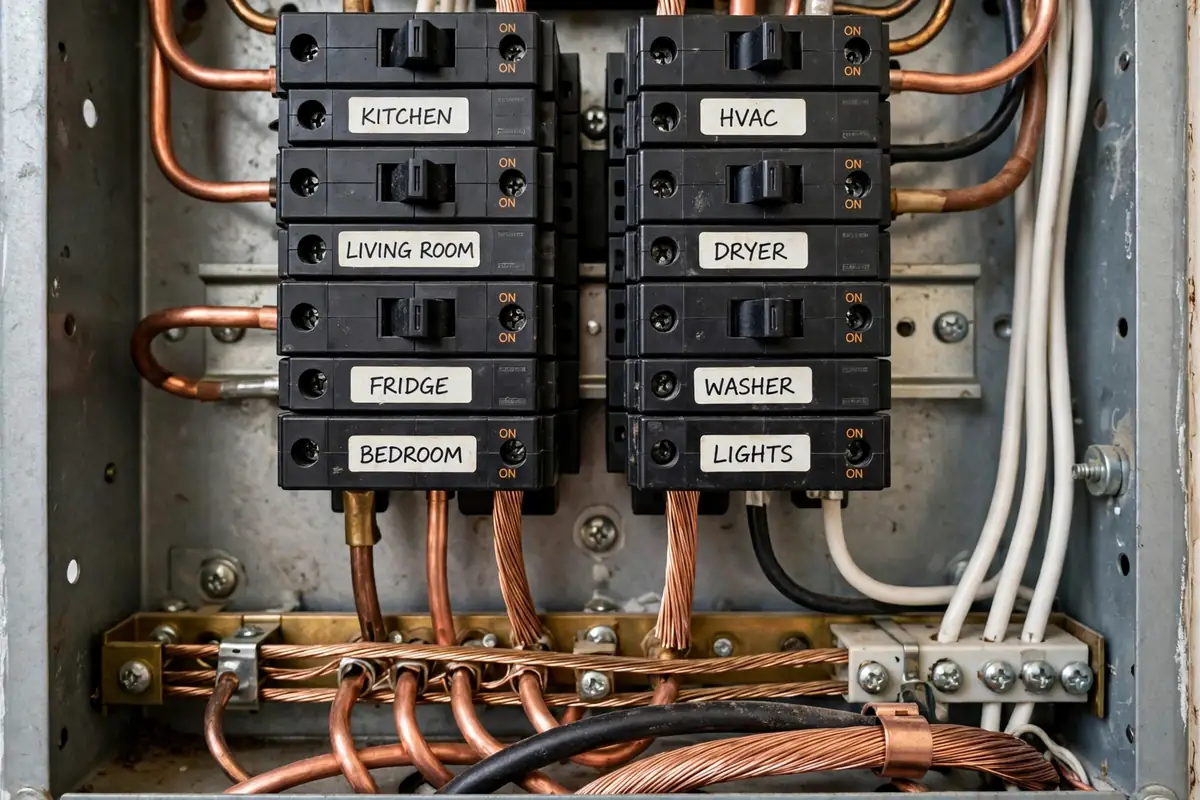
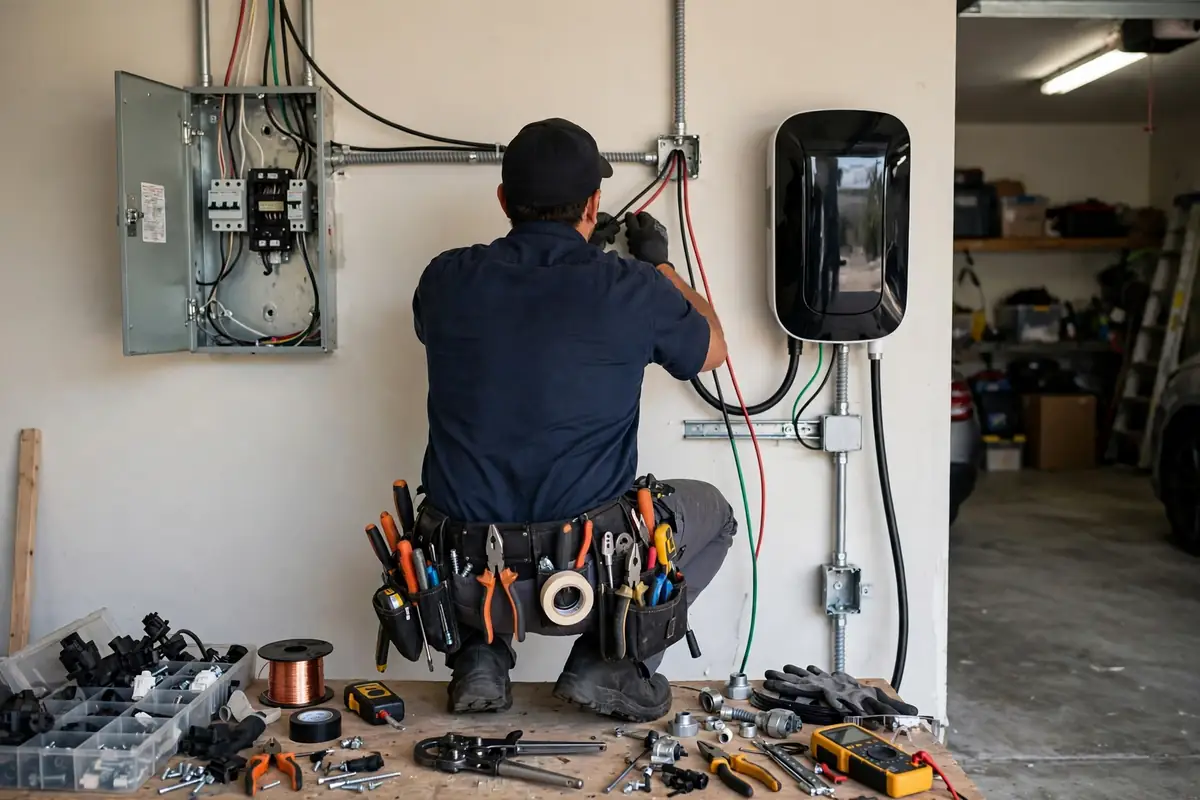
Florida is the lightning capital of the United States, and a hardwired charger is a wire from the grid straight into your car. A whole-panel surge protective device is the standard defense and the single highest-value add-on to any Florida install, indoor or outdoor. One device protects the charger, the car, and everything else on the panel.
Hurricanes and Flooding
In flood-prone streets, mount the charger as high as the parking layout sensibly allows, and know your shutoff: the breaker is the disconnect, and flipping it before a storm is a reasonable ritual. After any flooding that reached the equipment, the charger should be inspected before it is energized again — water inside an enclosure is not a wait-and-see item. Post-storm, our repair service handles exactly these checkups.
Cable and Connector Care Outdoors
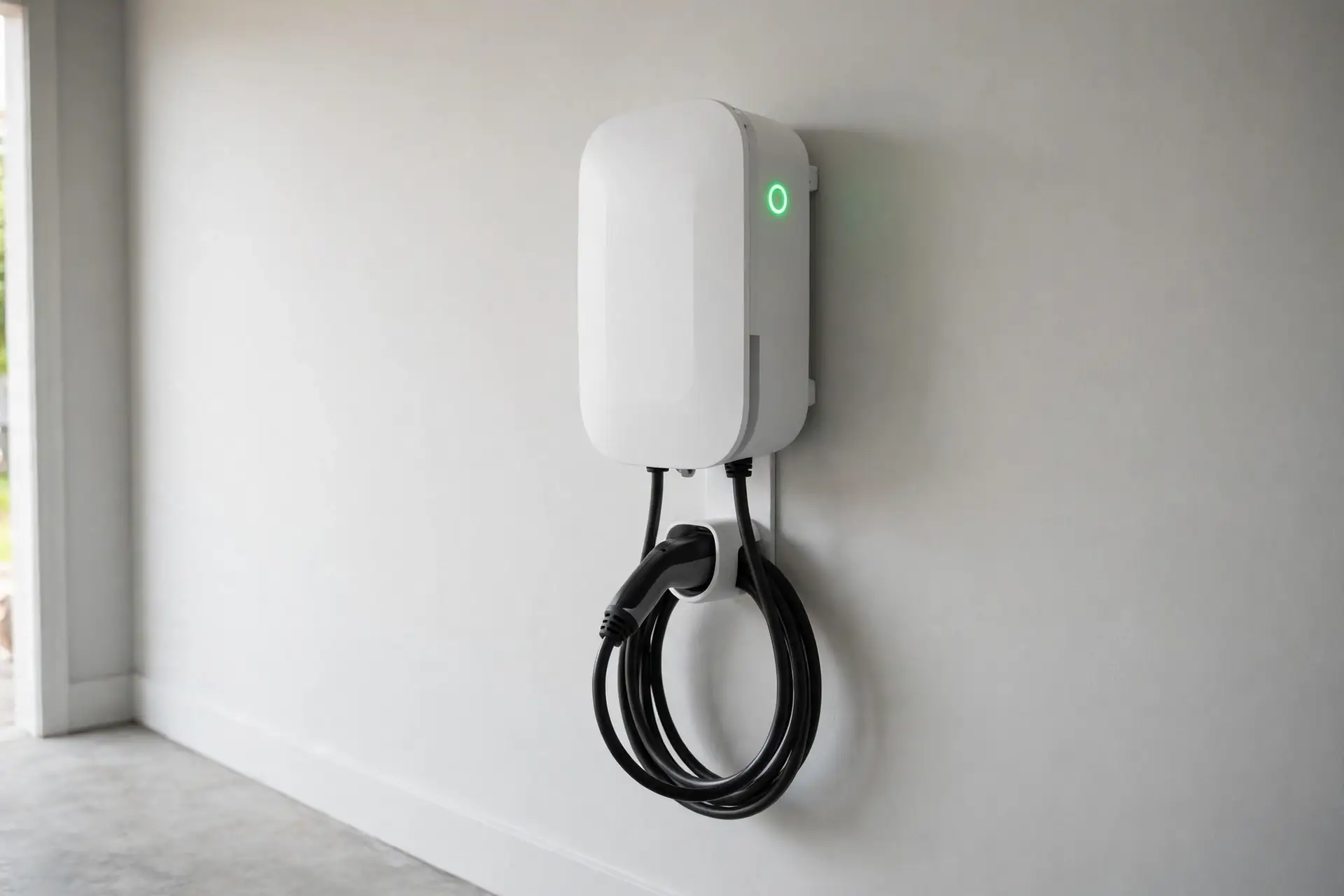
UV degrades cable jackets over years; a holster that keeps the connector docked, shaded, and off the ground is both tidy and functional. Keep the cable off hot pavement where tires cross it, and give the connector a shake-and-look before plugging in after storms — insects and moisture both like the dock.
Carport Culture: Florida's Middle Option
The carport deserves its own paragraph because Florida has so many: roof overhead, open sides, the charger living in humid shade with rain arriving horizontally twice a week. Carport installs get outdoor-rated equipment and sealed entries like full outdoor jobs, but they dodge the worst UV exposure — and they gain one risk of their own: wind-driven debris and pressure-washing enthusiasm. Mount the unit on the house wall rather than a carport post where possible, keep the connector docked high, and the carport becomes nearly as kind as a garage.
After the Storm: A Five-Minute Inspection

Post-storm, before the next charge: look at the enclosure for standing-water lines and debris; check that the breaker is not tripped and resets cleanly if it is; run your hand along the cable for cuts the storm may have introduced; confirm the status light is its normal color. Anything off — water inside, scorch smell, a connector that will not seat — means the charger stays off until a diagnostic visit. Five minutes, once or twice a season, is the entire premium on outdoor charging insurance.
Pedestal Installs: When the Wall Is Not an Option
Some Florida parking simply has no wall: a driveway pad, a carport bay, a side-yard space. Pedestal mounting puts the charger on a purpose-built post, with the circuit trenched or run in surface conduit to reach it. The pedestal changes the checklist — footing depth in sandy soil, a bollard where bumpers roam, drainage that keeps the base out of standing water, and a cable route that never crosses the path of a mower. Done to that standard, a pedestal charger is not the compromise option; in many coastal homes it is the best-sited charger on the street.
Shade Structures, Pergolas, and Other Happy Accidents
One of Florida's pleasant ironies: the shade structures homeowners build for their cars — carports, pergolas, sail shades — are also the best charger accessories ever devised. A shaded charger runs cooler, its cable stays supple longer, and the driver plugging in during a summer shower stays drier. If a shade project is anywhere in your home's future, sequence it with the charger install: conduit routes and mounting points are easier to coordinate than to retrofit around each other. Your electrician and your shade builder do not need to meet — but their drawings should.
Frequently Asked Questions
Can EV chargers really be installed outdoors in Florida?
Yes — most quality home chargers carry outdoor ratings and are installed outdoors across Florida every day. The climate changes the details (sealing, hardware, surge protection, mounting), not the feasibility.
Will rain damage my outdoor charger while I am charging?
Equipment installed and sealed correctly is designed to charge in rain. The system is safe to use in wet weather; the cautions are about installation quality and post-flood inspection, not about ordinary rain.
Do I need surge protection for an indoor garage charger too?
We recommend it for every Florida install. Lightning surges travel the panel, not the weather — a garage location does not exempt the circuit.
How high should an outdoor charger be mounted in a flood-prone area?
As high as practical use allows — the connector still has to reach the car comfortably. Your assessment weighs the street's flood history against daily ergonomics; there is no virtue in a charger you cannot reach.
What maintenance does an outdoor Florida charger need?
A seasonal rinse of the enclosure, a look at seals and cable condition, connector inspection, and a check that the holster drains. Coastal installs benefit from an annual professional once-over.
My charger stopped working after a storm. What now?
Leave it off and call for a diagnostic. Storm failures are usually surge damage, water intrusion, or a tripped protective device — all diagnosable, and the repair typically adds the protection that prevents a repeat.