Configuration Is the Job
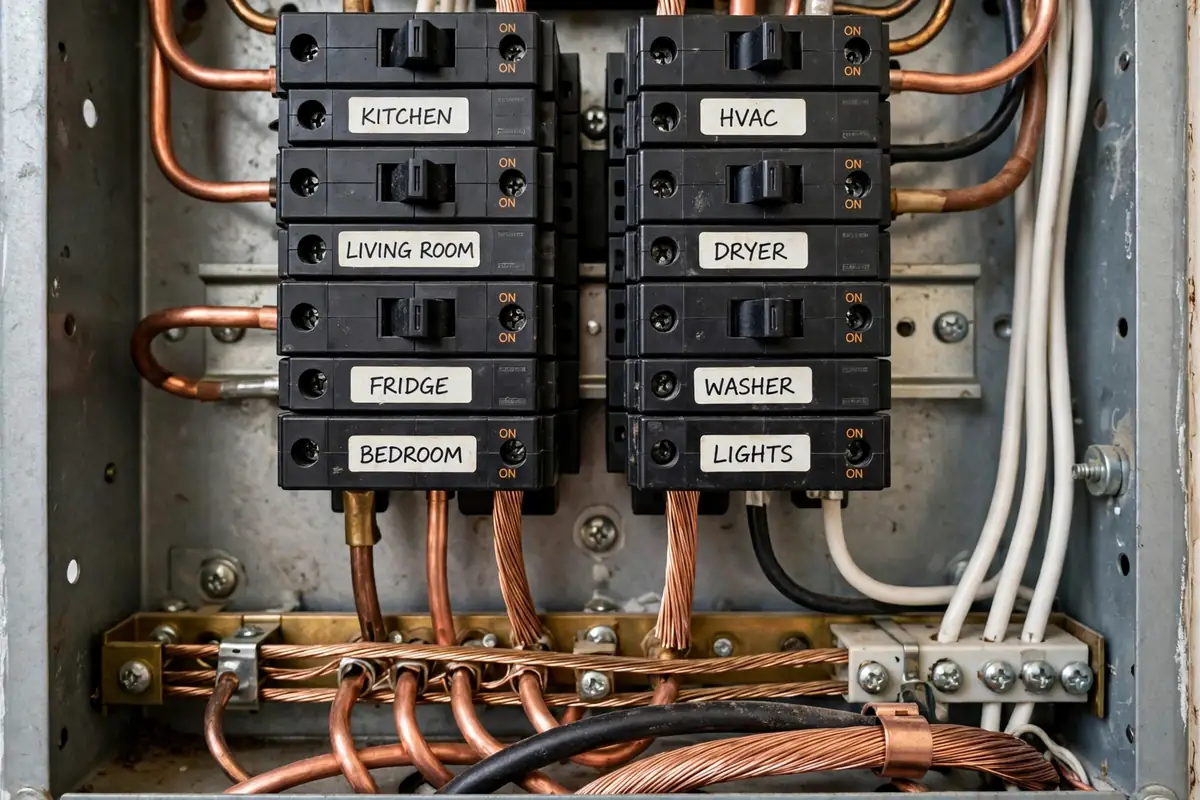
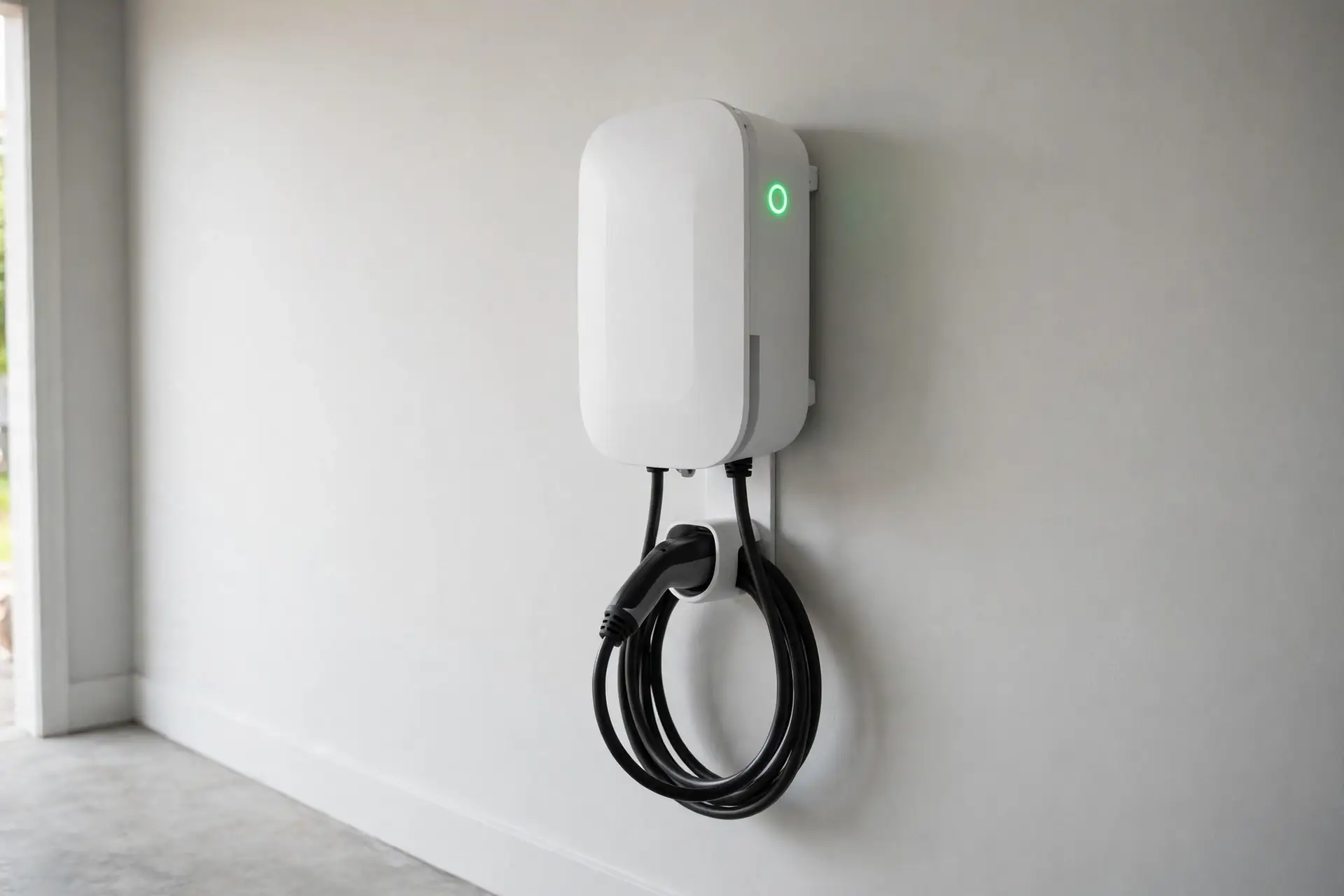
A Wall Connector can be set anywhere from 12 to 48 amps, and that setting must match the breaker and wire exactly. Set it high on an undersized circuit and you have built a hazard; set it low on a capable circuit and you paid for speed you never get. Every install we do ends with the unit configured to the circuit it is actually on, connected to Wi-Fi, and test-charged with your car.
Standard or Universal?
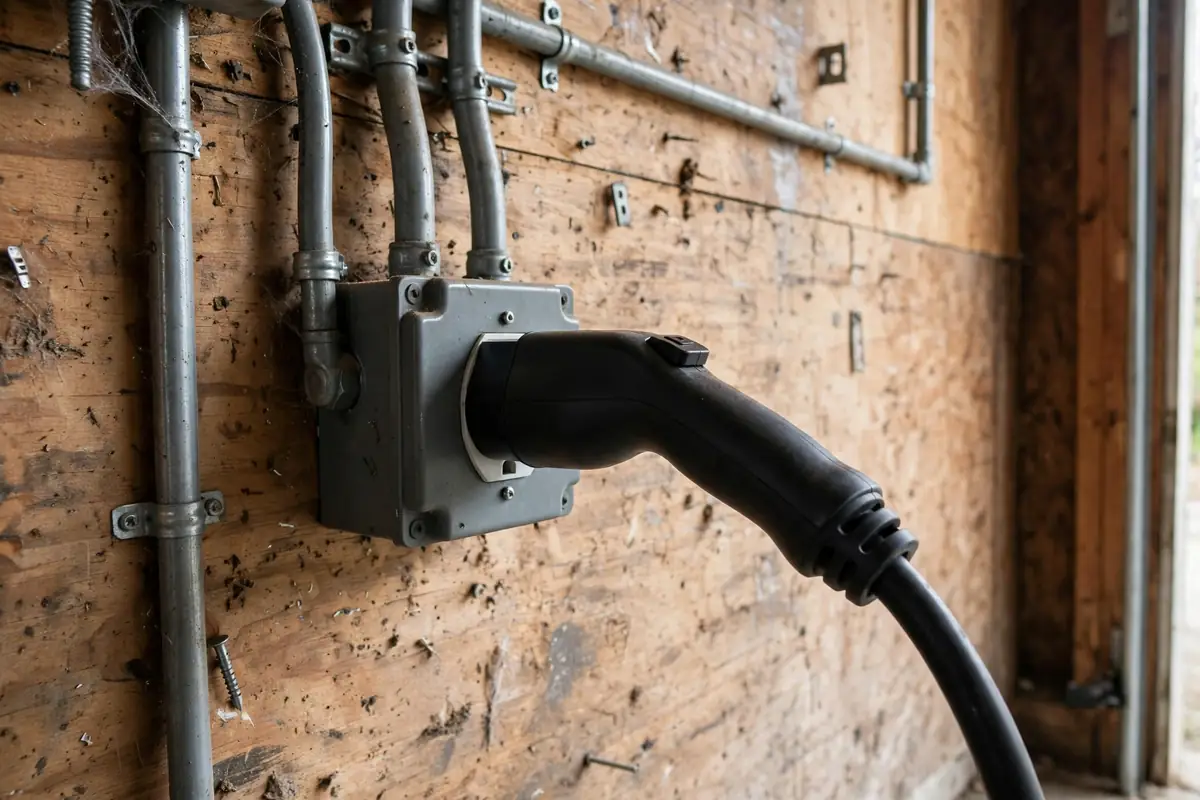
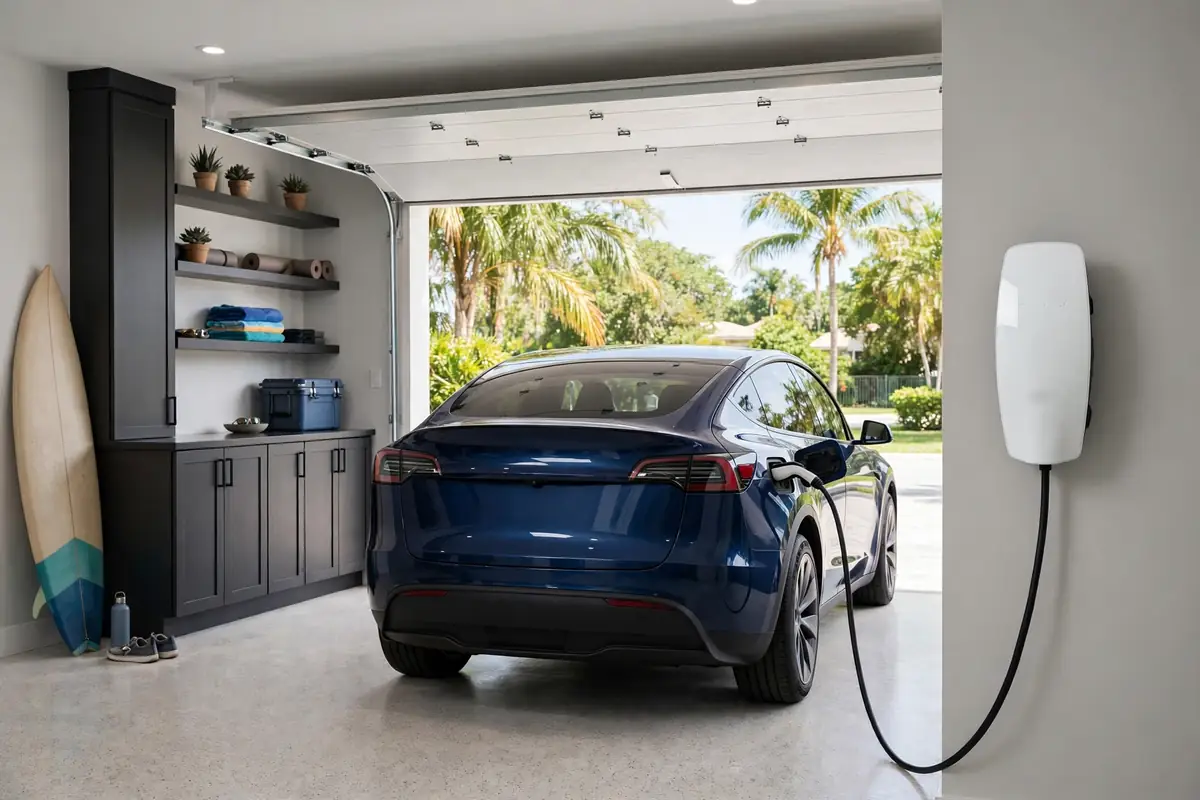
The standard Wall Connector carries the Tesla (NACS) plug. The Universal adds a built-in J1772 adapter (the Magic Dock), serving the growing number of Florida households where a Tesla shares the garage with a Ford, Hyundai, or Rivian. If a second brand is even a maybe in your household, the Universal is the one to mount.
Power Sharing for Two-Tesla Homes
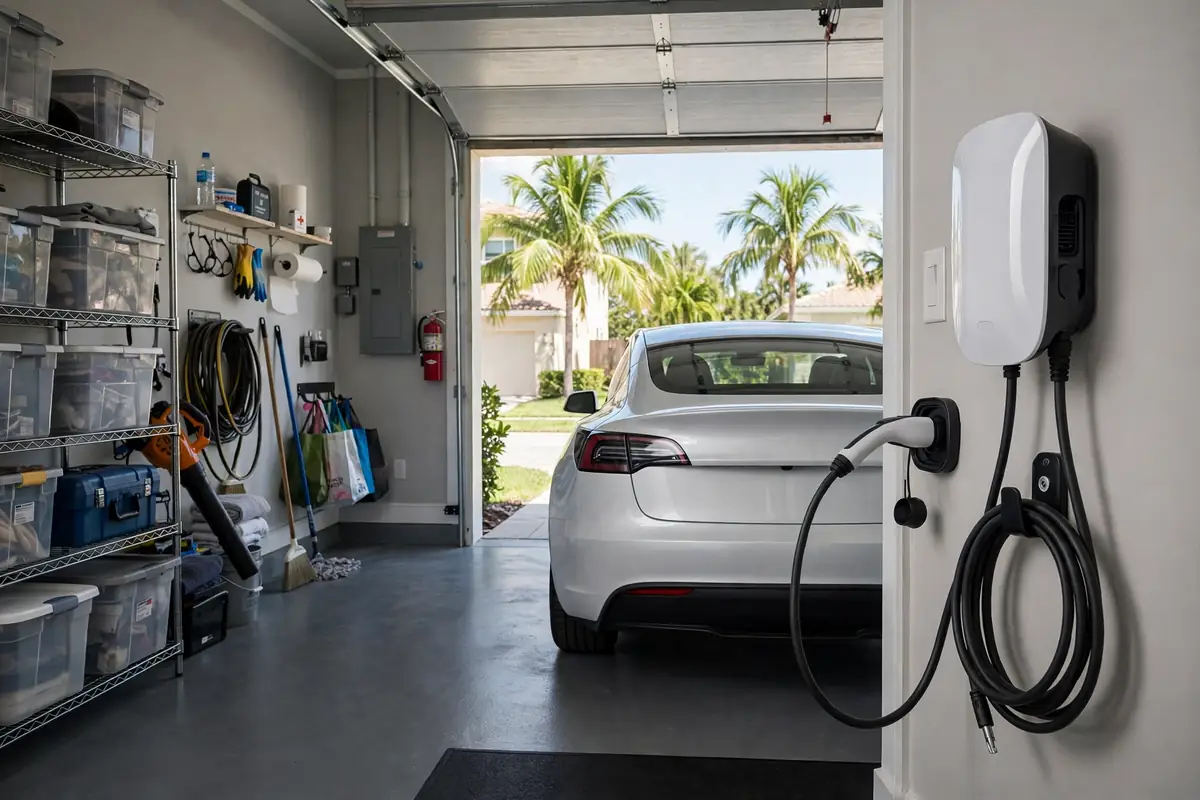
Two Wall Connectors can share one circuit and divide the power between cars automatically — both cars charge overnight, neither needs a second full circuit. For Florida homes whose panels cannot spare two 60-amp circuits, power sharing is frequently the difference between a clean install and a panel upgrade conversation.
How It Works
Step 1: Call and describe your setup
Your EV model, where you park, and what you know about your panel. Photos of the panel help us prepare before anyone visits.
Step 2: Load calculation and site assessment
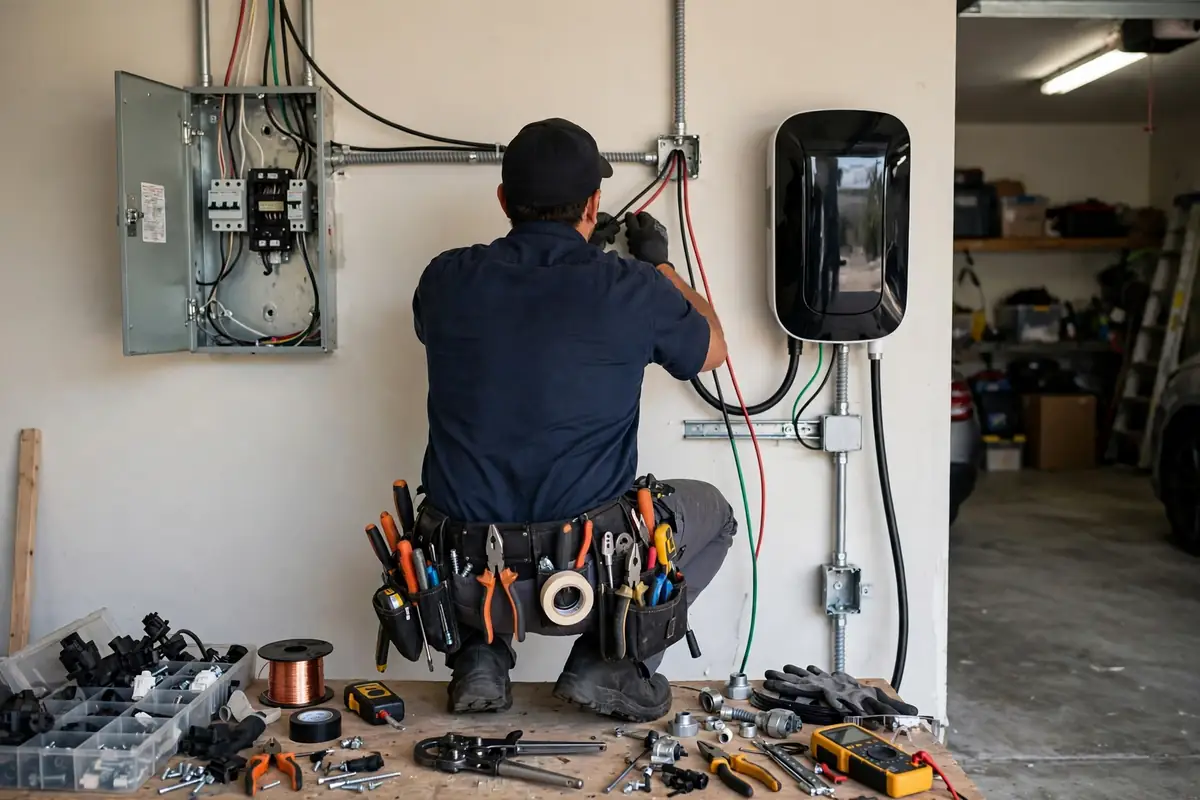
A qualified electrician checks your panel's real capacity, measures the circuit run, and confirms the charger location. You get a clear scope of work — no surprises mid-job.
Step 3: Permit and installation

We pull the electrical permit, run the dedicated circuit, mount the charger or outlet, and configure it to the circuit it is actually on.
Step 4: Inspection and walkthrough
The city or county inspection closes the permit. Then we test-charge your car together and walk through the charger's app and scheduling features.
Where We Install
Our launch coverage runs across Southeast Florida and Tampa Bay — West Palm Beach, Boca Raton, Tampa, St. Petersburg, Clearwater, and Fort Lauderdale. In the Orlando area, our sister site Orlando EV Charger covers Central Florida.
Cybertruck, Road Trips, and Other Florida Tesla Patterns
Florida Tesla households have local habits worth planning around. Cybertruck owners draw the full 48 amps and park outdoors more often — their installs lean into sealed fittings and surge protection. Snowbird Teslas sit for months: a Wall Connector on a configured schedule keeps the battery in its happy band, and remote access through the app lets owners check in from another state. And the I-95 / I-75 / Turnpike road-trip rhythm means home charging does the weekday work while Superchargers handle the corridor — which is exactly why a full battery every morning matters more here than raw charging speed records.
Storm Season Readiness
Every Florida electrical install should answer one question: what happens in the third week of September? For chargers, the answers are a surge protective device at the panel, sealed outdoor fittings, a homeowner who knows which breaker feeds the charger, and equipment inspected before re-energizing after any flooding. None of this is exotic or expensive at install time. All of it is dramatically more expensive as a repair. We build storm readiness into Florida installs by default rather than selling it as an upgrade.
Equipment Selection Without the Upsell
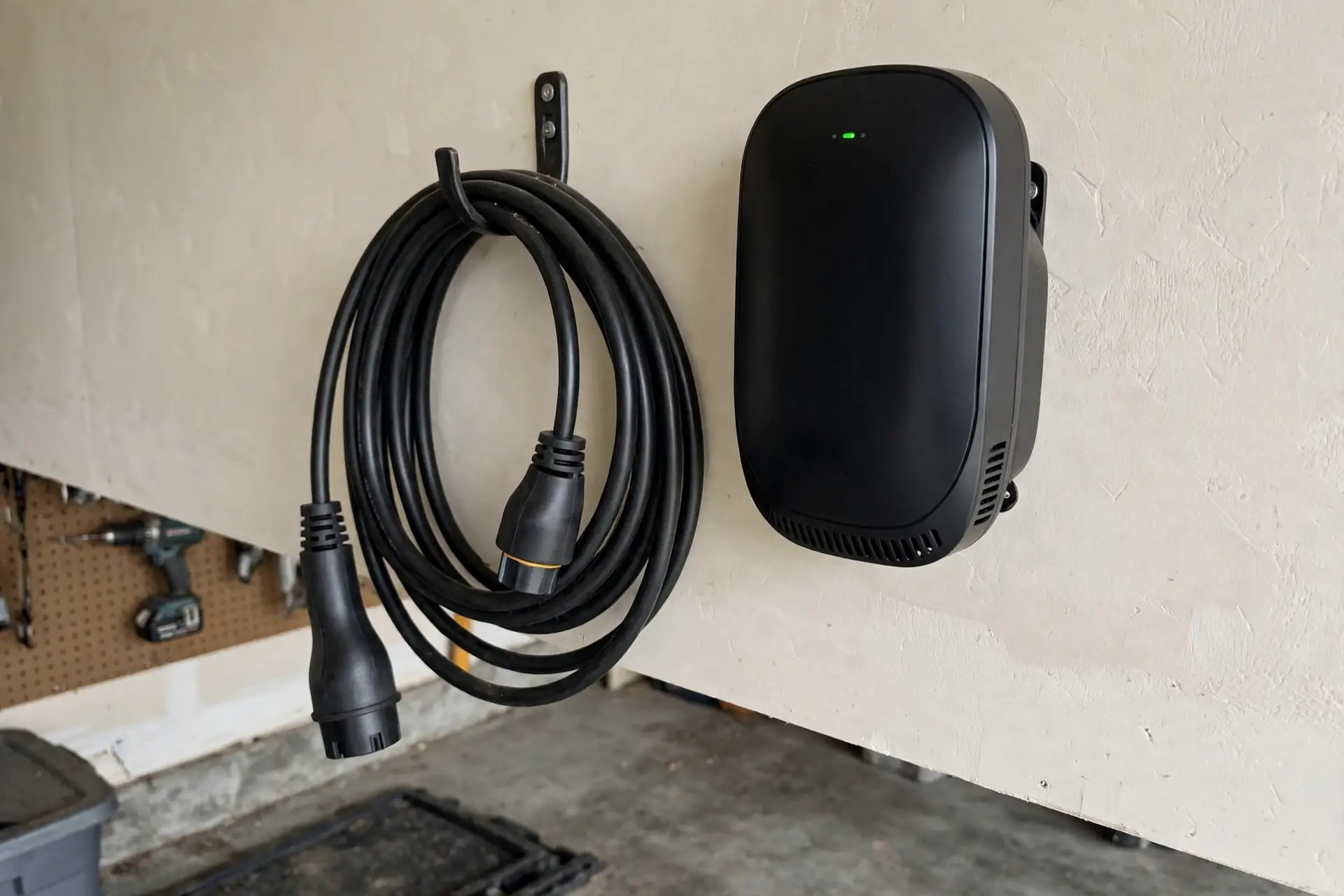
Charger marketing runs on amperage envy: the biggest number wins the cart. Your car disagrees — its onboard charger caps what it can accept, and a unit configured beyond that cap buys speed that exists only in the brochure. The honest selection order is: your car's acceptance rate, your panel's spare capacity, your connector needs today and at the next car, and only then brand and features. App quality, cable length, and outdoor rating are real differences worth paying for. Amperage you cannot use is not.
What Charging Actually Costs to Run
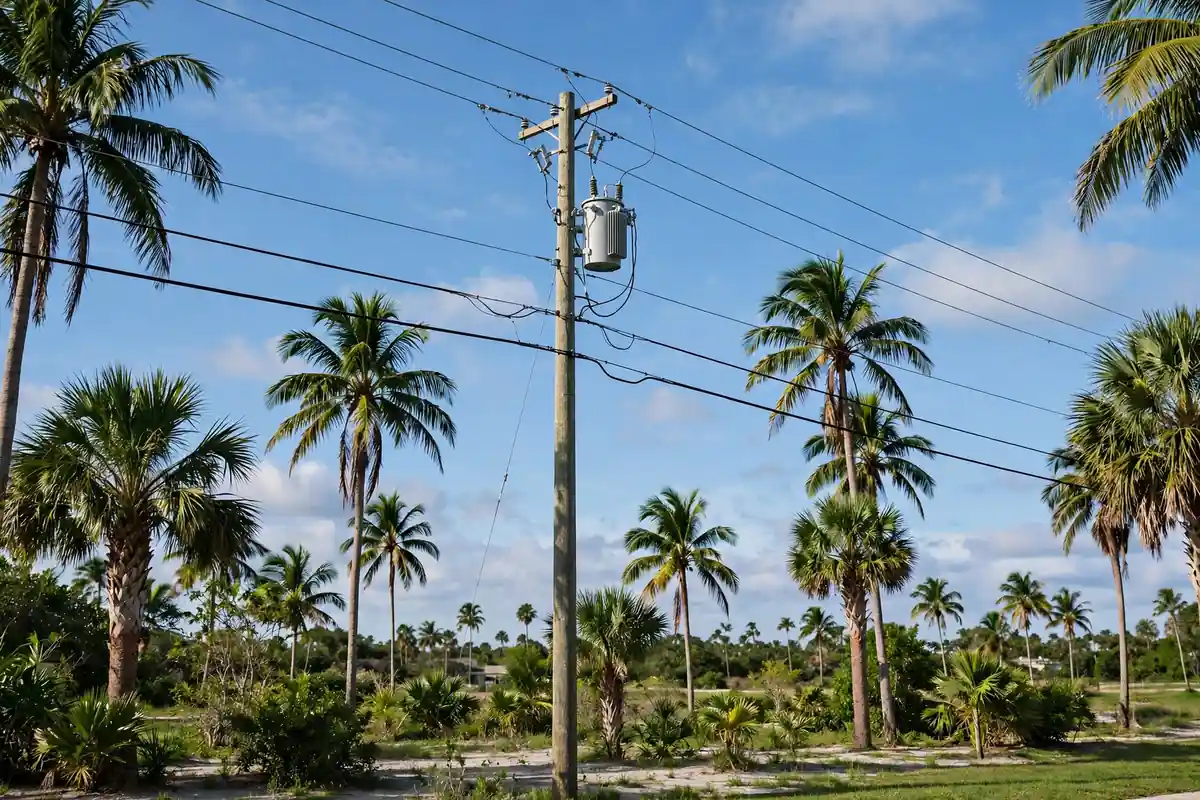
The install is the one-time number; the electricity is the subscription you barely notice. A typical Florida EV driven about 12,000 miles a year uses roughly 3,000 to 3,600 kilowatt-hours annually — at residential rates, a modest monthly line that undercuts the gasoline it replaces by a wide margin, and shrinks further on time-of-use rates with scheduled overnight charging. Your utility's rate structure decides the details, which is why the walkthrough includes setting the charging schedule, not just bolting the unit to the wall.
Access Control and the Shared-Driveway Problem
Wall Connectors can restrict charging to specific vehicles by VIN — a feature Florida condo and shared-driveway owners should know by name. In assigned-space installs, access control is what separates 'my charger' from 'the building's unofficial free station': the unit simply will not charge an unrecognized car. Combined with the metering plan your association approved, it closes the two questions every board asks — who uses it, and who pays. We configure access lists during commissioning and show you how to add the next Tesla when it arrives.
This Service, Metro by Metro
One service, six local versions. In West Palm Beach and Boca Raton, it means Wall Connector and Universal installs with power sharing for Florida's two-Tesla households under FPL service and Palm Beach County permitting. In Tampa, the same work runs through TECO territory and Hillsborough permitting, with Ybor-era housing on one side of the river and new suburbs on the other. St. Petersburg and Clearwater add Pinellas' historic housing stock and Duke Energy's charger programs to the equation. And Fort Lauderdale brings Broward's canal homes and condo towers — the multifamily capital of this site. The standards never change: load calculation, permit, matched configuration, inspection. The local facts do, and the local pages on this site carry them city by city.
What the Assessment Decides
For a Wall Connector, the assessment confirms the circuit class your panel supports and whether power sharing belongs in the design. Commissioning — amperage, Wi-Fi, access control — is treated as a formal step, not an afterthought. You leave the assessment with a scope that names the circuit, the equipment, the permit path, and the schedule — the four facts every honest installation shares. If the scope cannot be stated that plainly, the assessment is not finished, and neither is our work that day.
Frequently Asked Questions
What breaker does a Tesla Wall Connector need?
By the NEC 80 percent continuous-load rule: 60-amp breaker for 48-amp charging, 50 for 40, 40 for 32. The unit's setting must match. Your panel's load calculation decides which size your home supports.
Can a Wall Connector charge non-Tesla EVs?
The standard unit needs a NACS-to-J1772 adapter for other brands. The Universal Wall Connector has that adapter built in. Both charge any EV at Level 2 speeds once connected.
Is the Wall Connector suitable for outdoor installation in Florida?
Yes — it is rated for exterior mounting. In Florida we add the local details: shade where possible, sealed conduit entries, and panel surge protection for lightning season.
Can I install a Wall Connector myself?
Tesla's documentation and Florida code point the same way: a 240-volt, high-amperage circuit is professional work — permit, correct configuration, and inspection included. An incorrectly configured unit on an undersized circuit is a genuine fire risk.
How fast will my Tesla charge at home?
At the full 48-amp setting, roughly 44 miles of range per hour — a depleted battery refills overnight with hours to spare. Even a 32-amp configuration covers any normal Florida commute by morning.
Do you install Wall Connectors in condos?
Yes — assigned-space condo installs are common in Southeast Florida and Tampa Bay, and Florida law supports the owner's right to install with reasonable association conditions. We help with the association package.
Book Your Installation
Qualified electricians, permitted work, and straight answers about your panel and your options.
(407) 557-4153 · Mon–Fri 7:00 AM – 10:00 PM · Sat 8:00 AM – 10:00 PM · Sun 7:00 AM – 9:00 PM ET