Why Florida Drivers Call Us First
- ✅ Qualified electricians — every install is performed by a qualified Florida electrician, not a handyman
- ✅ Permits handled — we pull the electrical permit and schedule the inspection in your city or county
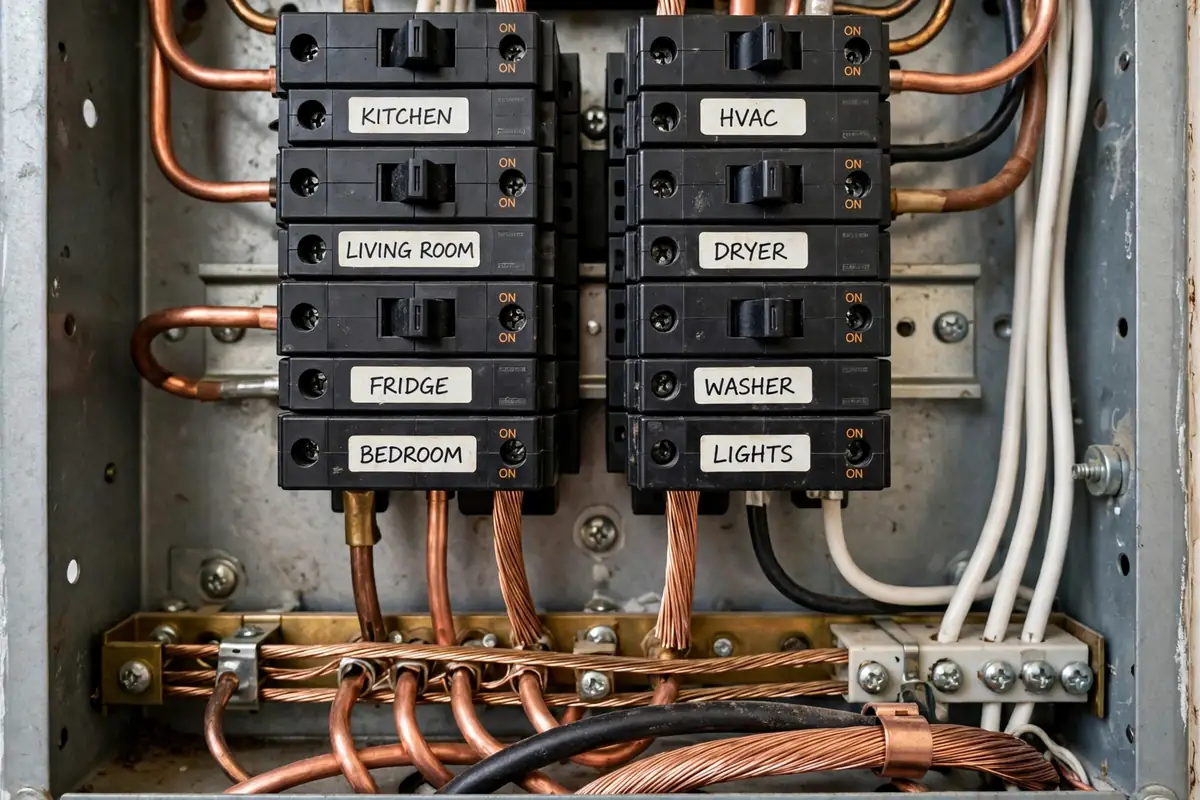
- ✅ Load calculation before every install — your panel's real capacity decides the circuit, so you never pay for work you don't need
- ✅ Florida-first expertise — surge protection, coastal hardware, and utility program guidance (Duke, FPL, TECO) built into every job
- ✅ All major charger brands — Tesla, ChargePoint, Wallbox, Emporia, Grizzl-E, Ford, Rivian, and more
EV Charging Services in Florida
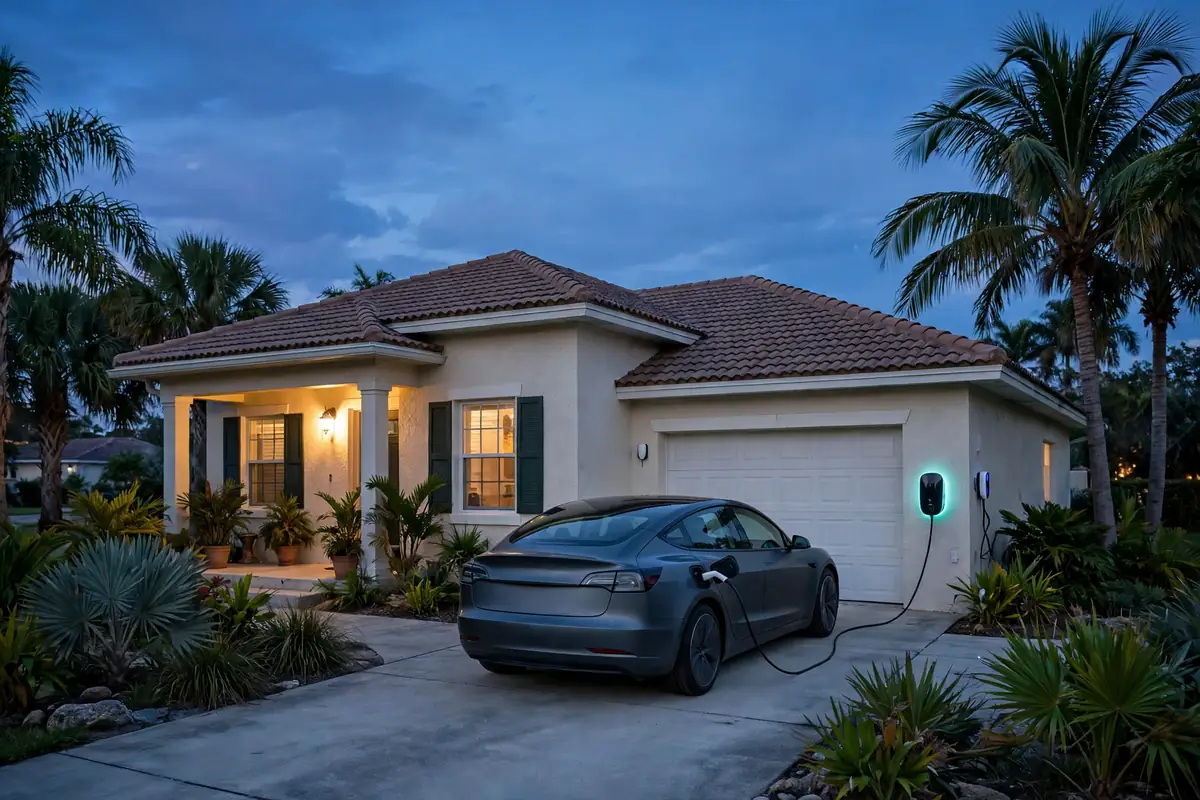
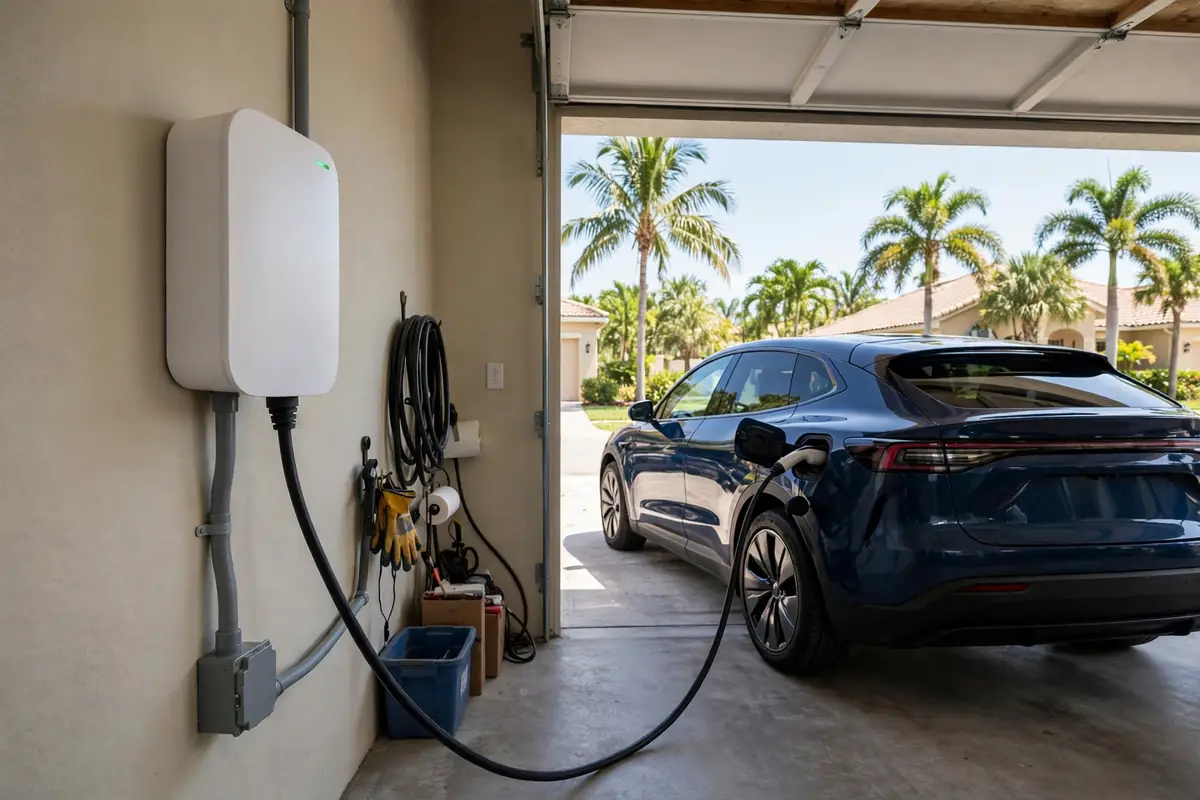 Residential EV Charger InstallationHome EV charger installation across Florida — Level 2 chargers, NEMA 14-50 outlets, and hardwired units for garages, driveways, and carports.
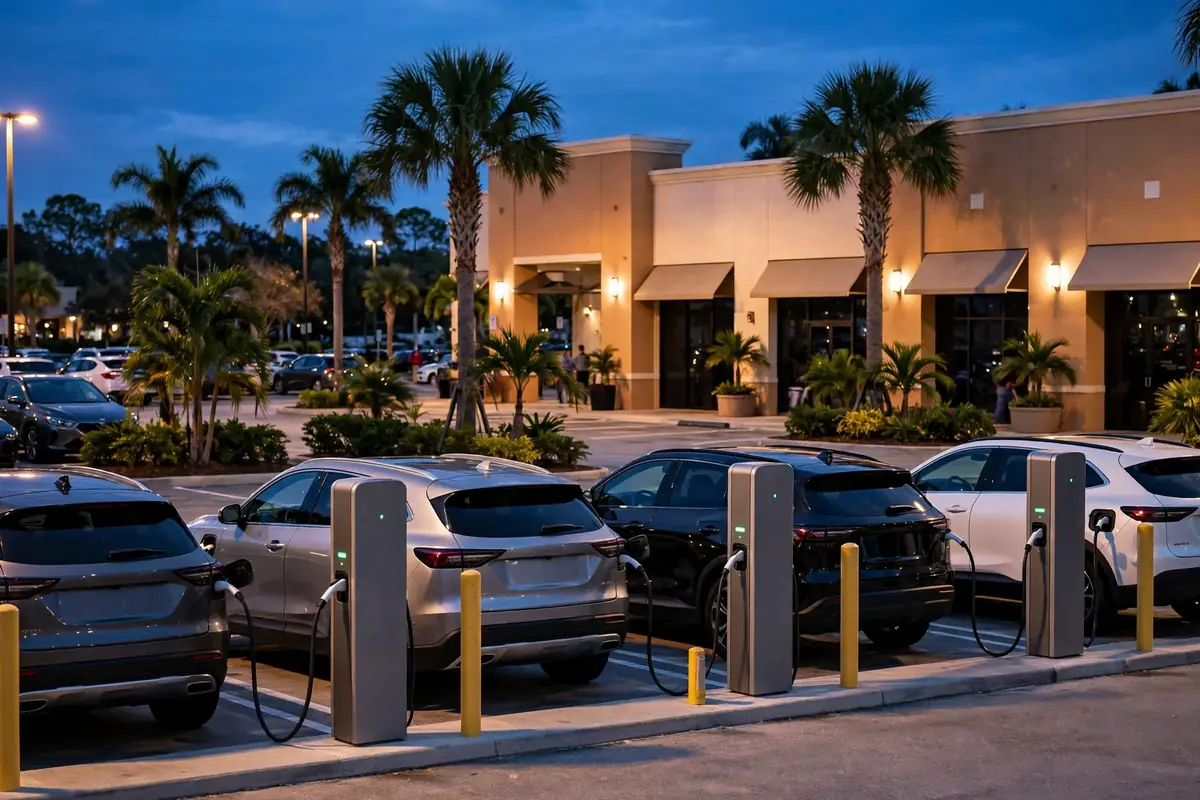
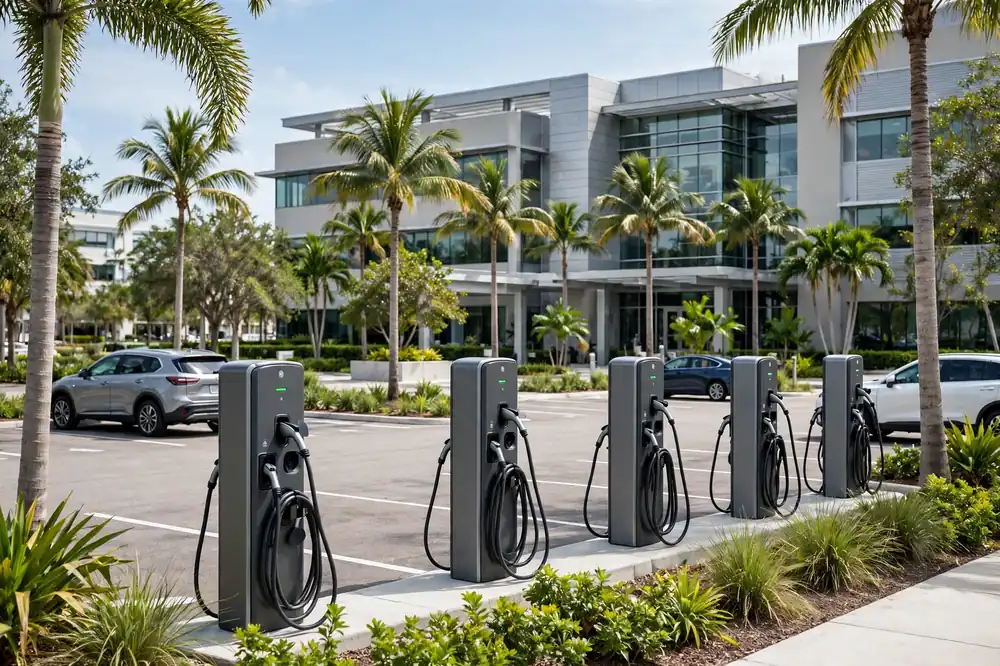 Commercial EV Charging Station InstallationWorkplace, retail, multifamily, and hospitality charging stations with load management and multi-port layouts for Florida businesses.
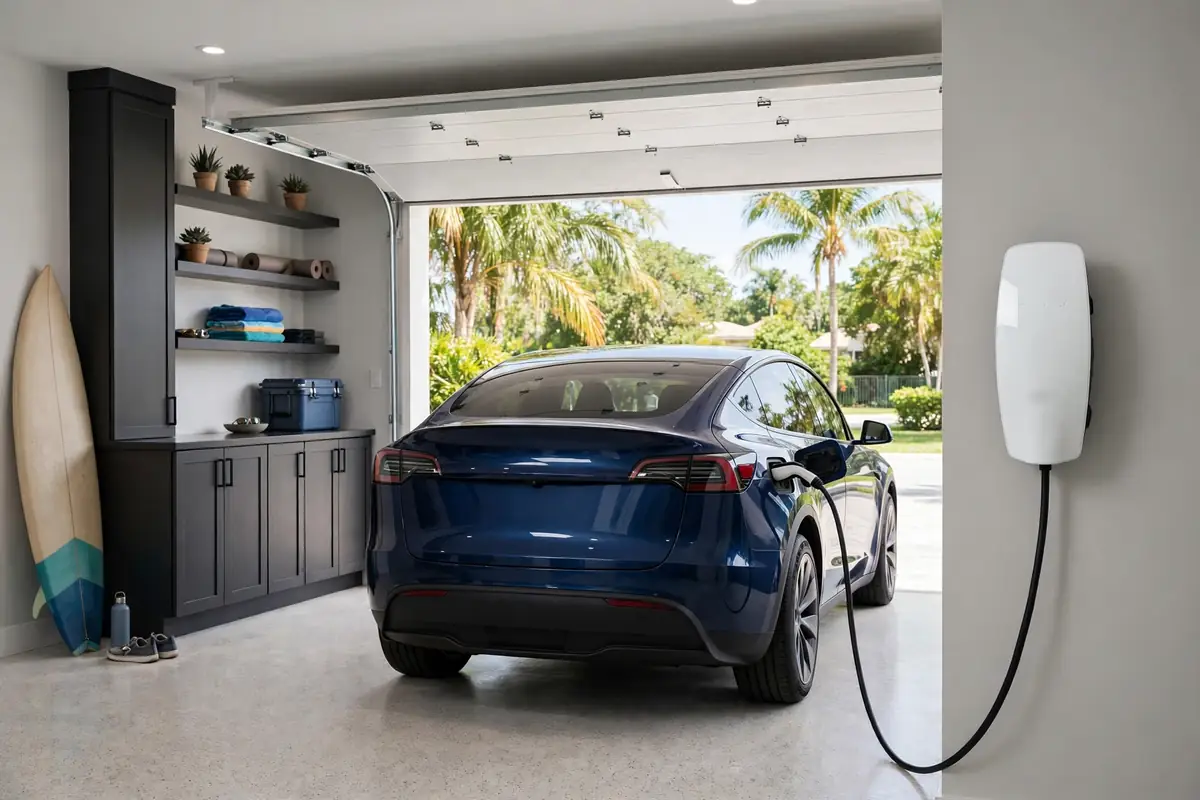 Tesla Wall Connector InstallationTesla Wall Connector and Universal Wall Connector installation for Model 3, Model Y, Model S, Model X, and Cybertruck — plus NACS and J1772 charging for every other EV.
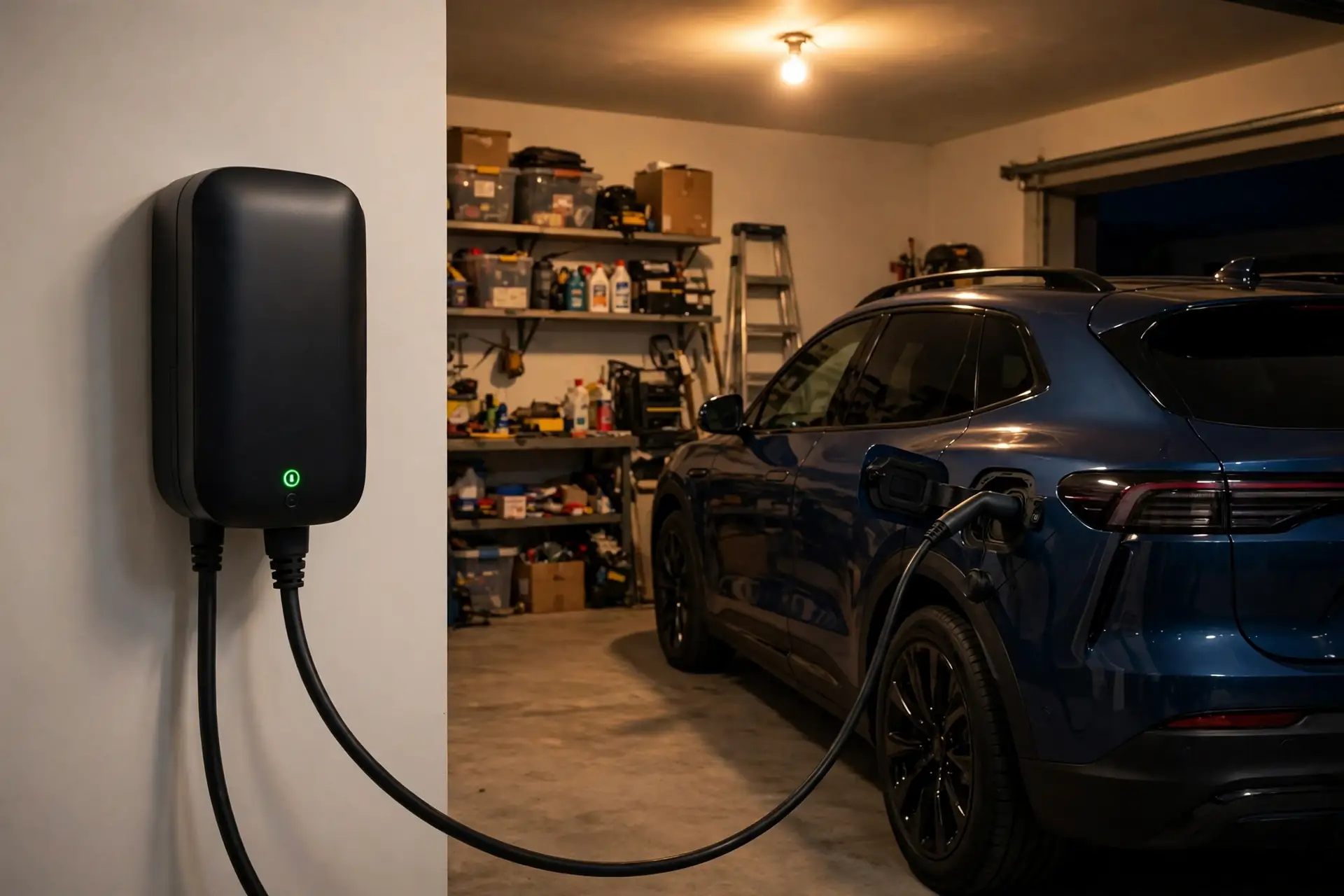 Level 2 EV Charger Installation240-volt Level 2 charging at 25 to 45 miles of range per hour — the overnight standard for Florida homes.
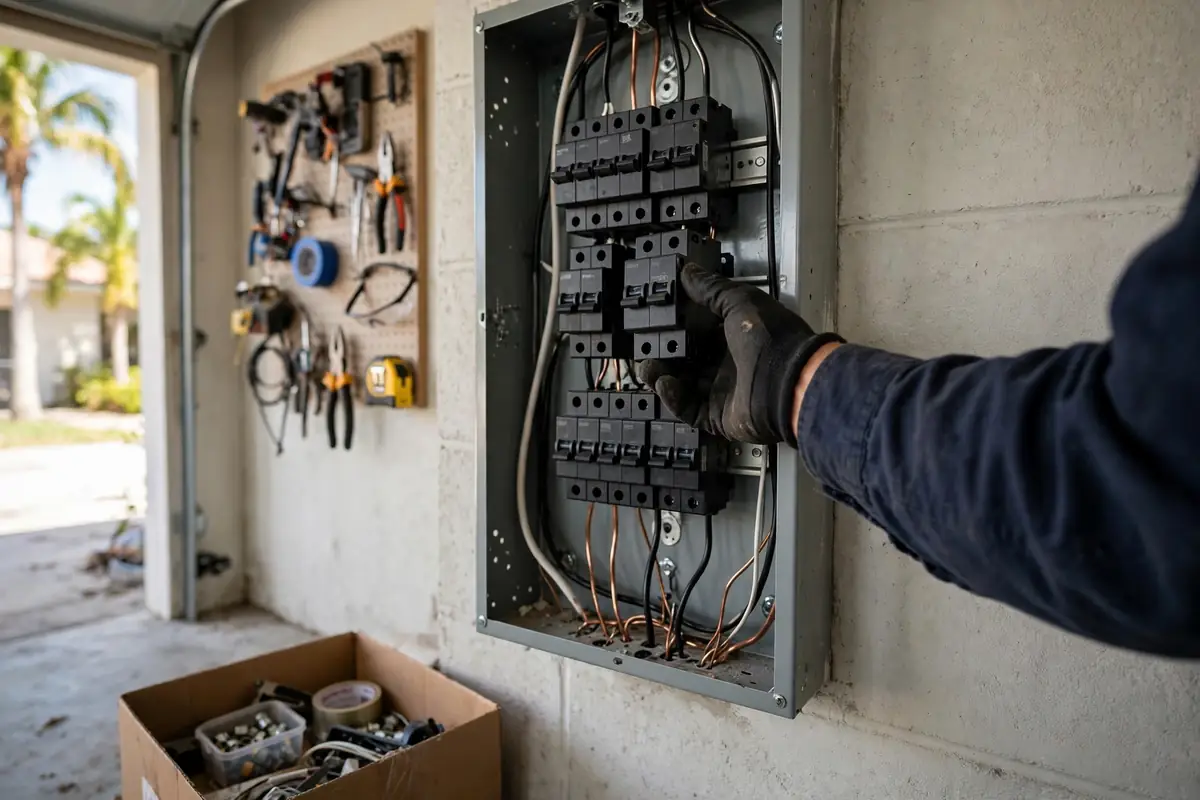 Electrical Panel Upgrade for EV ChargersPanel upgrades, subpanels, and load management so older Florida homes can charge safely at full speed.
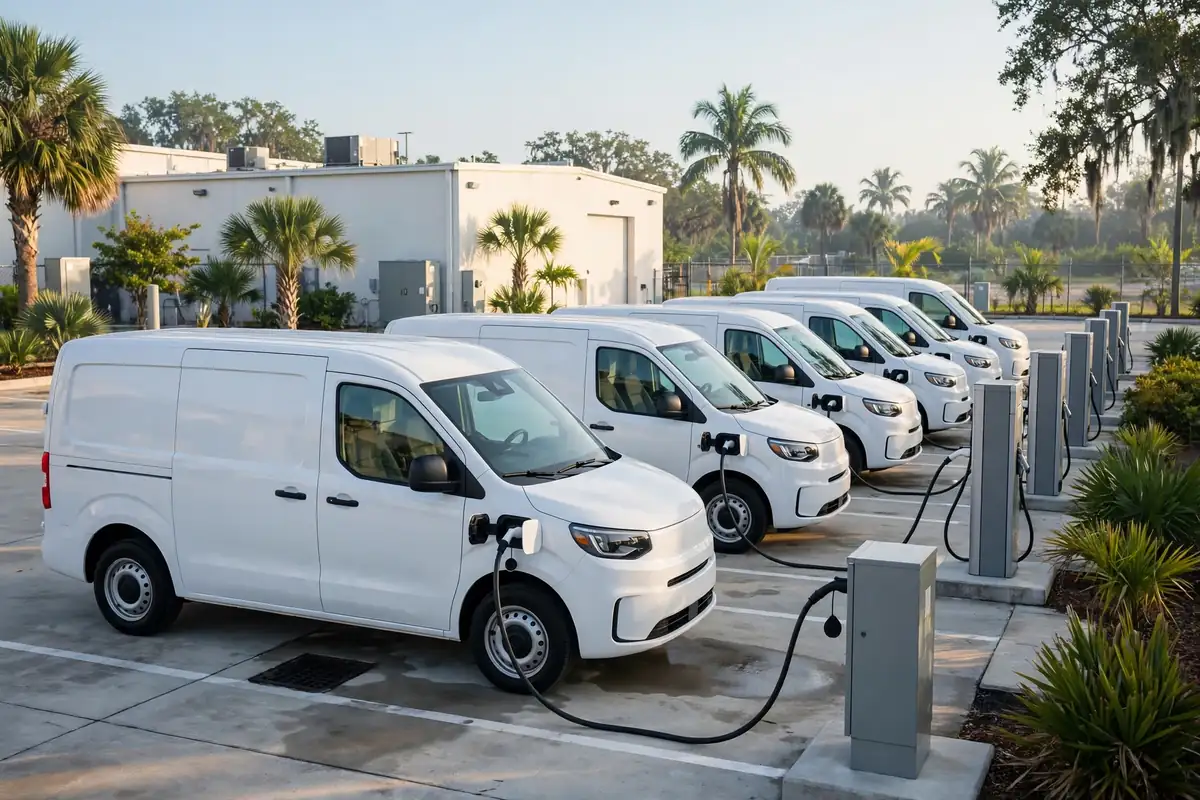 Fleet EV Charging InstallationDepot charging for Florida fleets — designed around routes, dwell times, and managed overnight power.
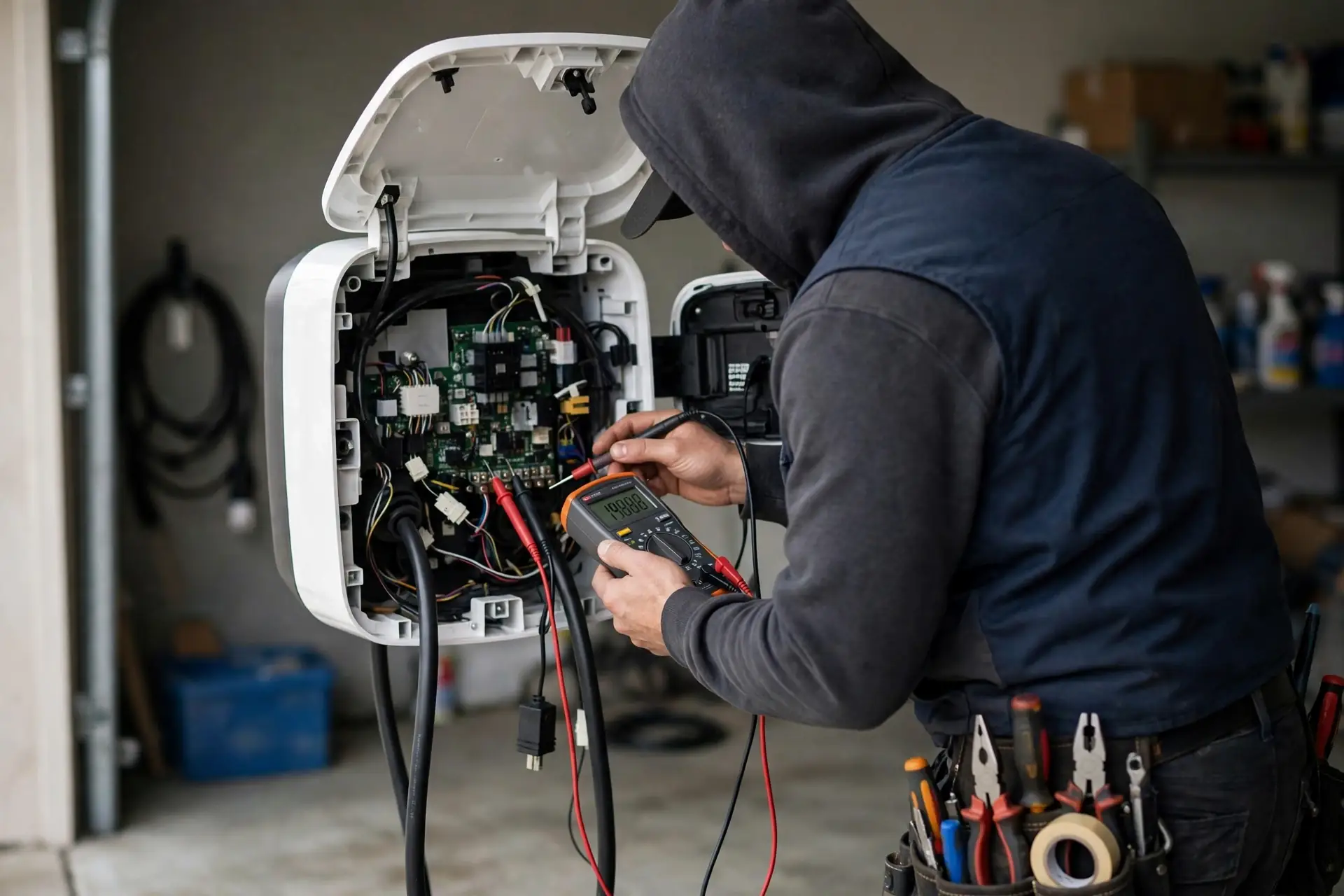 EV Charger Repair & MaintenanceDiagnostics and repair for chargers that trip, slow down, or stop — including units installed by others.
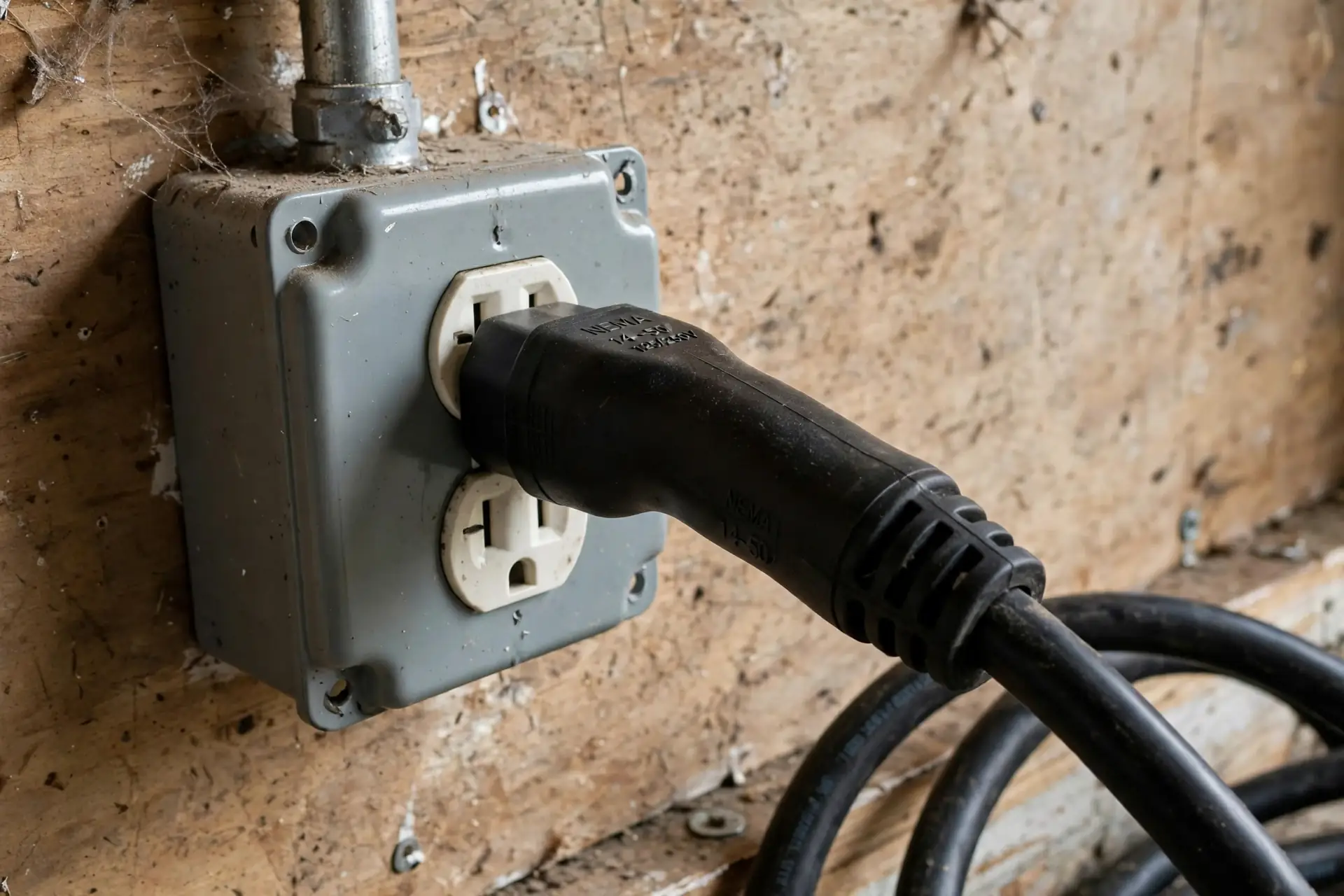 NEMA 14-50 Outlet InstallationIndustrial-grade 50-amp outlets for plug-in chargers and mobile cords — permitted, GFCI-protected, built for continuous EV duty.
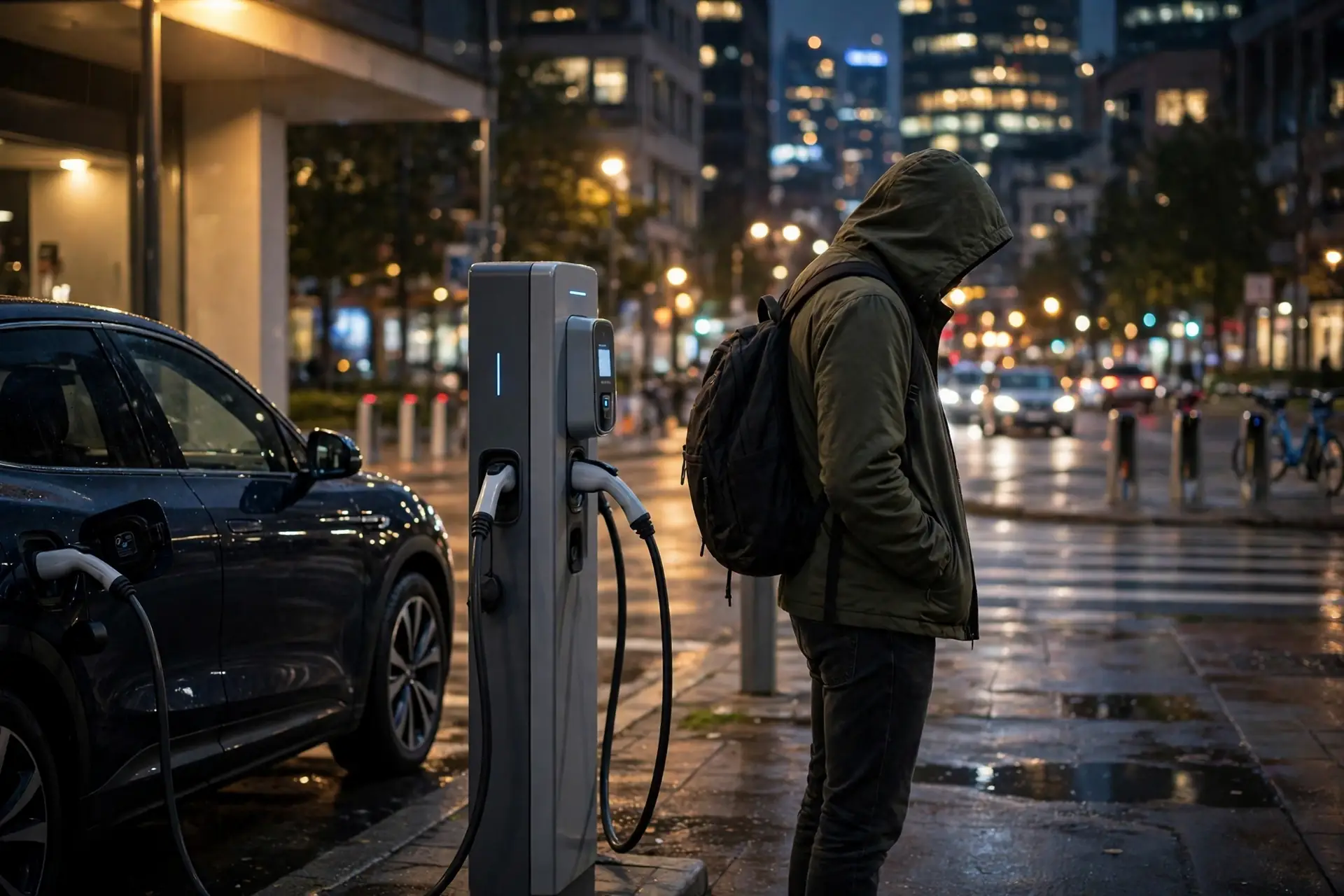
Public Charging Is Slowing You Down
Florida's public chargers cluster at shopping plazas and highway exits — rarely where your day actually ends. You drive out of your way, you wait with the car, and in August you do it in a parking lot hot enough to melt the plan. Road trips are what public charging is for. Your Tuesday commute is not.
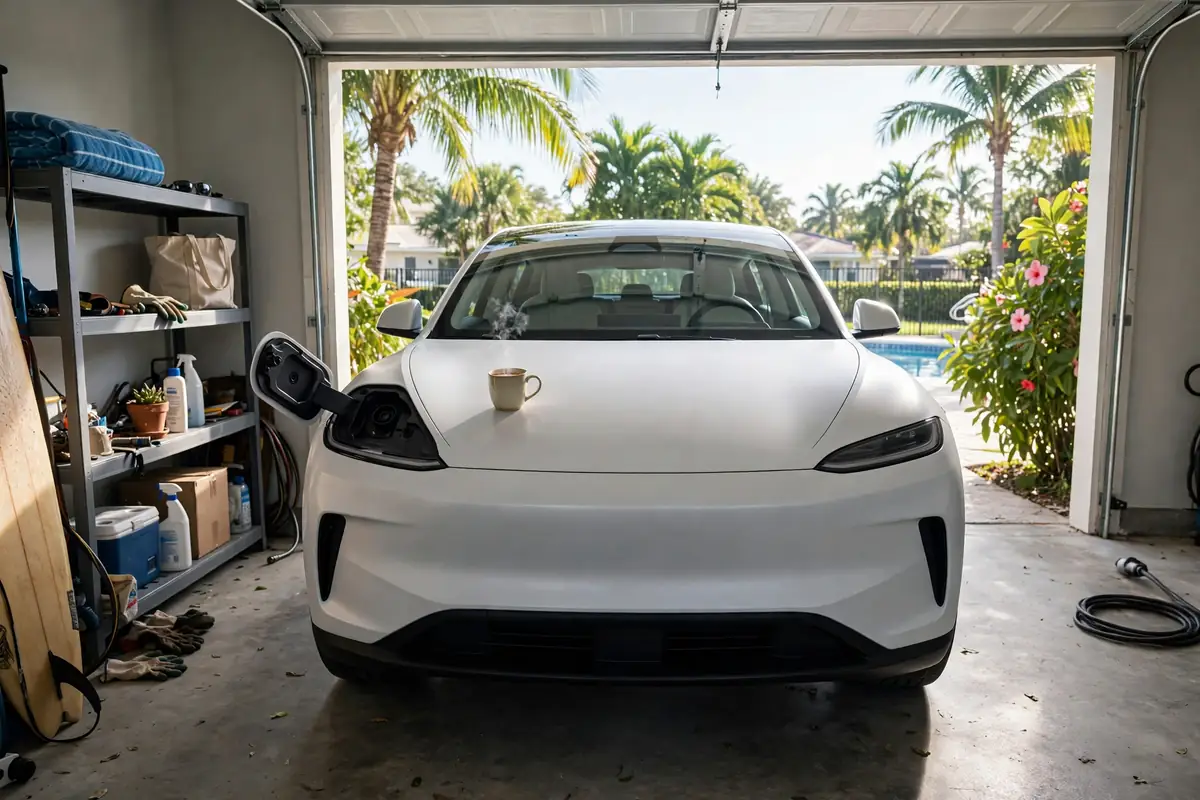
A Home Charger Installed the Right Way

A Level 2 charger in your garage or on your carport wall refills the car while you sleep — on overnight utility rates, under a permit, on a circuit your panel can honestly carry. It is the single upgrade that turns an EV from a logistics project into the easiest car you have ever owned. That is the product we install, in six Florida metros and counting.
How It Works
Step 1: Call and describe your setup
Your EV model, where you park, and what you know about your panel. Photos of the panel help us prepare before anyone visits.
Step 2: Load calculation and site assessment
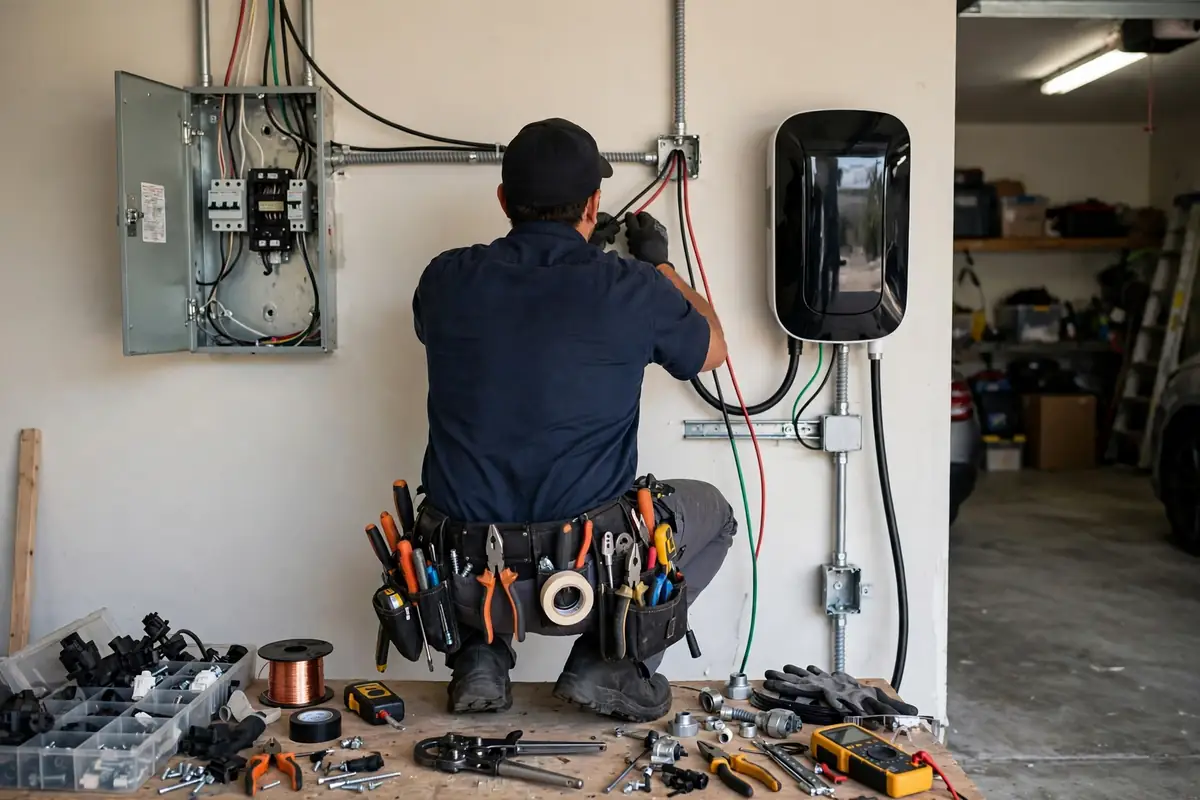
A qualified electrician checks your panel's real capacity, measures the circuit run, and confirms the charger location. You get a clear scope of work — no surprises mid-job.
Step 3: Permit and installation
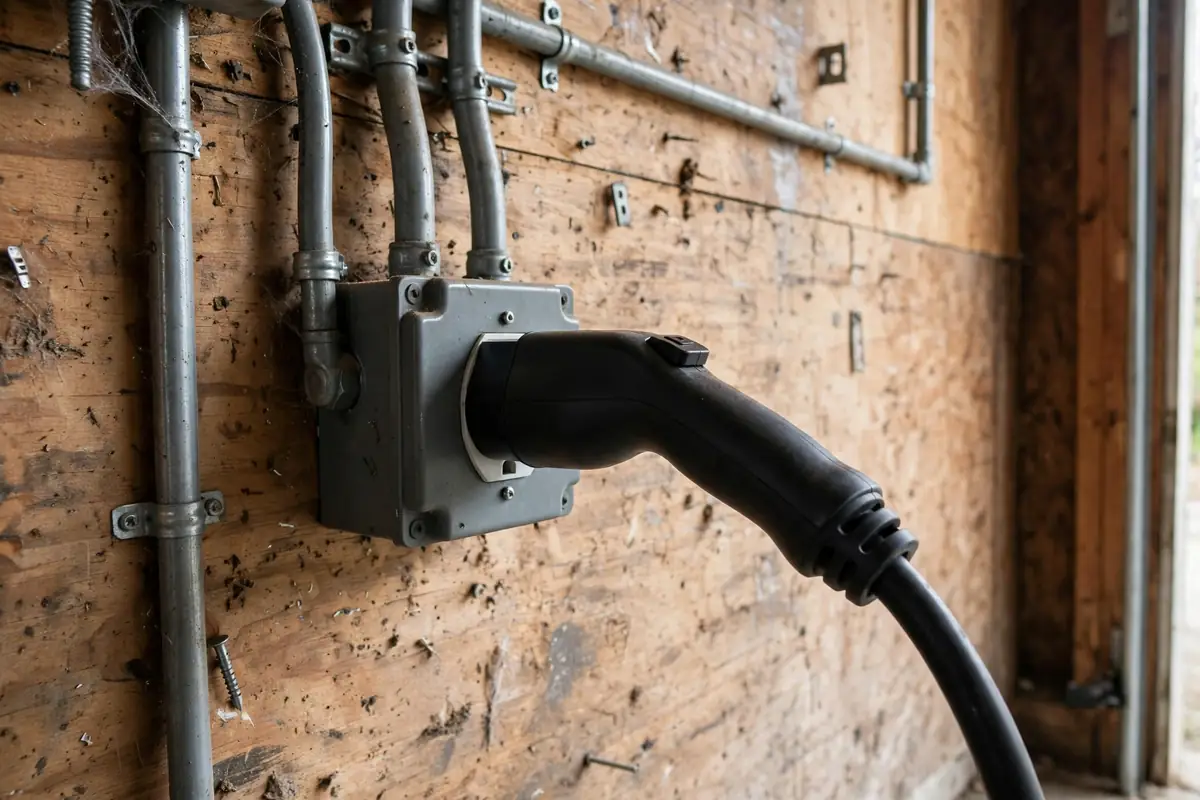
We pull the electrical permit, run the dedicated circuit, mount the charger or outlet, and configure it to the circuit it is actually on.
Step 4: Inspection and walkthrough
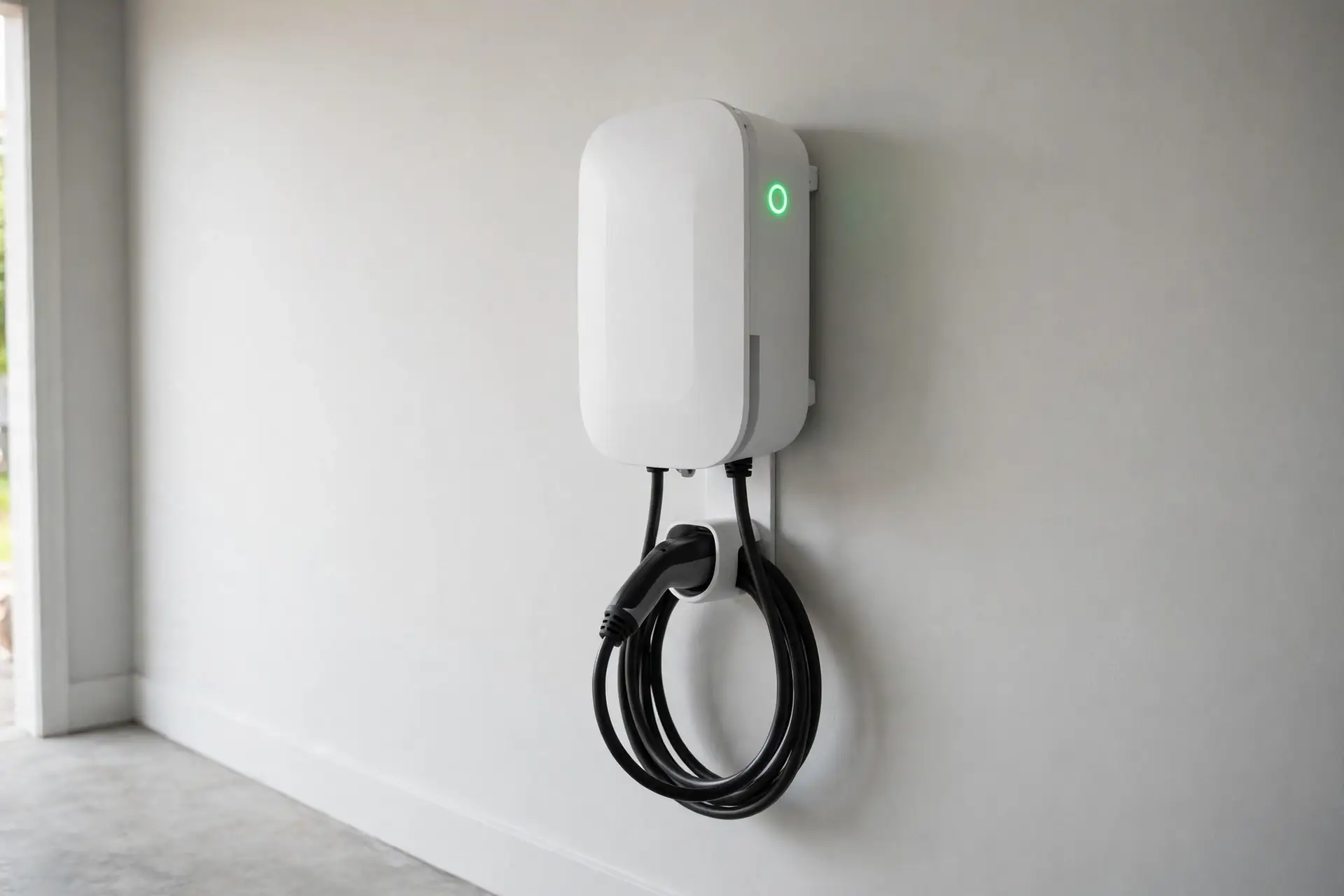
The city or county inspection closes the permit. Then we test-charge your car together and walk through the charger's app and scheduling features.
Level 1 vs Level 2 vs Level 3: Which Do You Need?
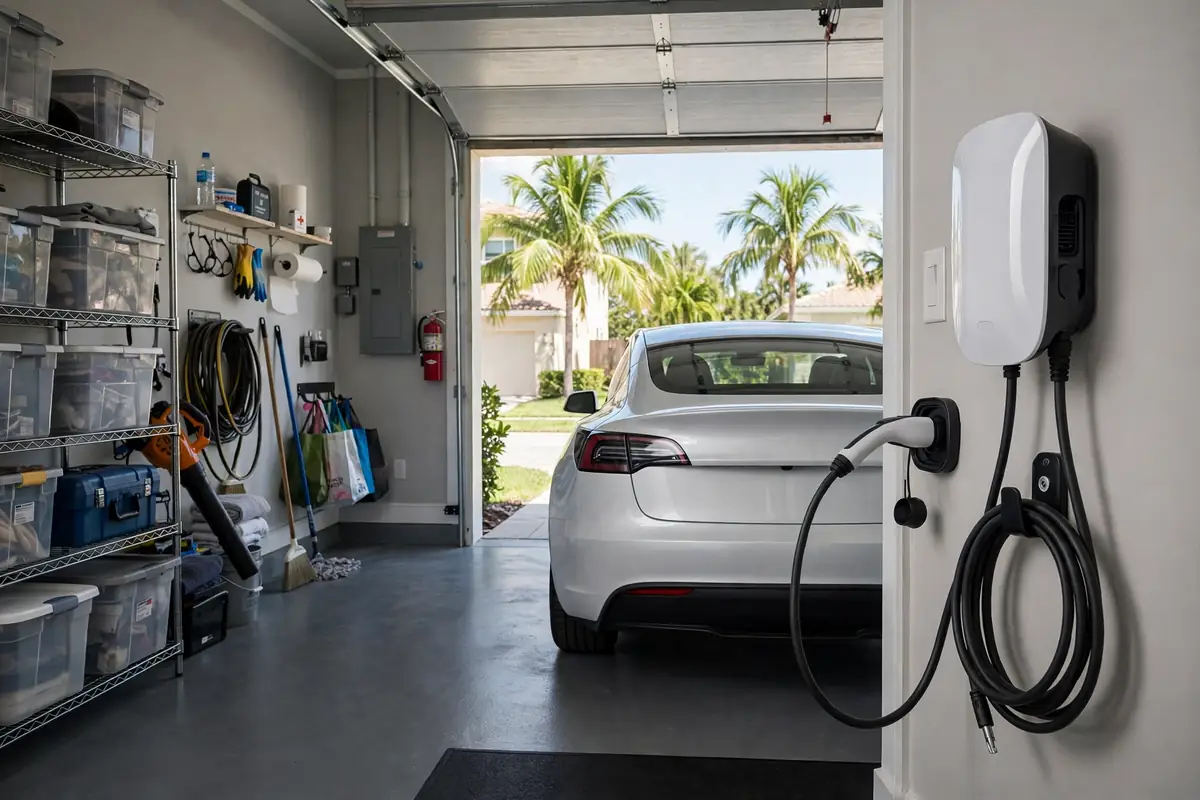
Level 1 is the outlet cord: 3 to 5 miles of range per hour, fine for hybrids, slow for real EVs. Level 2 is 240-volt home charging: 25 to 45 miles per hour, a full battery overnight, the standard we install. Level 3 is DC fast charging: commercial highway equipment that no home needs. For Florida driving — real commutes, real summer range loss — Level 2 is the answer for essentially every household.
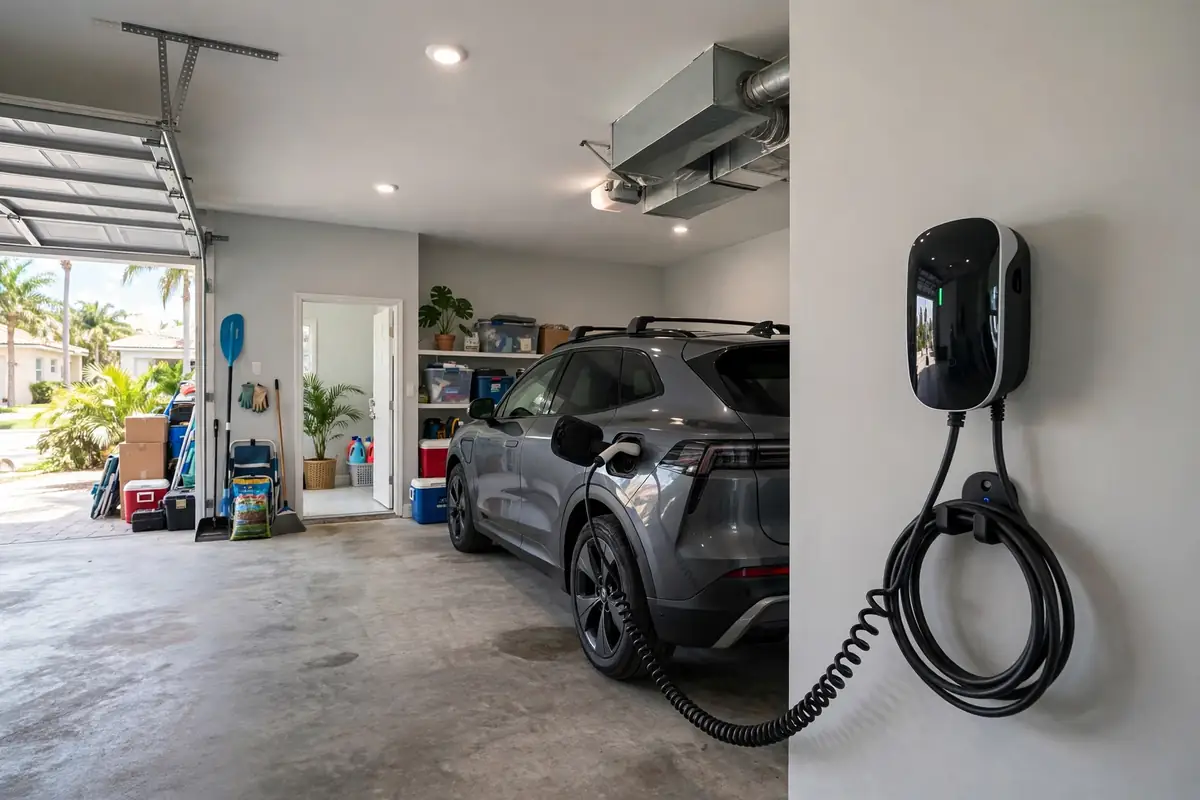
Recent EV Charger Installations in Florida
Service Areas: EV Charger Installation Across Florida
We install EV chargers throughout our Florida launch region, including:
In the Orlando area instead? Our sister site, Orlando EV Charger, covers Orange, Seminole, and Osceola counties — same standards, local team.
Florida Incentives, Explained Honestly
The federal home-charger tax credit ended on June 30, 2026 — anyone still advertising it is selling you a deadline that already passed. What actually exists in Florida: Duke Energy's Charger Prep Credit (up to 819 dollars) in Pinellas and Duke territory, FPL's EVolution Home subscription in the southeast, and TECO's commercial programs in Tampa. Our Florida incentives guide separates the real programs from the marketing.
Florida Code Specifics That Shape This Work
EV charging has its own article of the National Electrical Code — Article 625 — layered on the general rules Florida builds from. The practical consequences: charger loads are treated as continuous, so circuits are sized at 125 percent of the charging current; energy management systems are expressly recognized as a way to serve a charger on a panel that could not otherwise carry it; garage outlets need GFCI protection under the current code cycle; and the charger's configured amperage, its breaker, and its wire must form a matched set. These are not bureaucratic garnish. They are the difference between an installation an inspector signs and a hazard with a warranty card.
Storm Season Readiness
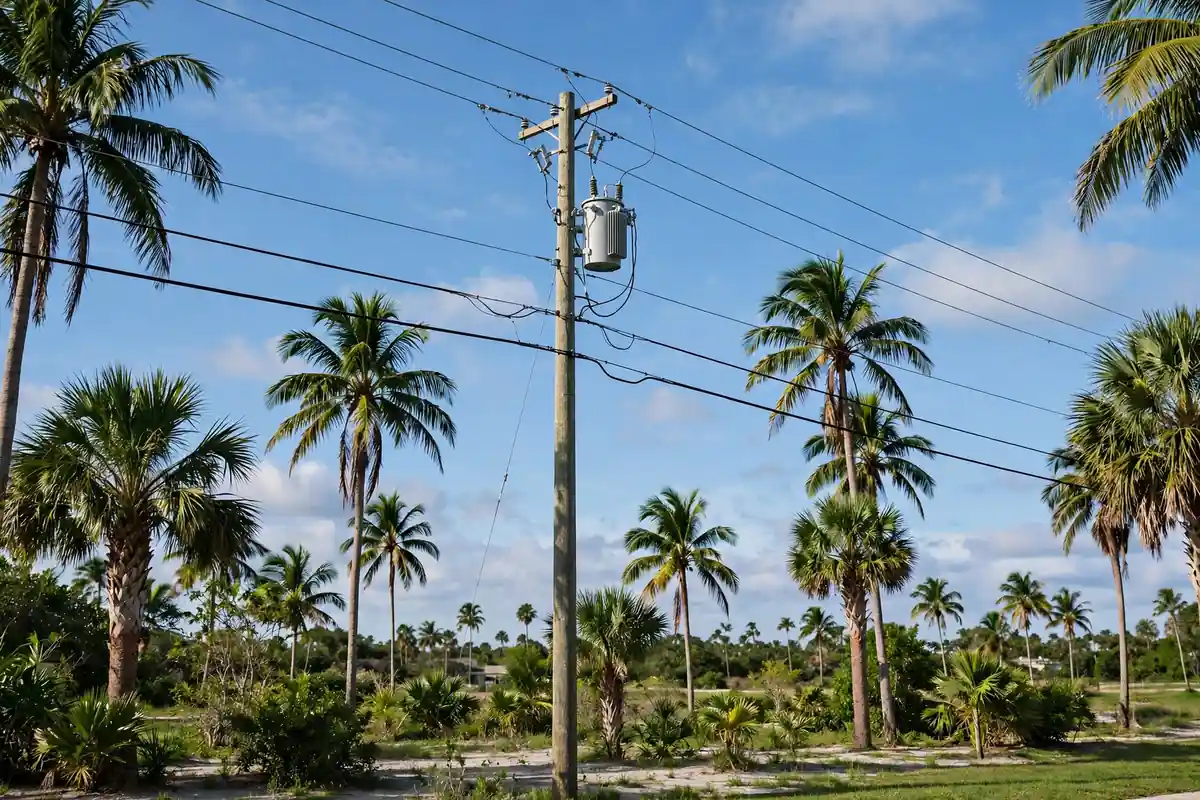
Every Florida electrical install should answer one question: what happens in the third week of September? For chargers, the answers are a surge protective device at the panel, sealed outdoor fittings, a homeowner who knows which breaker feeds the charger, and equipment inspected before re-energizing after any flooding. None of this is exotic or expensive at install time. All of it is dramatically more expensive as a repair. We build storm readiness into Florida installs by default rather than selling it as an upgrade.
Frequently Asked Questions
Do I need a permit for an EV charger installation in Florida?
Yes — a new 240-volt charger circuit is permitted electrical work everywhere we install. The permit, the inspection, and the paperwork are part of every job we do.
How long does EV charger installation take in Florida?
Once the permit is issued, a straightforward garage install takes a few hours. Panel work, long runs, and condo coordination add time; your assessment sets the real schedule.
Is my Florida home's panel big enough for a Level 2 charger?
Often yes, sometimes with help. The NEC load calculation gives the answer — and where capacity is short, load management or a panel upgrade bridges the gap.
Can my Florida HOA or condo board stop me from installing a charger?
For condos, Florida law (section 718.113, Florida Statutes) protects a unit owner's right to install in their assigned parking space, subject to reasonable association conditions. HOA rules vary more, but approvals are routine when the paperwork is done properly — we help with it.
Should my charger be hardwired or plugged into a NEMA 14-50 outlet?
Hardwired for full 48-amp speed and outdoor durability; plug-in for 40 amps and portability. Both are code-compliant when installed correctly — our service pages compare them in depth.
Does Florida weather affect outdoor EV charger installations?
Yes — heat, humidity, salt air, and lightning all shape a Florida outdoor install: weather-rated equipment, sealed fittings, shade where possible, and panel surge protection. Our outdoor installation guide covers the full checklist.
Do you install EV chargers near me?
Our launch metros are West Palm Beach, Boca Raton, Tampa, St. Petersburg, Clearwater, and Fort Lauderdale. Central Florida is covered by our sister site in Orlando. Call and ask about your street — coverage grows with demand.