Factor 1: Your Panel's Spare Capacity
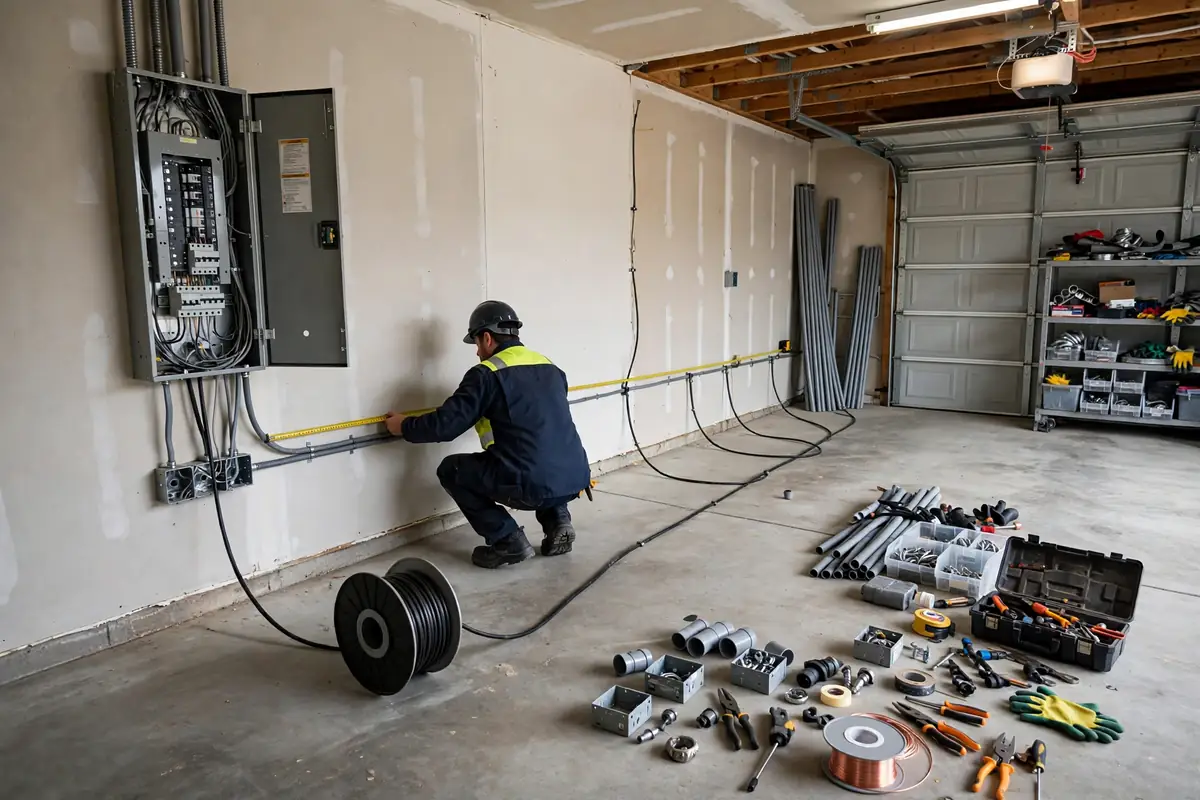
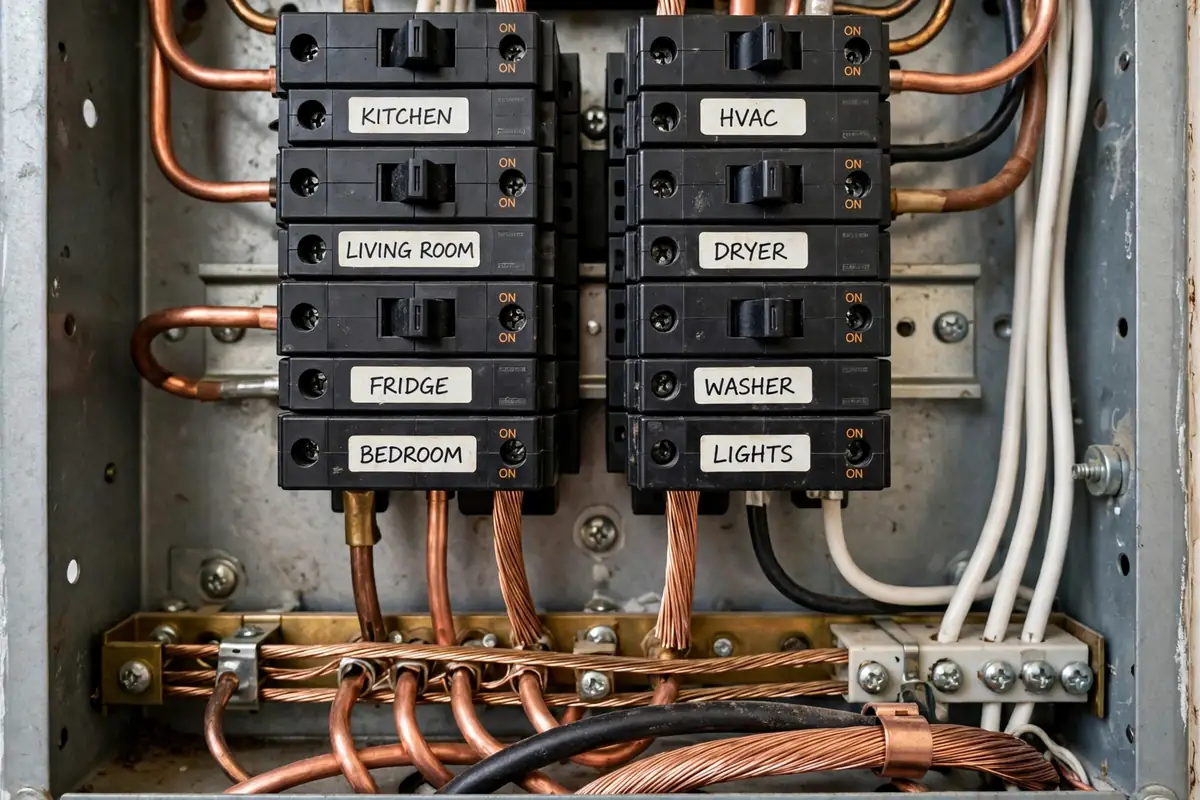
The load calculation decides the job's shape. A 200-amp panel with open breaker spaces is a charger's best friend. A full 100-amp panel opens a decision tree: configure the charger smaller, add load management, or upgrade the panel. That single branch is the largest cost swing in residential EV work, and it is why any quote given without looking at your panel is fiction. Our panel upgrade service explains the three paths.
Factor 2: The Run — Distance and Route
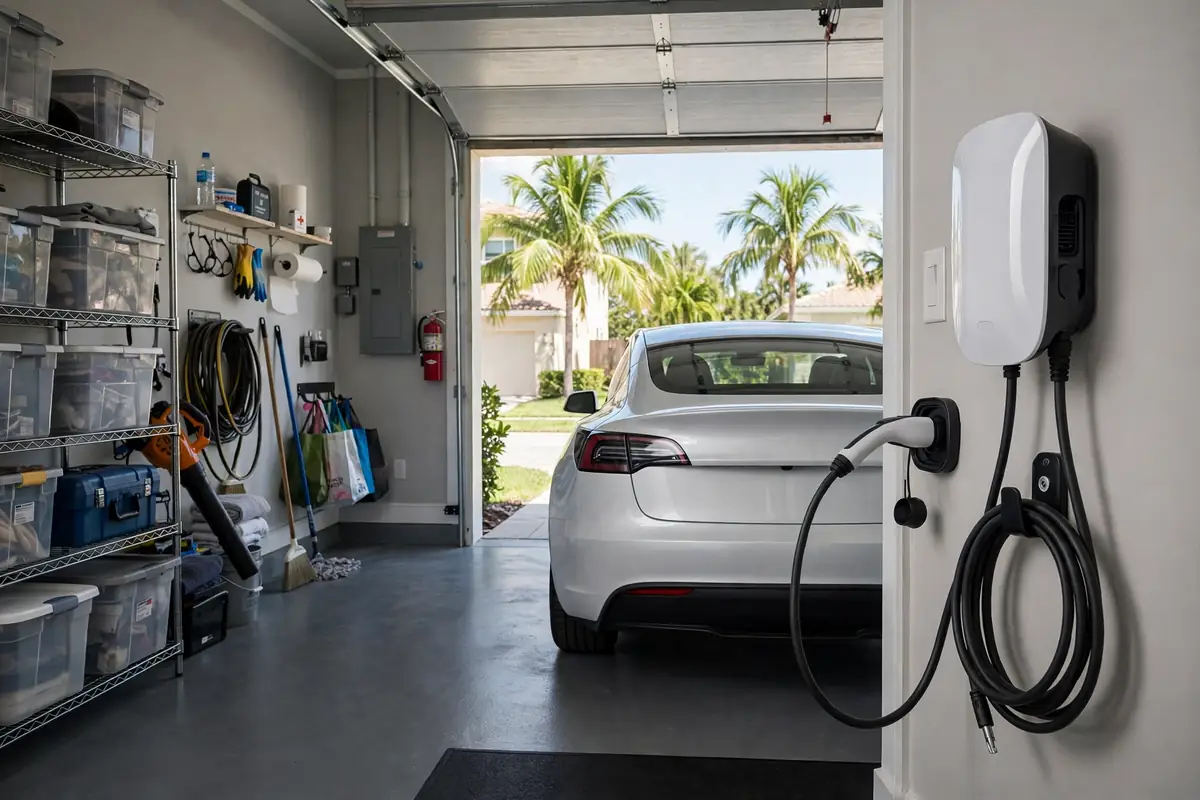
Copper, conduit, and labor are priced by the foot and by the obstacle. Panel in the garage, charger on the same wall: the short story. Panel inside the house, charger on a carport across the yard: trenching, weatherproof conduit, possibly a subpanel. Florida adds its own wrinkles — runs through hot attics, across lanais, and under driveways all price differently, and coastal work may call for corrosion-resistant hardware.
Factor 3: The Charger and Circuit Size
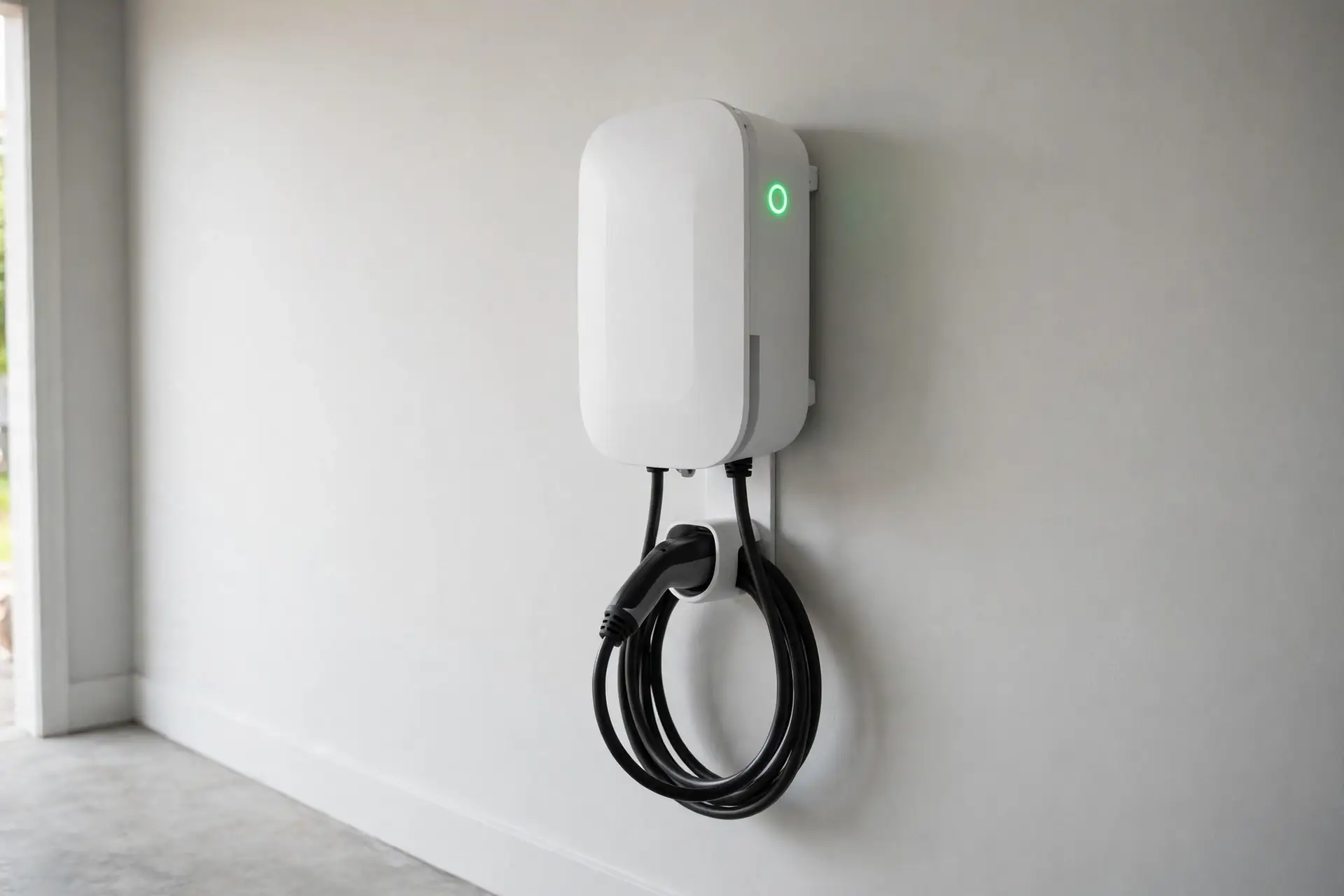
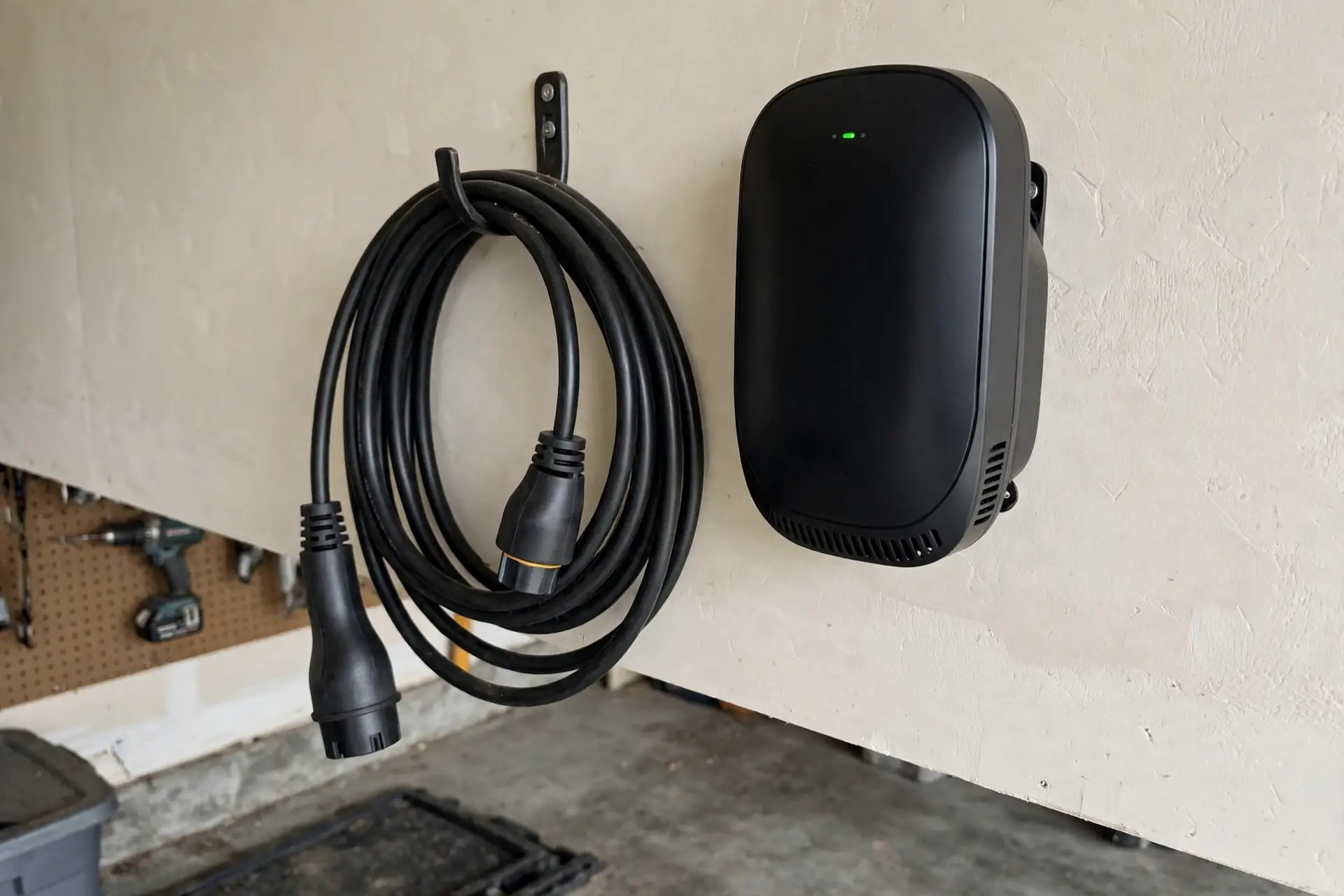
A 40-amp plug-in setup on a NEMA 14-50 outlet and a 60-amp hardwired Wall Connector differ in hardware, wire gauge, and breaker. Bigger circuits need heavier copper — the wire alone separates quotes. Match the circuit to your car's actual acceptance rate; paying for 48-amp capacity your car caps at 32 is the most common waste we see. Our Level 2 guide covers the sizing logic.
Factor 4: Permits, Inspections, and Jurisdiction

Every install includes a permit and an inspection, priced by your city or county — modest, fixed, and different in Tampa than in Boca Raton. Condo and HOA properties add coordination time rather than permit cost: association applications, insurance certificates, sometimes an engineering letter for shared garages.
Factor 5: The Florida Extras Worth Paying For
Surge protection at the panel (lightning season is not a metaphor), weather-rated enclosures and sealed fittings outdoors, and mounting that survives a storm-season garage. These line items look optional in a quote comparison and essential in a claims adjuster's report. Cheap quotes usually omit exactly these.
Factor 6: Utility Programs Change the Net Number
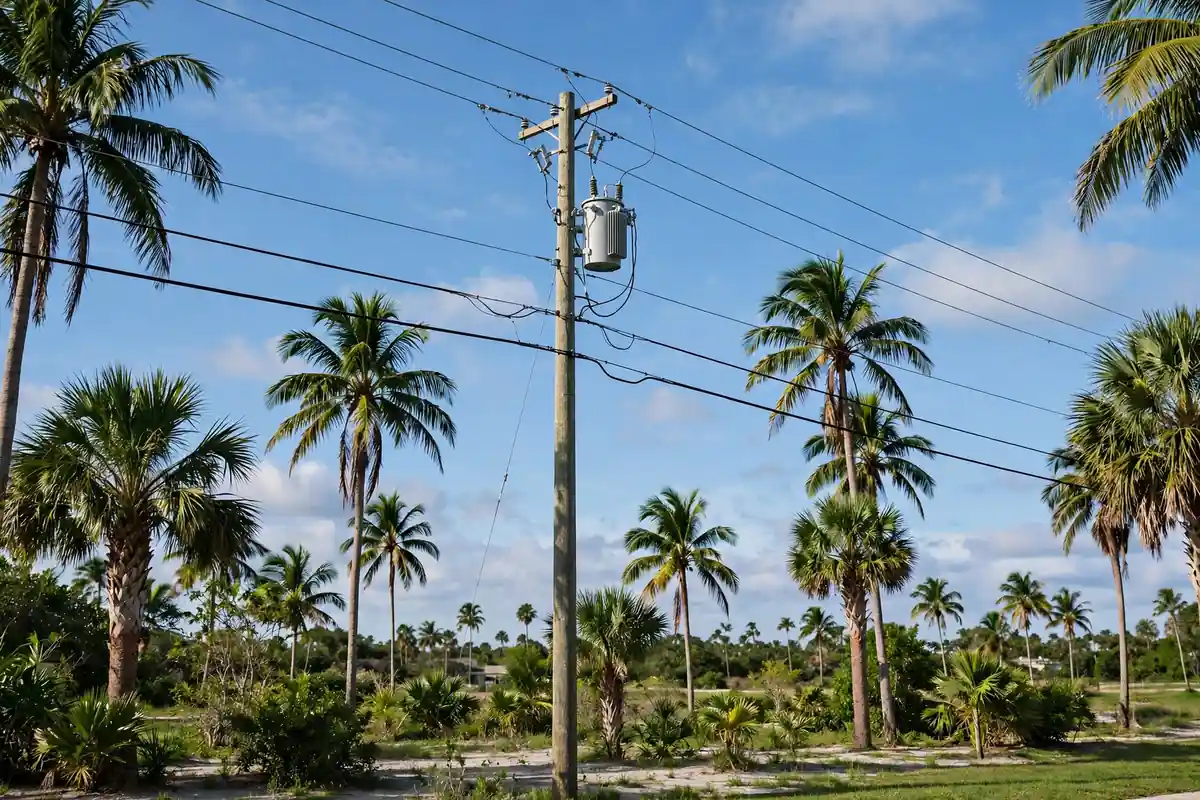
In Duke territory, the Charger Prep Credit (up to 819 dollars) offsets prep work directly. In FPL territory, the comparison is ownership versus EVolution's monthly subscription — a financing decision disguised as a program. In TECO territory, no residential help exists, and your savings lever is the time-of-use rate. Read our incentives guide before comparing quotes, so you compare net costs, not sticker prices.
How to Read a Quote
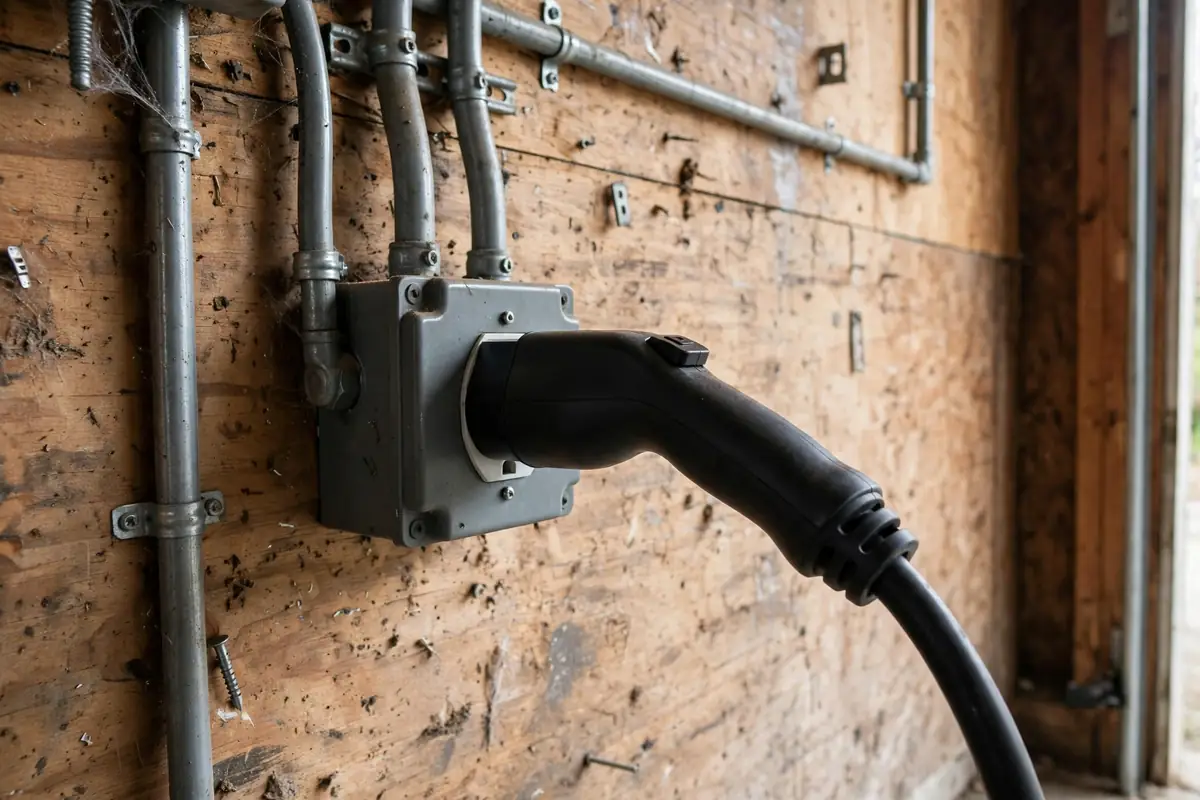
A good Florida EV quote itemizes: the load calculation result, the circuit size and route, the charger or outlet specified by model and grade, permit and inspection, surge protection if included, and the warranty on the workmanship. A single lump number with none of that is not a quote — it is a guess with a signature line. Ask for the itemization; every serious electrician will produce it.
Three Florida Homes, Three Honest Quotes
A New Tampa home built in 2015: 200-amp panel in the garage, charger on the same wall — the simple end of the spectrum, a circuit and a unit. A 1926 Old Northeast bungalow: 100-amp panel, detached garage, alley access — the quote carries load management or panel work plus a trenched run, and every dollar of the difference is visible in the yard. A Sand Key condo: modest electrical work, heavyweight process — association application, metering design, shared-garage logistics. Same charger in all three. Anyone who quotes them the same number has not seen at least two of the houses.
Where Quotes Hide Risk
Compare quotes for what they exclude. No permit line means the 'savings' is your liability. No surge protection in Florida is a gamble itemized as a discount. A charger model named without a grade — especially a 14-50 outlet without the word 'industrial' — is a substitution waiting to happen. And a quote with no load calculation behind it is priced for the house the quoter imagines. Itemization is not pedantry; it is the only version of the number that can be wrong in checkable ways.
The Cheapest Install Is the One Done Once
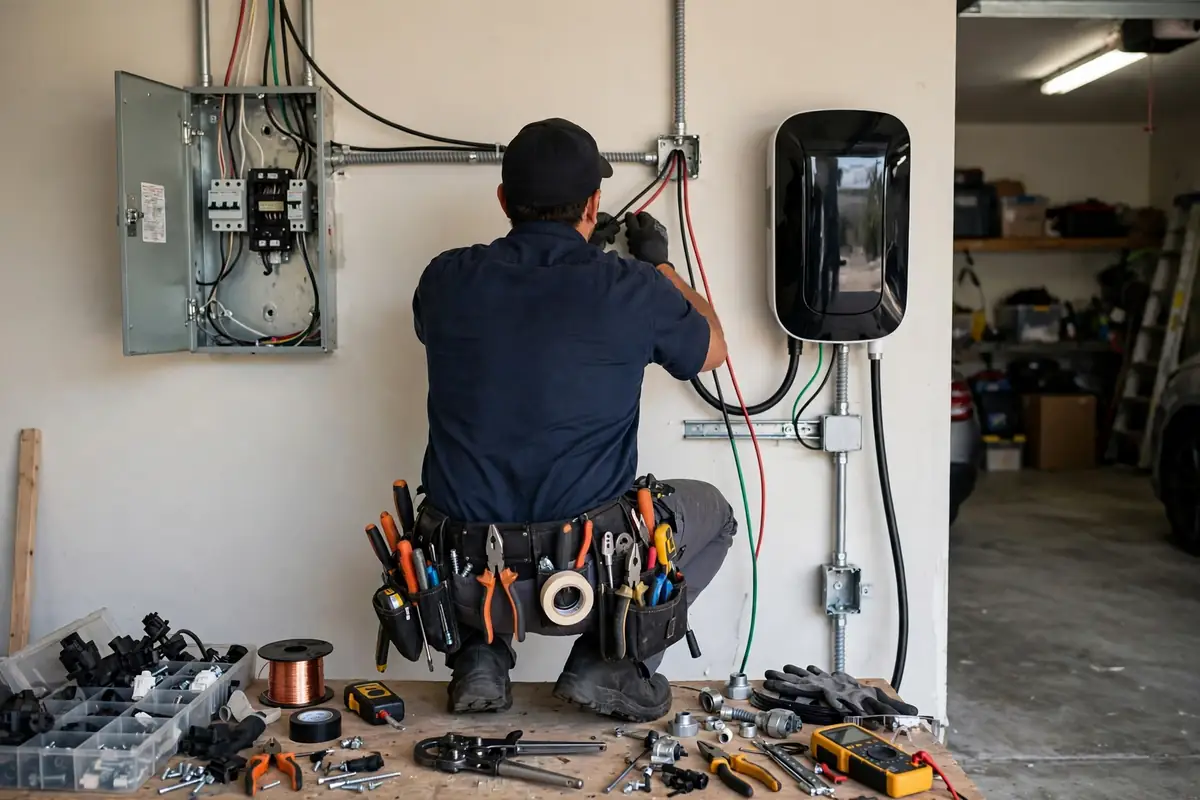
Every cost conversation should end with the most expensive sentence in home improvement: 'we will fix it later.' An undersized circuit 'fixed later' is two electrician visits and possibly a second permit. A cheap outlet replaced after it scorches is a repair plus the outlet you should have bought. An unpermitted install cured at resale is a fee plus a delay inside a closing. The factors in this guide are not a menu for maximal spending — right-sizing is real, and we recommend smaller circuits proudly when they fit. They are a map of where 'later' hides, so your one install is the only install.
Getting a Quote You Can Actually Compare
If you take one practice from this guide, take this: ask every quoter the same five questions and write the answers in a row. What did the load calculation show? What circuit size and route? Which charger or outlet, by model and grade? Is the permit and inspection included, and who files? Is surge protection in the number? Quotes that survive the five questions can be compared on price honestly; quotes that dodge them are priced on a house that may not be yours. The electrician you want is the one who seems relieved you asked.
Frequently Asked Questions
Why do EV charger installation quotes vary so much in Florida?
Because the houses vary. Panel capacity, circuit distance, and jurisdiction drive most of the difference; two quotes for the same charger can both be fair for different homes. Compare itemizations, not totals.
Is the charger itself the expensive part?
Usually not. Quality home chargers are a few hundred dollars of hardware; the electrical work — circuit, panel capacity, labor, permits — is where quotes are won and lost.
Can I lower the cost by choosing a smaller circuit?
Yes, legitimately. A 32- or 40-amp circuit uses lighter wire and may avoid panel work entirely, and it still fills most cars overnight. Right-sizing is the honest discount.
Does Duke's credit really reduce my cost?
Yes — up to 819 dollars toward preparation work in Duke Energy Florida territory, which covers much of the panel and wiring scope on many installs. Permit fees are excluded.
Why do some quotes include surge protection and others don't?
Because it is a judgment call some installers skip to win on price. In Florida's lightning climate we treat panel surge protection as part of a complete job; ask any quoter whether it is included.
Should I get multiple quotes for a charger install?
Yes — and compare them line by line with the factors above. The cheapest lump sum often excludes permits, surge protection, or the panel work your home actually needs.