Home Charging Built for Port St. Lucie Homes
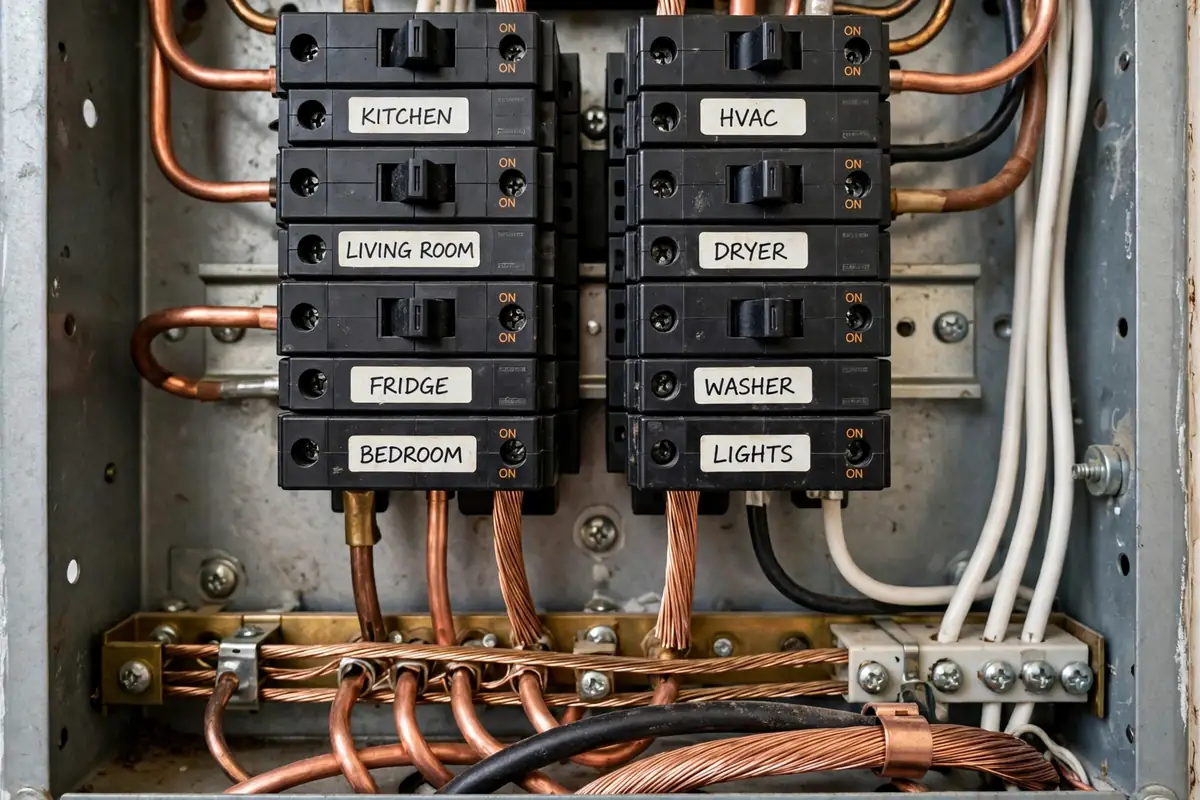
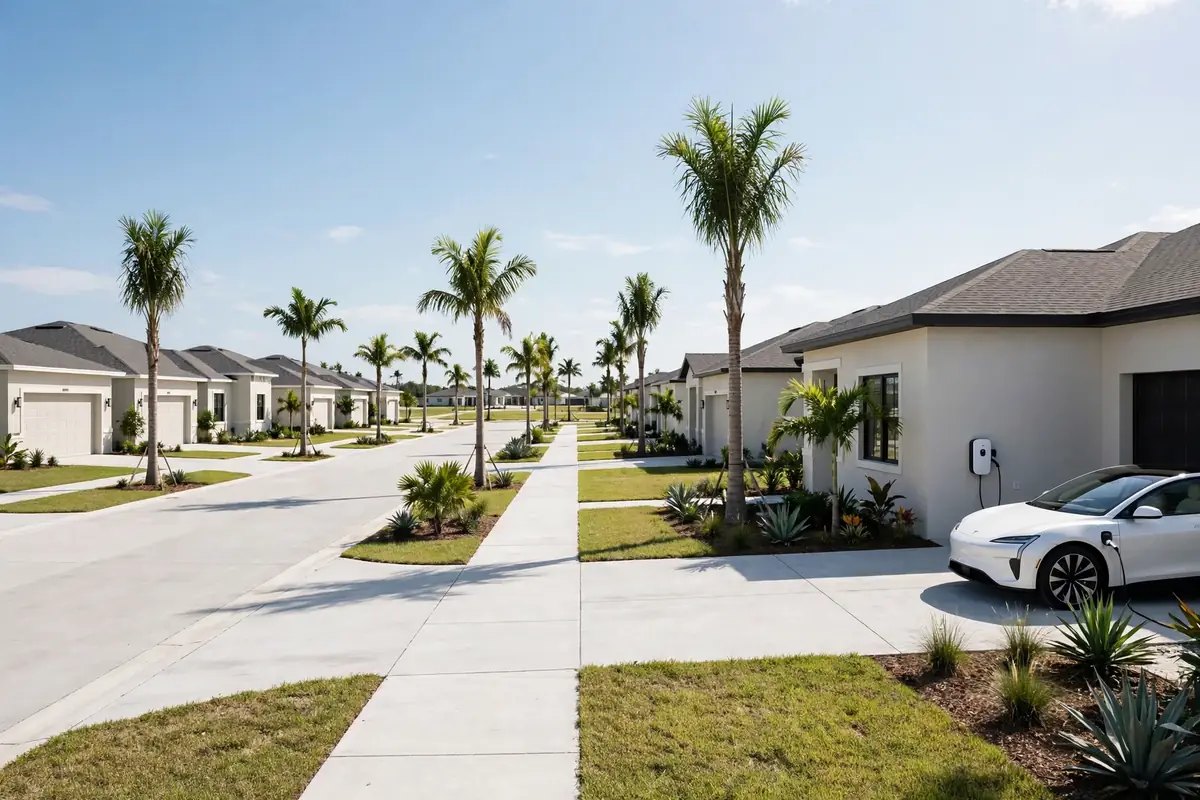
The city's housing divides into two electrical generations. The new generation — Tradition, St. Lucie West, and the subdivisions still rising along the western edge — was built for modern loads: 200-amp panels, generous garages, and roofs increasingly carrying solar. Panels there are rarely the problem; placement, permits, and association standards are the craft. The older generation — River Park, Sandpiper Bay, Southbend, Floresta — is 1970s-through-90s Florida stock whose 100- and 150-amp services have been accumulating air conditioning, pools, and kitchen loads for decades. There, the load calculation leads the job, and load management often leads the answer.
Our electricians work both generations every week. The install plan always starts from which Port St. Lucie you live in.
The Commuter Arithmetic of the Treasure Coast
Port St. Lucie is a commuter city by design — tens of thousands of residents run I-95 or Florida's Turnpike south to Stuart and West Palm Beach every morning, and a growing share work in Tradition's own medical and research district. That is 60 to 100 miles a day, every day, on a schedule. Public charging cannot carry arithmetic like that; the stations along St. Lucie West Boulevard and US-1 are built for travelers, not for a 6 a.m. departure that cannot slip. Home charging is the only version of this life that adds up: plug in at the door, fill overnight in FPL's quiet hours, leave full. For this city's driving pattern, the home charger is not an amenity — it is the fuel system.
EV Charging Services in Port St. Lucie, FL
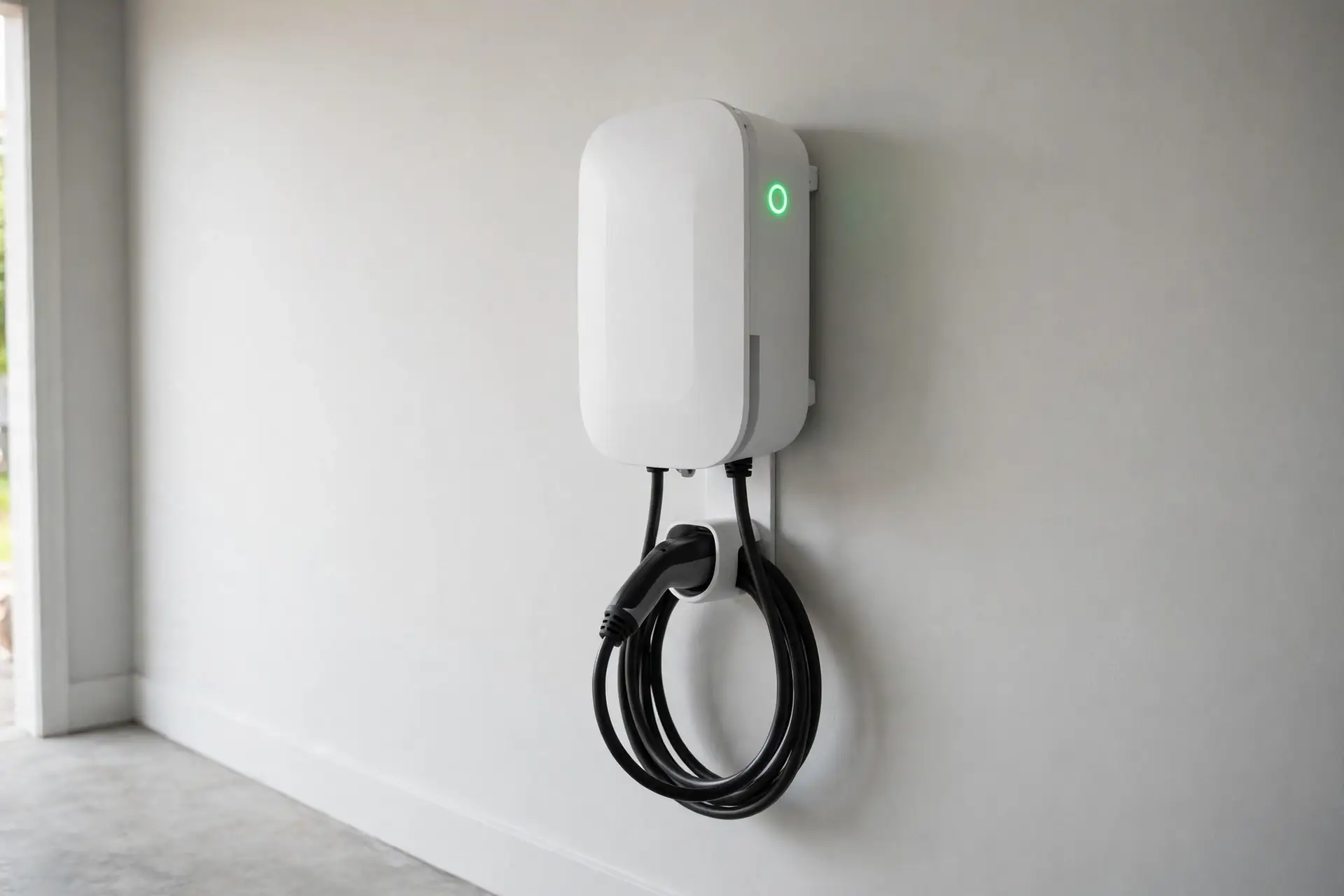
- Residential EV Charger Installation — Home Level 2 installs matched to Port St. Lucie housing, from River Park ranch homes to Tradition new builds.
- Tesla Wall Connector Installation — Wall Connector and Universal Wall Connector installs across Port St. Lucie.
- Level 2 EV Charger Installation — 240-volt charging for every EV make, hardwired or plug-in.
- Panel Upgrade for EV Chargers — Capacity answers for older St. Lucie panels, load management before replacement.
- Commercial EV Charging — Workplace, hospitality, and multifamily charging in St. Lucie County.
- EV Charger Repair & Maintenance — Diagnostics and repair for chargers that quit, trip, or slow down.
Do You Really Need a Panel Upgrade in Port St. Lucie?
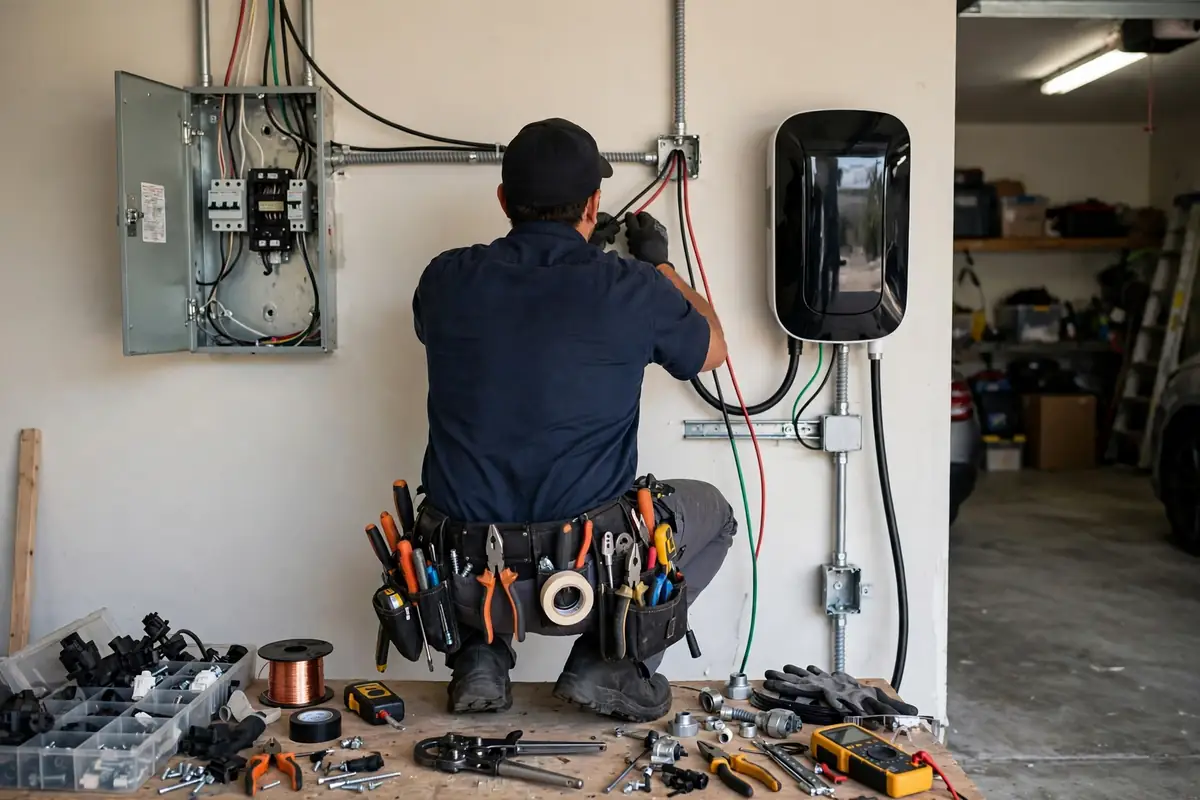
In the new generation of neighborhoods, usually not — the 200-amp services there were built with headroom, and the charger conversation is about placement and the second car. In the older generation, the answer follows the ladder our electricians climb everywhere: a load calculation under NEC Article 220 first — air conditioning leading the Florida list, then range, dryer, water heater, pool equipment — then a charger configured to a sensible amperage, then an energy management system that throttles charging while the house peaks, then a subpanel where the problem is space rather than capacity, and a service upgrade only when the lower rungs fail the arithmetic.
Older Port St. Lucie is load management's home turf: the difference between charging this week and a panel project first. If a quote arrives with a panel replacement already in it and no load calculation behind it, you are reading a sales document. The Port St. Lucie panel upgrade page climbs the ladder in full.
FPL in Port St. Lucie: The EVolution Question
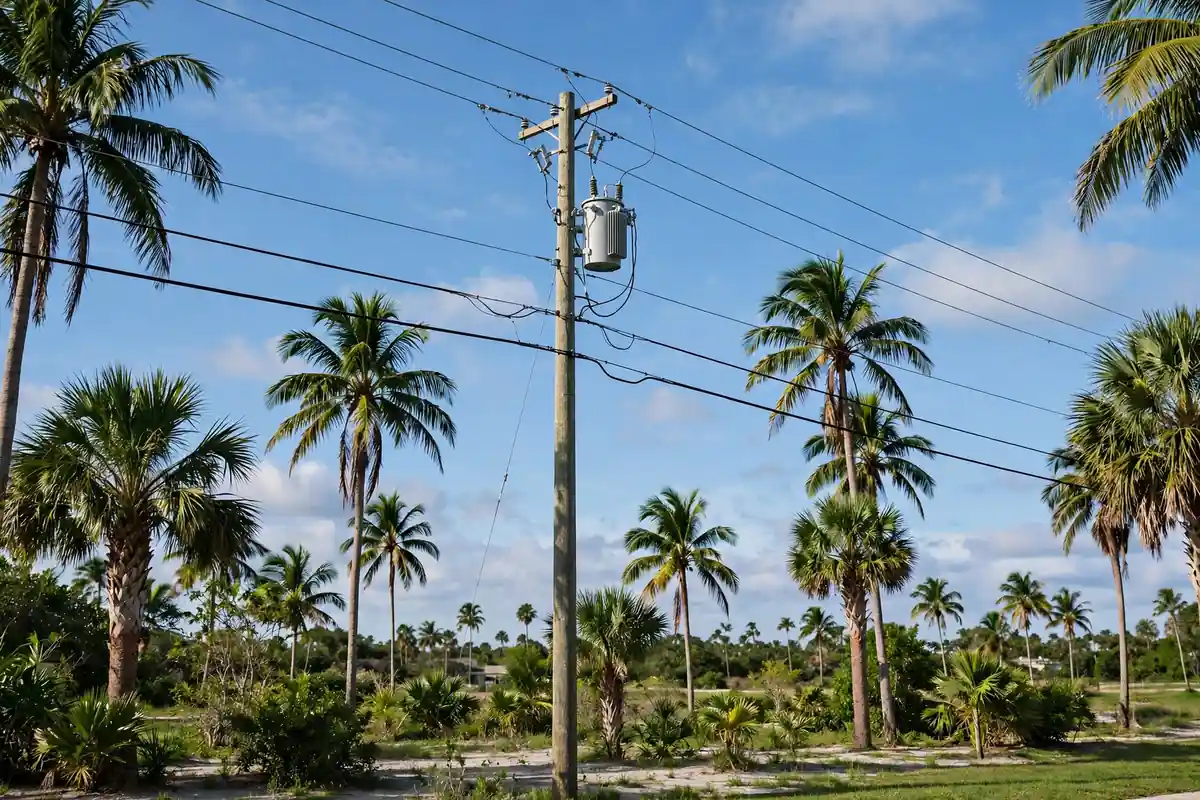
Port St. Lucie is Florida Power & Light territory, so every homeowner here eventually meets the EVolution Home pitch: FPL installs and owns a charger at your house for a monthly subscription — 36 dollars a month for the full-service version — under a 10-year agreement. Consider the local shape of that before deciding. This is a city of new roofs, and solar is spreading across Tradition and St. Lucie West fast — and EVolution is not open to solar net-metering customers at all. Condo households are out as well. For a growing share of Port St. Lucie, the program is not an option to weigh; it is a door that is closed, and owning the charger is simply the road.
For everyone else, the honest comparison is ownership against a decade of subscription for equipment FPL keeps. Our FPL EVolution versus buying your own charger guide runs it side by side, and our solar charging guide covers what a solar-paired charger can and cannot do — the outage answer included.
The Permit Is Part of the Product in Port St. Lucie
City addresses permit charger circuits through the City of Port St. Lucie's building department; the unincorporated pockets around the edges — White City and Lakewood Park to the south among them — run through St. Lucie County. The motion is identical: application, a circuit built to the Florida Building Code, inspection to close. The closed permit is third-party proof the circuit was sized by calculation — the document insurers price and buyers' inspectors accept, in one of the fastest-turning housing markets in Florida, where that proof gets read often. Newer communities add an association architectural review; we surface it at the assessment stage, while planning around it is still free.
New-Build Advantages, Honestly Used
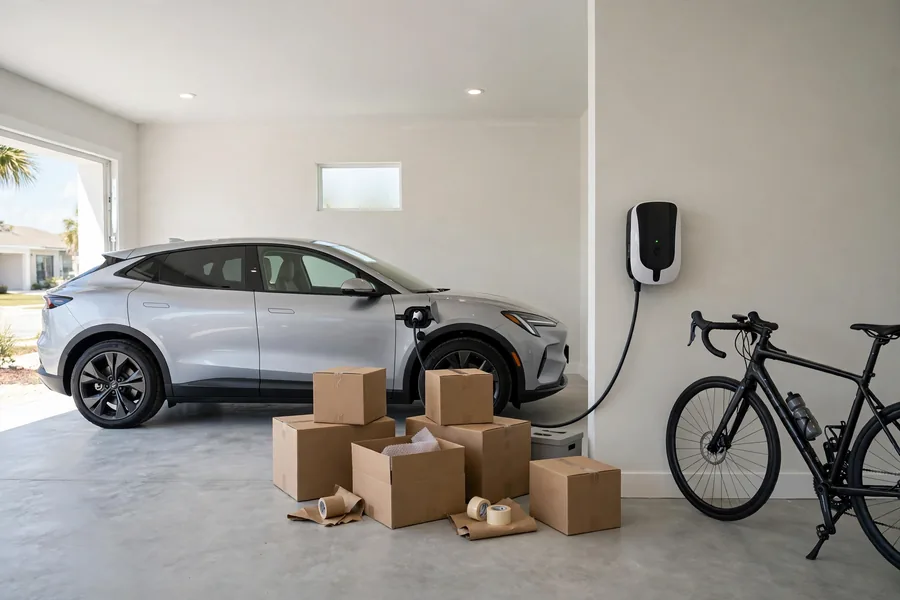
Tradition and St. Lucie West homes hand an installer gifts the older stock cannot: honest panel capacity, garages wired for modern life, and roofs ready for solar. The craft in those streets is foresight — placing the first charger where the second one will join it, configuring for the commute the household actually drives, and setting up solar-aware charging where the roof already makes power. Done at move-in, a charger becomes part of the house's systems rather than an appliance added later. Done carelessly, even a new panel gets a charger in the wrong corner of the wrong wall. The assessment is where the difference is decided.
Neighborhoods We Serve in Port St. Lucie
We install across Port St. Lucie, including Tradition, St. Lucie West and PGA Village, River Park, Sandpiper Bay, Southbend, Floresta, and Tesoro — and the surrounding St. Lucie County neighborhoods within our service radius.
How It Works
Step 1: Recon over the phone
EV model, where it parks, panel basics, association situation. A panel photo sorts most installs before anyone drives out.
Step 2: The panel gets its say
Load calculation first, hardware second. You see the spare capacity as a number, and every option traces back to it.
Step 3: Install day
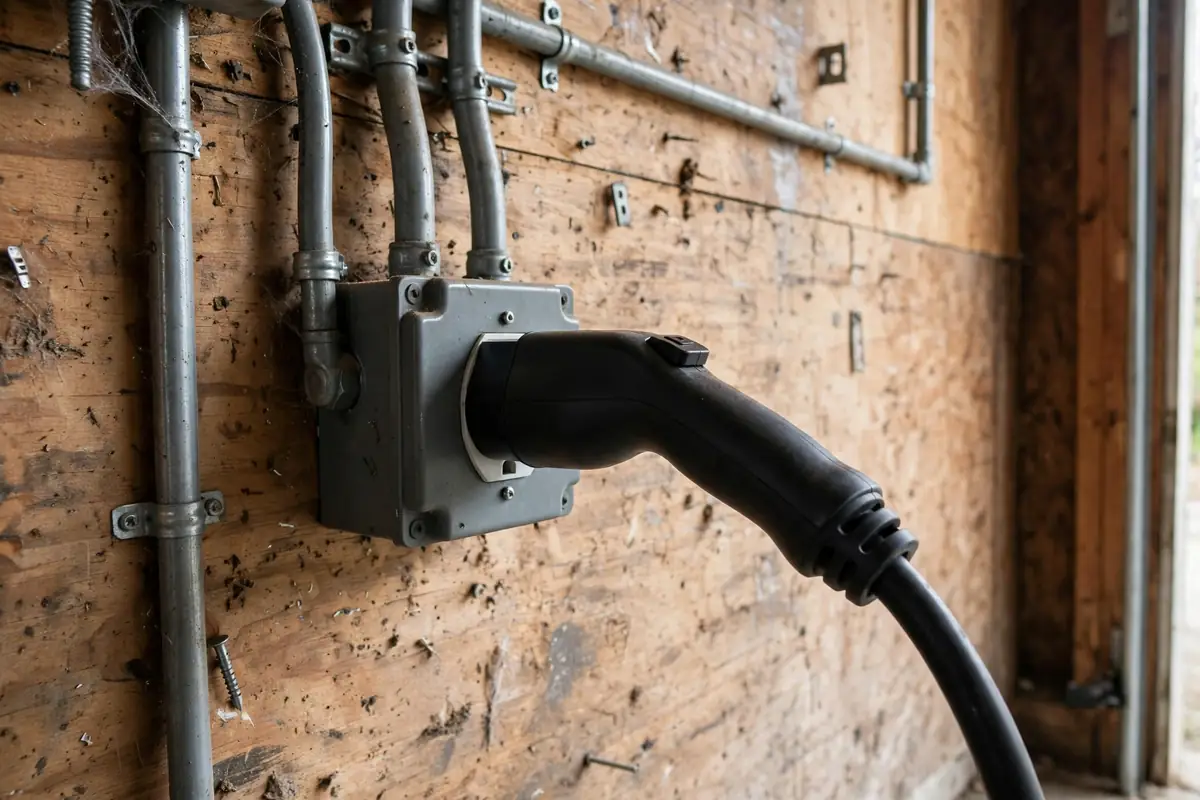
Permit in hand, circuit in, charger mounted and configured to its circuit — then proven with your car plugged in.
Step 4: Paperwork and goodbye
Inspection closes the permit; your folder gets the permit record, the configuration, and the panel labeling.
On the Ground in Port St. Lucie
Installs cluster where the city's growth clusters: Tradition streets where the charger is part of the move-in list, St. Lucie West garages planning around golf carts and second cars, and the older neighborhoods where the charger arrives with a panel conversation and leaves with a load-managed answer. The constants are FPL service, city-or-county permitting depending on the address, and commuter mileage that makes home charging the only honest fuel system. That is the real specification sheet for a Port St. Lucie charger.
Questions to Ask Any Port St. Lucie Installer
Will you run a load calculation before quoting? Who pulls the permit — city or county — and do I get the closed record? What amperage will the charger be configured to, and what breaker and wire support it? Is surge protection included or offered? If my association requires an architectural review, who handles it? A qualified installer answers all five without blinking — they are the job.
Frequently Asked Questions
My Tradition home is new. Is a charger install basically automatic?
Nearly — new panels usually pass the load calculation with room to spare. The work that remains is the real work: placement planned for the second car, the permit pulled and closed, and configuration matched to your commute. Automatic is how corners get cut in new subdivisions; we would rather be thorough in an easy house.
Does FPL EVolution work with rooftop solar in Port St. Lucie?
No. The program is closed to solar net-metering customers, which decides the question for a fast-growing share of Tradition and St. Lucie West. Solar households install privately — and can configure charging to lean on midday production when the car is home.
Which office permits a charger circuit in White City or Lakewood Park?
St. Lucie County — those are unincorporated addresses south of the city. City addresses permit through the City of Port St. Lucie's building department. We file at the desk your address belongs to and close it with the inspection.
Can a River Park home with a 100-amp panel charge an EV at home?
Often yes — a configured charger amperage with load management behind it is the classic older-neighborhood answer. What it cannot honestly do is run full-speed charging alongside a full electric house. The load calculation draws your exact line.
How much charging does a Port St. Lucie to West Palm Beach commute need nightly?
That run is roughly 90 to 100 miles round trip. A Level 2 charger at 40 amps returns about 35 to 40 miles of range per hour — the whole commute repaid in under three hours of overnight charging, well inside FPL's off-peak window.
Can our Port St. Lucie home charge two EVs on one panel?
Usually yes — power-sharing hardware divides one circuit between two chargers, or the pair is sequenced across the overnight window. The load calculation at the assessment sizes the arrangement to your service, new or old.
Get Your Charger Installed in Port St. Lucie
Permitted, inspected, and sized to your panel — one call gets the assessment booked in Port St. Lucie.
(407) 557-4153 · Mon–Fri 7:00 AM – 10:00 PM · Sat 8:00 AM – 10:00 PM · Sun 7:00 AM – 9:00 PM ET