Home Charging Built for Cape Coral Homes
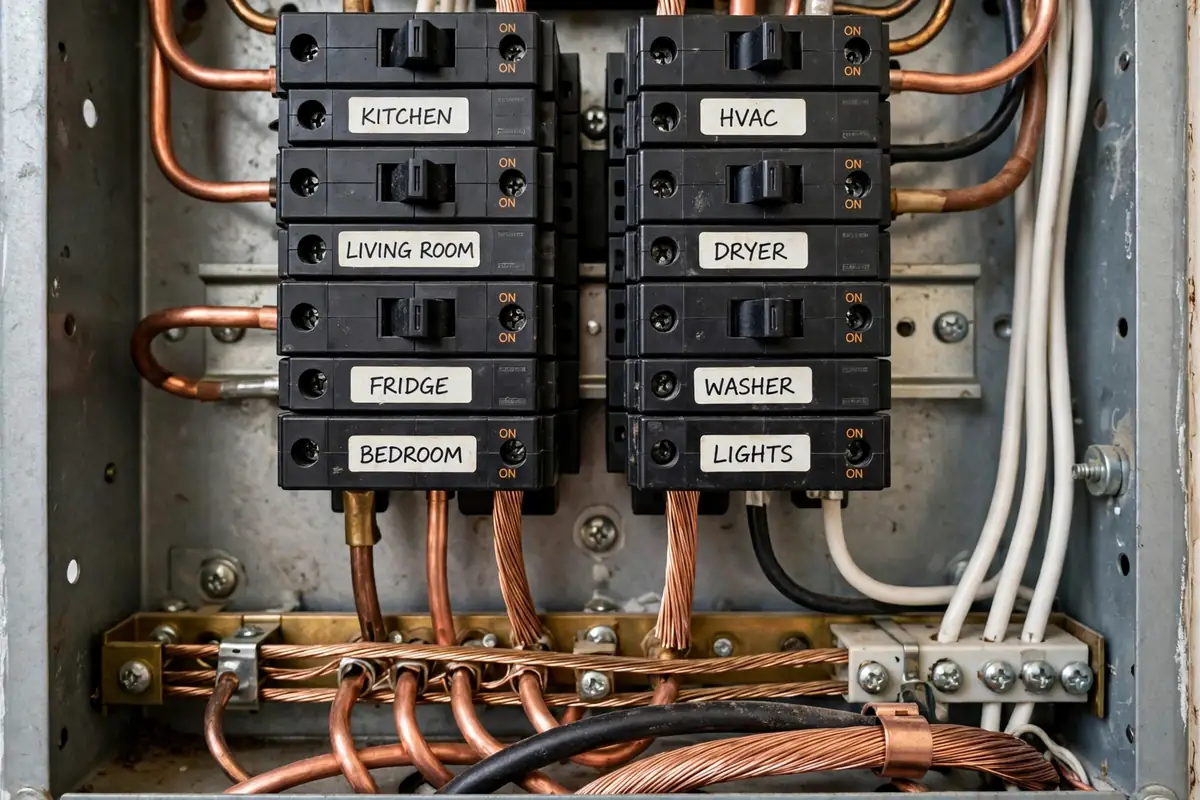
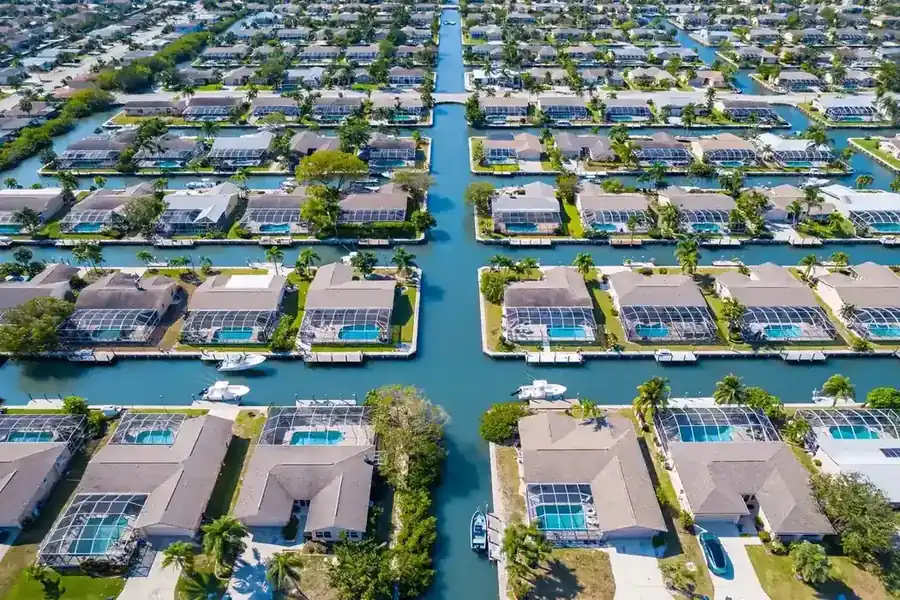
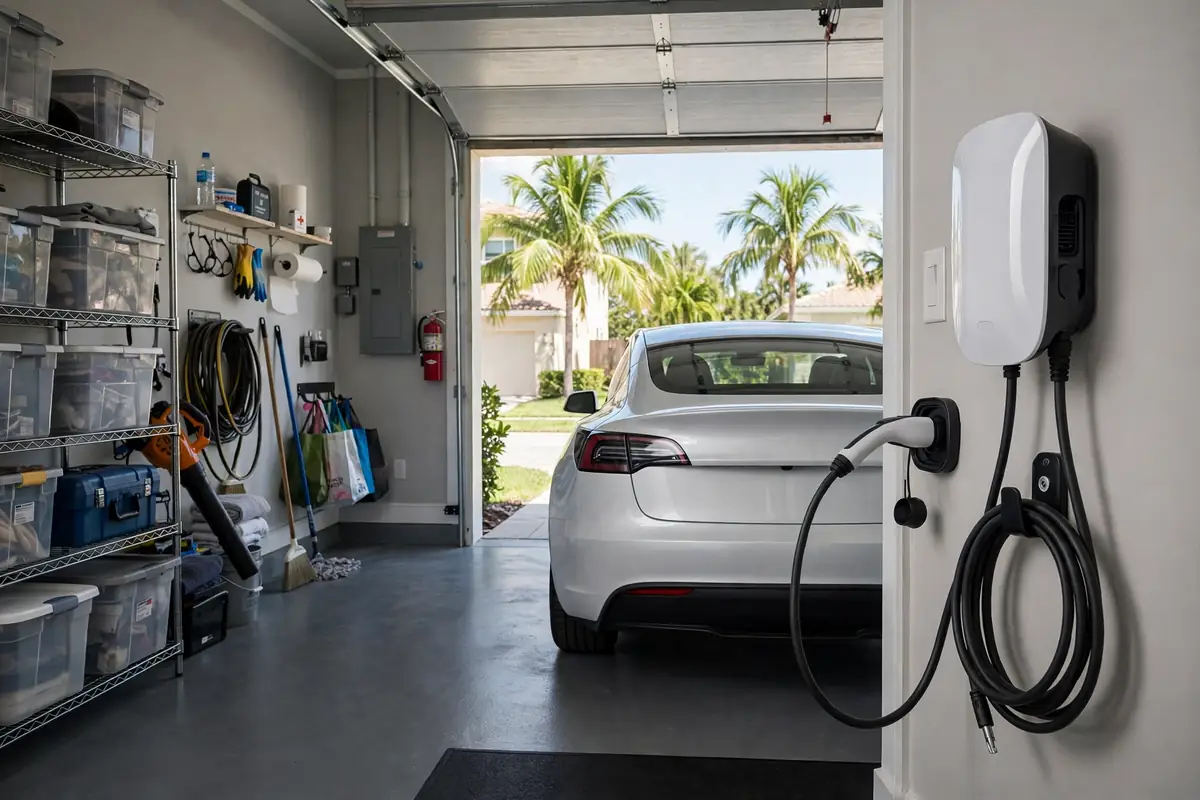
The Cape's housing is a study in Florida ranch architecture: thousands of single-story homes built from the 1960s through the 2000s, screened lanais and pool cages behind them, canals behind half of those. Panels follow the decades — 100- and 150-amp services in the older southeast, cleaner 200-amp panels in the newer northwest and northeast construction. Add the city's enormous seasonal population, whose homes wake up every fall, and you have the real spec sheet for a Cape Coral charger: honest arithmetic, surge protection, and placement that respects how canal homes actually park.
Our electricians work Pelican, Trafalgar, Mariner, Cape Harbour, and the Yacht Club area every week. Every install starts at the panel, because in a city built in waves, the house's decade decides the job.
The Cost Question, Asked Honestly in the Cape

Cape Coral asks the cost question louder than any city we serve — fairly. The honest answer is that the install's price lives in four variables: the panel's headroom, the distance from panel to parking, whether the route is simple garage wall or a longer run, and the permit. Three of those four are visible in one panel photo and a five-minute call, which is why our assessments start there instead of with a package price. What we will never do is name a number before the load calculation earns it — Cape Coral homeowners comparing quotes should demand the arithmetic from everyone, and keep the quote that shows its work. Our installation cost factors guide breaks down every variable that moves the number.
EV Charging Services in Cape Coral, FL
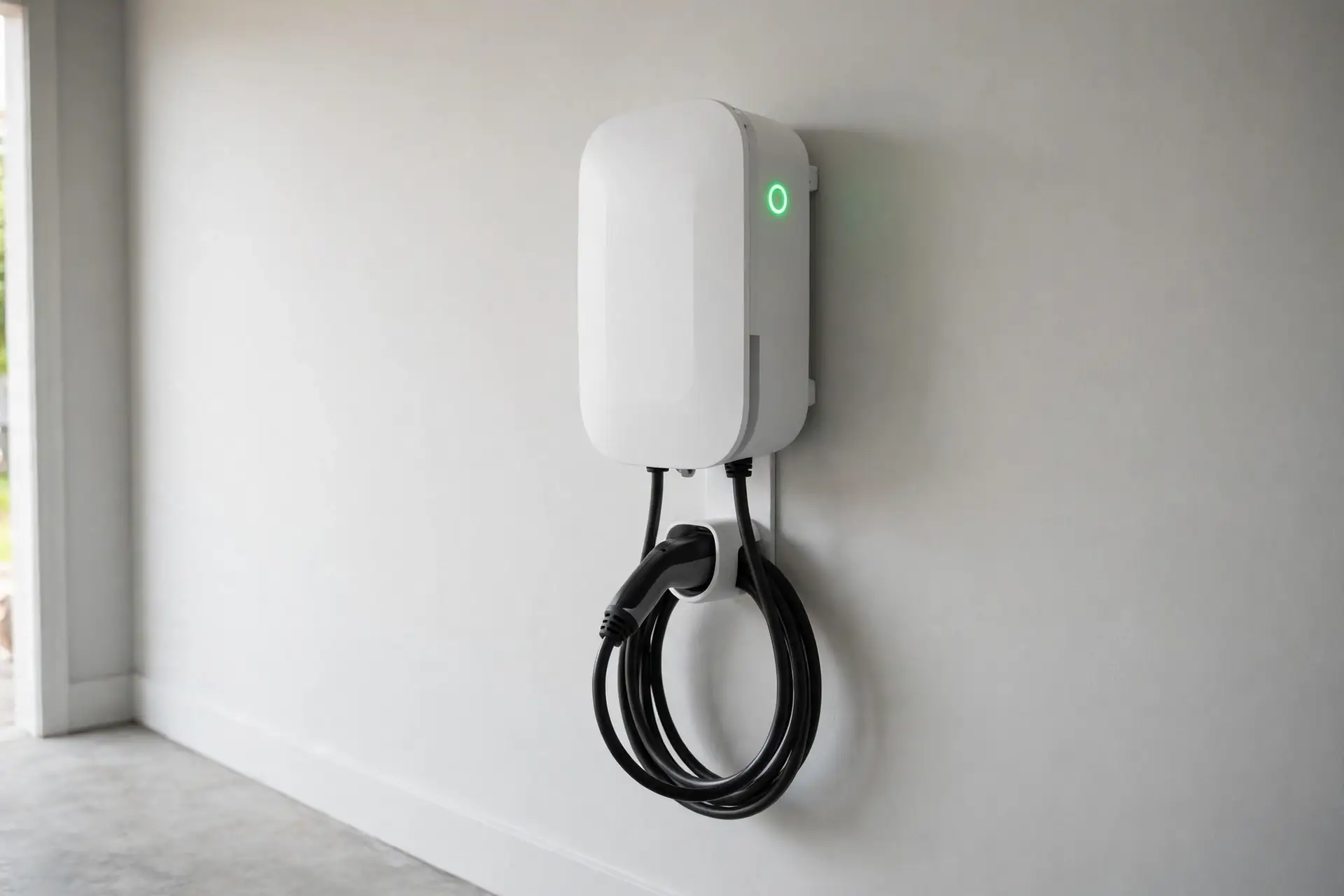
- Residential EV Charger Installation — Home Level 2 installs matched to Cape Coral housing, from 1970s ranch homes to new northwest builds.
- Tesla Wall Connector Installation — Wall Connector and Universal Wall Connector installs across Cape Coral.
- Level 2 EV Charger Installation — 240-volt charging for every EV make, hardwired or plug-in.
- Panel Upgrade for EV Chargers — Capacity answers for older Cape panels, load management before replacement.
- Commercial EV Charging — Workplace, hospitality, and multifamily charging in Lee County.
- EV Charger Repair & Maintenance — Diagnostics and repair for chargers that quit, trip, or slow down.
Do You Really Need a Panel Upgrade in Cape Coral?
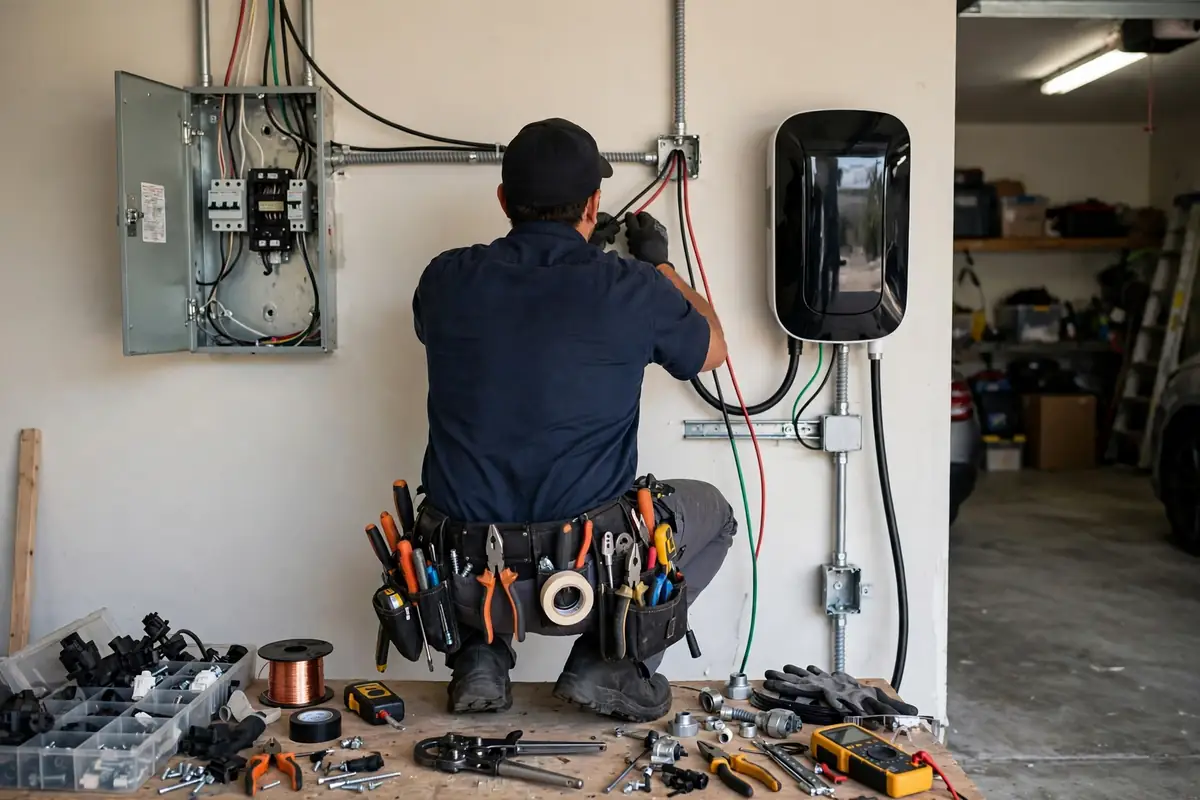
The Cape's older stock makes this the local question, and the answer follows the same ladder everywhere our electricians work. First, the load calculation — NEC Article 220 arithmetic: air conditioning first, then range, dryer, water heater, and pool equipment — against your service size. Then the rungs: a charger configured to a sensible amperage; an energy management system that throttles charging while the house peaks; a subpanel where the issue is breaker space rather than capacity; and a service upgrade only when the lower rungs fail the numbers.
In a city where so many homes carry 100- and 150-amp services, load management is the rung that changes the most quotes — the difference between a charger installed this week and a charger buried under a panel project. If a Cape Coral quote opens with a full panel replacement and no load calculation behind it, you are reading a sales document. The Cape Coral panel upgrade page climbs the ladder in full.
LCEC Country: What Utility Reality Means for Cape Coral Charging
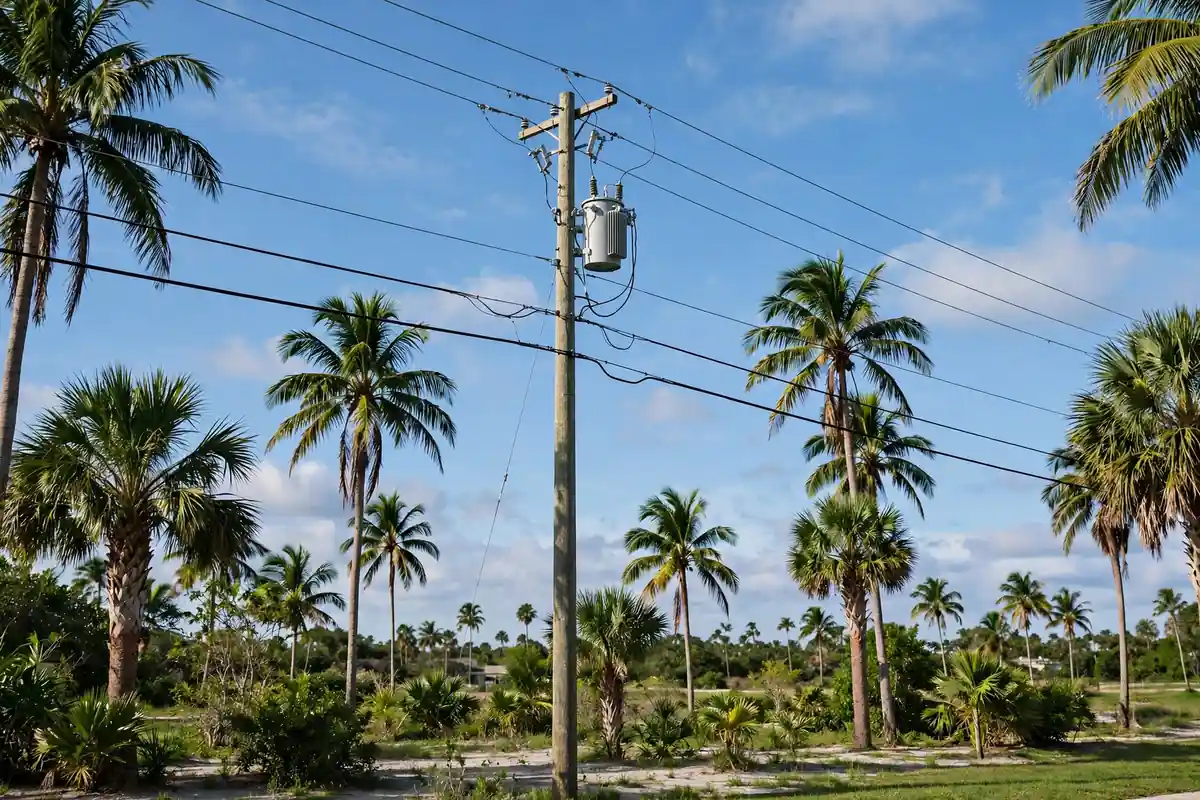
Most of Cape Coral is served by LCEC — the Lee County Electric Cooperative, a member-owned not-for-profit — with FPL serving some addresses. That split shapes the charger conversation here in a way it does not in Fort Myers. FPL's EVolution subscription program is exactly that: FPL's. LCEC members are not in it, which makes the private install the default route for most of the Cape rather than the alternative. The practical differences are smaller than the headlines: rates here reward overnight scheduling the same way, and a charger on a timer does not care which logo is on the bill. What your address does decide is which program facts apply to you — the assessment confirms your utility before any program is discussed, so nobody plans around a rebate that belongs to the other company.
Solar homes should know one more thing: FPL's EVolution excludes solar net-metering customers anyway, and Cape Coral's canal roofs are filling with panels. If your roof makes power, you were always going to own your charger. Our solar charging guide covers the pairing honestly.
The Permit Is Part of the Product in Cape Coral
Cape Coral runs its own permitting — charger circuits are permitted through the City of Cape Coral's building services. The motion: application, a circuit built to the Florida Building Code, inspection to close. The closed permit is third-party proof that the continuous-load circuit was sized by calculation. Insurers price that proof; buyers' inspectors accept it; and in a city where generations of work were done by whoever was available, the paper trail separates your house from the street's stories. We treat the permit as a deliverable, and we flag any association or community standards review your neighborhood requires at the assessment, while changes are still free.
Storms, Seawalls, and Surge: The Cape Coral Electrical Reality
The Cape took Hurricane Ian's water through its canal system, and its electrical lessons are written across the rebuild: panel-level surge protection on every charger conversation, weather-rated hardware for the carport and lanai-side installs this city loves, mounting heights planned with the property's flood picture in mind, and chargers that restart cleanly after outages. A charger is a computer wired into your panel around the clock. In Cape Coral, it gets protected like one.
Neighborhoods We Serve in Cape Coral
We install across Cape Coral, including Pelican, Trafalgar, Mariner, Cape Harbour, Tarpon Point, the Yacht Club area, Surfside, Four Mile Cove, Palaco Grande, and the growing northwest and northeast — and the rest of the city's grid within our service radius. Daily driving here runs on Del Prado Boulevard, Santa Barbara Boulevard, Pine Island Road, and the bridges to Fort Myers; tell us your routine on the call and we size the charger to the miles you actually drive.
How It Works
Step 1: Recon over the phone
EV model, where it parks, panel basics — and which utility serves your address. A panel photo sorts most installs before anyone drives out.
Step 2: The panel gets its say
Load calculation first, hardware second. You see the spare capacity as a number, and every option traces back to it.
Step 3: Install day
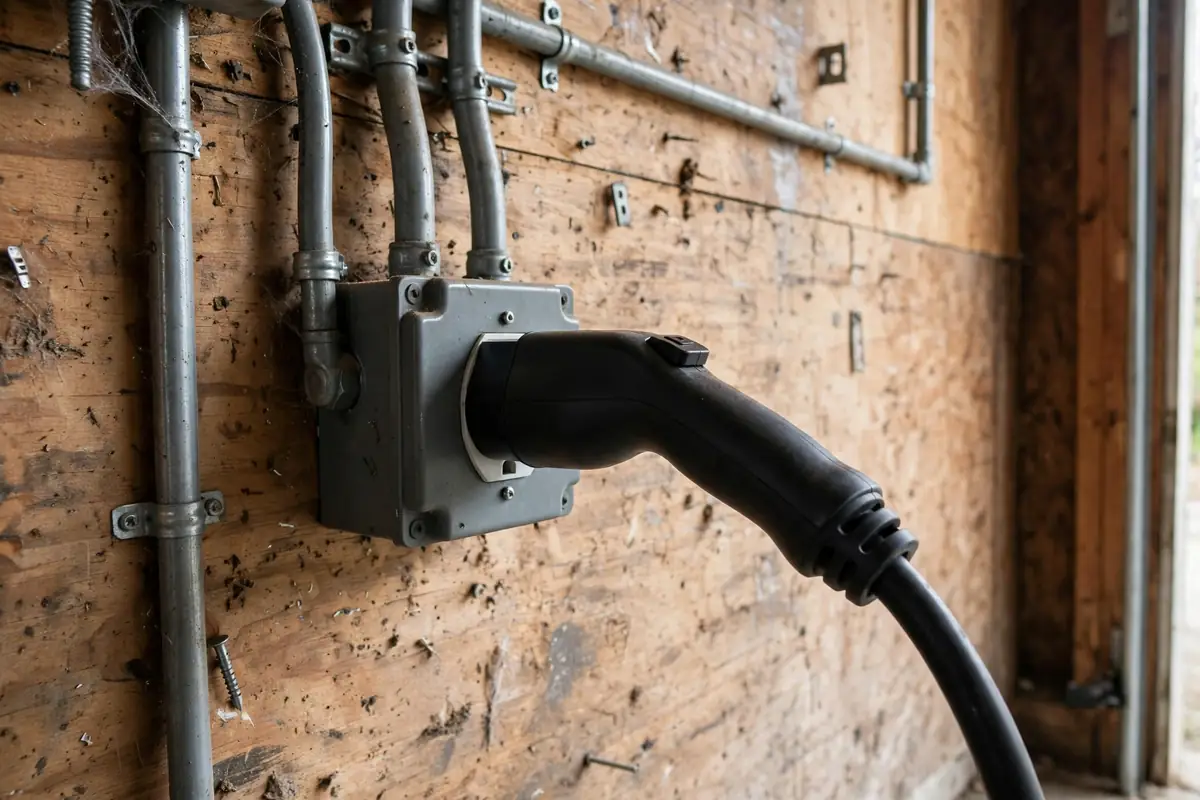
Permit in hand, circuit in, charger mounted and configured to its circuit — then proven with your car plugged in.
Step 4: Paperwork and goodbye
Inspection closes the permit; your folder gets the permit record, the configuration, and the panel labeling.
On the Ground in Cape Coral
Installs cluster where Cape life clusters: canal homes where the garage door faces the street and the boat faces the water, seasonal homes reopening every fall along Pelican, and new-build streets in the northwest where the panel is modern and the question is placement. The constants are a city-run permit desk, a utility split between LCEC and FPL that the assessment confirms address by address, and storm-season electrical reality. That is the real specification sheet for a Cape Coral charger.
Questions to Ask Any Cape Coral Installer
Will you run a load calculation before quoting? Who pulls the permit with the city, and do I get the closed record? What amperage will the charger be configured to, and what breaker and wire support it? Is surge protection included or offered? Which utility serves my address, and does it change anything? A qualified installer answers all five without blinking — they are the job.
Frequently Asked Questions
Is Cape Coral mostly LCEC or FPL, and why does it matter for my charger?
Most of the city is LCEC cooperative territory; some addresses are FPL. It matters for programs, not for hardware: FPL's EVolution subscription is FPL-only, so most Cape Coral homes install privately regardless. The assessment confirms your utility first so every program statement that follows is actually about your address.
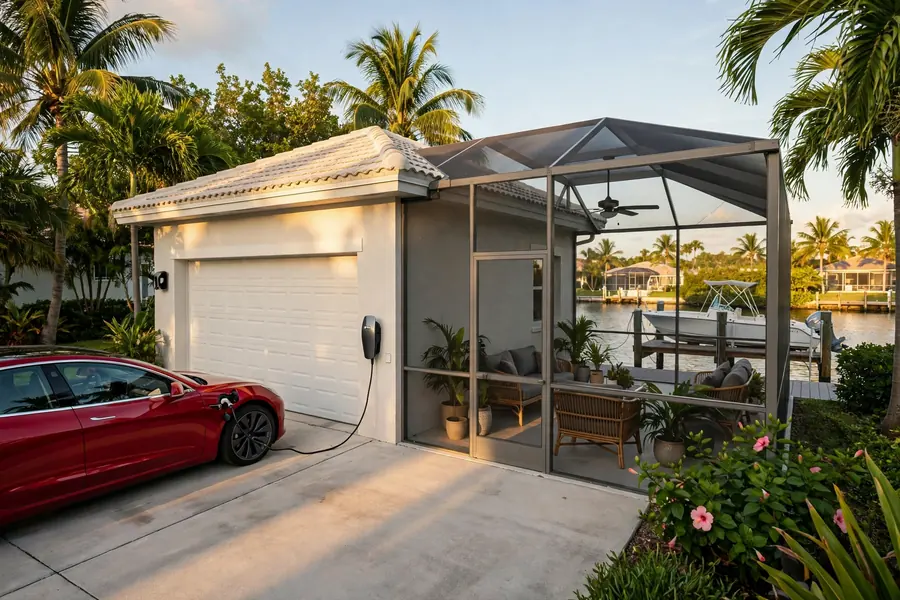
Can a charger be installed at a Cape Coral canal home with no garage?
Yes — carport and exterior installs are routine on canal lots. Weather-rated enclosure, sealed conduit, mounting height planned against the property's flood picture, and surge protection at the panel complete the standard Cape spec.
My Cape Coral home has a 100-amp panel from the 1980s. Is home charging realistic?
Usually yes — with the ladder: a configured charger amperage and, where the arithmetic needs it, a load management system that keeps the house's peaks and the car's charging from colliding. A new service is the last rung, not the first. The load calculation draws your exact line.
Do seasonal Cape Coral homes need anything special for a charger?
Surge protection, a charger that recovers cleanly after outages, and a configuration walkthrough timed to your arrival. It is one of the most common install patterns in the city, and it is planned at the assessment rather than improvised in November.
How does the Cape Coral permit process work for a charger circuit?
The City of Cape Coral's building services issues the electrical permit; we file, install to the Florida Building Code, and close it with the inspection. The record follows the house — useful at resale and with insurers.
Why do Cape Coral quotes for the same charger vary so much?
Because the charger is the only identical part. Panel headroom, run distance, and mounting reality differ house by house — even street by street in a city built over six decades. Quotes that show their load calculation are the ones that can be compared.
Get Your Charger Installed in Cape Coral
Permitted, inspected, and sized to your panel — one call gets the assessment booked in Cape Coral.
(407) 557-4153 · Mon–Fri 7:00 AM – 10:00 PM · Sat 8:00 AM – 10:00 PM · Sun 7:00 AM – 9:00 PM ET