Beachside and Mainland Are Two Different Jobs

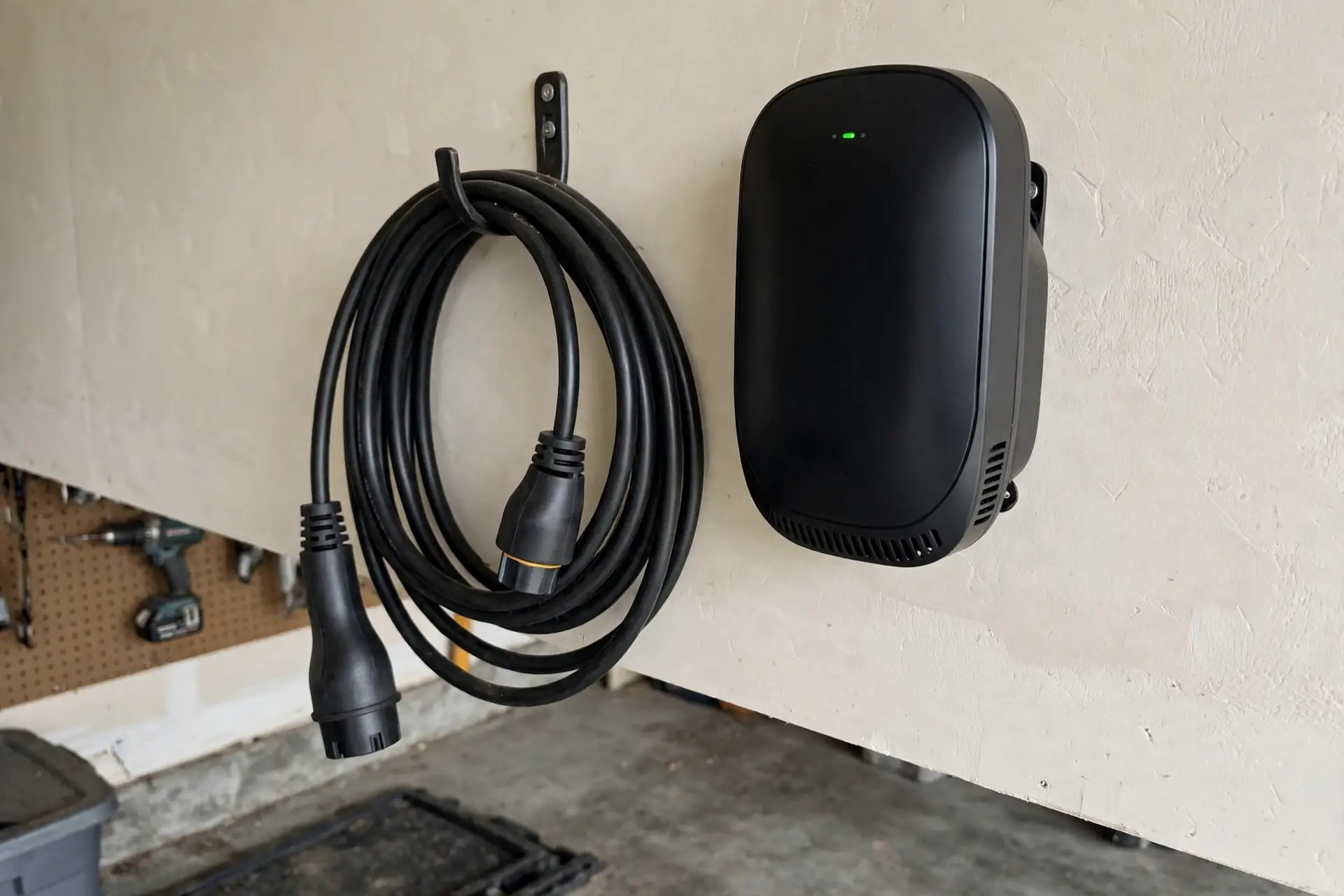
The Halifax River splits Daytona Beach into two electrical worlds. On the beachside peninsula, homes and condominiums sit in direct coastal exposure. Garages are often lower, tighter, and closer to flood-prone ground. Corrosion is not a future risk here; it is the daily condition. On the mainland side, neighborhoods run older and newer in patches — established streets near downtown, subdivisions stretching west toward I-95, and homes where the garage is a straightforward interior space with room to work.
That split shapes every decision. Beachside, the specification starts with weather rating, sealed conduit, corrosion-resistant hardware, and mounting height planned with flood awareness. Mainland, it more often starts with panel capacity and circuit distance, because many older mainland homes were built when a garage outlet was an afterthought. They are different jobs wearing the same city name, and treating them as one job is how installs disappoint people a year later. Our process stays constant — read the panel, read the parking, then choose the equipment — but what that reading produces changes street by street.
Older Beachside Homes and the Panel Question
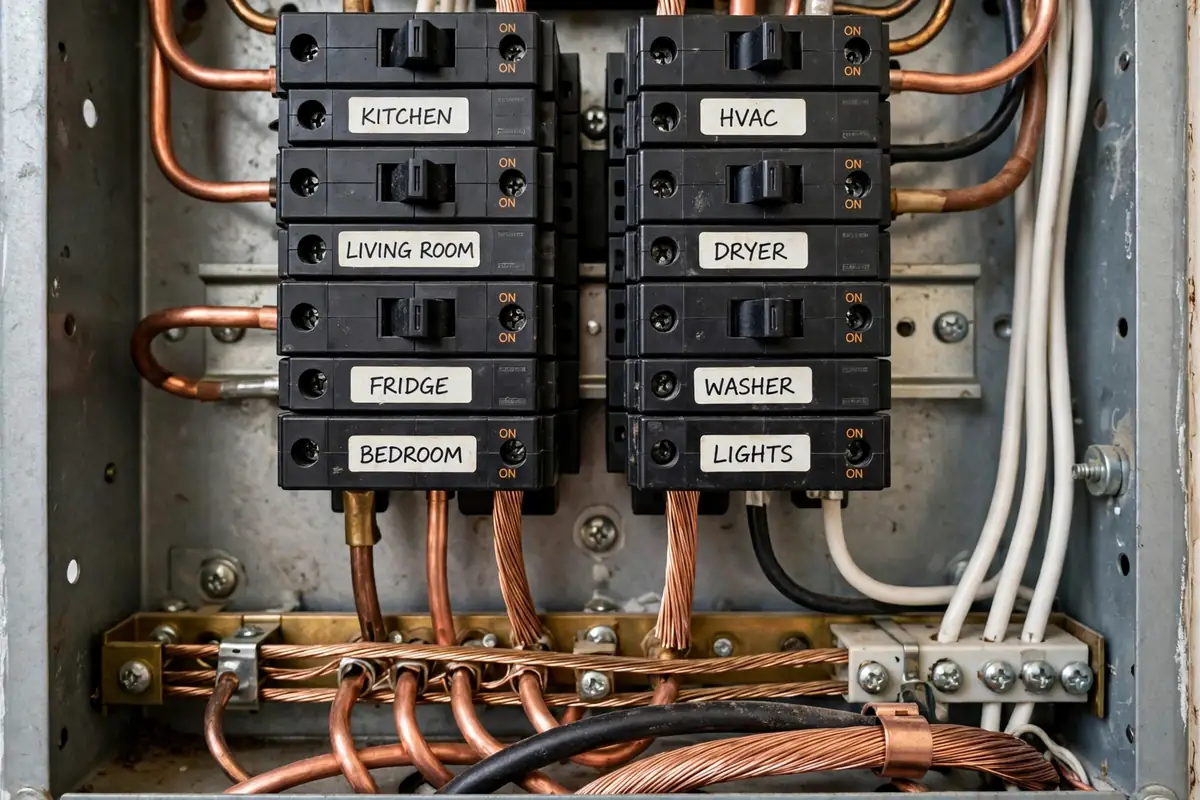
Beachside Daytona Beach holds a large stock of older homes: small beach houses, mid-century blocks, and cottages that have been renovated in layers over decades. Their electrical panels tell that layered story. A 100-amp service that once ran lights and a window unit now runs central air, a modern kitchen, laundry, and daily life — before anyone asks it to charge a car overnight.
The honest way through this is arithmetic, not assumption. A load calculation under NEC Article 220 totals what the home already draws — air conditioning first in Florida, then the range, dryer, water heater, and any pool equipment — and compares it against service size. Some older homes have real room once the numbers are written down, especially with the charger configured to a moderate amperage that still fills the car overnight. Others are genuinely tight, and then the conversation moves in steps: configured amperage first, then an energy management system that throttles charging while big household loads run together, then subpanel or service work only where the math requires it. A panel replacement quoted before anyone has done the calculation is a red flag. Our panel upgrade page explains the full ladder statewide.
EV Charging Services in Daytona Beach, FL
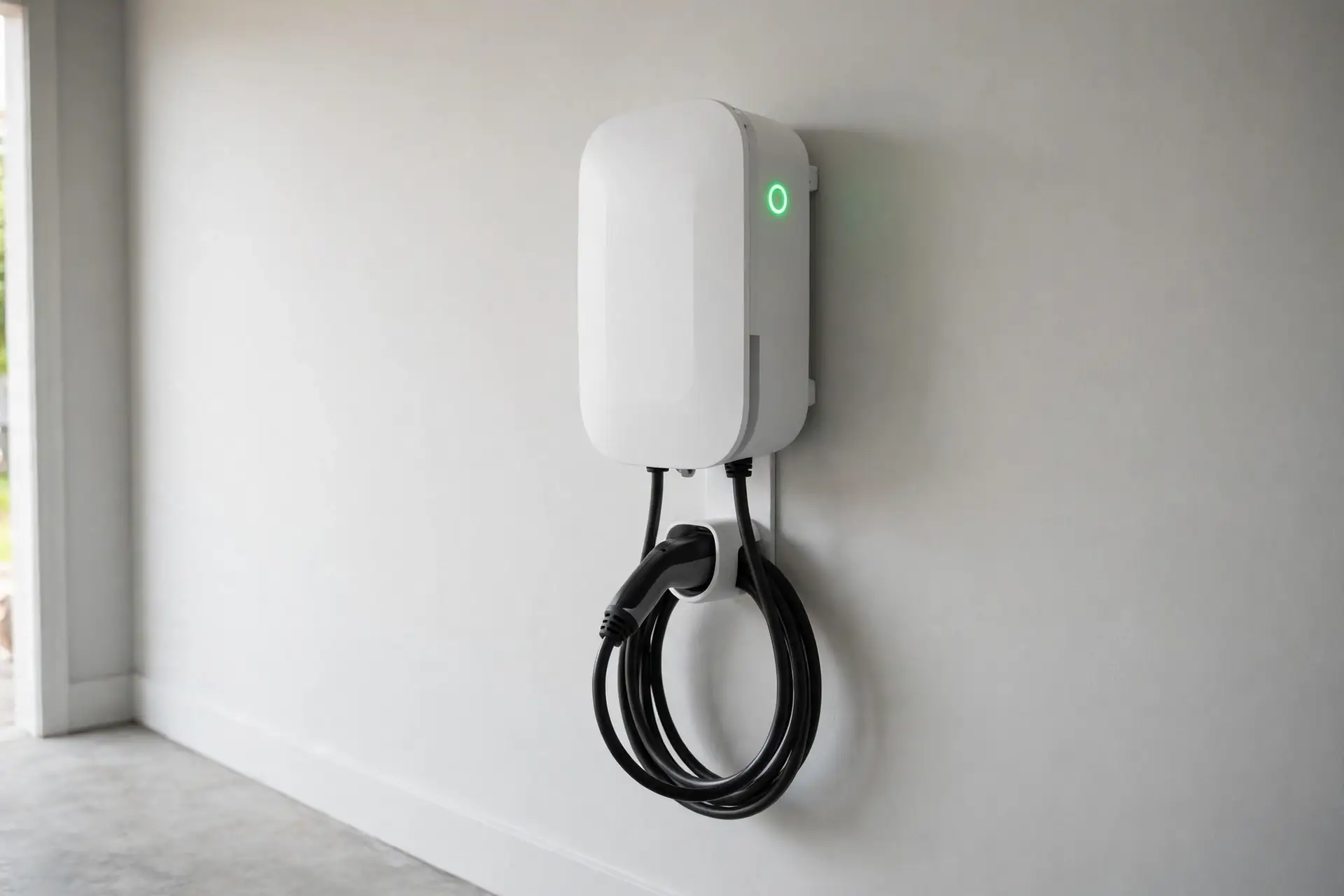
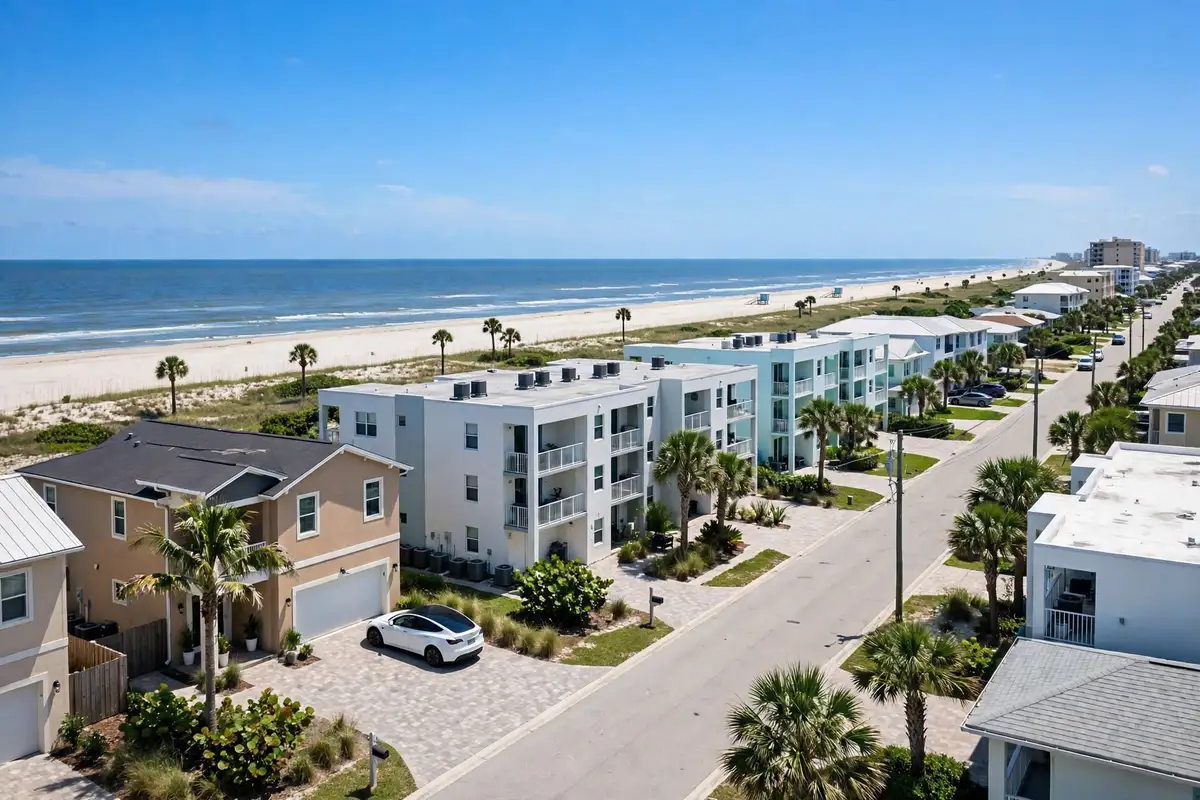
- Residential EV Charger Installation — Home Level 2 installs matched to beachside cottages, mainland houses, and condo garages.
- Tesla Wall Connector Installation — Wall Connector and Universal Wall Connector installs for Tesla and mixed-EV households.
- Level 2 EV Charger Installation — 240-volt charging for every EV make, hardwired or plug-in, configured to your circuit.
- Electrical Panel Upgrade for EV Chargers — Capacity answers for older panels, with load management considered before replacement.
- Commercial EV Charging Station Installation — Charging for hotels, workplaces, and multifamily properties across Volusia County.
- EV Charger Repair and Maintenance — Diagnostics and repair for chargers that trip, slow down, or stop in coastal conditions.
Condominiums on the Beach: Process Before Hardware
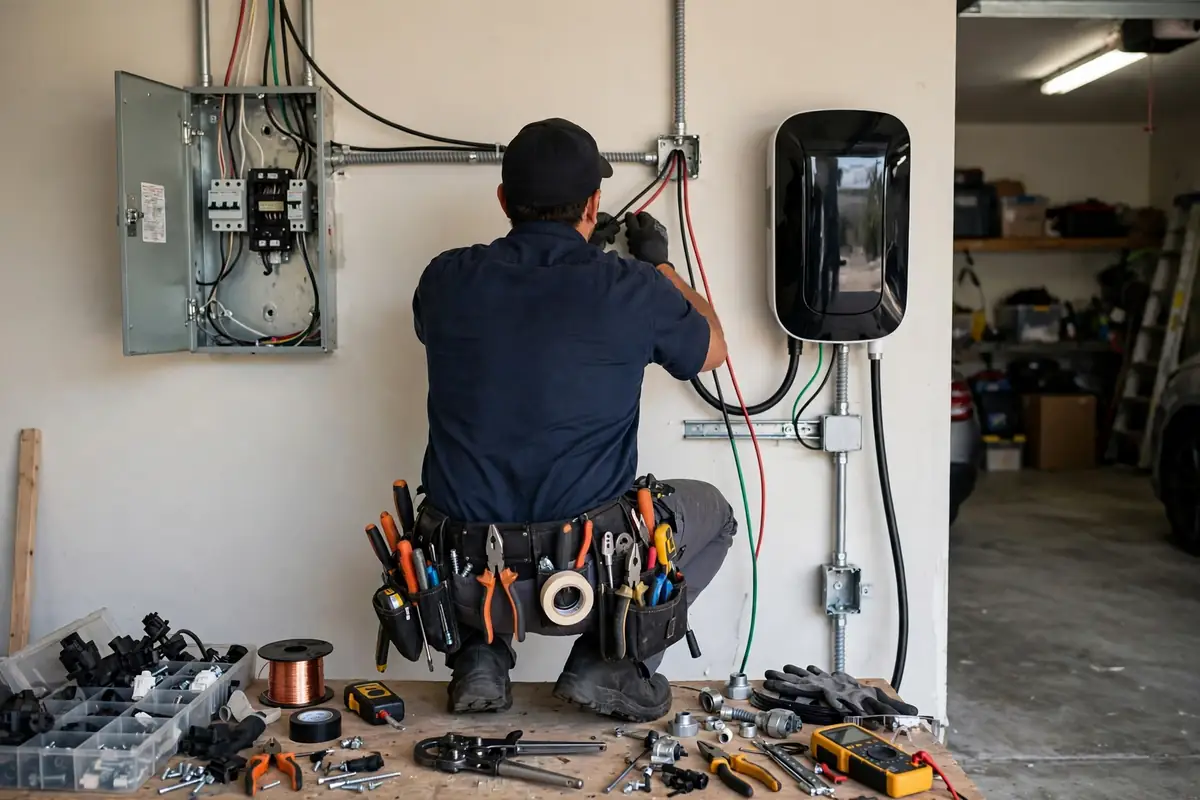
Daytona Beach's beachside condominium towers hold a large share of the city's EV owners, and their installs succeed or stall on process long before hardware matters. Florida law gives condominium owners a path to install charging in their assigned parking, and it also lets associations set reasonable conditions — approval paperwork, licensed and insured installation, and architectural or location standards inside the garage. Skipping that paperwork is the most common reason a condo install gets delayed after it was supposedly ready.
The practical sequence: confirm your parking assignment, read the association's current EV or alteration rules, submit the install packet with the electrician's credentials, and only then schedule the work. Garage circuits in towers often run farther than in a house, sometimes across shared electrical rooms, so the site visit needs to measure the real route. Our Florida condo and HOA charger guide walks through the rights and paperwork in detail. Many beachside owners are present only part of the year — paperwork can run first while you are away, with the install scheduled when access is simple.
FPL in Daytona Beach: EVolution, Read Carefully
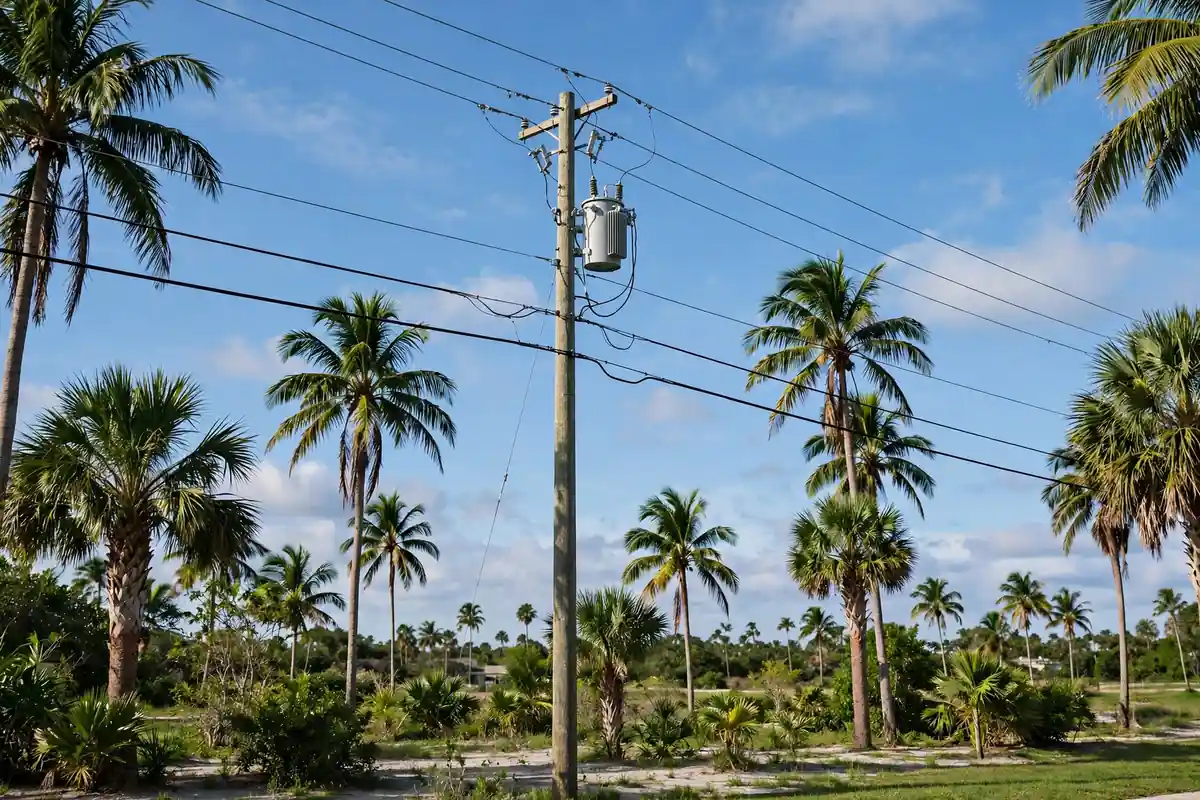
Daytona Beach is Florida Power and Light territory, so homeowners here will hear about FPL EVolution Home: FPL installs a charger it owns at your home under a monthly subscription — 36 dollars a month for the full-service version or 27 dollars a month for the equipment-only version — on a 10-year agreement, with unlimited charging during off-peak hours. For a household that parks in its own garage every night and wants no upfront equipment decision, that structure can fit.
Read the limits before you sign, because two of them decide the question for many local households. EVolution is not open to solar net-metering customers, so a home producing rooftop power is outside the program entirely. It is also not for condos or apartments, which removes a large slice of beachside addresses on its own. Add that FPL owns the charger for the life of the agreement, and the comparison is subscription simplicity on one side, ownership and flexibility on the other. Our FPL EVolution versus buying your own charger guide sets the two side by side. Make the choice with both columns visible.
Race Weeks, Bike Weeks, and a Population That Swells
Daytona Beach does not have a steady population curve. Speedweeks, the Daytona 500, Bike Week, Biketoberfest, and the summer beach season swell the city with visitors and returning second-home owners. Public charging feels that swell first — stations quiet on a normal Tuesday become contested during event weeks, exactly when seasonal residents most need a full battery.
Home charging removes that contest entirely. A seasonal owner arriving the night before an event plugs in at the house and starts the week full, and a year-round resident near the Speedway never has to fold a public charging stop into an already crowded week. Event calendars change every year. A charger on your own wall does not care what week it is.
Permits Through the City of Daytona Beach
Charger circuits in Daytona Beach are permitted work, filed through the City of Daytona Beach. The sequence is application, a circuit built to the Florida Building Code and the National Electrical Code, then inspection to close the permit. That closed record matters beyond the install day: it is what your insurer expects to find after any electrical claim, what a buyer's inspector looks for when the home sells, and what the next electrician relies on when future work touches the same panel.
Our Florida EV charger permit guide explains why the permit is part of the product rather than paperwork around it. We file where your address belongs, build to the filed plan, and hand you the closed record at the end. For county addresses just outside city limits the filing desk differs; the assessment confirms which desk applies before work is scheduled. Coastal details — disconnect placement, GFCI protection where required, outdoor equipment ratings — all get checked at inspection, so we build them right the first time.
Salt Air Is a Specification, Not a Footnote
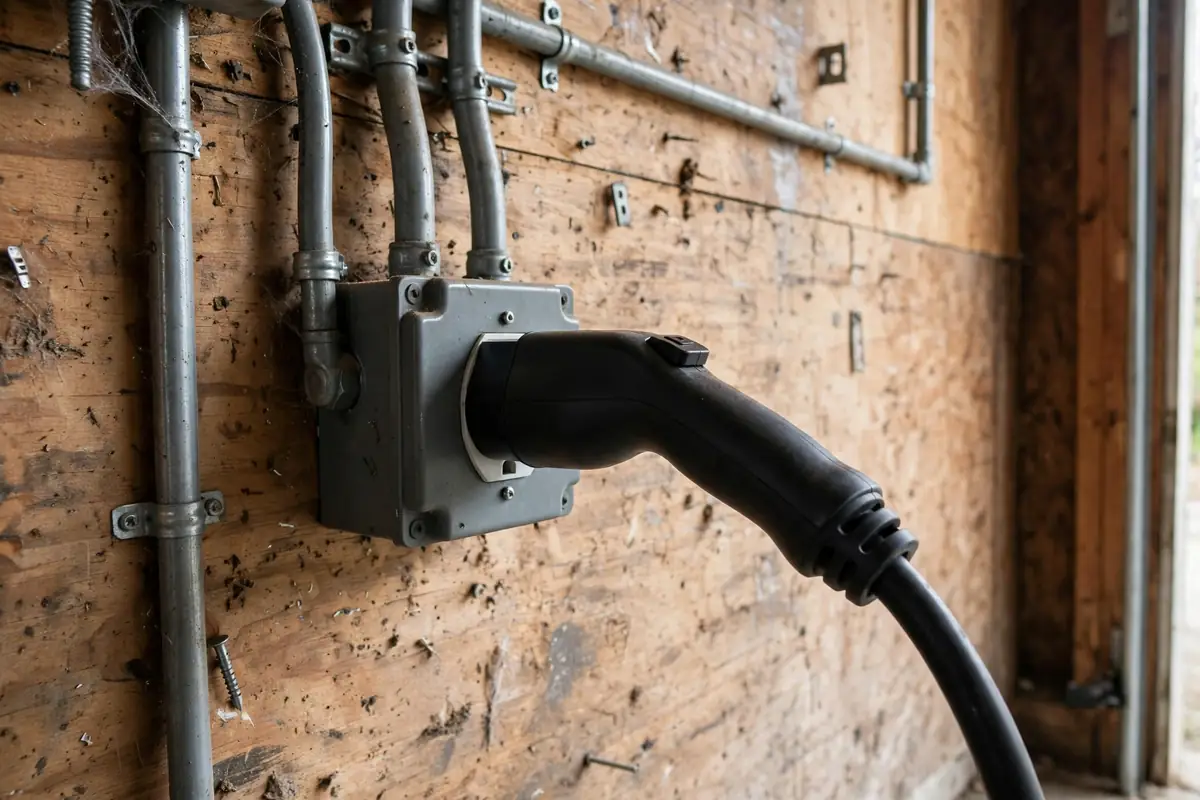
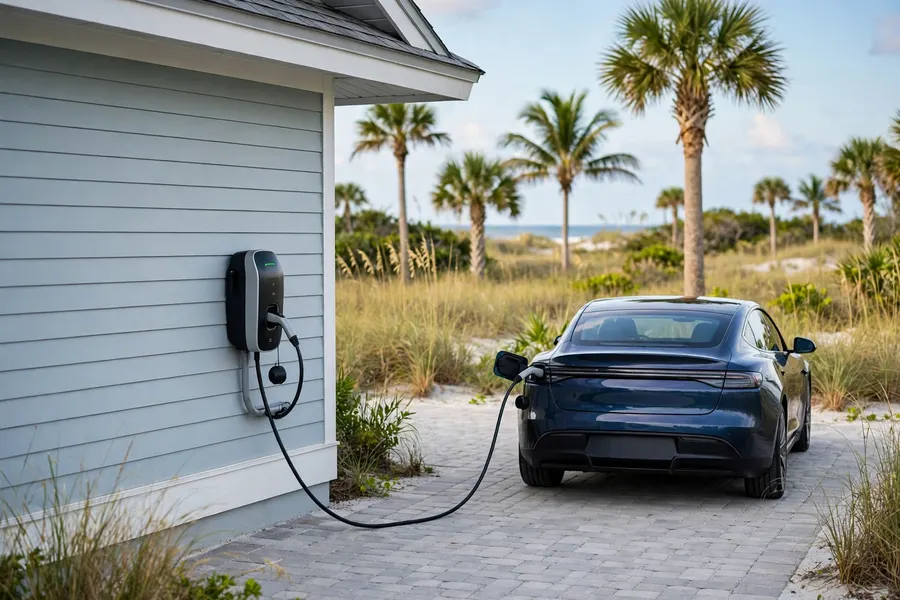
Everything electrical on the peninsula lives in salt air, and chargers are no exception. Outdoor and garage installs here get NEMA-rated enclosures suited to the exposure, sealed fittings, corrosion-resistant hardware, and cable routing that keeps connectors off damp floors. Panel-level surge protection deserves a serious conversation in Volusia County — summer lightning is frequent, and a charger sits on your home's electrical system full-time. Mounting height is the other decision homeowners underestimate: in flood-aware streets, raising the charger and routing conduit with water in mind costs little at install time and matters in the one storm that tests it. Our outdoor EV charger installation guide covers the coastal specification in full.
How It Works
Step 1: Start with the car and the parking
Tell us the EV model, where it parks each night, and what you know about your panel. A clear panel photo answers most early questions before anyone drives out.
Step 2: Load calculation before hardware
We total your home's existing demand and show you the spare capacity as a number. Charger model and amperage follow that number, never the other way around.
Step 3: Permit and install day
With the permit filed, we run the circuit, mount the charger to the coastal specification your address needs, configure it to the circuit, and test it with your car plugged in.
Step 4: Inspection and handover
The city inspection closes the permit. You receive the permit record, the charger configuration, and updated panel labeling for your files.
On the Ground in Daytona Beach
Daytona Beach installs cluster where Daytona Beach life clusters: beachside condos along A1A, older cottages a few streets back from the ocean, mainland neighborhoods west of the river, and homes near the Speedway that fill with family during race weeks. The constants are FPL service, city permitting, salt in the air on the peninsula, and older panels on both sides of the river. That combination — not a generic national checklist — is the specification sheet we work from here. If your street floods in a king tide or your garage doubles as beach-gear storage, say so on the first call. It changes the plan in useful ways.
Questions to Ask Any Daytona Beach Installer
Ask these five of anyone quoting your install, including us: Will you show me a load calculation before recommending panel work? Who files the permit, and will I receive the closed record? What enclosure rating and hardware suit my distance from the ocean? What amperage will the charger be set to, and what breaker and wire support it? Is surge protection included, offered, or ignored? Straight answers tell you whether you are hiring an electrician or a salesperson.
Frequently Asked Questions
My beachside house is older — will its panel handle a charger?
Often yes, once the arithmetic is done. Many older Daytona Beach homes have room for a charger configured to a moderate amperage that still charges fully overnight. Tight panels have intermediate answers — load management before replacement — and you should see the load calculation before anyone recommends major work.
Can I install a charger in my Daytona Beach condo garage?
Usually yes, through the association process first. Florida law supports owner installs in assigned spaces with reasonable association conditions on licensing, insurance, and placement. Note that FPL's EVolution program is not open to condos, so an owned charger installed through your association is the route for tower residents.
How does salt air change a Daytona Beach install?
It changes the specification: weather-rated enclosures, sealed conduit, corrosion-resistant hardware, and mounting heights planned with flooding in mind. Indoor mainland garages need less of this; beachside and outdoor installs need all of it. The locations hub can point you to the wider service picture if your property sits outside the city.
Should I choose FPL EVolution or buy my own charger?
EVolution costs 36 dollars a month full-service or 27 dollars a month equipment-only on a 10-year agreement, with FPL owning the charger and unlimited off-peak charging included. It excludes solar net-metering homes and all condos and apartments. Owning costs more upfront and leaves every choice — model, amperage, moving house — with you.
Who issues the permit for a charger in Daytona Beach?
The City of Daytona Beach handles permits for city addresses, and the work closes with a city inspection. If your address sits in unincorporated Volusia County instead, the county desk applies. Either way, ask for the closed permit record when the job is done — it is your proof the work was inspected.
My home sits empty between visits — any special planning?
Yes, and it is common here. Surge protection, a charger that restarts cleanly after an outage, and a walkthrough of the setup before your first departure make the difference. Tell us the home is seasonal on the first call — reach us through the contact page — and the install plan will be built around it.
Get Your Charger Installed in Daytona Beach
Permitted, inspected, and specified for coastal Volusia County — one call books the assessment for your beachside or mainland home.
(407) 557-4153 · Mon–Fri 7:00 AM – 10:00 PM · Sat 8:00 AM – 10:00 PM · Sun 7:00 AM – 9:00 PM ET