Post-Andrew Construction Changed the Starting Point
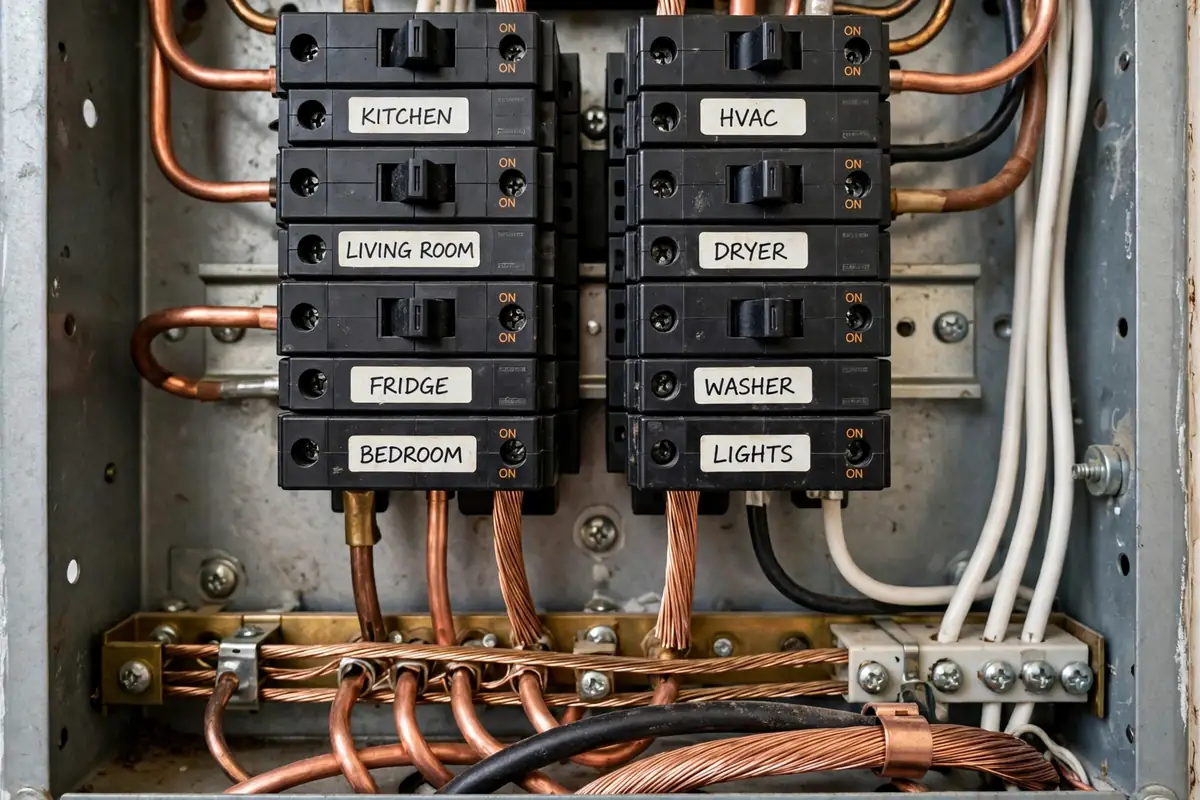
Homestead rebuilt after Hurricane Andrew under some of the strictest building codes in the country, and that history shows up in the electrical work. Much of the city's housing stock is newer than in comparable Florida towns: panels with real capacity, garages wired as proper rooms rather than afterthoughts, and construction that anticipated modern loads. For charger installs, that often means the conversation starts ahead — the panel question still gets a proper load calculation, but newer east-side homes frequently have the headroom for a full-rate Level 2 circuit without intermediate steps.
Newer does not mean automatic, though. Production-built subdivisions were wired to a plan, and that plan's spare capacity varies by builder and year. Air conditioning, a pool, an electric range, and a dryer still add up the same way everywhere in Florida. The calculation under NEC Article 220 settles it in numbers rather than assumptions, and where the numbers are tight, the ladder is the familiar one: configure the charger's amperage, add load management that throttles charging while household peaks run, and treat panel work as the last rung. Our panel upgrade page explains that ladder in full.
Acreage Changes Everything About the Circuit
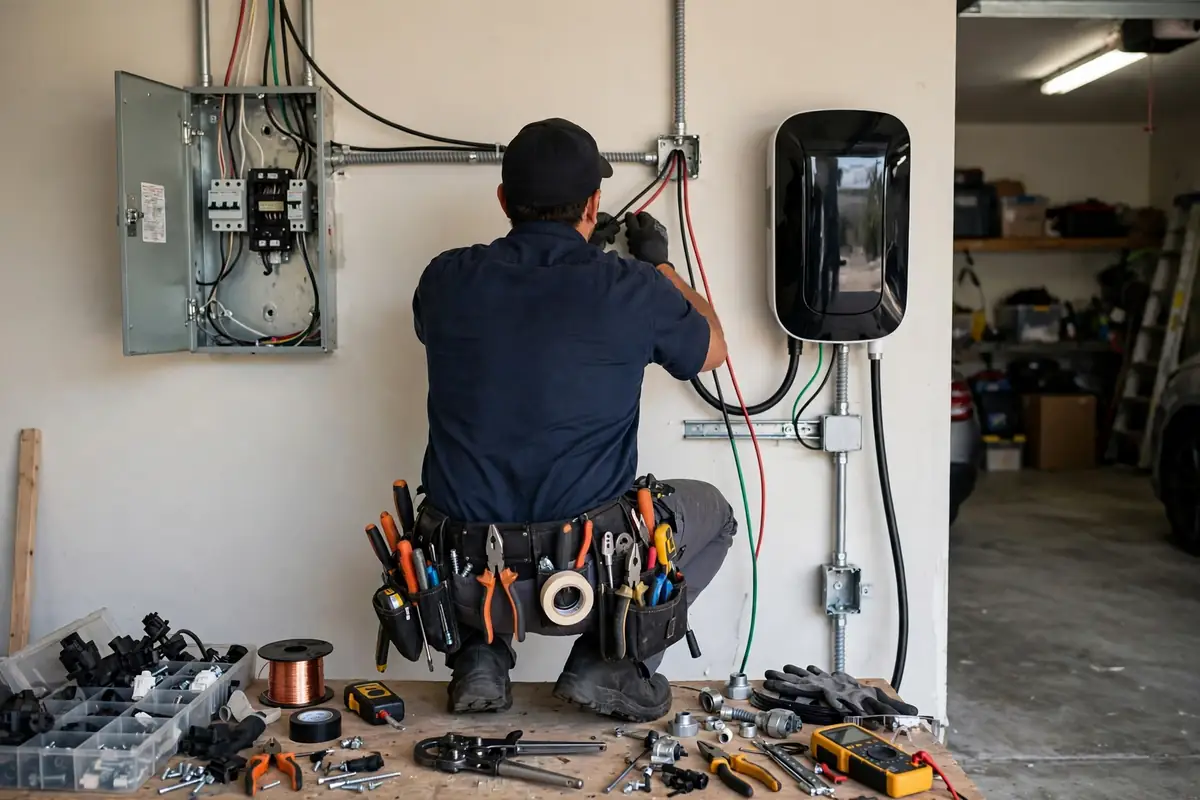
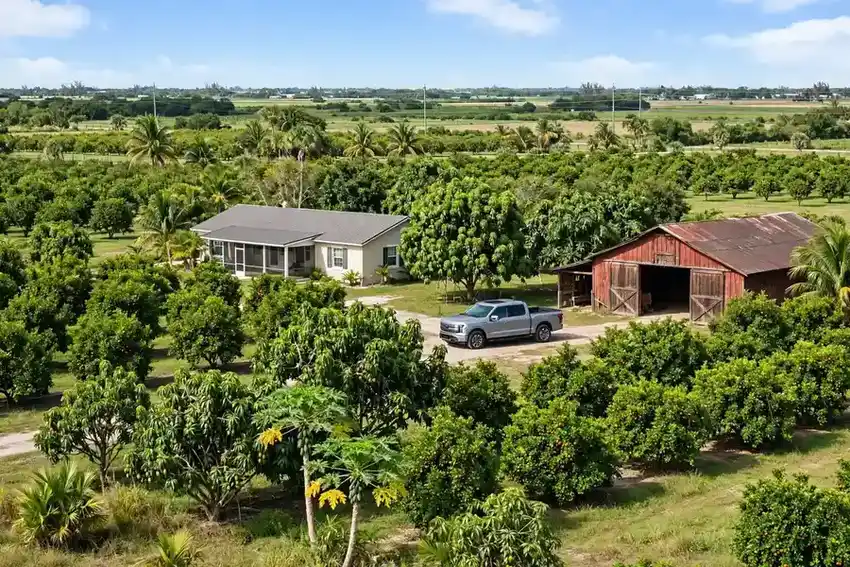
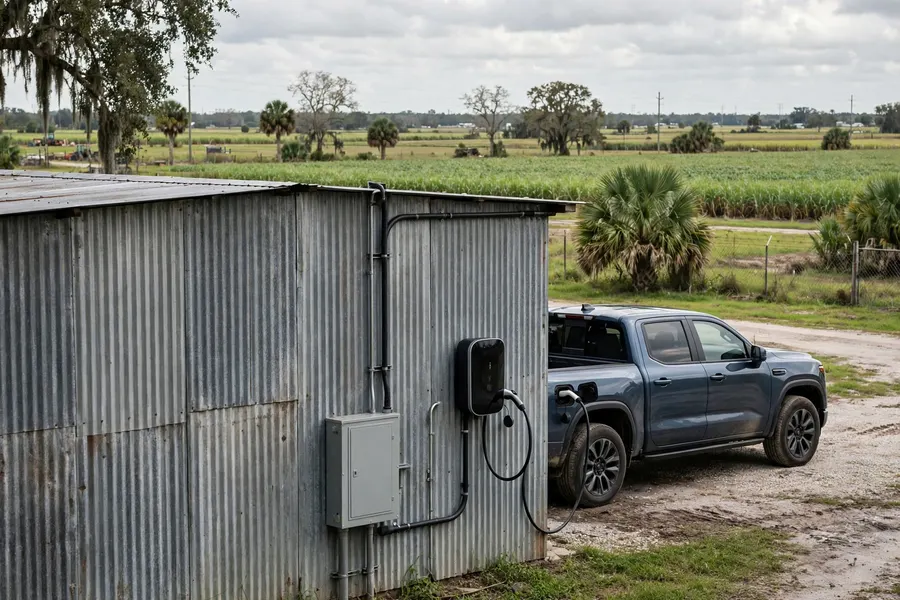
The Redland is where Homestead installs get interesting. Agricultural and semi-rural properties here park vehicles in more places than a garage: beside a workshop, under a barn overhang, at an equipment shed down a long drive. An EV that works the property may charge where it sleeps, and where it sleeps may be a long way from the main panel.
Long runs are an engineering problem with honest answers. Distance means voltage drop to calculate, wire sized up accordingly, and often a subpanel at the outbuilding as the cleaner solution — capacity delivered to the workshop once, serving the charger and the building's other loads from a local point. Where the route crosses open ground, trenching and conduit become part of the job, planned around irrigation, septic, and the way the property actually drains in summer rain. None of this is exotic work, but it is work that has to be designed rather than improvised, and quotes for acreage installs that never mention distance or voltage drop are quotes that have not looked at your property.
If your charger belongs at a barn or workshop, describe the layout on the first call — panel location, building locations, approximate distances. The assessment for a Redland property starts with a map, not a catalog.
EV Charging Services in Homestead, FL
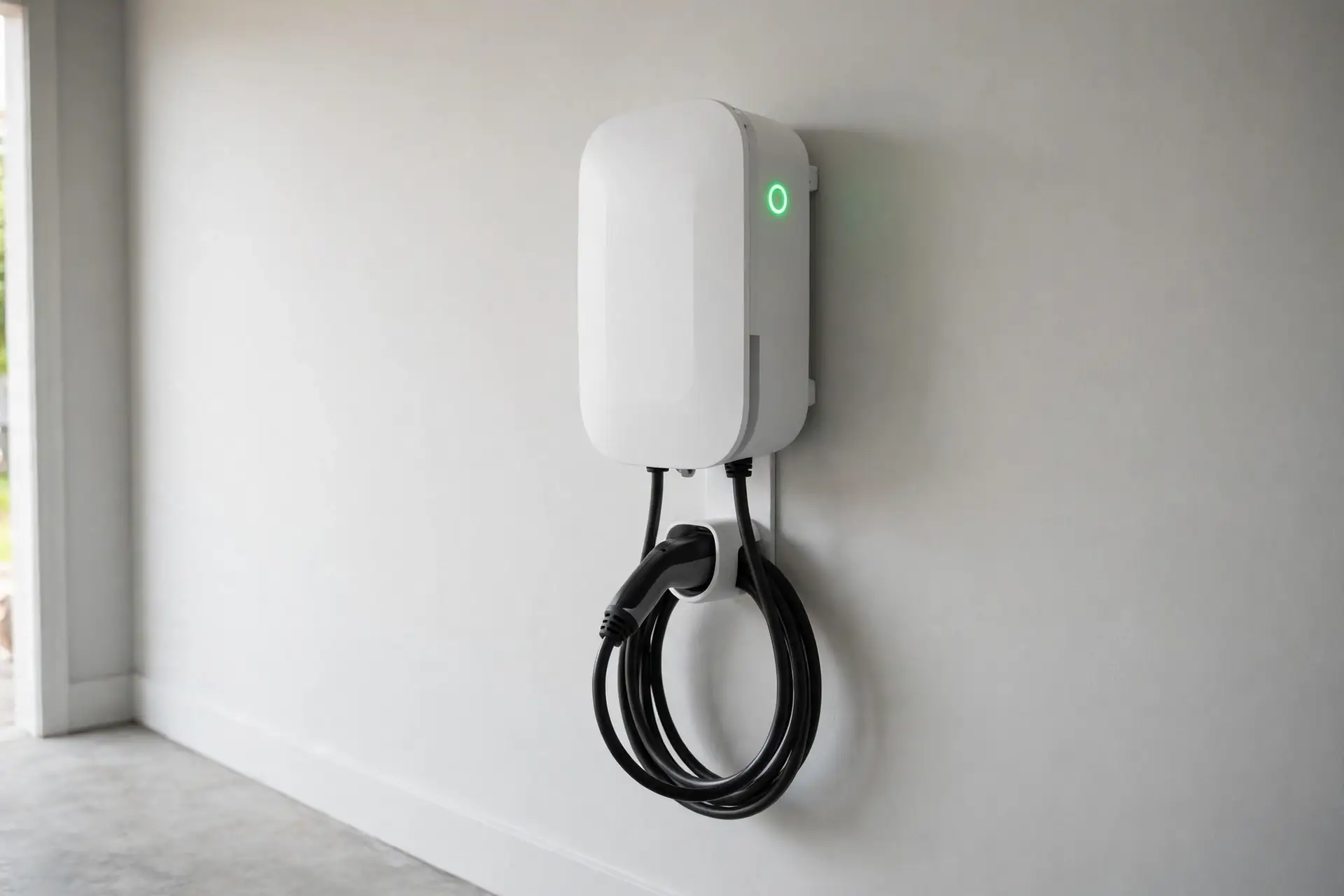
- Residential EV Charger Installation — Home Level 2 installs for newer subdivisions and established Homestead neighborhoods alike.
- Tesla Wall Connector Installation — Wall Connector installs for Tesla households across south Miami-Dade.
- Level 2 EV Charger Installation — 240-volt charging for every EV make, including subpanel-fed installs at outbuildings.
- Electrical Panel Upgrade for EV Chargers — Capacity answers from load calculation first, with subpanels for workshops and barns.
- Commercial EV Charging Station Installation — Charging for nurseries, packing operations, workplaces, and multifamily properties.
- EV Charger Repair and Maintenance — Diagnostics and repair for chargers that trip, fault, or weather a storm badly.
Two Utilities, Two Permit Desks — Your Address Decides
Homestead is unusual in Florida: inside the city, the electric utility is the city's own — Homestead Energy Services. We make no program claims on the city's behalf; what matters for your install is that a privately owned charger on your own panel is the route here, installed to code and inspected like any other circuit. Addresses in the Redland and Florida City direction that sit outside the city fall in Florida Power and Light territory instead, and for those homes the FPL conversation exists: FPL's EVolution Home subscription, at 36 dollars a month full-service or 27 dollars a month equipment-only on a 10-year agreement with FPL owning the charger and unlimited off-peak charging, applies only in FPL territory — and even there it excludes solar net-metering customers and all condos and apartments. Our FPL EVolution versus buying your own charger guide lays out that comparison for the addresses it actually applies to.
Permits follow the same address logic. Inside Homestead, charger circuits are permitted through the City of Homestead. In unincorporated Miami-Dade County — much of the Redland — the permit runs through Miami-Dade County. The standard is identical either way: application, code-built circuit, inspection, closed record. The Florida EV charger permit guide explains why that closed record protects you at insurance and resale time. We file at the desk your address belongs to and confirm which one that is during assessment, before anyone schedules work.
Storm Readiness Is a Design Requirement Here
No Florida city has earned its storm seriousness the way Homestead has. Charger planning here treats hurricane season as a design input, not a footnote. That means mounting and routing decided with wind-driven rain in mind, outdoor equipment rated for real exposure, conduit sealed at every penetration, and a serious conversation about whole-home surge protection — the electrical grid works hard during storm recovery, and connected electronics like chargers ride every fluctuation of it.
It also means honest expectations. A grid-tied charger does not charge during an outage, and a standard install does not turn the car into a house battery. What a well-built install does is survive the season and return to work when power does — no corrosion started at an unsealed fitting, no fault waiting from a surge in June. For acreage properties, add one more item: outbuilding circuits and trench routes get checked against how your land actually floods, because the Redland's summer water has opinions about shallow conduit. The outdoor EV charger installation guide covers the exposure specification in detail.
Driving Reality in the Deep South End
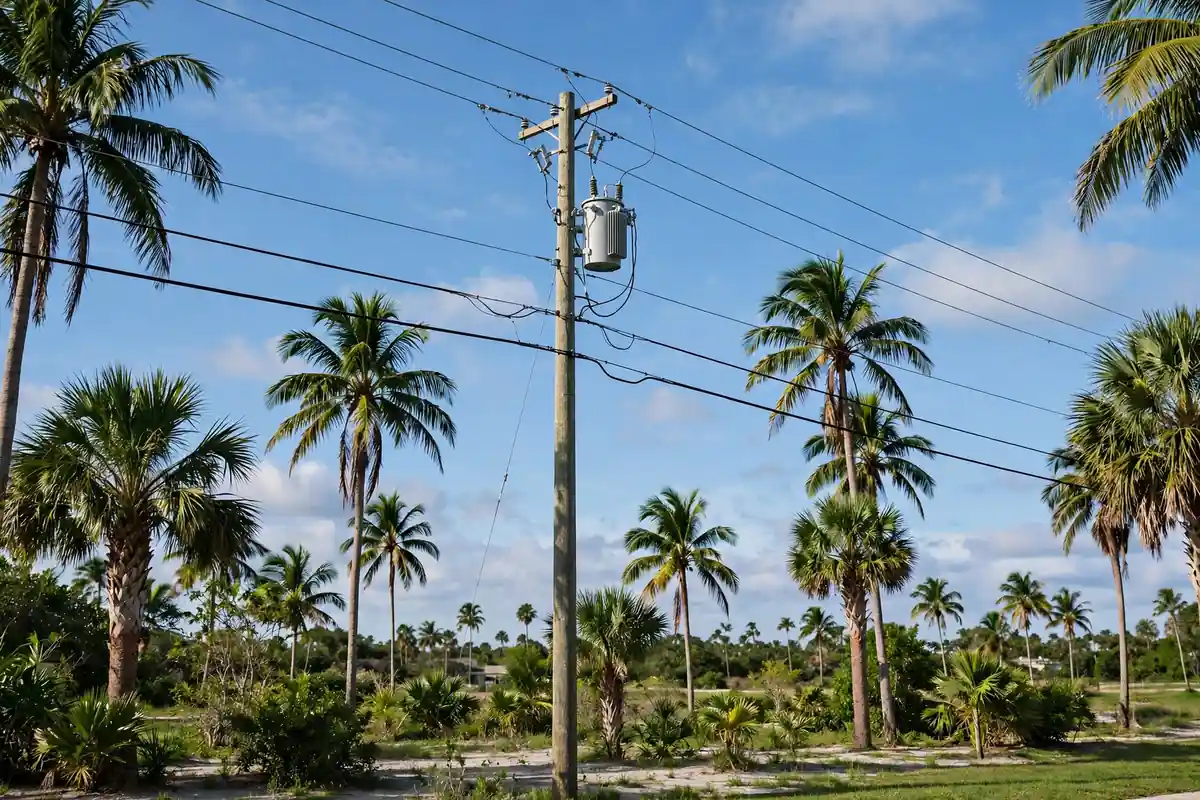
Homestead drivers cover ground. The commute up US-1 or the Turnpike extension toward Kendall and Doral is a genuine daily distance, the Keys begin at the city's doorstep, and farm and nursery work runs trucks and cars between properties all day. Public charging in the south end exists but is spaced like the territory — relying on it for a daily long commute means building your schedule around stations instead of your life.
Home charging inverts that. The car fills overnight at off-peak hours and starts the Turnpike run full every morning. For households with a vehicle at the house and another at a workshop or barn, charging at both buildings turns the property itself into the fueling system — which, on Redland acreage, is exactly what the land has always done for diesel and equipment. The charger simply extends the pattern to the family EV.
How It Works
Step 1: Address first
City or county, subdivision or acreage, panel location and where the vehicle sleeps. In Homestead, the address answers half the planning questions, so we start there.
Step 2: Load calculation and route plan
We total the home's demand, show the spare capacity, and for outbuildings map the run — distance, wire size, subpanel or direct feed — before any hardware is chosen.
Step 3: Permit and install day
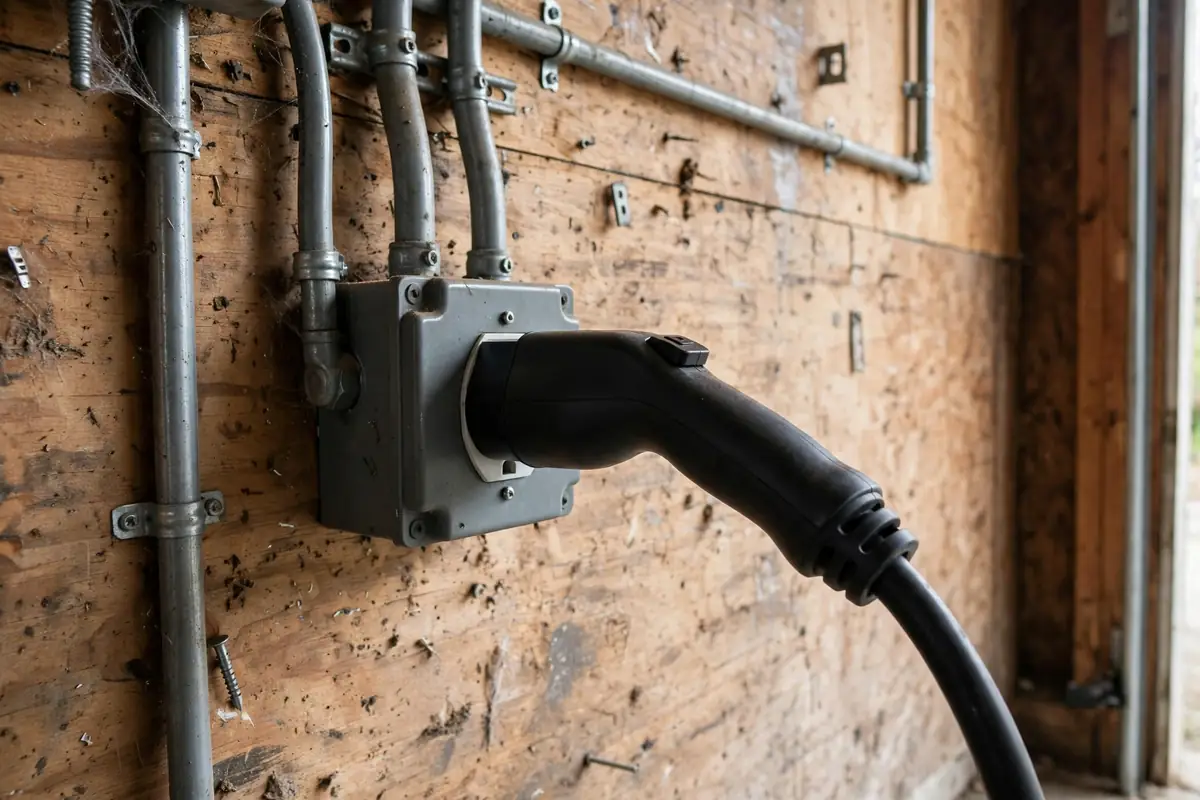
Permit filed with the city or county as your address requires, circuit built to the filed plan, charger mounted and configured, and tested with your vehicle plugged in.
Step 4: Inspection and records
Inspection closes the permit. You receive the closed record, charger configuration, and panel or subpanel labeling for your files.
On the Ground in Homestead
Homestead installs divide the way the city divides: east-side subdivisions with modern garages and HOA streetscapes, in-town neighborhoods with decades of layered renovations, and Redland properties where the charger shares a building with tools, tractors, and workbenches. Florida City sits at the southern edge as surrounding area, and the road to the Keys runs past the city's front door. The constants are post-Andrew code discipline, a city utility inside the limits and FPL outside them, two permit desks, and summer storms that test every seal. That is the specification sheet for a Homestead charger — say which Homestead you live in when you call through the contact page, and the plan will start from the right one. The wider locations overview shows where Homestead fits in the statewide picture.
Questions to Ask Any Homestead Installer
Ask five questions of anyone quoting your job, including us: Will you show me a load calculation before recommending panel work? Which permit desk covers my address — the city or the county — and who files there? For an outbuilding install, how are you handling distance and voltage drop? What surge protection and sealing does your storm-season specification include? What amperage will the charger be configured to, and what breaker and wire support it? Fluent answers mark an electrician who has worked the south end. Hesitation on the permit or distance questions marks one who has not.
Frequently Asked Questions
Who provides electric service at my Homestead address?
Inside the city, Homestead Energy Services — the city's own utility — serves your home, and a privately owned, permitted charger install is the route. Redland and Florida City addresses outside the city are generally FPL territory, where FPL's EVolution subscription may also be an option to compare. Your address settles which picture applies, and we confirm it during assessment.
Can a charger be installed at my Redland workshop or barn?
Yes — it is one of the more common acreage jobs here. The design usually runs through a subpanel at the outbuilding, with wire sized for the distance and trenching planned around irrigation and drainage. The assessment starts with the property layout: panel position, building position, and the ground between them.
Which office permits a charger install in Homestead?
City addresses are permitted through the City of Homestead; unincorporated addresses, including much of the Redland, go through Miami-Dade County. Both close with an inspection, and you should receive the closed permit record either way — ask for it by name when the job finishes.
Does newer post-Andrew construction mean I skip the panel question?
It means the odds start in your favor, not that the question disappears. Newer Homestead homes often carry panels with genuine headroom, but the load calculation still runs — air conditioning, pool equipment, and kitchen loads decide capacity, and the numbers are quick to produce and free to look at before hardware is chosen.
How does a Homestead install hold up through hurricane season?
By specification: rated outdoor equipment where exposed, sealed conduit and fittings, mounting placed with driven rain and property drainage in mind, and whole-home surge protection strongly advised. The charger will not operate during an outage — no standard grid-tied install does — but a correctly built one returns to service cleanly when power does.
Is FPL EVolution available at my Homestead home?
Only if your address is in FPL territory, which generally means outside the city limits in the Redland or Florida City direction. Inside Homestead, the city utility serves you and EVolution does not apply. Where it does apply, remember its limits: FPL owns the charger, the agreement runs 10 years, and solar net-metering homes, condos, and apartments are excluded.
Get Your Charger Installed in Homestead
Permitted, inspected, and built for the subdivision or the acreage — one call books the assessment for your Homestead address.
(407) 557-4153 · Mon–Fri 7:00 AM – 10:00 PM · Sat 8:00 AM – 10:00 PM · Sun 7:00 AM – 9:00 PM ET