One Ranch, Two Permit Desks
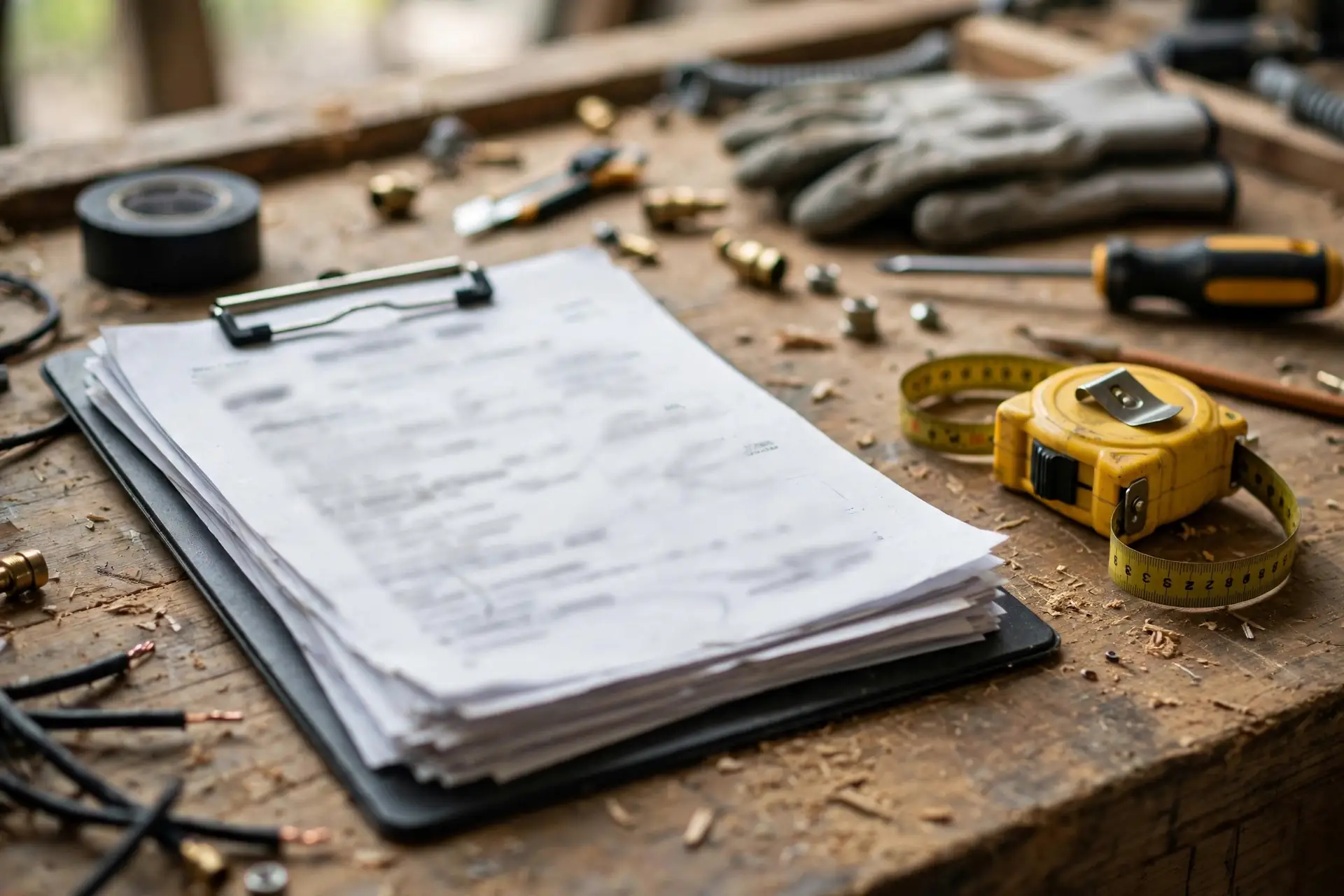
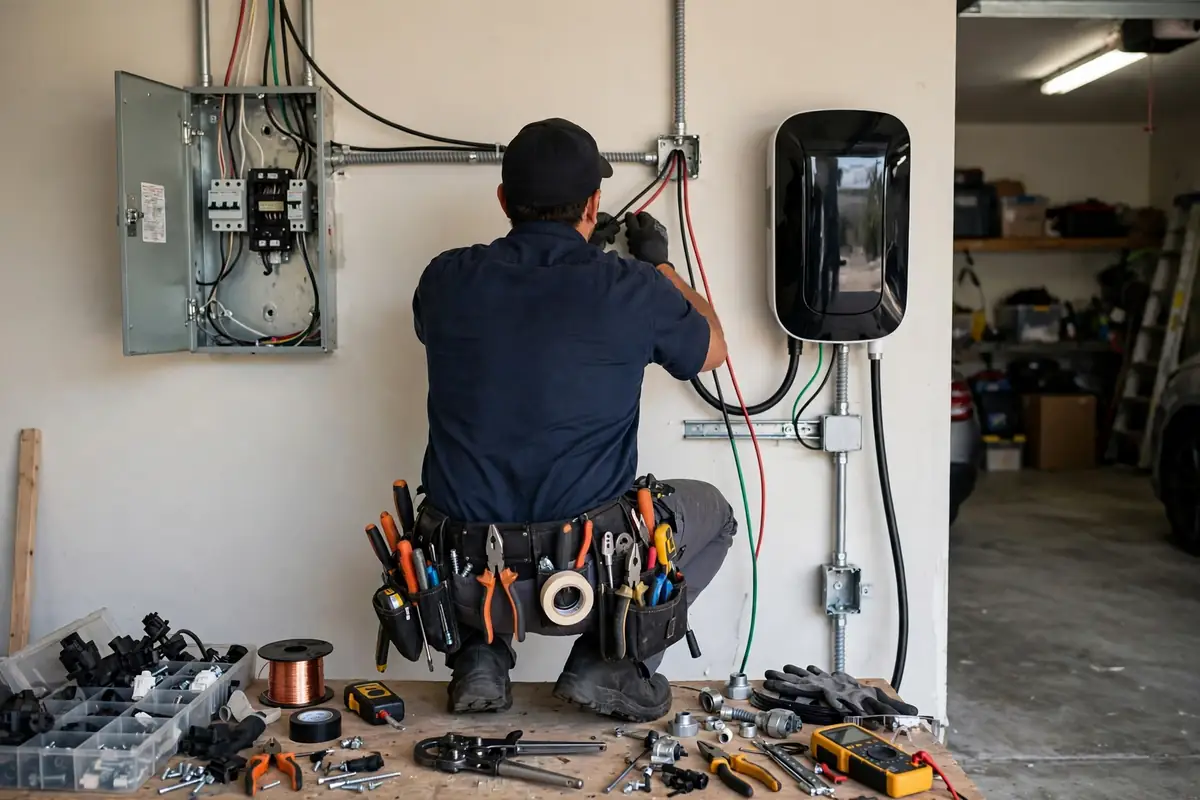
The first question in a Lakewood Ranch install is not about chargers. It is about geography. Homes north of the county line file electrical permits through Manatee County. Homes south of the line file through Sarasota County. Two houses on the same morning walk can belong to different permit systems, different application portals, and different inspection schedules — while sharing the same community name on the mailbox.
That split is easy to get wrong if an installer assumes one desk serves the whole Ranch. We confirm the county from the property address at the assessment stage, file where the address belongs, and schedule the inspection with the correct office. The rest of the work follows the same Florida Building Code either way: permitted circuit, listed equipment, inspection to close. Our Florida EV charger permit guide explains the statewide shape of the process, and the county detail is handled for you as part of the job.
A closed permit matters here for a practical reason beyond safety. Lakewood Ranch villages are young, homes change hands while neighborhoods are still being built out, and a documented, inspected charger circuit is one less question in a resale file. The permit record travels with the house; an unpermitted circuit travels as a doubt.
Village by Village, the Houses Are New — the Questions Are Not
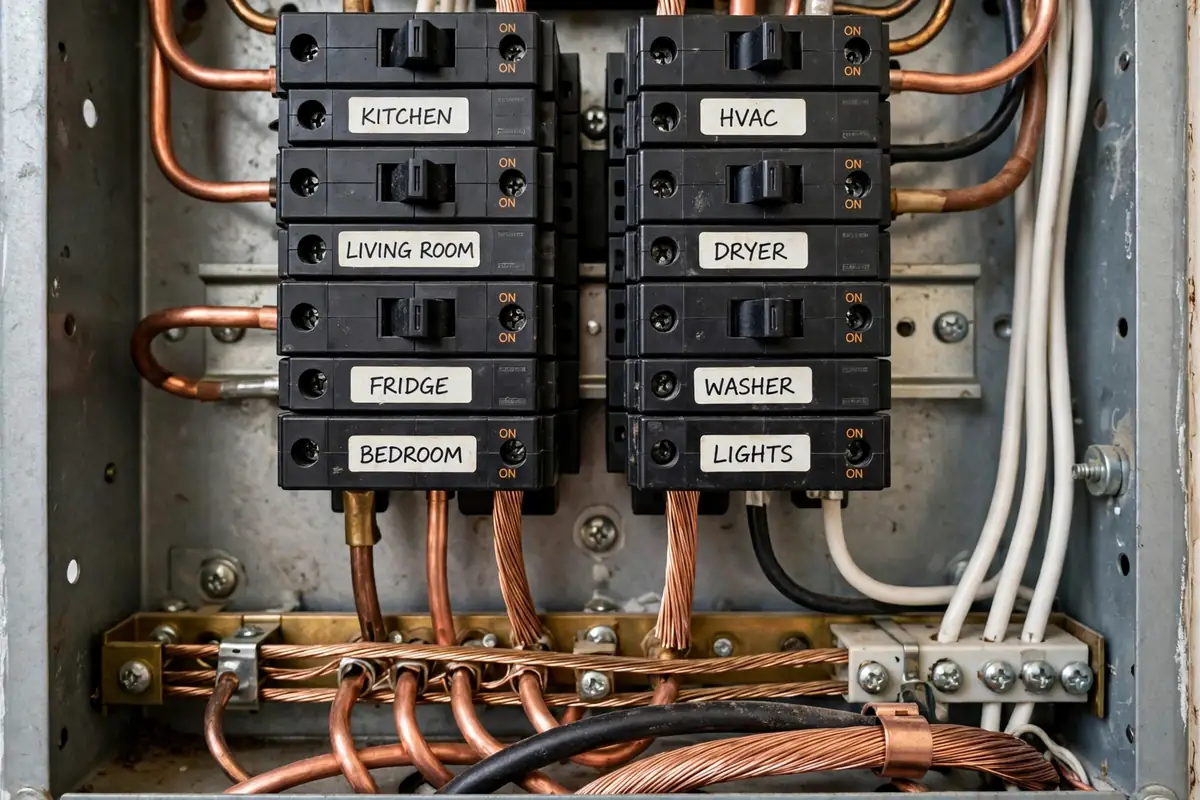
Because construction here proceeds village by village, much of Lakewood Ranch housing is recent: open plans, three-car garages in many models, and electrical service sized for modern loads. Newer panels commonly start with more headroom than the older Florida housing stock an hour away. That headroom still gets verified, not assumed. Builders vary by village and phase, panel locations vary by floor plan, and a home finished last year may have a garage panel a few feet from the parking spot while the same model in another village routes from the opposite wall.
A load calculation under NEC Article 220 settles the question for your specific house. It totals air conditioning, range, dryer, water heater, and pool equipment where present, then compares the result with your service size. Newer 200-amp homes often accept a 40- or 50-amp charger circuit directly. Where the math is closer, configured amperage or a load management system that trims charging during household peaks usually resolves it before panel work enters the discussion. Our electrical panel upgrade page explains that sequence in full.
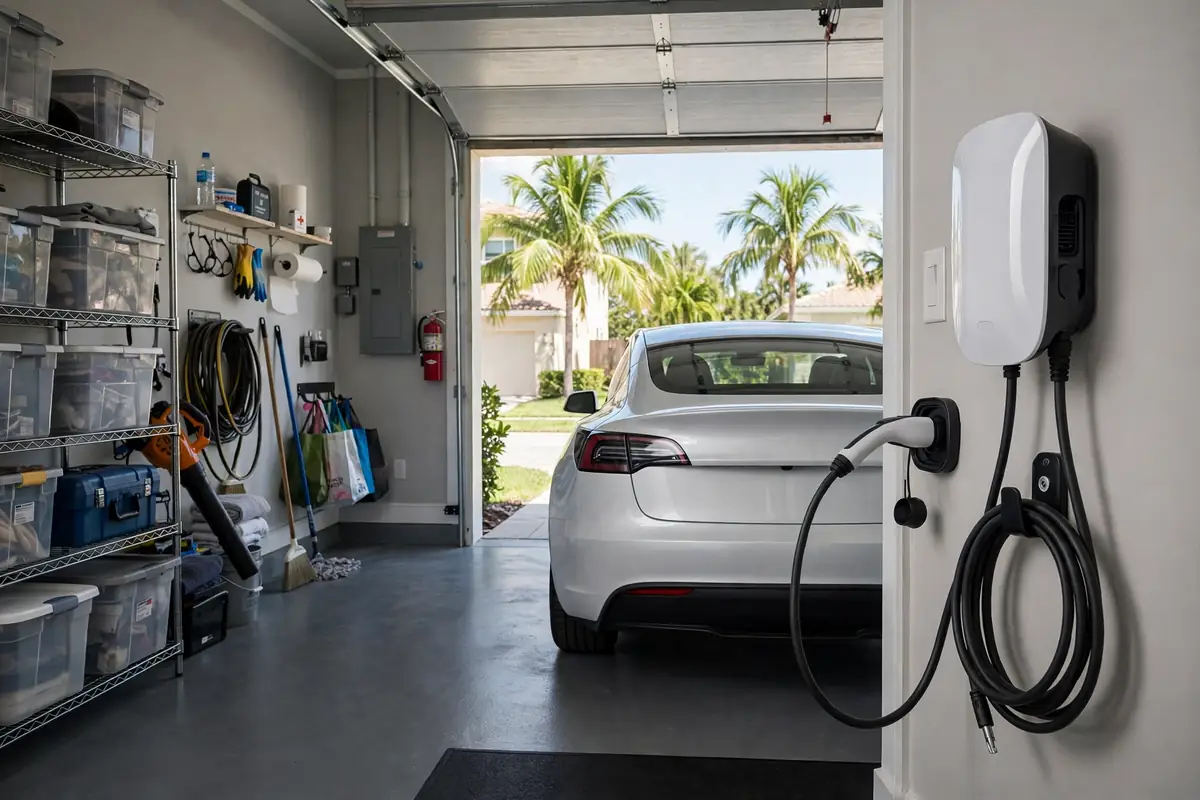
For homes still being planned or recently closed, there is also a timing advantage worth naming: deciding charger placement while the garage is still empty — before storage systems, workbenches, and golf gear claim the walls — produces cleaner conduit runs and better cable reach than retrofitting around a settled garage.
EV Charging Services in Lakewood Ranch, FL
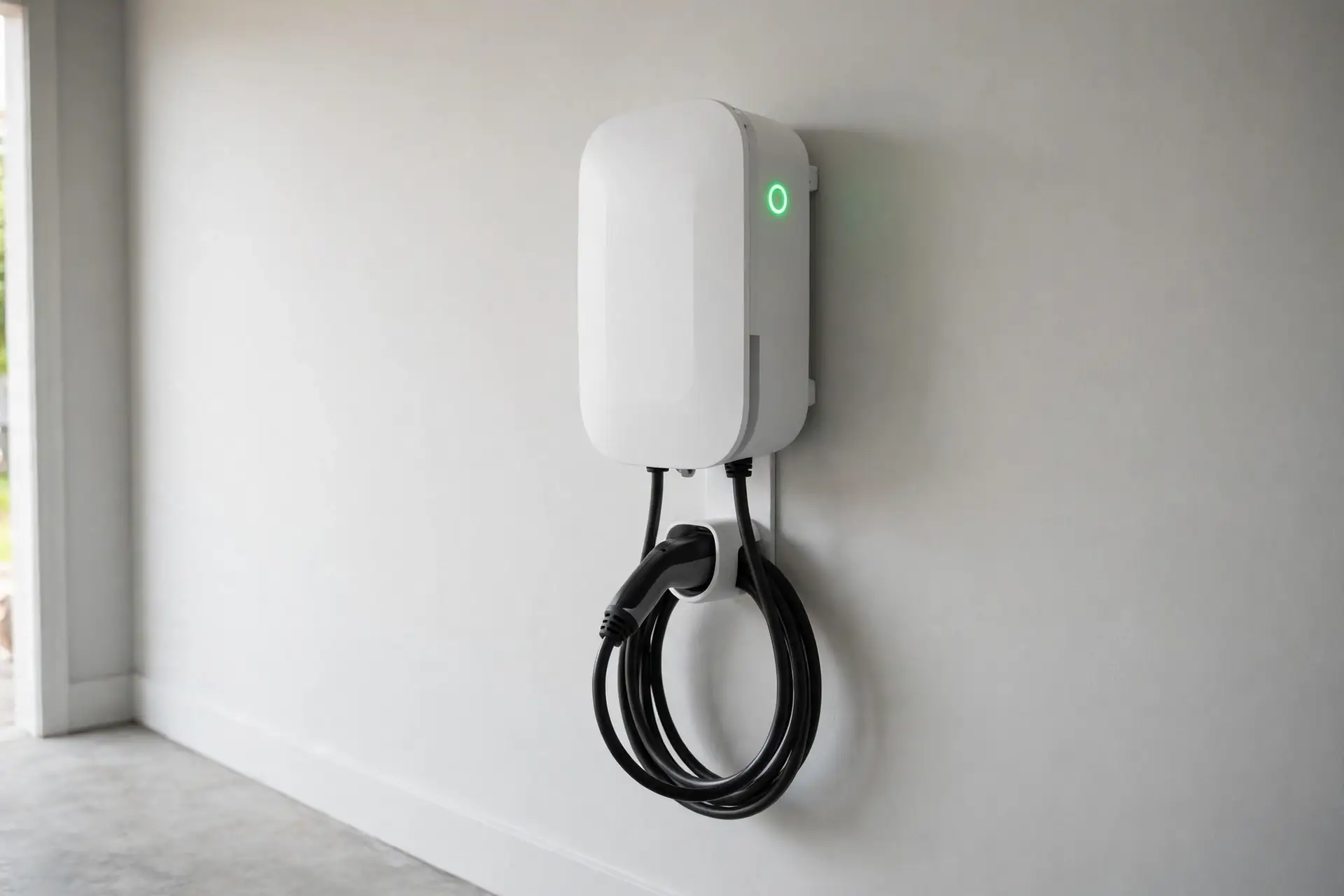
- Residential EV Charger Installation — Home Level 2 installs matched to Lakewood Ranch floor plans and garage layouts.
- Tesla Wall Connector Installation — Wall Connector and Universal Wall Connector installs, including multi-bay garage placement.
- Level 2 EV Charger Installation — 240-volt charging for every EV make, hardwired or plug-in, configured to the circuit.
- Electrical Panel Upgrade for EV Chargers — Verified load calculations first, with load management and panel work where needed.
- Commercial EV Charging Station Installation — Charging for Ranch businesses, offices, and community amenities.
- EV Charger Repair and Maintenance — Diagnostics and repair for chargers that trip, disconnect, or underperform.
Rooftop Solar Changes the Utility Math Here
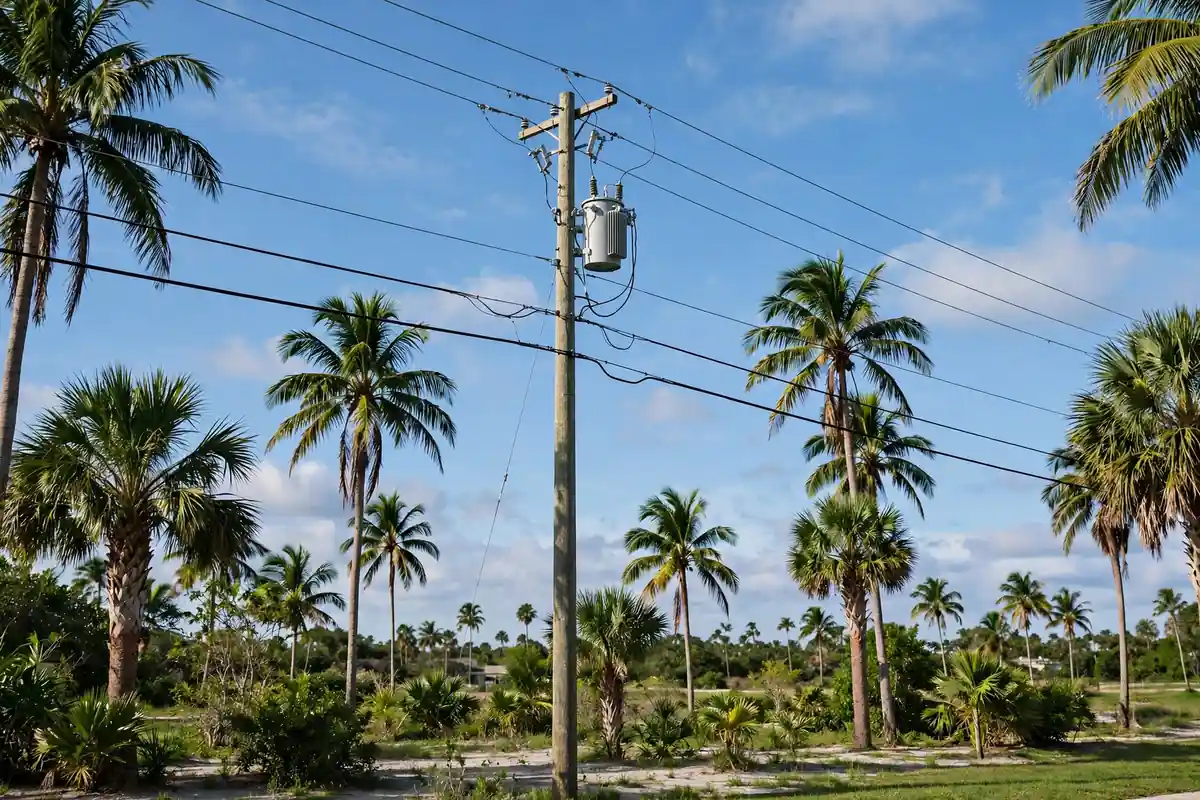
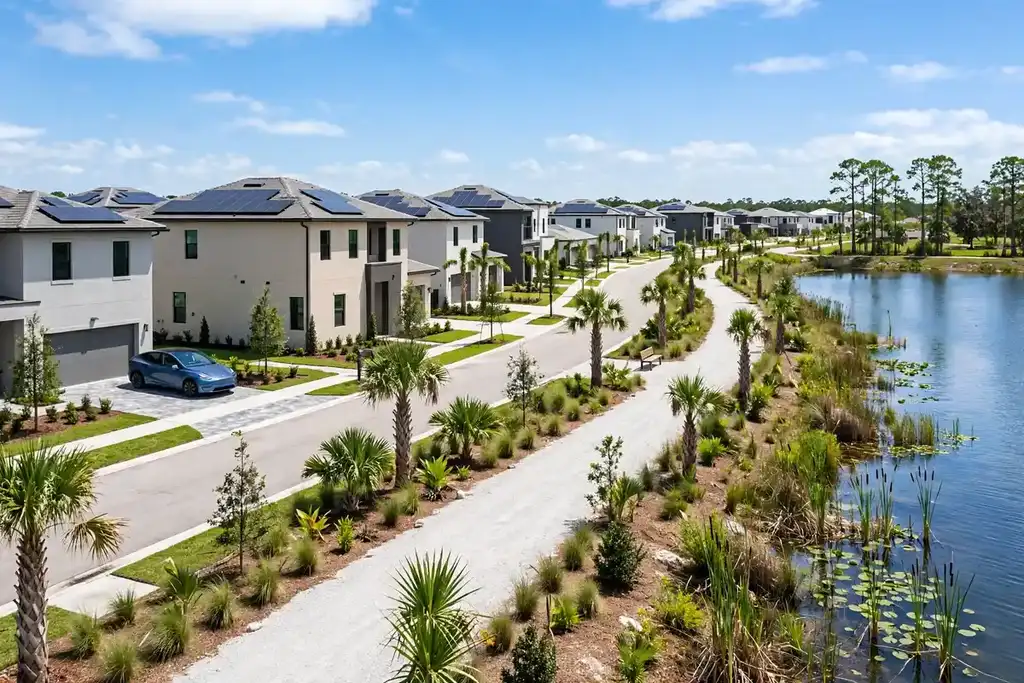
Solar panels are a familiar sight on Lakewood Ranch roofs, and solar ownership intersects with charger ownership in one specific way every homeowner here should know before signing anything. FPL serves the Ranch, and its EVolution Home subscription — 36 dollars a month for full service, 27 dollars a month for equipment only, on a 10-year agreement where FPL owns the charger and unlimited charging applies during off-peak windows — is not open to solar net-metering customers. A household that exports solar power to the grid under net metering cannot enroll. A household planning solar next year would be enrolling in a program its own roof will disqualify.
For solar homes, the practical route is owning the charger outright and scheduling it intelligently. A grid-tied charger cannot power a car from the roof during an outage, and midday production does not automatically match overnight charging. What scheduling can do is shift sessions into production hours on days the car stays home, and size charging draw sensibly against what the house is using. Our guide to charging an EV with solar in Florida works through those trade-offs honestly, and the FPL EVolution comparison guide lays the subscription beside ownership so Ranch households can decide with both term sheets visible.
Community Design Review in the Villages
Lakewood Ranch communities maintain design standards, and village associations review exterior work. A charger inside the garage is rarely an issue. Equipment or conduit visible from the street, a charger serving driveway parking, or changes near the front elevation may need association design review before installation. Review packets are usually simple — equipment description, location sketch, and electrician and permit details — but they take calendar time, and villages process them on their own schedules.
We raise review requirements during the assessment, while placement can still be adjusted on paper at no cost. Florida law supports a homeowner ability to charge at home while allowing associations reasonable conditions on appearance and process; our Florida condo and HOA EV charger rights guide covers that framework. The Ranch version of the rule is simple: a tidy submission early beats an explanation later.
Charging Around Ranch Life
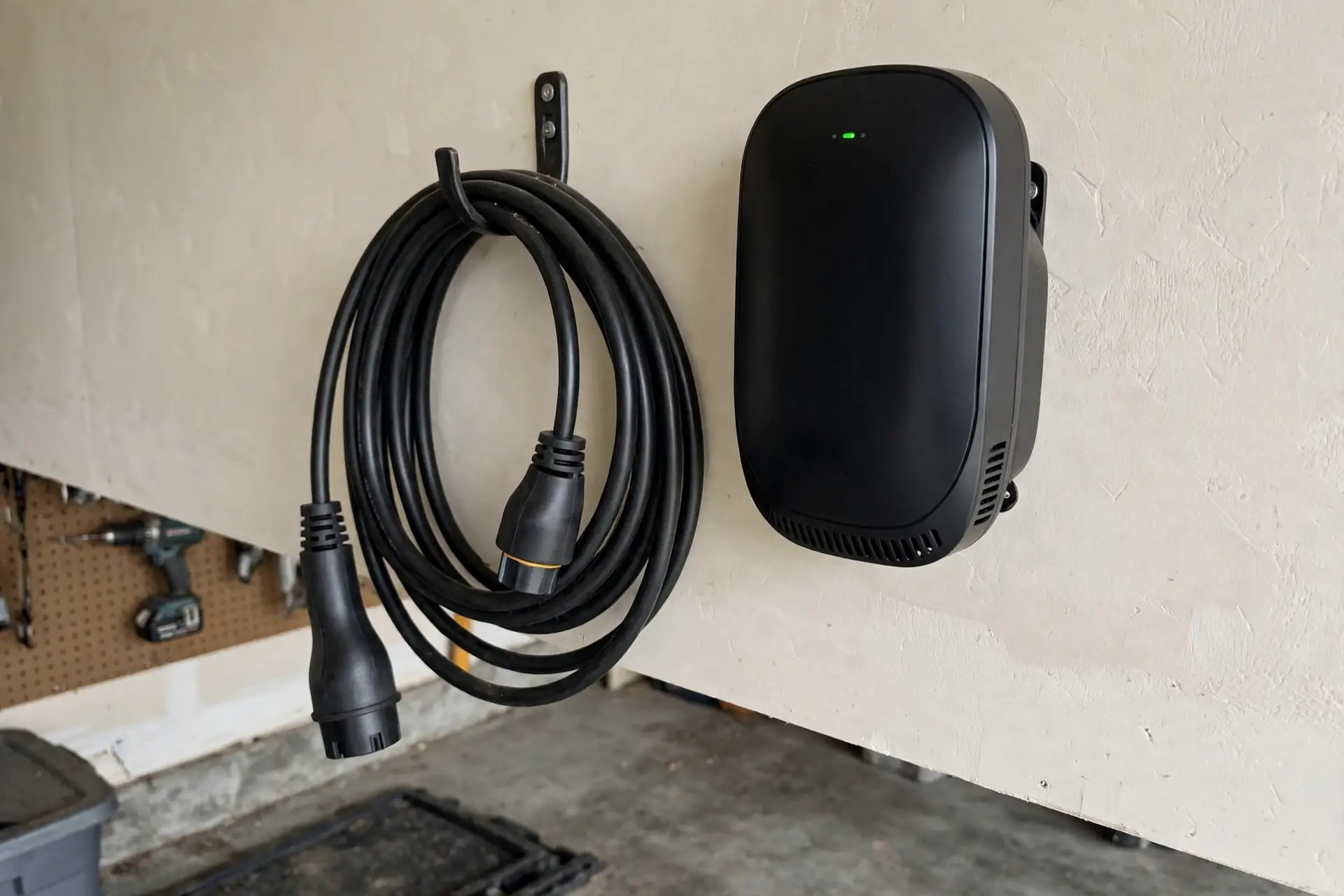
Daily patterns here run on University Parkway and Lakewood Ranch Boulevard, out to Interstate 75 for commutes toward Sarasota, Bradenton, and Tampa. Many households pair an EV commuter car with a larger family vehicle, and golf carts share garage space with both. Charger placement has to respect that choreography: cables that do not cross the cart path, equipment clear of where bikes and boards are stored, and a charge port reach worked out for the car that parks farthest from the panel.
Seasonal residents are part of Ranch life too. A charger installed for a home that sits quiet for stretches needs surge protection discussed at install time and equipment that restarts predictably after outages, so the car charges on arrival day rather than after a troubleshooting call. Florida summer lightning makes that conversation standard practice in our assessments on both sides of the county line. The same thinking applies to guests and adult children visiting with their own EVs: a charger placed where a visiting car can reach it, without blocking the household cars, turns a holiday parking shuffle into a non-event, and that reach is easiest to arrange before the circuit is run.
How It Works
Step 1: County first, then car
We confirm whether your address sits in Manatee County or Sarasota County, then cover the EV model, parking, and panel basics. A panel photo speeds this up.
Step 2: Calculation and placement together
The load calculation sets the circuit and charger settings. Placement planning sets the location, cable reach, and any design review packet your village requires.
Step 3: Permit, install, test
We file with the correct county, install the circuit and charger, configure amperage to the circuit, and test with your vehicle connected.
Step 4: Inspection in the right county
The county inspection closes the permit. You keep the closed record, configuration notes, and panel labeling for your house file.
On the Ground in Lakewood Ranch
The Ranch runs on village centers, the Farmers Market at Lakewood Ranch, youth sports fields, and long evening walks on its trails — with most working life flowing out along University Parkway to Interstate 75. Homes here are new enough that panels are rarely antiques, solar roofs are common enough to shape utility decisions, and a county line runs through the middle of what feels like one town. Our Lakewood Ranch work is built on those three facts: verify the panel, respect the solar question, and file the permit in the county the address actually belongs to.
Questions to Ask Any Lakewood Ranch Installer
Ask which county they will file your permit in, and make them name it from your address rather than from the community name. Ask to see the load calculation behind any recommended circuit size. Ask how rooftop solar — present or planned — changes their recommendation, and whether they know the solar limit in the FPL subscription program. Ask what your village design review will need and who prepares it. Ask what surge protection they recommend for a home that sits empty in summer. Answers grounded in your village, your county, and your roof are what you are listening for.
Frequently Asked Questions
My Lakewood Ranch street is near the county line. How do I know which county permits my charger?
Your property address decides it, not the community name. Parcels north of the line are permitted through Manatee County and parcels south of it through Sarasota County. We verify the county from the address before filing anything.
If my Lakewood Ranch home has solar net metering, what are my charger options?
Owning your charger is the working route, because the FPL EVolution subscription is not open to solar net-metering customers. A privately installed charger can also be scheduled toward your production hours when the car is home during the day.
Do new Lakewood Ranch homes still need a load calculation for a charger?
Yes. Newer homes often have more panel headroom, but builder, floor plan, and options like pool equipment change the total. The calculation confirms the circuit size and charger setting for your house instead of relying on the build year.
Will my village association review a charger that sits inside my garage?
Interior garage installs usually raise no review issue. Review typically applies to equipment or conduit visible from outside the home. We check your village requirements during the assessment so you know before installation day.
Can a charger share a Lakewood Ranch garage with a golf cart comfortably?
Yes, with placement planned for it. Keeping the charger and its cable out of the cart path and off shared floor space is a layout decision made on paper first — port location, parking direction, and cable storage all factor in.
We are seasonal Lakewood Ranch residents. What should our charger do while we are away?
Very little, and reliably. The right setup is surge protection discussed at install, equipment that recovers cleanly after power outages, and a configuration that simply works when you plug in on arrival. We set seasonal homes up with that pattern in mind.
Get Your Charger Installed in Lakewood Ranch
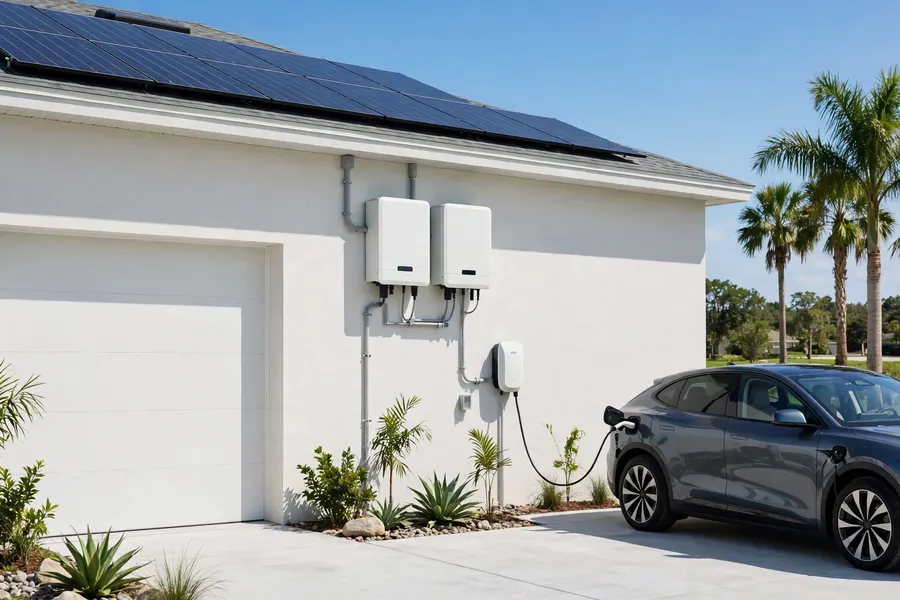
Filed in the right county, sized from a real calculation, and ready for Ranch routines — one call starts the assessment.
(407) 557-4153 · Mon–Fri 7:00 AM – 10:00 PM · Sat 8:00 AM – 10:00 PM · Sun 7:00 AM – 9:00 PM ET