Home Charging Built for Clearwater Homes
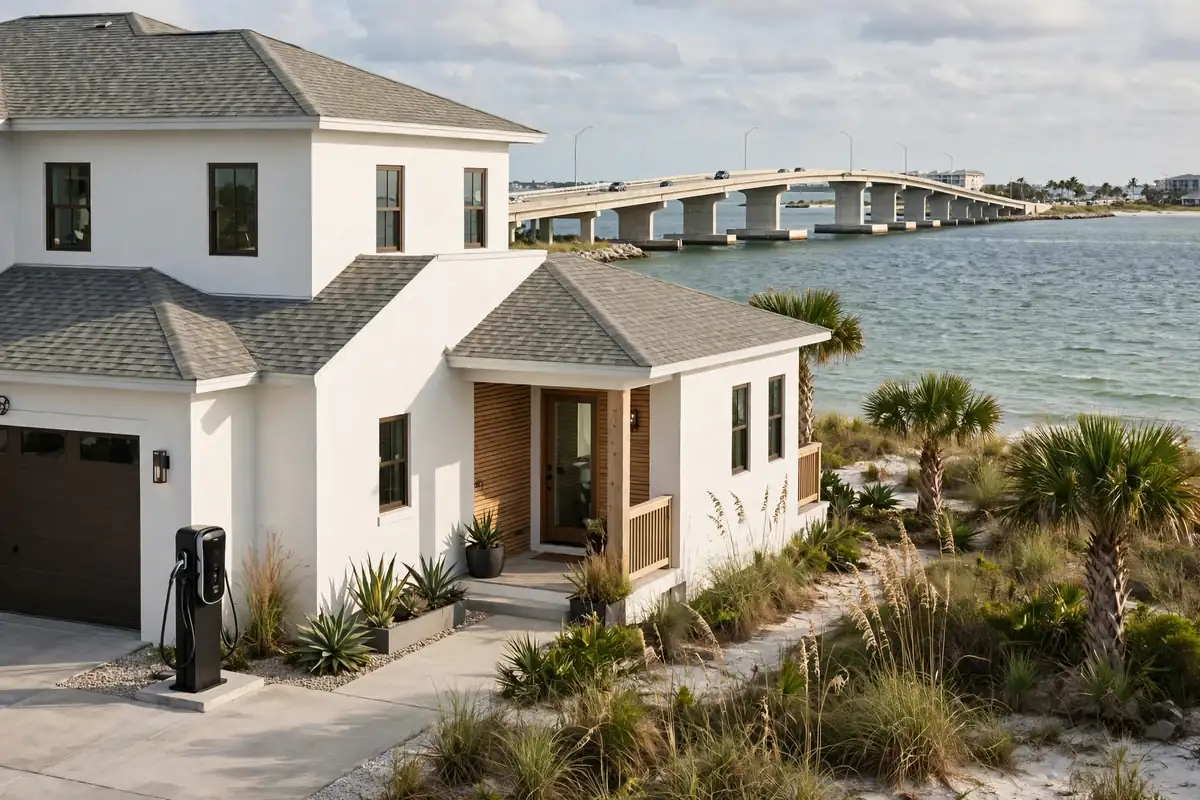
Housing in Clearwater is condo towers on Sand Key and Island Estates, coastal single-family homes near the beaches, and roomy 1970s-90s subdivisions in Countryside — plus a large stock of second homes that sit empty for weeks between owner visits. That variety is why a charger install here starts with the house, not the charger: where the panel sits, how far the run is, and whether the garage, carport, or driveway is the right mounting point.
Our electricians work in Island Estates, Clearwater Beach, Sand Key, Countryside, Morningside and the surrounding neighborhoods every week. We size the circuit to your panel's real capacity, route the conduit cleanly, and place the charger where your routine actually parks the car — because a charger that is awkward to reach is a charger that stops getting used.
The Case for Charging Where You Sleep
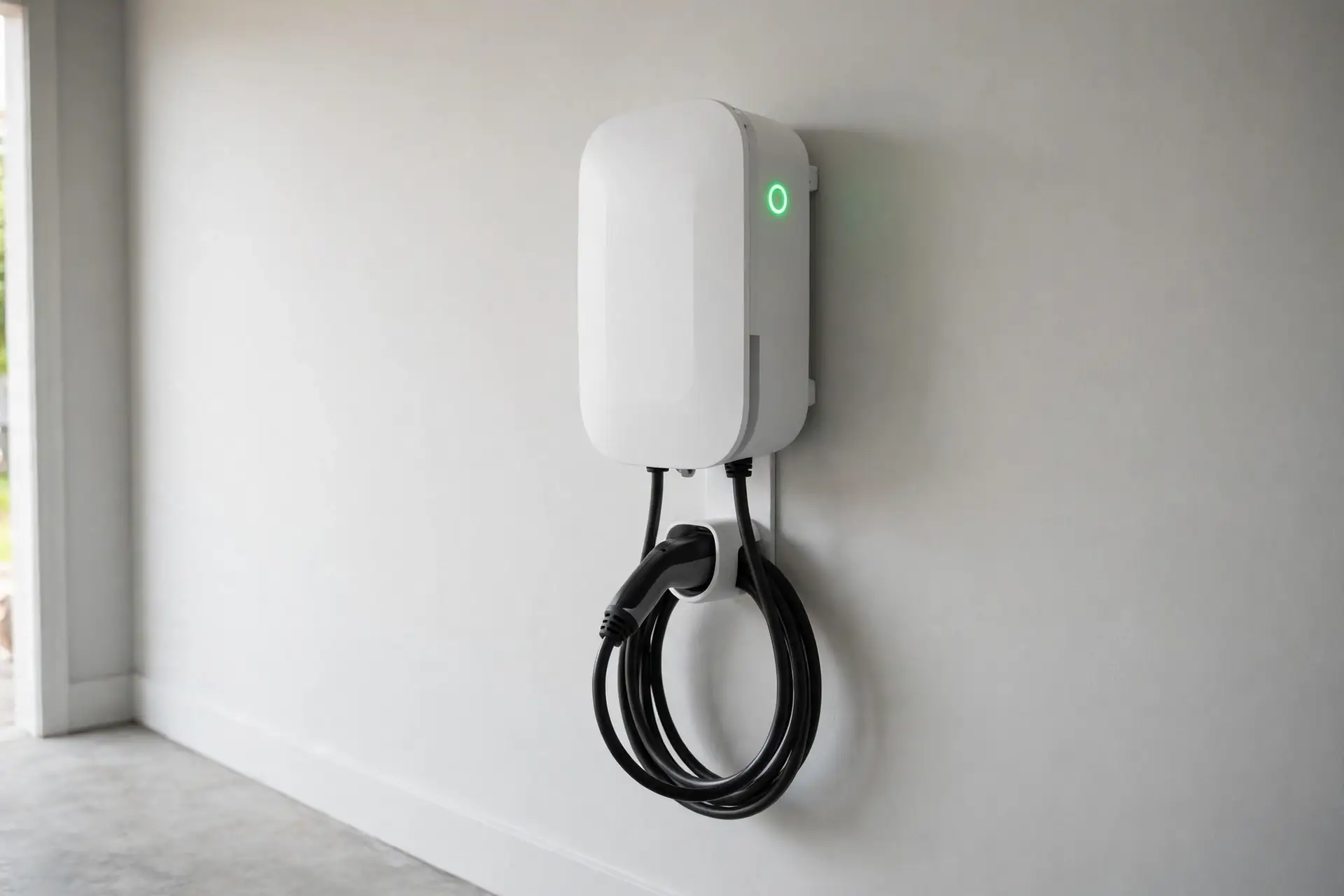
Every EV errand you have ever run — the detour, the queue, the app that would not start the session — exists because the car and the charger live in different places. Home charging ends the separation. In Clearwater, Beach traffic on the Memorial Causeway, the Capitol Theatre district downtown, and commutes over the Courtney Campbell to Tampa define the driving week. Seasonal owners especially want a charger that simply works every time they land.
The overnight pattern also flatters the machinery: the car charges cool, slow, and scheduled, in the hours when Duke Energy's grid is quietest and rates are kindest. Public stations remain for road trips, which is what they were built for.
EV Charging Services in Clearwater, FL
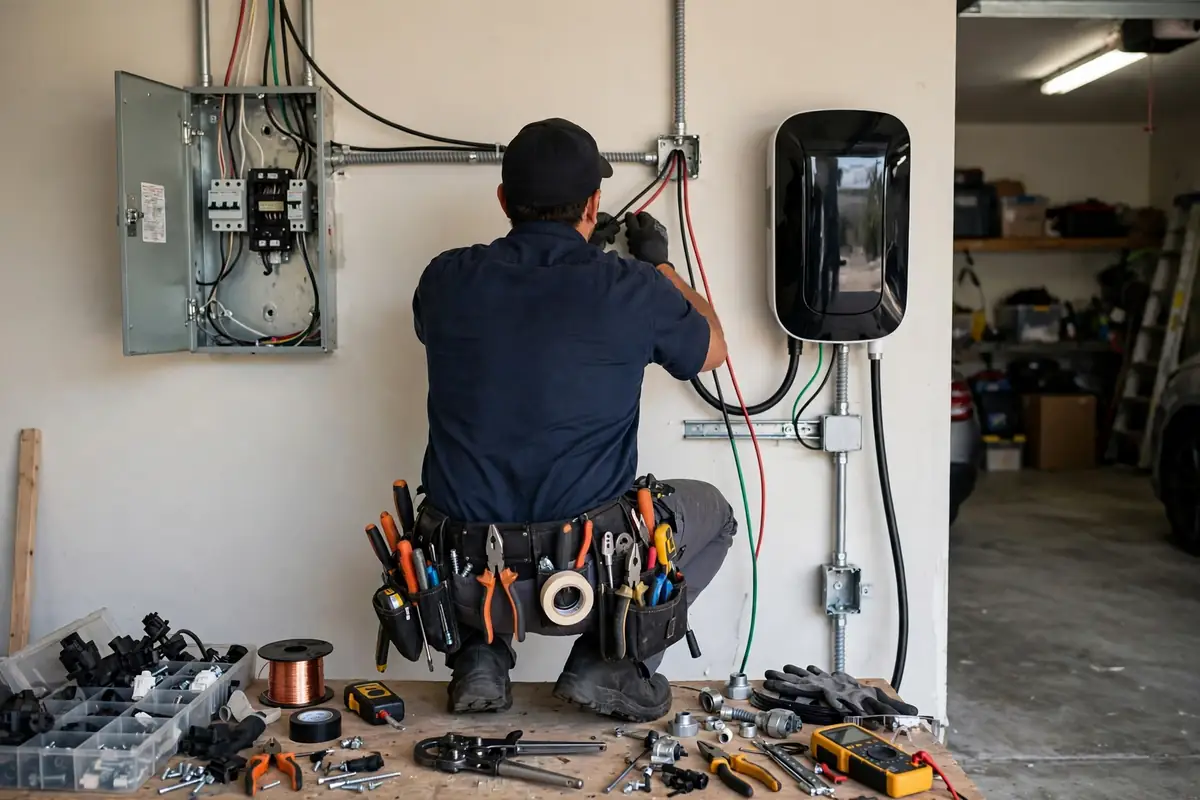
- Residential EV Charger Installation — Home Level 2 installs matched to Clearwater housing, from historic cottages to new subdivisions.
- Tesla Wall Connector Installation — Wall Connector and Universal Wall Connector installs across Clearwater.
- Level 2 EV Charger Installation — 240-volt charging for every EV make, hardwired or plug-in.
- Panel Upgrade for EV Chargers — Capacity and load management for Clearwater's older panels.
- Commercial EV Charging — Workplace, retail, and multifamily charging in Pinellas County.
- EV Charger Repair & Maintenance — Diagnostics and repair for chargers that quit, trip, or slow down.
Start at the Panel, Not the Charger
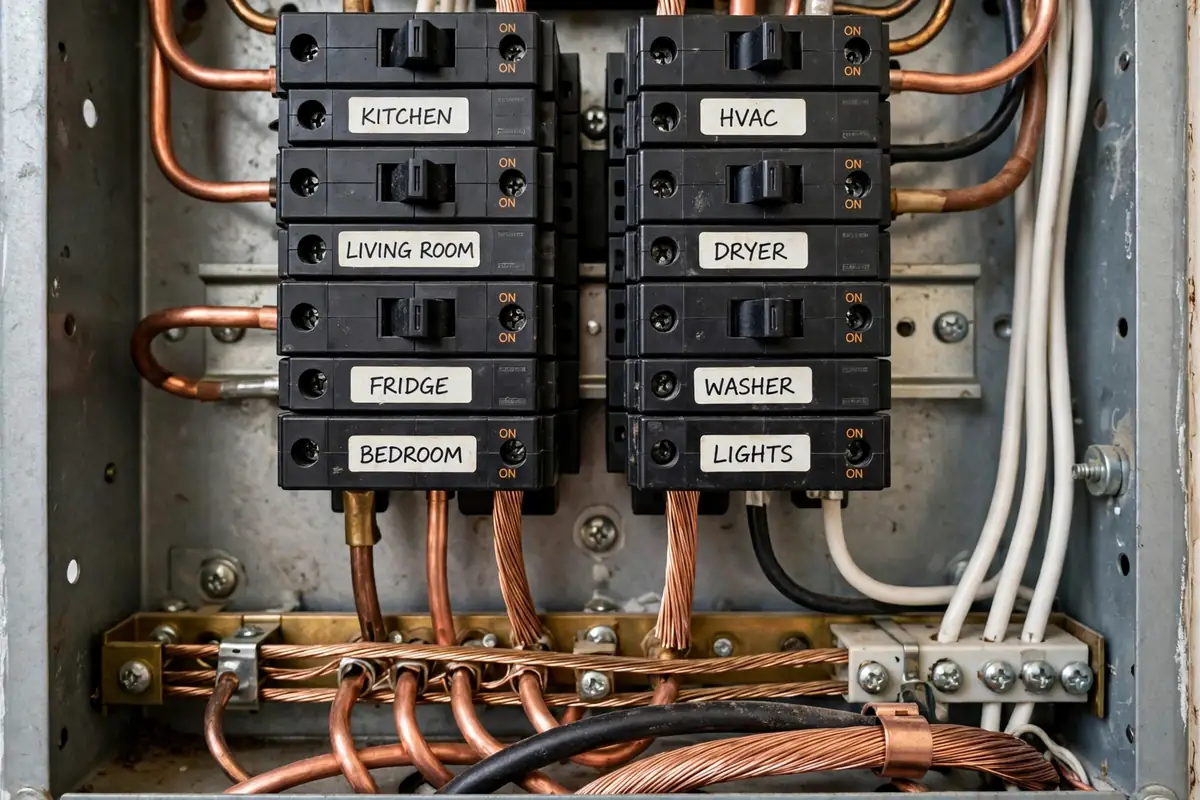
The charger is the visible purchase; the panel is the real one. A load calculation — the NEC's arithmetic for what your home already demands versus what its service can give — decides the circuit size before any hardware is chosen. In Clearwater, Countryside-era homes generally carry 150- to 200-amp panels; the condo stock is the special case — assigned-space installs in shared garages need association coordination, which Florida law supports and we help document.
Short on room? The ladder of options runs from a modestly configured charger, through load management, to a full panel upgrade. We climb it one rung at a time and stop at the first rung that holds.
Duke Energy Florida Programs Worth Knowing in Clearwater
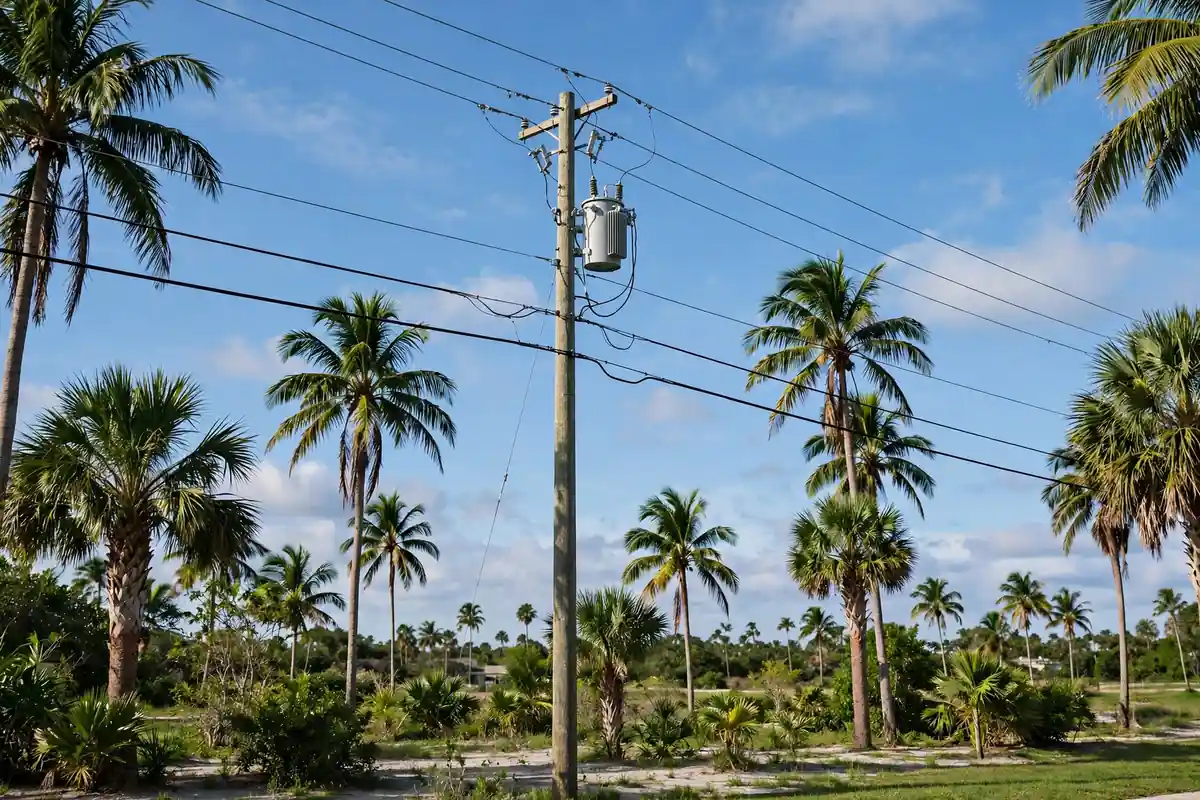
Duke Energy Florida runs the strongest residential charger support in the state: the Charger Prep Credit pays up to 819 dollars toward the wiring, panel work, and charger preparation behind a home install (permit fees are not covered). Duke also offers an Off-Peak Charging Credit of 7 dollars 50 cents a month when you charge during off-peak windows. The credit does not pay for the charger itself, but it takes a real bite out of the electrical work that makes a Level 2 install possible.
Whichever route you choose — program or purchase — the electrical work underneath has to be permitted and inspected, and that part never changes. Read the full picture in our Florida EV charger incentives guide, including why the old federal credit no longer exists.
The Permit Is Part of the Product in Clearwater
In Clearwater, the electrical permit for a charger circuit comes from City of Clearwater Planning and Development Department (electrical permit; Pinellas County for unincorporated addresses). Treat the permit as a deliverable, not a delay: it is the third-party proof that your continuous-load circuit was sized by calculation, wired to the Florida Building Code, and seen by an inspector. Insurers price that proof. Buyers pay for it. Future electricians bless it.
Our sequence never varies — permit first, installation second, inspection to close — and any historic-district or association review your property needs is surfaced at the assessment, while it is still free to plan around.
Salt Air, Storms, and Outdoor Installs
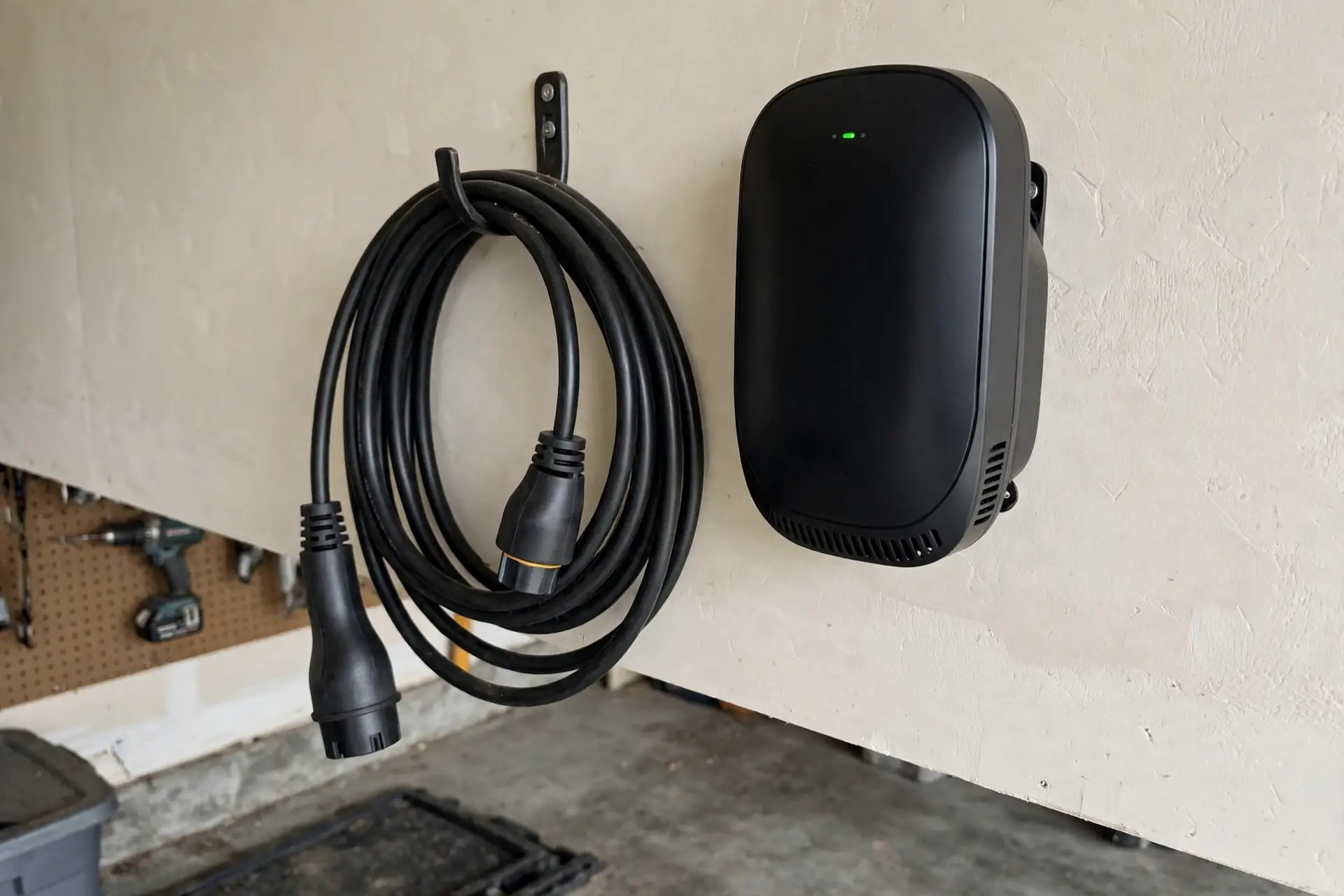
Clearwater is Gulf water on three sides, causeways, and condo towers along the beach — beautiful, and hard on outdoor electronics. Chargers we install outdoors here get weather-rated enclosures, sealed conduit fittings, and a conversation about panel-level surge protection, because Florida's lightning season is not kind to unprotected electronics. Mounting height, cable reach in the rain, and a dry place to stand while you plug in all get planned, not improvised. Our outdoor installation guide covers the details.
Neighborhoods We Serve in Clearwater
We install across Clearwater, including Island Estates, Clearwater Beach, Sand Key, Countryside, Morningside, Del Oro, Coachman Ridge — and the rest of Pinellas County within our service radius. Driving US-19 and the Courtney Campbell Causeway daily? Tell us your routine on the call and we will size the charger to the miles you actually drive.
How It Works
Step 1: Recon over the phone
EV model, parking reality, panel basics — the call sorts the job into standard or interesting before anyone drives out. Panel photos welcome.
Step 2: The panel gets its say
Load calculation first, hardware second. You will see the spare capacity as a number, and every option on the table will trace back to it.
Step 3: Install day
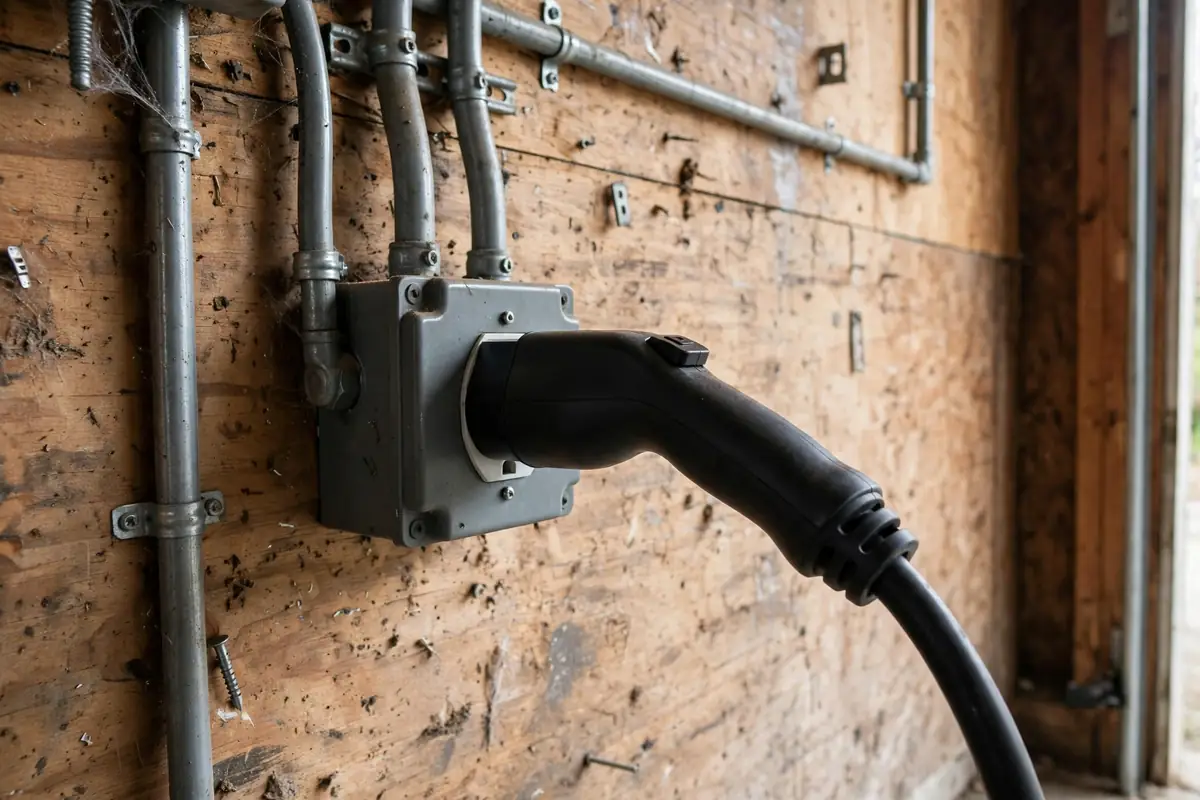
Permit in hand, the circuit goes in, the charger goes on the wall, and the configuration is set to the circuit — then proven with your car plugged in.
Step 4: Paperwork and goodbye
Inspection closes the permit; your folder gets the permit record, the configuration, and the panel labeling. The charger disappears into your routine, which is the point.
On the Ground in Clearwater
Installs in Clearwater cluster in neighborhoods like Island Estates, Clearwater Beach, Sand Key, Countryside, Morningside, Del Oro, Coachman Ridge — and each pocket of the city writes its own version of the job. The constant is the landscape: Gulf water on three sides, causeways, and condo towers along the beach. Add Pinellas County permitting, Duke Energy Florida service, and daily driving shaped by US-19 and the Courtney Campbell Causeway, and you have the real specification sheet for a Clearwater charger — the one we work from on every assessment, rather than a generic national checklist. Countryside-era homes generally carry 150- to 200-amp panels; the condo stock is the special case — assigned-space installs in shared garages need association coordination, which florida law supports and we help document.
Questions to Ask Any Clearwater Installer
Five questions separate electricians from dabblers, anywhere in Pinellas County: Will you run a load calculation before quoting? Who pulls the permit, and will I get the closed permit record? What amperage will the charger be configured to, and what breaker and wire support it? Is the outlet (if any) industrial-grade? Is surge protection included or offered? A qualified installer answers all five without blinking, because they are the job. We built our whole process in Clearwater around answering them before you think to ask.
Placement: The Five-Foot Decision That Lasts a Decade
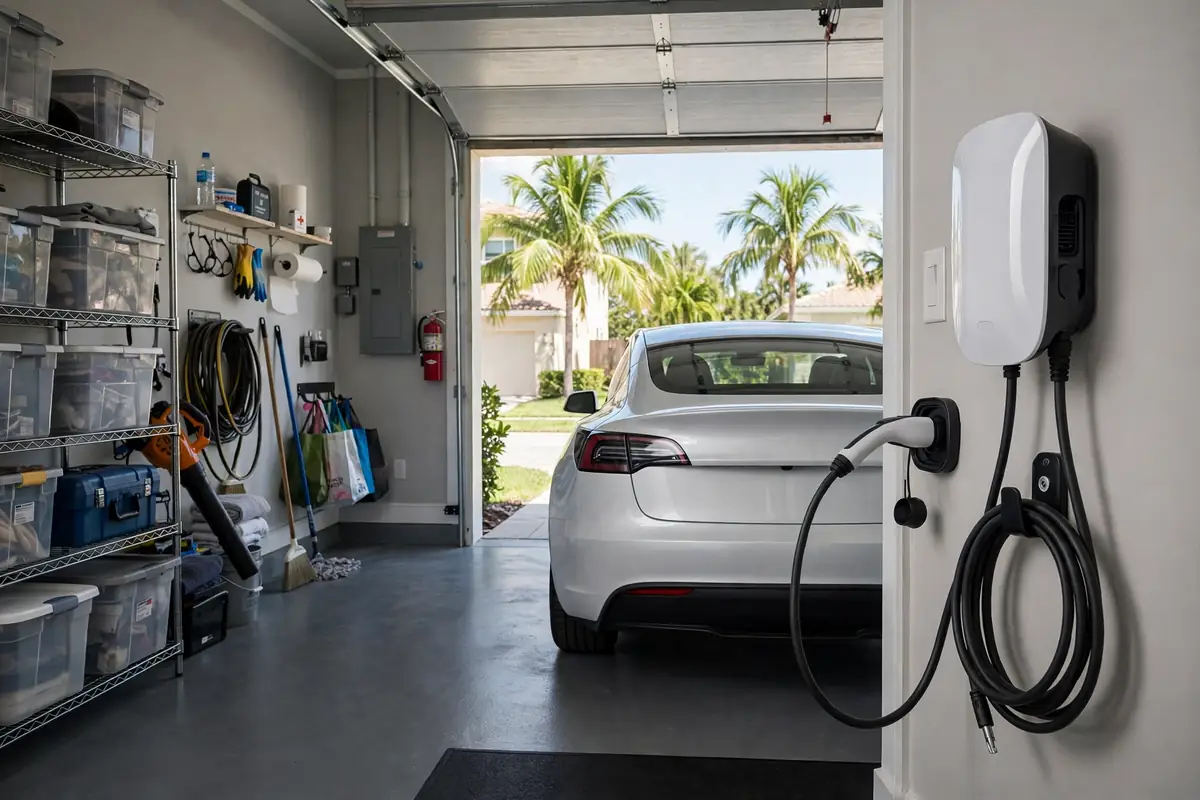
Chargers live where they are mounted for years, and small placement choices compound daily. In Clearwater garages we plan around the charge port's actual side, the door you walk through with groceries, the hurricane-season storage shuffle, and the second car's door swing. Outdoors, we add sun path, sprinkler arcs, and where water stands after a storm. Five minutes of tape-measure honesty at the assessment buys a decade of plugging in without thinking — which is the entire point of the purchase.
Charging Speeds, Translated Into Clearwater Life
Abstract numbers become clear against a real week. A Level 2 charger adding 30 miles of range per hour restores a Clearwater commute — crosstown and back — in about an hour of plug time. The overnight session you will actually use, ten hours on the cable, returns 250 to 400 miles: several days of US-19 and the Courtney Campbell Causeway driving, errands, and school runs, banked while you sleep. That is why home charging changes the texture of EV ownership here. The question stops being 'where is a charger' and becomes nothing at all — the car is simply full, the way your phone is full, and Clearwater traffic is the only thing left to plan around.
The Clearwater File: Permits, Power, and Parking
Start with jurisdiction: charger circuits in Clearwater are permitted through City of Clearwater Planning and Development Department (electrical permit; Pinellas County for unincorporated addresses), and the permit record follows the house, not the homeowner — one more reason the paperwork is a deliverable, not an errand. The ZIP codes our Clearwater crews work most are 33755 · 33756 · 33759 · 33764 · 33765, spread across Pinellas County, and the routing between them shapes how we schedule assessment days: clustered by neighborhood, so a call from Island Estates and a call from Coachman Ridge rarely share a truck roll by accident.
Power here is Duke Energy Florida territory. Duke Energy Florida runs the strongest residential charger support in the state: the Charger Prep Credit pays up to 819 dollars toward the wiring, panel work, and charger preparation behind a home install (permit fees are not covered). Duke also offers an Off-Peak Charging Credit of 7 dollars 50 cents a month when you charge during off-peak windows. The credit does not pay for the charger itself, but it takes a real bite out of the electrical work that makes a Level 2 install possible. Rates, programs, and outage patterns are utility-specific, which is why a charger plan written for another Florida city does not transfer cleanly to Clearwater — the circuit is universal, but everything wrapped around it is local.
Parking is the third local fact. Clearwater drivers park in condo towers on Sand Key and Island Estates, coastal single-family homes near the beaches, and roomy 1970s-90s subdivisions in Countryside — plus a large stock of second homes that sit empty for weeks between owner visits — garages where they exist, carports and driveways where they do not — and the install pattern follows the parking, not the catalog photo. Where the car actually sleeps decides where the charger lives.
Reading Clearwater's Housing Stock
Every Clearwater assessment starts by reading the house. The stock here is condo towers on Sand Key and Island Estates, coastal single-family homes near the beaches, and roomy 1970s-90s subdivisions in Countryside — plus a large stock of second homes that sit empty for weeks between owner visits, and each era wired itself differently: different panel brands, different service sizes, different ideas about where a car belongs. Countryside-era homes generally carry 150- to 200-amp panels; the condo stock is the special case — assigned-space installs in shared garages need association coordination, which Florida law supports and we help document
The neighborhoods tell the same story at street level — Island Estates, Clearwater Beach, Sand Key, Countryside, Morningside, Del Oro, Coachman Ridge each carry their own mix of eras and panel histories, which is why two installs on the same street can scope differently. Add the driving pattern — US-19 and the Courtney Campbell Causeway — and the assessment has everything it needs: the right circuit, the right placement, and a charger matched to the miles this household actually drives.
Beach traffic on the Memorial Causeway, the Capitol Theatre district downtown, and commutes over the Courtney Campbell to Tampa define the driving week. Seasonal owners especially want a charger that simply works every time they land That rhythm is what the finished install has to serve: not a generic Florida driver, but this house, this panel, this driveway.
Frequently Asked Questions
How much does home charging cost to run in Clearwater?
The energy for a typical Clearwater commute lands well below the gasoline it replaces, and scheduling into overnight off-peak windows lowers it further. Your utility's rate plan is the variable, and we set the schedule with you at the walkthrough.
Can renters in Clearwater get a home charger?
Often, yes — with the landlord's written permission and the plug-in pattern, where the charger stays yours and leaves with you. The outlet install itself is permitted like any other circuit.
What if my charger stops working after the install in Clearwater?
Call us. Chargers that trip, slow down, or go dark are diagnosable — our repair service covers units we installed and units we did not, across Pinellas County.
Do I need a permit to install an EV charger in Clearwater?
Yes. A new 240-volt charger circuit needs an electrical permit in Clearwater — issued through City of Clearwater Planning and Development Department (electrical permit; Pinellas County for unincorporated addresses). We handle the application, the install to Florida Building Code, and the inspection, so the work is documented for your insurer and any future home sale.
How fast will a home charger charge my car in Clearwater?
A Level 2 charger on a 40- to 60-amp circuit adds roughly 25 to 45 miles of range per hour depending on the car. Plugged in overnight — the normal Clearwater pattern — that is a full battery by morning for almost every routine.
My Clearwater home has a 100-amp panel. Can I still charge at home?
Often yes. Countryside-era homes generally carry 150- to 200-amp panels; the condo stock is the special case — assigned-space installs in shared garages need association coordination, which Florida law supports and we help document Where the arithmetic falls short, the options are a panel upgrade or an NEC-compliant load-management device. The load calculation always comes first.
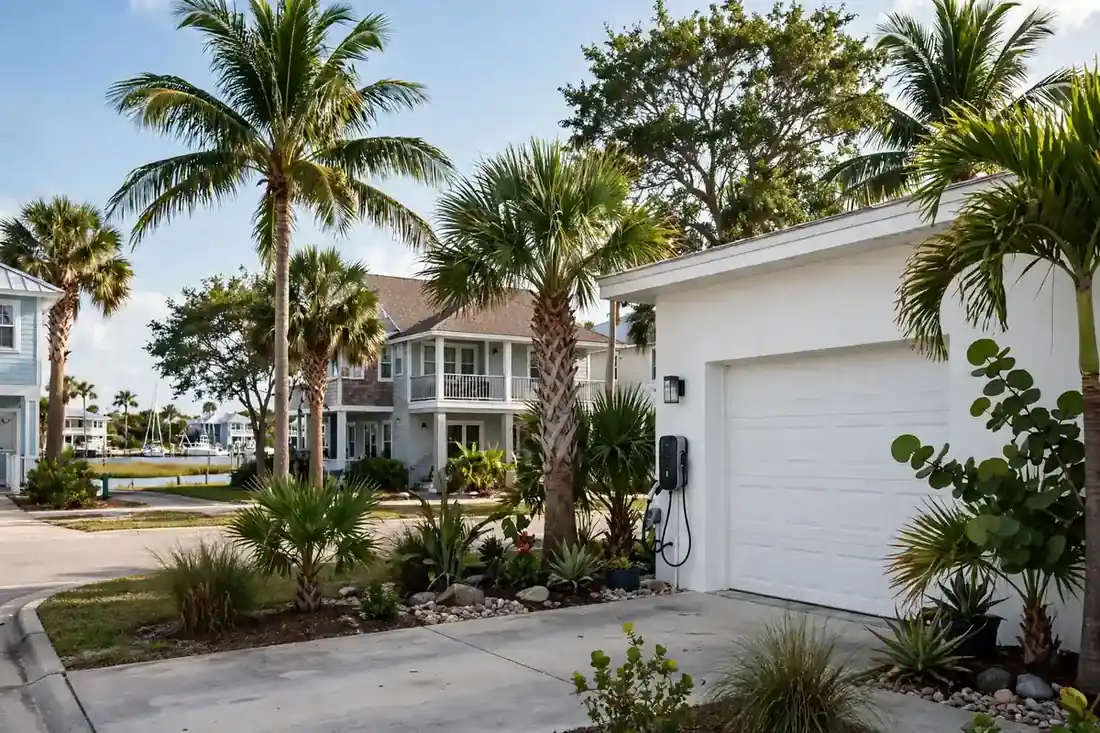
Get Your Charger Installed in Clearwater
Permitted, inspected, and sized to your panel — one call gets the assessment booked in Clearwater.
(407) 557-4153 · Mon–Fri 7:00 AM – 10:00 PM · Sat 8:00 AM – 10:00 PM · Sun 7:00 AM – 9:00 PM ET