Condo Owners: Section 718.113 Is Your Friend
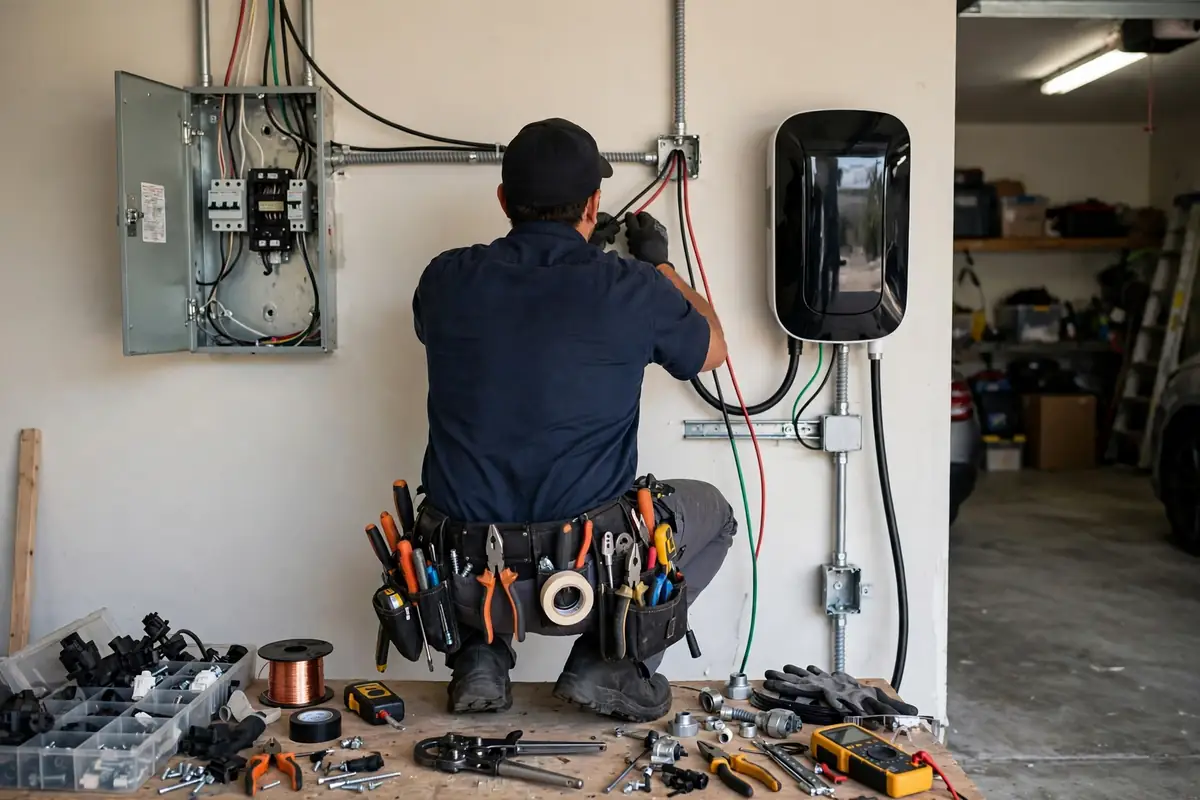
Section 718.113(9) — commonly cited as section 718.113 — of the Florida Statutes provides that a condominium association may not prohibit a unit owner from installing an electric vehicle charging station within the boundaries of the owner's limited common element parking area or exclusively assigned parking space. Read that again: for condos, a flat 'no' is not the association's legal option.
What the association can do is impose reasonable conditions, and the statute names the shape of them:
- Require an application and approval process for the installation
- Require the work to be done by a licensed and insured contractor, to code, with permits
- Require the owner to carry insurance related to the installation
- Require a plan for how the electricity is metered and paid for by the owner
- Require the owner to bear the costs of installation, maintenance, and eventual removal obligations the statute describes
In practice, the associations in Fort Lauderdale, Clearwater, and West Palm Beach that see complete applications — contractor license and insurance, permit plan, metering approach, charger specification — approve them routinely. Incomplete applications are what stall.
The Metering Question (Where Condo Installs Are Won or Lost)
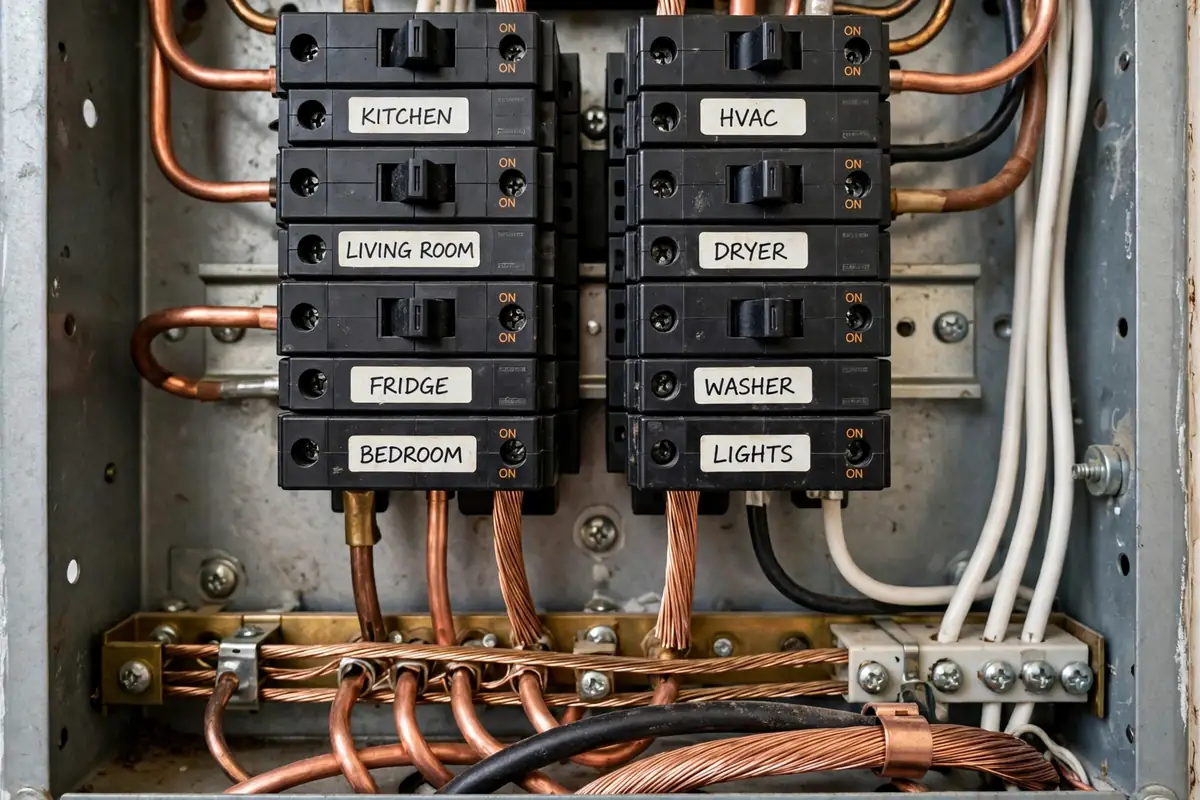
In a shared garage, the electricity has to come from somewhere and be paid for by someone. The standard solutions: a circuit from the unit's own panel (cleanest where geometry allows), a submeter on association power with reimbursement, or a networked charger with per-user billing. Associations ask about metering first; arrive with the answer designed, and the rest of the application is downhill. Our commercial and multifamily service handles property-wide versions of the same problem.
HOA Communities: Different Statute, Similar Practice
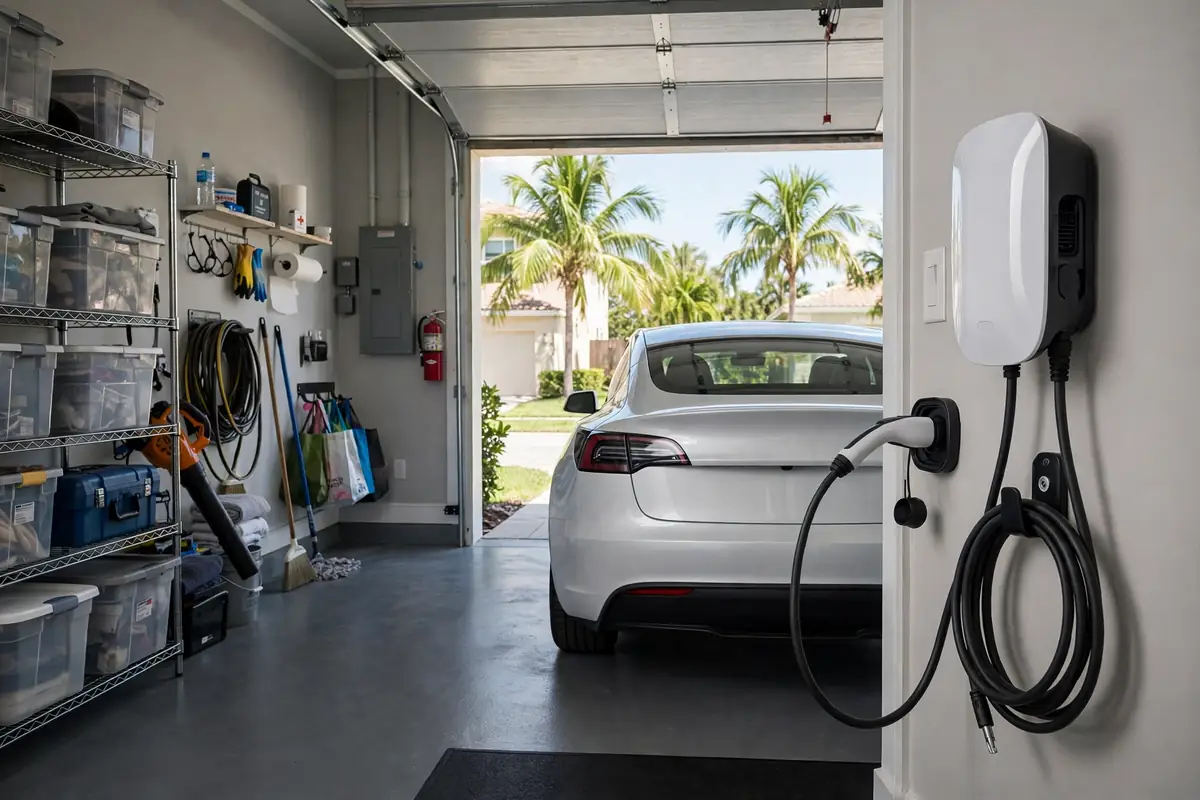
Single-family HOAs operate under chapter 720 and the community's own documents rather than the condo statute's explicit charging right. There is no identical blanket protection — but there is also rarely a hard barrier: most associations run architectural review for exterior electrical work, and a garage-interior charger on a permitted circuit is among the easiest approvals they process. The friction cases are visible exterior equipment (a pedestal in a driveway) and communities whose documents predate EVs entirely. A tidy application — charger photo, placement diagram, licensed installer, permit commitment — resolves most of them.
The Sequence That Works
- Read your documents — declaration, rules, and any EV or architectural guidelines already adopted.
- Design the install — electrician's assessment: panel or building power source, circuit route, metering plan.
- Apply completely — application, contractor credentials and insurance, charger spec, metering plan, permit commitment.
- Permit and install — city or county permit, licensed install, inspection.
- Close the loop — give the association the closed permit and final photos if they ask.
Renters and Landlords
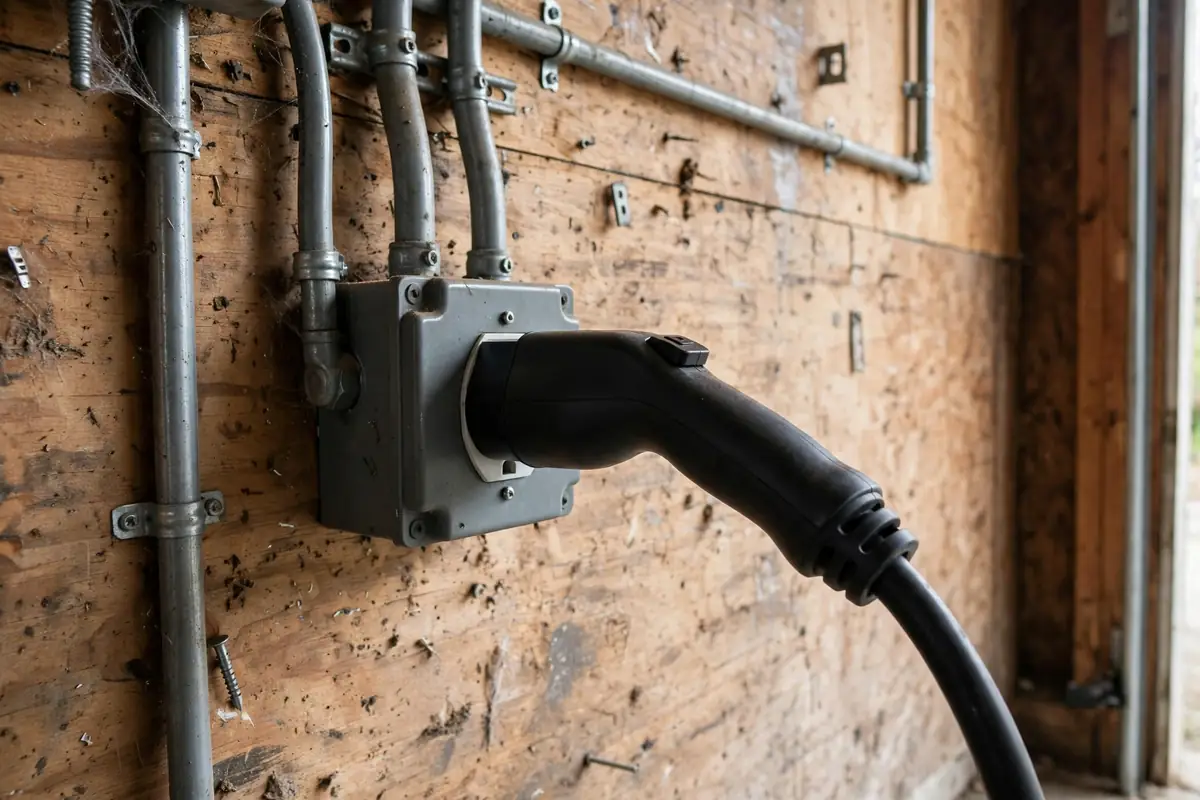
Renters need the owner's written permission; owners in condo buildings hold the statutory right and pass the process through. A NEMA 14-50 plug-in setup is often the renter-friendly endpoint — removable at move-out, with the permitted circuit documented for the property.
For Boards: Turning a Legal Duty Into an Amenity
Associations that treat 718.113 as a threat get applications; associations that treat it as a planning prompt get infrastructure. A board-level policy — standard application packet, pre-approved metering approaches, a list of documentation requirements, and a roadmap for shared load-managed stations when demand justifies them — converts per-owner friction into a building amenity that shows up in listings. In competitive coastal markets, 'EV-ready building' is already a line realtors write. Boards cannot prohibit their way to that headline.
A Note on Tone: Your Association Is Not the Enemy
Most stalled charger applications die of incompleteness, not hostility: no insurance certificate, no metering answer, a contractor without a license number on the letterhead. Board members are volunteers guarding a shared electrical system they are personally liable for; a complete, code-committed application makes approving you the easiest item on their agenda. Arrive as the owner who did the homework — statute in one hand, documentation in the other — and the meeting is usually short.
Sample Timeline: A Fort Lauderdale Condo Install, Start to Charge
Week one: the owner reads the declaration and books an assessment; the electrician designs a metered circuit from the unit's panel through the garage. Week two: the application packet — credentials, insurance, specification, metering plan — goes to the association, which approves at its next review. Week three: the city permit issues. Week four: installation in a day, inspection, closed permit copied to the association file. Four weeks, most of them waiting on calendars rather than conflict. That is the lived reality of section 718.113 when the paperwork is complete — a process, not a battle.
When the Building Says Yes to Everyone: Property-Wide Programs
The endgame for high-demand buildings is a property-wide program: a load-managed backbone in the garage, stations added in phases, and a standard owner-install policy for assigned spaces. Boards choose it when individual applications start queuing — the tenth owner's circuit is a design problem the first owner's was not. If your building is approaching that threshold, the association's best move is a load study and a master plan, commissioned once, rather than a fifteenth one-off review. Our commercial team scopes those programs; the statute's individual right remains every owner's backstop throughout.
Frequently Asked Questions
Can my Florida condo association ban EV chargers outright?
No — section 718.113 of the Florida Statutes prevents a condo association from prohibiting a unit owner from installing a charging station in their limited common element or assigned parking space. The association can set reasonable conditions, not a prohibition.
What can a condo association legally require?
An application process, licensed and insured installers, code-compliant permitted work, owner insurance, a metering and payment plan for the electricity, and owner responsibility for installation and maintenance costs.
Who pays for the electricity in a shared condo garage?
The unit owner. The usual mechanisms are a circuit from the unit's own panel, a submeter with reimbursement, or a networked charger billing the user. The metering plan is a required part of a good application.
Do HOAs have to allow chargers like condos do?
The condo statute's explicit right does not extend word-for-word to HOAs, whose approvals run through their documents and architectural review. In practice, complete applications for garage installs are routinely approved.
Can the association make me remove the charger when I sell?
The statute contemplates owner responsibility for the installation, and associations may address removal in their conditions. Your approval letter is the document that spells out your obligations — keep it with your closing papers.
We are an association board. How do we handle growing charger demand?
Consider moving from case-by-case approvals to a property-wide charging plan — shared load-managed stations plus a standard owner-install policy. Our commercial team designs those programs; they age better than a tangle of individual circuits.

Related Guides