Downtown Offices and the Workday Charge
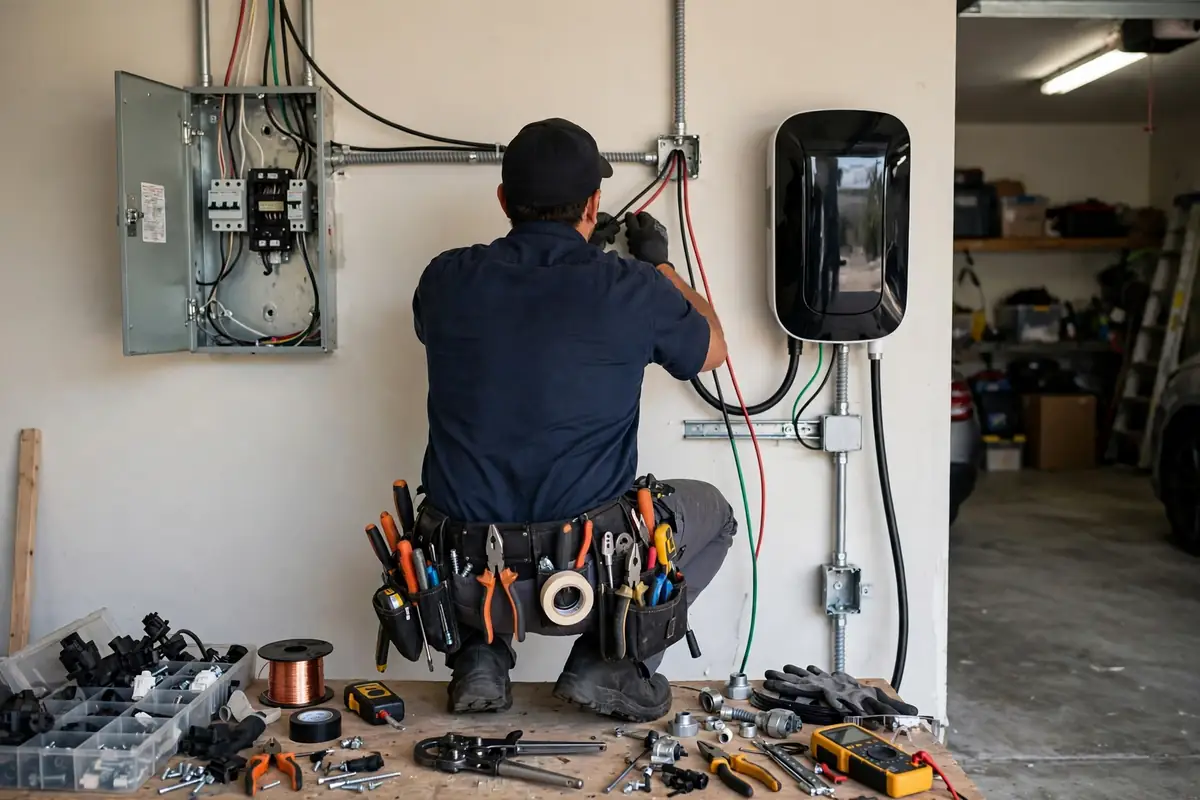
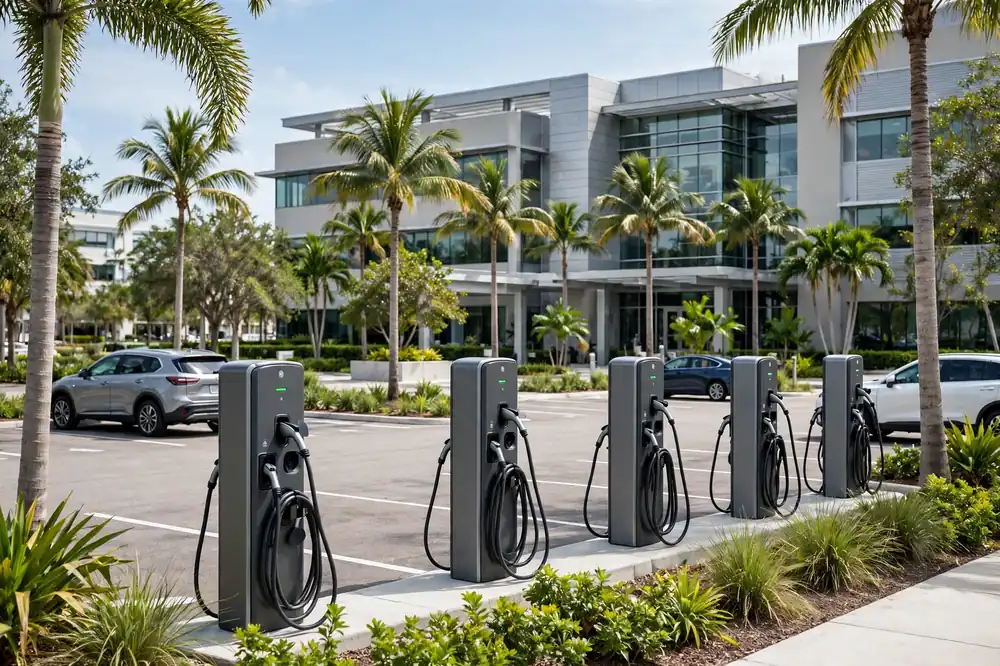
For a downtown or Southside office, charging is a workday amenity with a simple shape: the car sits for eight or nine hours, far longer than a Level 2 session needs. A modest bank of networked chargers in the employee lot covers a rotating cast of drivers across the week, and the network layer lets the property decide who may use them — employees only, registered visitors, or open access — and adjust that policy without an electrician.
The planning questions are placement and power. Chargers belong where employees already park, in lit bays security can see, with cable runs that do not fight the lot's drainage or landscaping. The load study answers the power side before conduit is discussed.
Hospitals and Round-the-Clock Campuses
Jacksonville's medical employers run three shifts, and their parking lots never truly empty. Staff charging sized to shift lengths turns a long park into a full battery, which matters for employees commuting in from Mandarin, Arlington, and the Westside. Visitor and patient-family parking carries a different pattern: shorter stays, higher turnover, and drivers who arrive already low after a long drive in from the region.
Institutional campuses also bring institutional process: phased work around operations that cannot pause, coordination with facilities engineers, and closeout documentation written for the next professional who opens the panel. We build to that standard and schedule intrusive work in the windows your operations team chooses.
Port, Logistics, and Fleet Yards
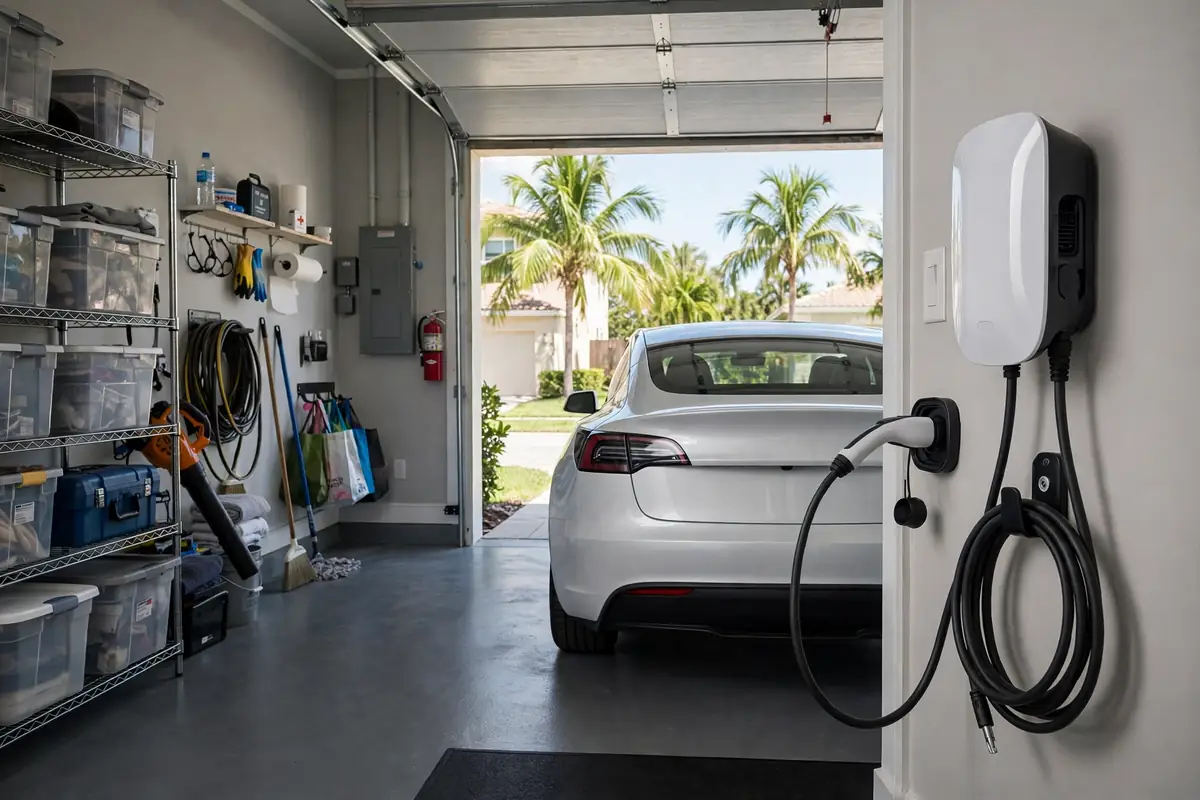
The port and logistics economy gives Jacksonville a commercial charging case most Florida cities barely have: fleets that park in their own yards overnight. Delivery vans, service trucks, and yard vehicles that return to the same fence line every evening are the natural first candidates for depot charging — the vehicles dwell for ten or more hours and their routes are known.
Fleet installs are sized from the route sheet outward: how many vehicles, how many miles each covers, how long each one actually sits. Chargers are then commissioned with access controls matched to the yard — driver credentials, vehicle groups, session records the fleet office can read. The commercial service page covers the broader installation framework behind this work.
Multifamily Along Southside Boulevard and Baymeadows

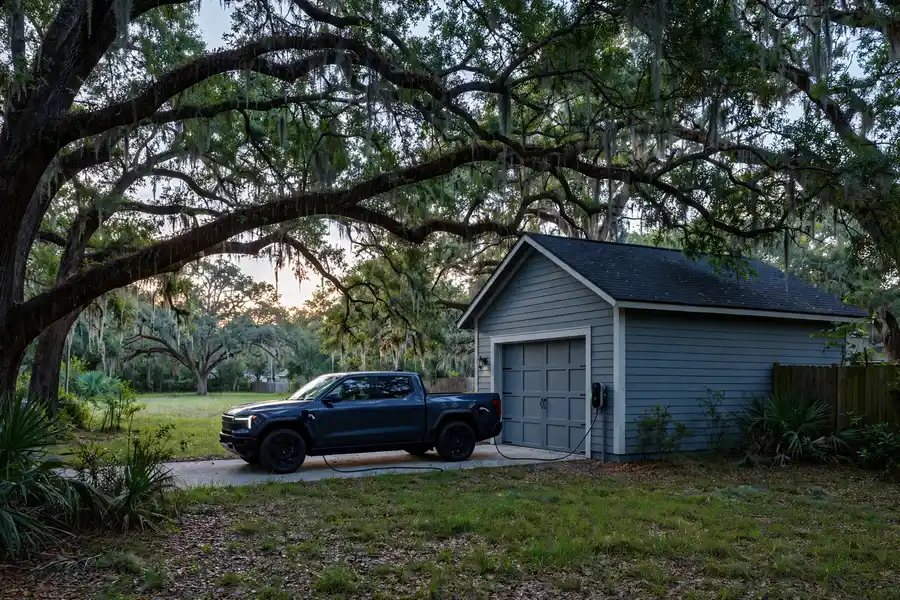
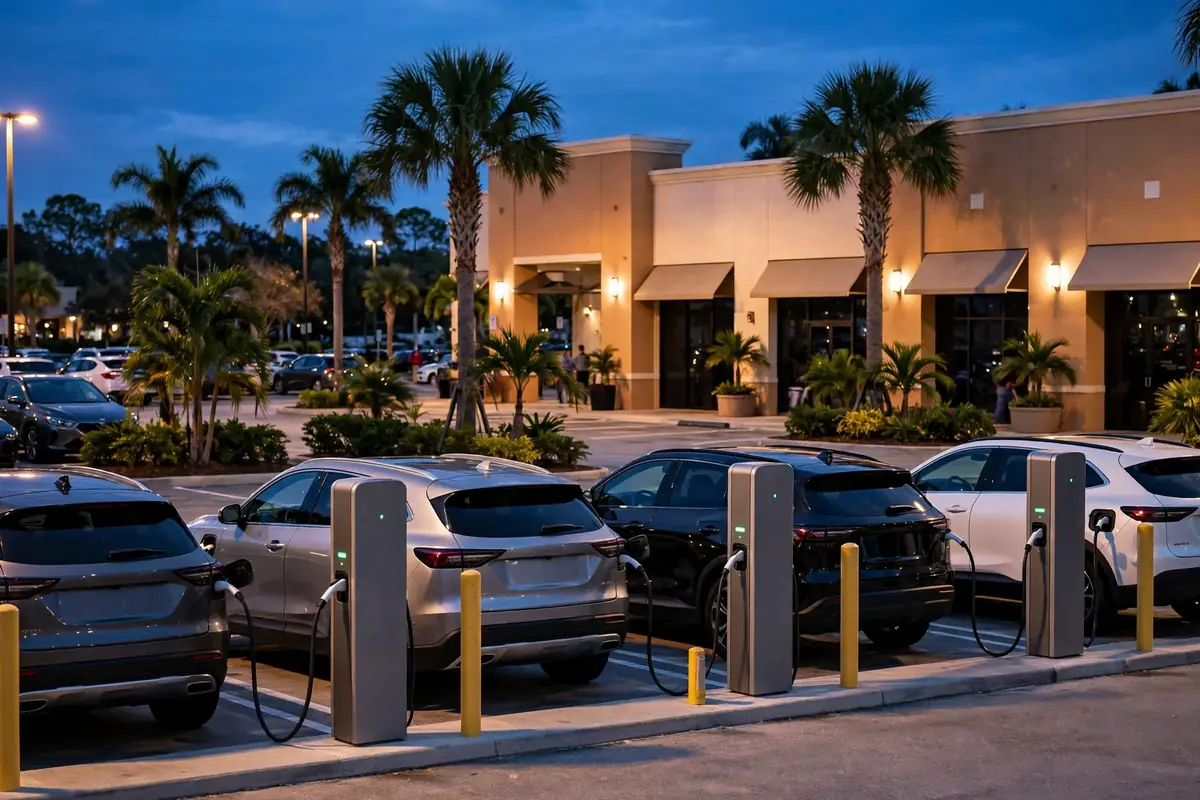
The apartment corridors of the Southside house a large share of Jacksonville's renters, and EV-driving tenants increasingly ask the charging question before they sign. Properties answer it in two patterns. Shared bays with managed access serve the whole community from a few well-placed chargers, with the network handling credentials and session costs. Assigned-space installations place a charger at a resident's own space under Florida's right-to-charge framework, with the association or owner setting reasonable conditions on installer licensing, insurance, and appearance.
Both patterns live or die on the early electrical work: a load study of the property's service, a plan for which buildings can host chargers, and conduit reserved for expansion. We prepare the association or ownership package as part of the scope, because that paperwork is where multifamily projects most often stall.
The Load Study Sets the Charger Count
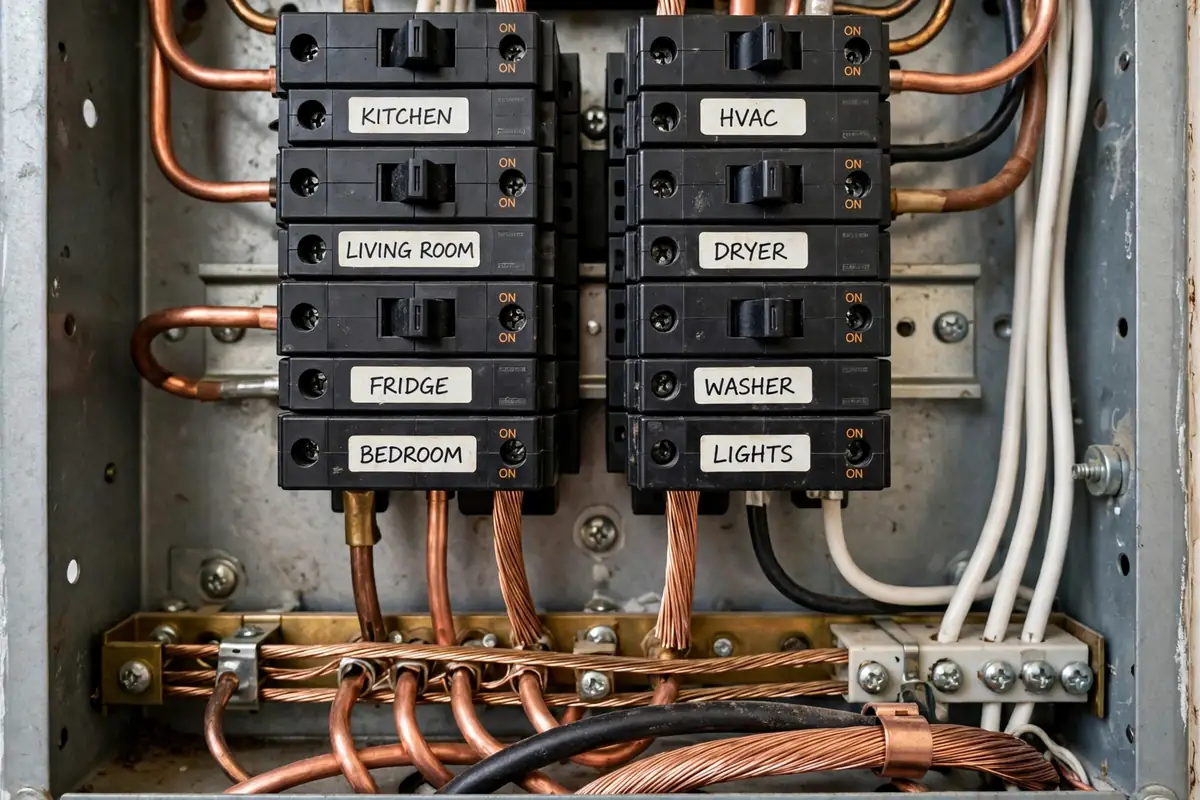
Commercial panels carry a building's existing life first — cooling above all in Jacksonville, then lighting, elevators, kitchens, and tenant loads. The design starts with a load study of the real demand profile across the day, and the charger count is sized against the headroom it finds. Energy management then lets a bank of chargers share that headroom, easing back while the building peaks and recovering when it settles.
The same study plans phase two during phase one: spare conduit, panel capacity notes, and a documented expansion path, so the next bank is a circuit project rather than a second construction project. Boards, owners, and property managers receive the study with the proposal and decide on the same numbers we install by.
Permits, JEA, and Process in Jacksonville
Commercial charging is permitted electrical work. Jacksonville's consolidated city-county government puts nearly every city address under one desk: the City of Jacksonville's building inspection division handles the permit and inspection. Where a design touches service capacity, JEA — the municipal utility — coordinates the utility side, and that coordination is scheduled into the project plan rather than discovered mid-build.
Our sequence runs: site walk with your facilities contact, load study, a written design with phasing and expansion notes, permits, installation staged around your operations, commissioning with access and session policies configured alongside your team, and a closeout package — load study, permit records, as-built panel schedules, and the charger management handover — written for the people who will run the property after we leave. Properties operating in Jacksonville Beach or the other Beaches municipalities follow those cities' own permitting and utility process; this page covers Jacksonville proper.
Frequently Asked Questions
How many chargers should a Southside Boulevard apartment community start with?
Begin with the load study and the tenant count, not a guess. Most communities start with a small shared bank sized to current EV-driving residents, with conduit and capacity documented for expansion as tenancy turns over. Phase one answers today's drivers; the reserved path keeps phase two inexpensive when the second wave of residents arrives.
Can a downtown Jacksonville office limit its chargers to employees?
Yes. Networked chargers support credential-based access — employee badges or app accounts, separate visitor permissions, and time rules matched to the workday. We configure those settings with your facilities or office manager at commissioning, and your team can change them later without us.
What does depot charging look like for a logistics yard near the port whose vehicles park overnight?
It starts from the route sheet: vehicle count, daily miles, and real dwell time in the yard. Overnight parking gives long, predictable sessions, so a bank of Level 2 chargers with driver or vehicle credentials usually covers the fleet, with session records feeding the fleet office. The load study confirms the yard's service can carry the bank or shows where management or capacity work is needed.
Does a Jacksonville hospital campus usually need a service upgrade to add staff charging?
Often not. Campus services are large, and energy management lets chargers draw from headroom that sits idle during parts of the day, easing back when the building peaks. The load study replaces the assumption with numbers for your specific campus before any upgrade is proposed.
Which office permits a commercial charger installation for a Baymeadows business park?
The City of Jacksonville's building inspection division. Baymeadows sits inside the consolidated city-county, so commercial electrical permits there follow the same city desk as downtown and the Southside. Where the design changes service capacity, JEA coordination joins the sequence, and we schedule both into the project plan.
Plan Commercial Charging in Jacksonville
One call starts the site walk and load study — numbers first, hardware second.
(407) 557-4153 · Mon–Fri 7:00 AM – 10:00 PM · Sat 8:00 AM – 10:00 PM · Sun 7:00 AM – 9:00 PM ET