The Calculation That Decides Everything
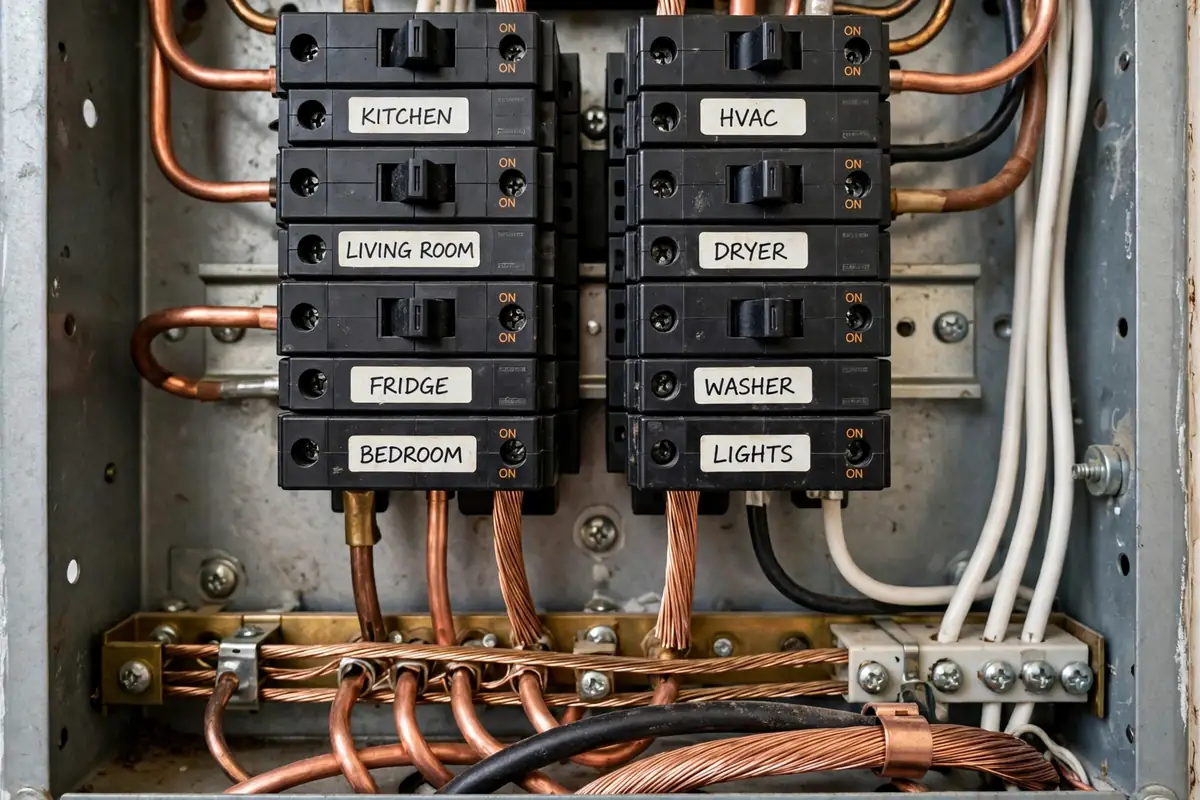
NEC Article 220 turns your house into arithmetic: general lighting load by square footage, kitchen and laundry circuits, the water heater, range, and dryer — and in Miami, above everything, air conditioning, often running long hours for much of the year. Additions matter here. A Grove home that gained a second AC zone in one decade and a pool heater in another may be drawing far more than its original 100-amp design ever contemplated, even though nothing feels overloaded on an ordinary day.
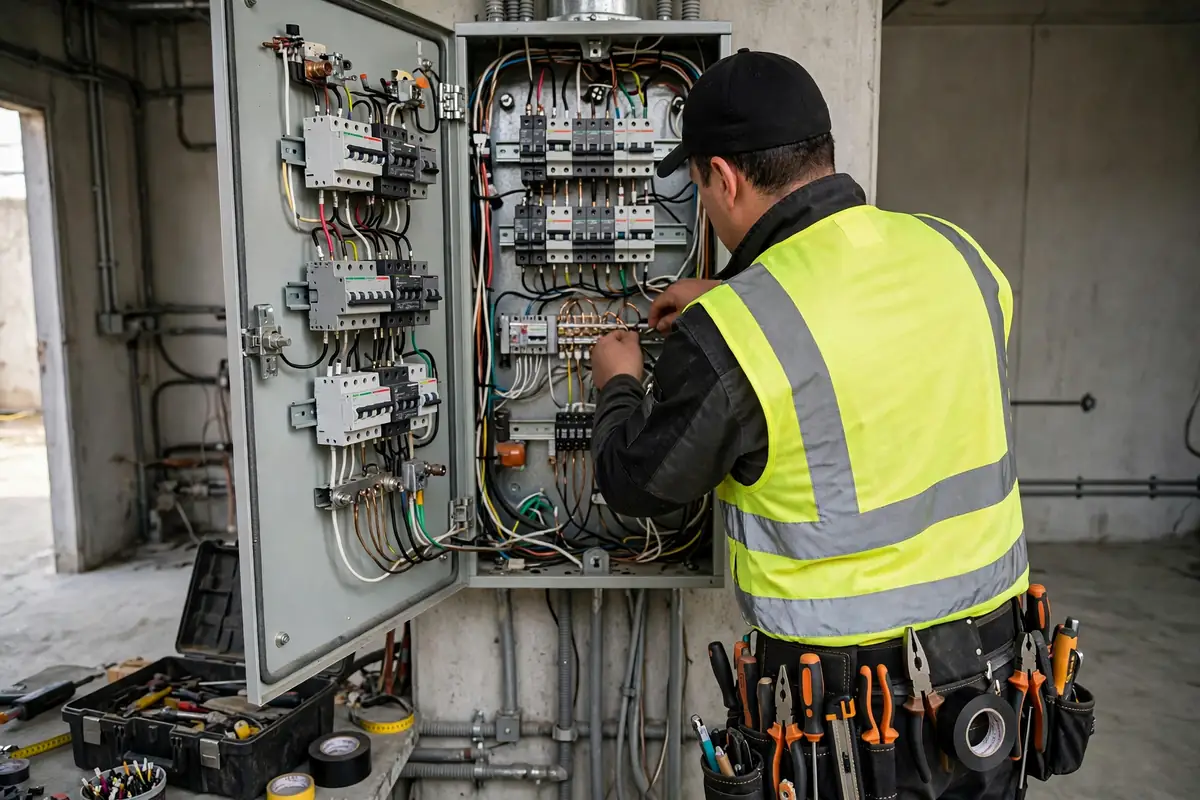
We run this calculation with the panel open and talk you through it. The result is a headroom number, and the charger circuit is sized from that number — not from the charger's maximum rating and not from a sales script. If you have received a Miami quote for a full panel replacement made without anyone opening your panel, treat it as a guess until the calculation exists.
Four Rungs, Climbed in Order
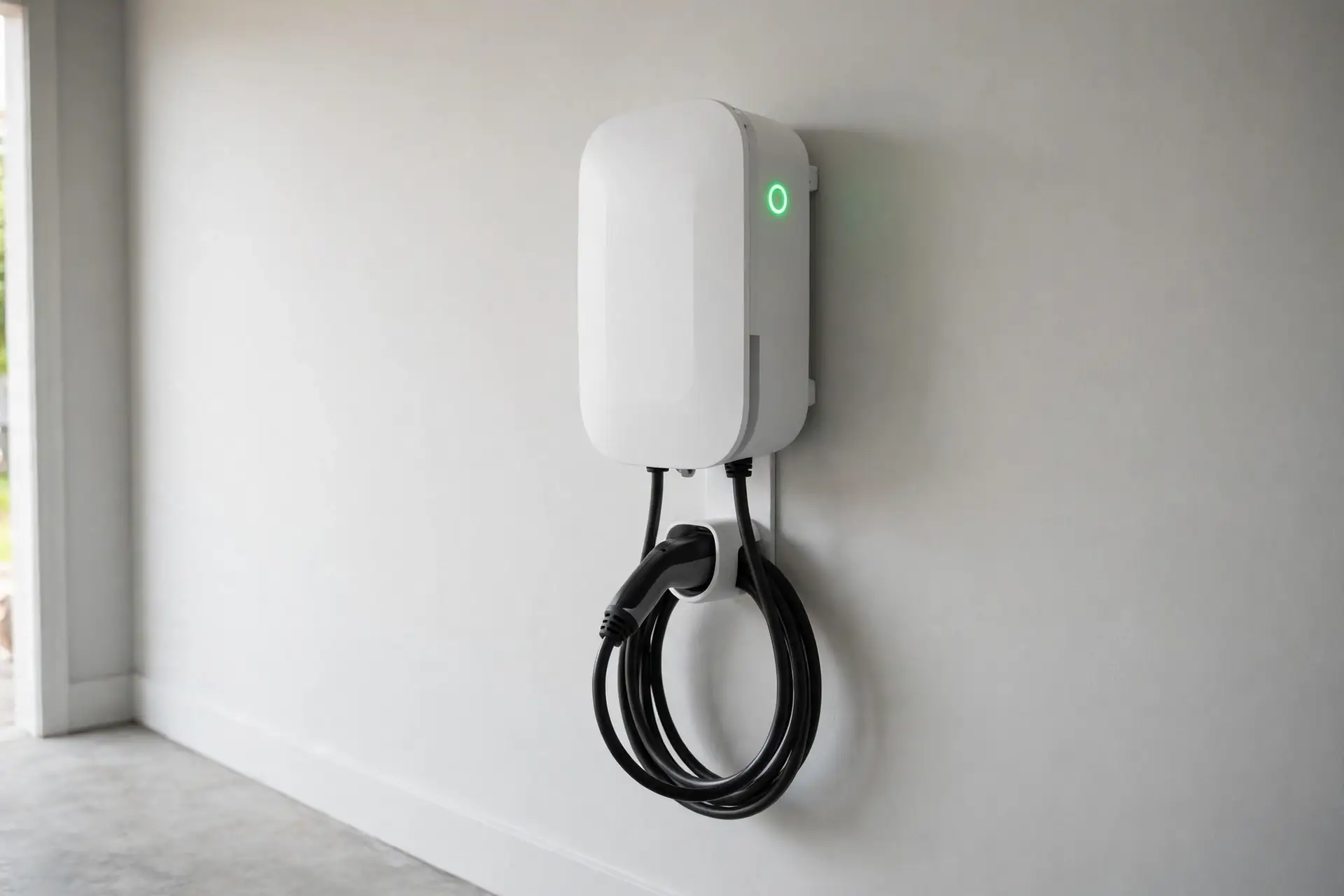
Rung one — configure the charger down. A Level 2 charger or Wall Connector set to 32 or 40 amps instead of 48 covers the overnight needs of most households while asking considerably less of the service. Many Miami homes stop at this rung.
Rung two — load management. An EV energy management system watches the home's total draw in real time and throttles the charger during the short peaks — dinner hour, oven on, both AC zones calling — then restores it automatically. Code-recognized and inspector-accepted, it is the rung that rescues most honest 100-amp homes. The statewide panel upgrade page explains the technology in full.
Rung three — subpanel or reorganization. Sometimes the capacity is present and the breaker space is not. A subpanel solves the geometry, and in attached-garage Miami homes it can also shorten the charger run itself.
Rung four — service upgrade. When the calculation fails at every lower rung — the all-electric 100-amp house that also wants a second EV later — a 200-amp service upgrade is the correct work: done once, permitted, coordinated with FPL on the utility side, and raising the ceiling for every future electrical project in the home.
Reading Miami's Panel Generations
Coconut Grove and Shenandoah: the oldest panels in this service area, where 100-amp service is common and some elderly breaker panels are replacement candidates on condition grounds alone, charger aside. We will show you the specific concern if yours is one of them.
Little Havana and Allapattah: sturdy older stock, frequently updated in pieces over the years — a newer AC here, an added circuit there — which makes the written calculation more valuable, not less, because the panel schedule rarely tells the whole story.
Flagami and West Miami: postwar and later homes, typically 125- to 200-amp services, where the conversation is usually about breaker space and the second charger rather than survival.
Newer suburban garages toward Kendall: modern 200-amp service is the norm, and panel work is the exception rather than the rule on charger installs there.
Flood, Storm, and Salt: Miami Panel Conditions
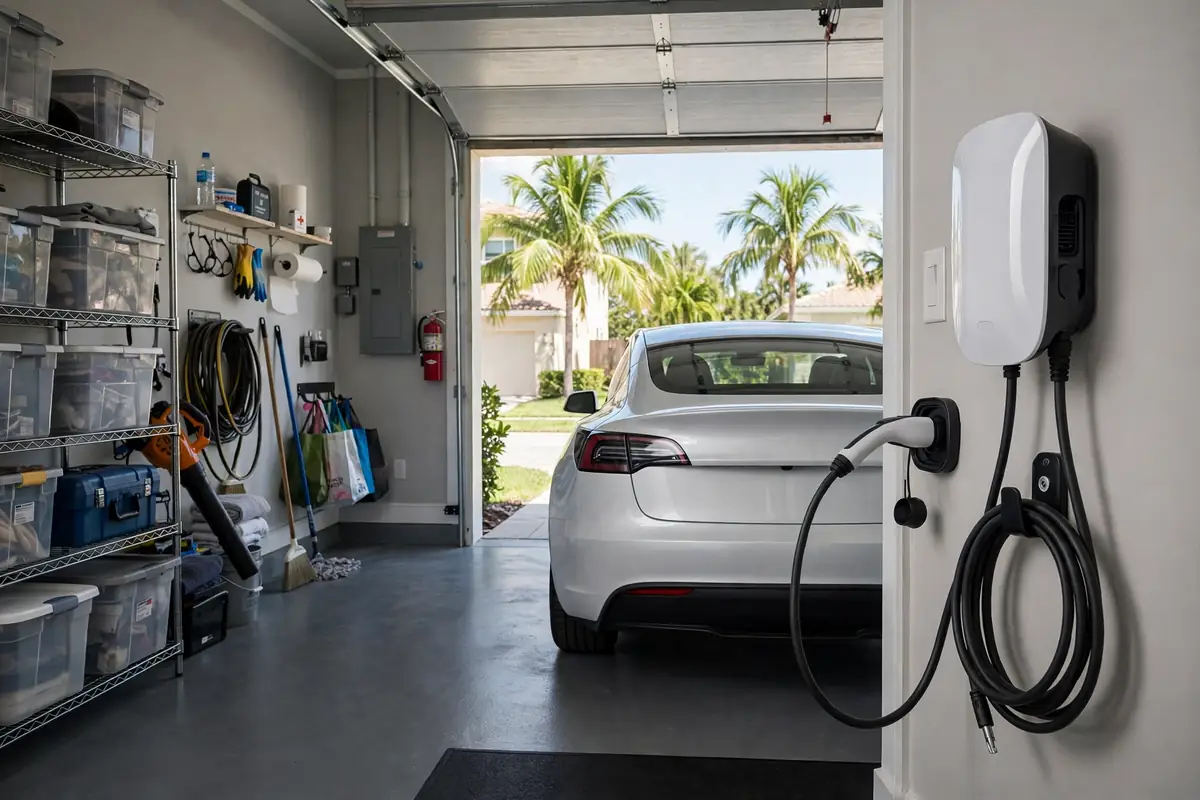
Panel condition carries extra weight in Miami. Garages in low-lying streets can take water in a major storm, and a panel that has been wet is a safety conversation before it is a capacity one. Salt air works on coastal homes year-round — Edgewater and the Grove among them — corroding lugs and breaker contacts in ways that show up as heat and nuisance tripping. Hurricane season adds a scheduling reality: panel work involves a planned power interruption, and we sequence it so the house is dark for the shortest honest window, with inspection and FPL coordination mapped out at the assessment rather than discovered mid-job.
Surge protection belongs in the same conversation. A panel-level surge device, discussed while the panel is open for charger work, protects the charger, the car, and the rest of the house in a city where summer lightning is routine. Our outdoor installation guide covers the related hardware thinking for exposed equipment.
Condo Panels Are a Different Conversation
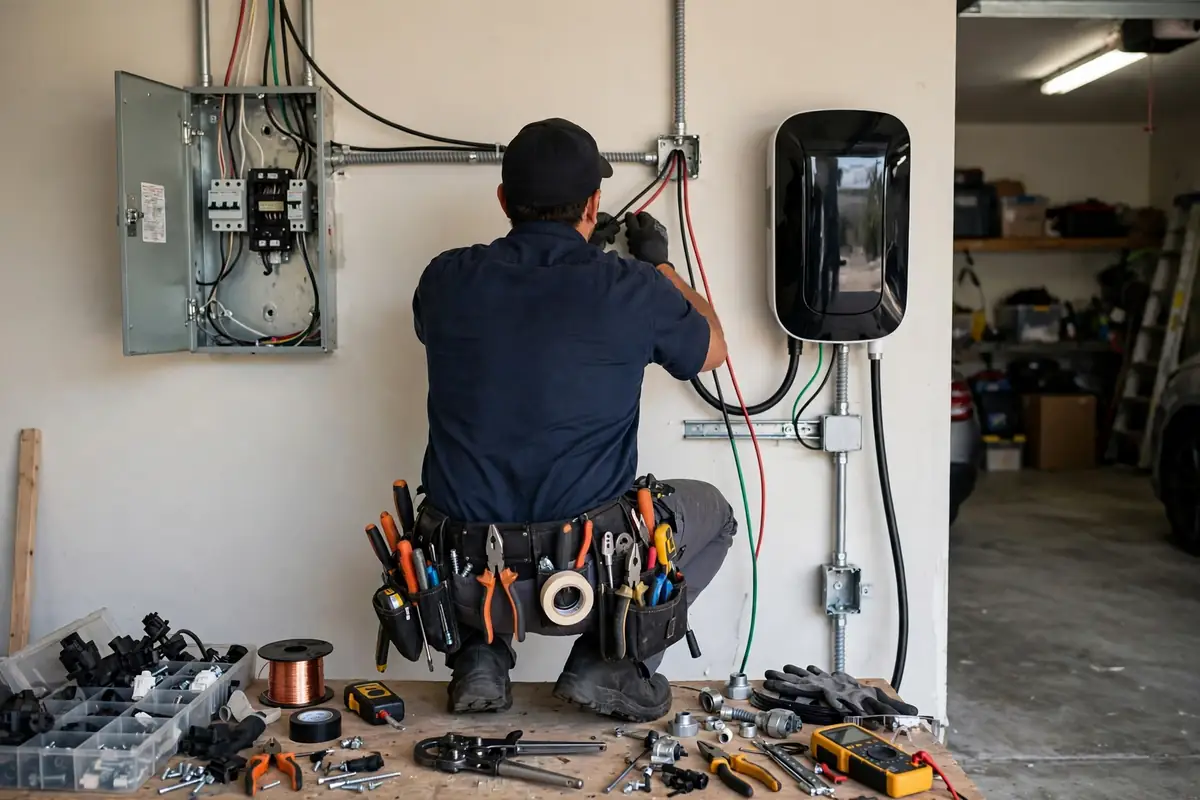
In a Brickell or Edgewater tower, the panel question is rarely a unit owner's panel at all — the circuit typically originates from building electrical infrastructure, and capacity is a building-level fact the association's own electrician or engineer may need to confirm. That is one reason condo charger work starts with the association packet rather than a load calculation in the unit. Single-family and townhouse owners reading this page are the audience for the ladder above; condo owners will find their route on the residential installation page and in our condo rights guide.
Permits and the Paper Trail
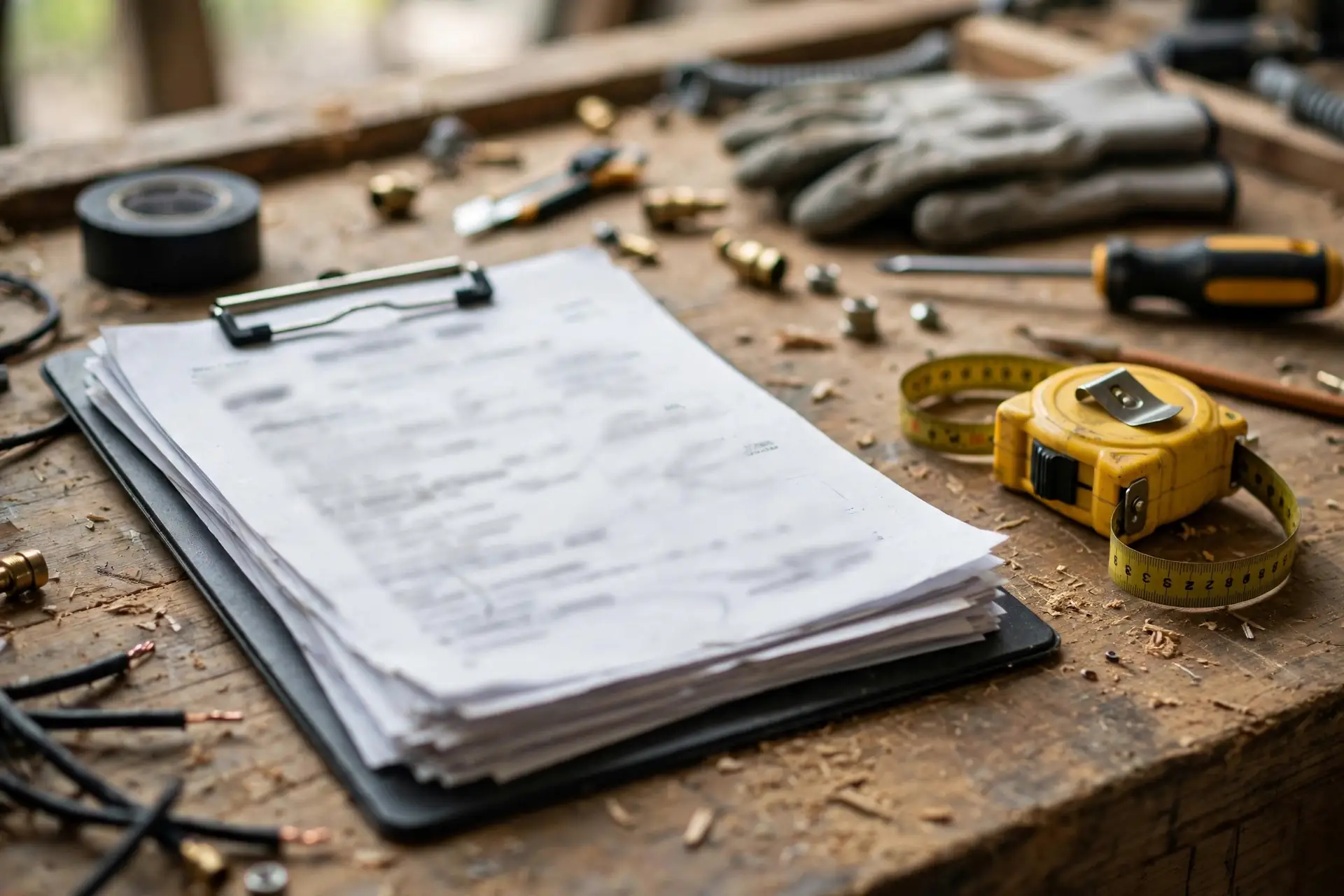
Panel work is permitted work: the City of Miami building department inside the city, Miami-Dade County's portal for unincorporated addresses. A service upgrade adds FPL coordination on the utility side. We handle the filing and sequencing, and the closed permit, the calculation, and an accurate panel schedule become part of your home's records. Undocumented panel changes have a way of surfacing at resale inspections; documented ones tend to close questions instead of opening them.
How It Works
Step 1: Describe the house honestly
Age of the home, service size if you know it, recent additions — second AC zone, pool, renovated kitchen — and the EV you are charging. A clear panel photo helps.
Step 2: The open-panel assessment
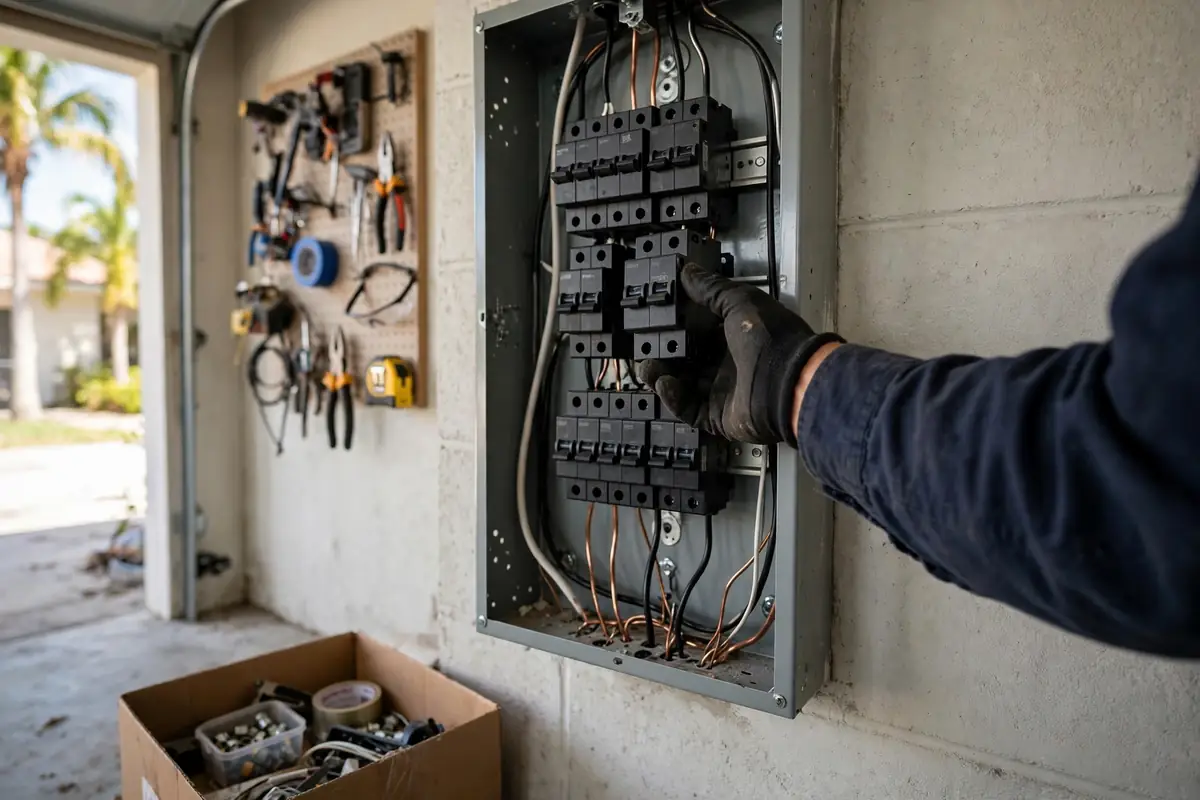
We run the Article 220 calculation on site: we open the panel, total the real loads, and show you the headroom number and which rung your house lands on.
Step 3: The work, sequenced
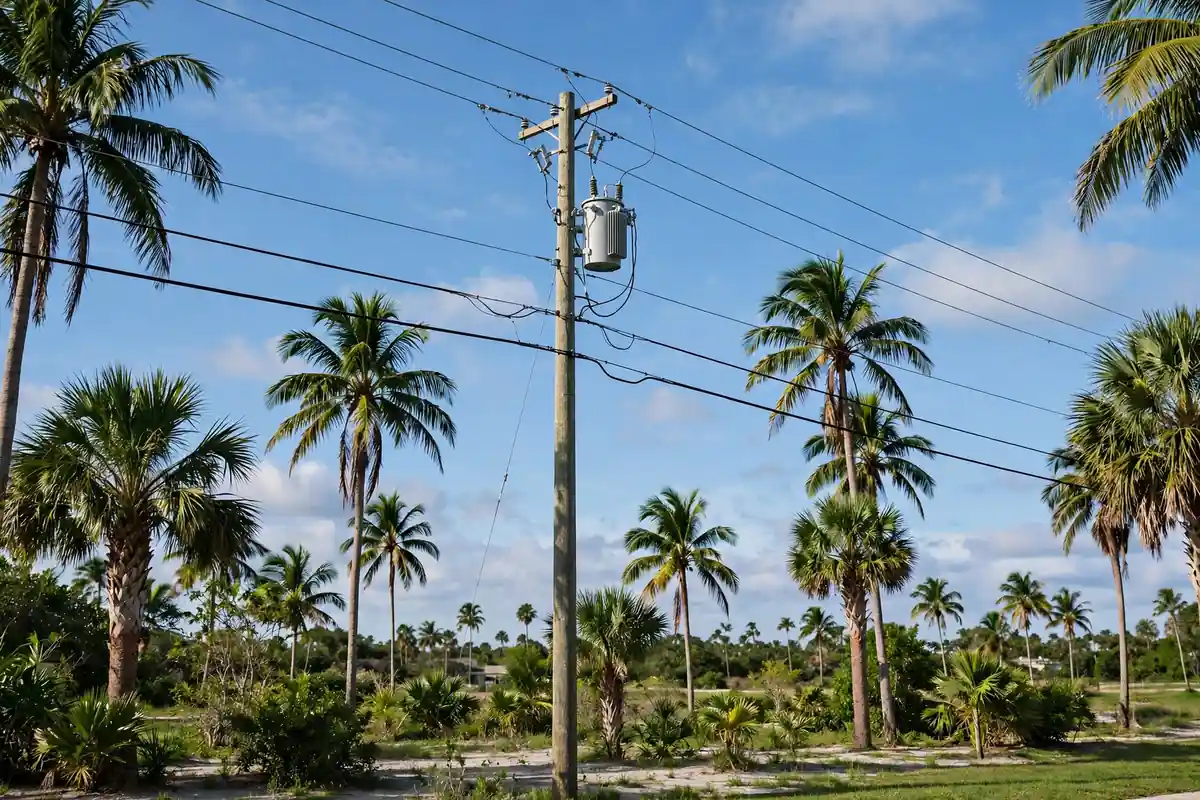
Permit filed, any FPL coordination booked, new work staged before power is interrupted, and the charger circuit installed and configured to the agreed amperage.
Step 4: Inspection and documentation
The inspector closes the permit, and you receive the calculation, the permit record, and a panel schedule that matches the breakers actually in the box.
Frequently Asked Questions
What load math matters in a Shenandoah bungalow that added a pool heater and a second AC zone over the years?
Almost all of it, because additions stack silently. Each of those loads enters the Article 220 total, and together they decide whether a 40-amp charger circuit fits, fits only with load management, or does not fit honestly at all. Homes updated in pieces are exactly the homes where a written calculation beats a rule of thumb.
Can load management keep an Allapattah 100-amp home charging without a full service change?
In many cases, yes. The management system throttles the charger during the brief household peaks and restores it afterward, so the car charges overnight without the service ever being asked for more than it has. Whether your home is one of those cases is a calculation result, which is why the assessment comes before the recommendation.
When does a full panel in a Little Havana home need a subpanel instead of more capacity?
When the headroom number is healthy but no breaker spaces remain. That is a geometry problem, and a subpanel solves it without touching the service size. If the calculation also fails, the conversation changes — but space alone never justifies a full service upgrade.
How does flood exposure in a low-lying Miami garage change panel placement decisions?
A panel or subpanel planned for a garage with any flood history gets its placement and height decided with that history in mind, and existing equipment that has taken water needs a condition assessment before new load is added. Storm water and electrical panels are a safety pairing, not a capacity one.
What paperwork from a Miami panel upgrade helps when the home later sells?
The closed permit record, the load calculation, and an accurate panel schedule. Together they answer the three questions a buyer's inspector asks about panel work — was it permitted, was it sized on real numbers, and does the labeling match the breakers.
Get the Honest Answer for Your Miami Panel
Load calculation first, recommendation second — one call books the assessment in Miami.
(407) 557-4153 · Mon–Fri 7:00 AM – 10:00 PM · Sat 8:00 AM – 10:00 PM · Sun 7:00 AM – 9:00 PM ET