Why Jacksonville Driving Points to a Wall Connector
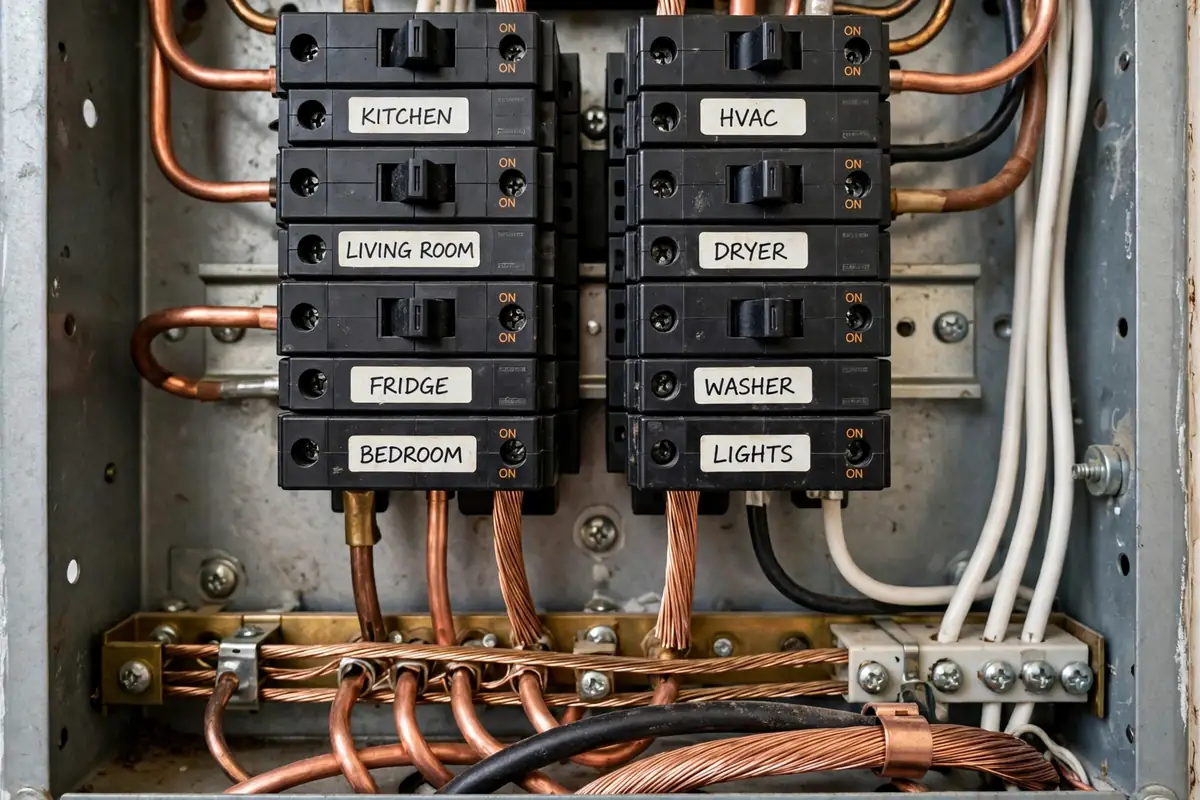
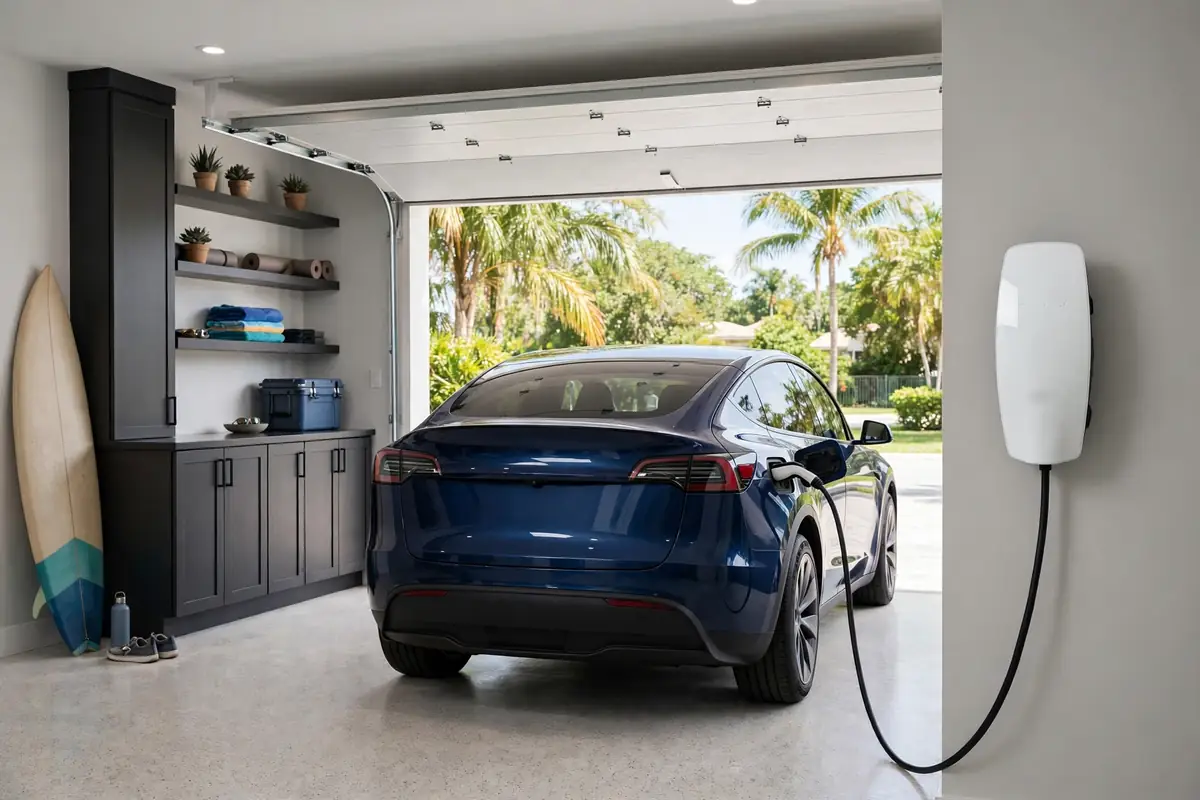
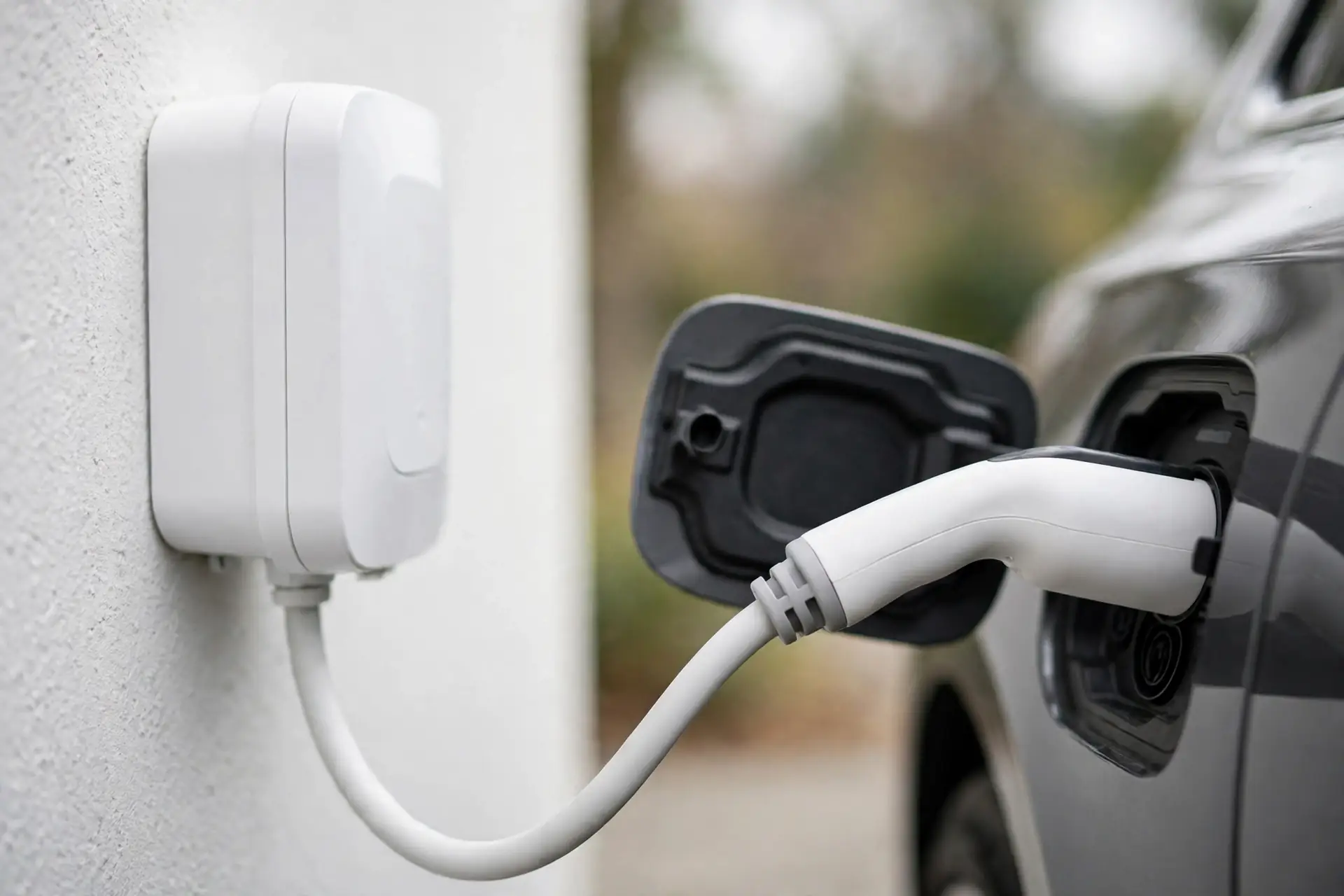
The mobile connector handles trips. It is a slower answer for a household whose week includes cross-town commutes, school runs stacked on top, and a JAX airport run that cannot start with range arithmetic. A Wall Connector on a 60-amp circuit delivers up to 48 amps, refilling a heavy Jacksonville driving day overnight with room to spare. On a smaller circuit it charges at the rate that circuit honestly supports — the point is that the rate is chosen on purpose, from your panel's numbers, not inherited from whatever outlet sat near the car. In a city this spread out, a wall unit you plug in without thinking matters.
Commissioning Is the Real Installation
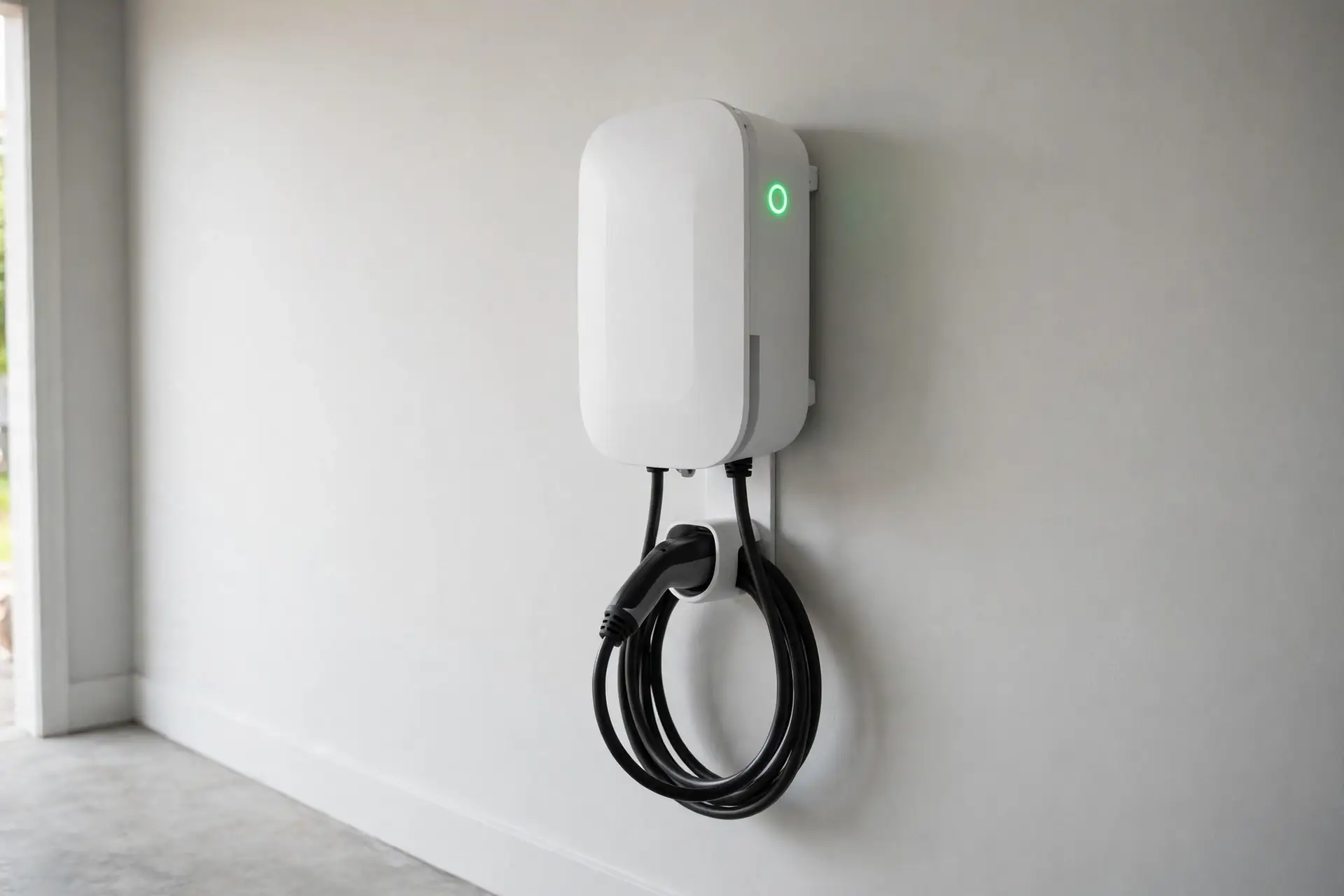
Bolting the unit to the wall is the short part. Commissioning decides how it behaves for years: the internal amperage setting matched exactly to the breaker and wire, Wi-Fi joined and confirmed, access settings configured if the connector sits where a shared driveway or tenants could reach it, and a live test charge on your Tesla. Jacksonville adds one item of its own. Summer thunderstorms knock power around, and a connector that needs coaxing after every flicker becomes a weekly chore. Recovery after an outage and panel surge protection join the checklist for the same reason.
Standard or Universal on a Jacksonville Driveway
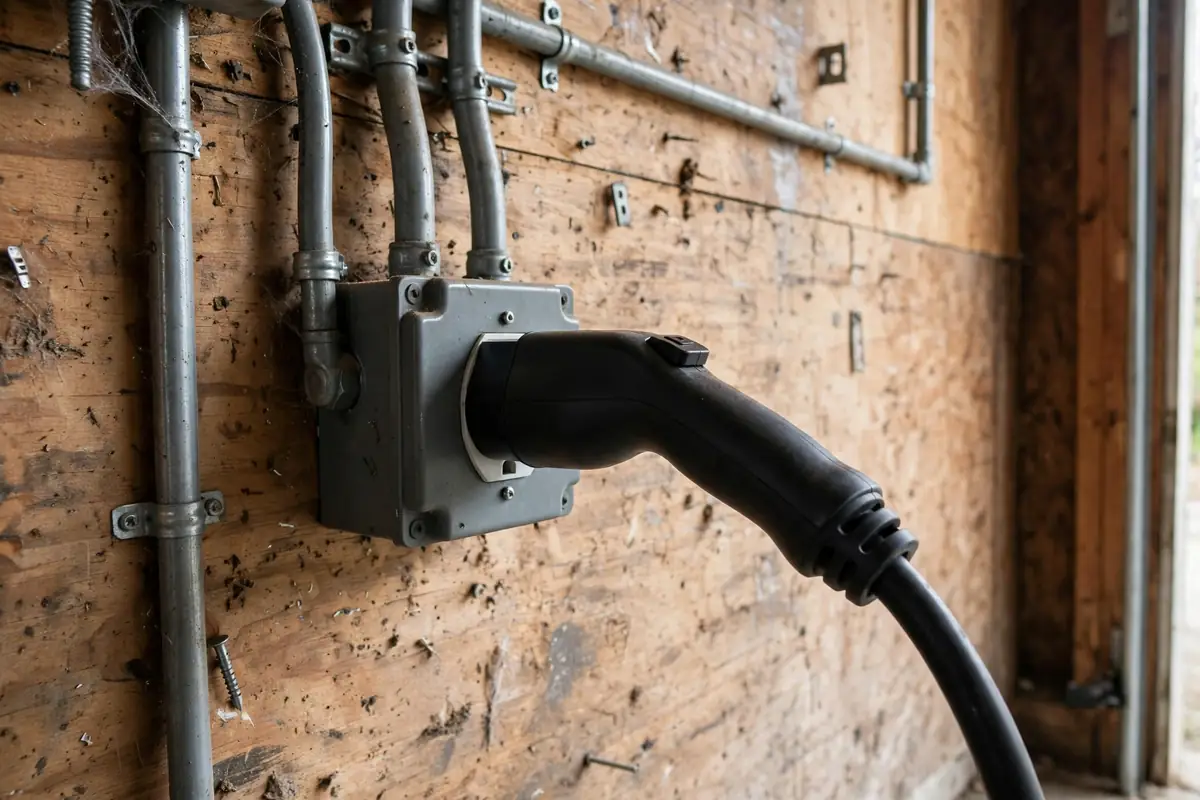
Decide from the next vehicle likely to park beside yours. A household committed to Tesla is well served by the standard Wall Connector. A household with a second brand in the driveway, a different-badge EV on the horizon, or a rotating work vehicle brings the Universal Wall Connector into the picture — its built-in adapter handles both plug shapes without extra adapters.
Two-connector homes deserve a mention because Jacksonville subdivisions produce them regularly: power sharing lets two Wall Connectors divide one circuit, charging both cars overnight at rates that adjust as each battery fills. Planning the pair during the first install costs a conversation; adding it later costs a second project.
The Circuit, Sized From the Panel Outward
Circuit size is a panel decision before it is a speed decision. A load calculation under NEC Article 220 totals the home's existing demand — air conditioning leads in a Jacksonville summer, then the range, dryer, and water heater — and sets that against the service size.
Newer Southside and Baymeadows homes on 200-amp service often take a 60-amp circuit without drama. Older homes in Riverside, Avondale, and San Marco, frequently on 100- or 150-amp service, may land on a 50- or 40-amp circuit, or pair a configured connector with load management. Each of those outcomes charges a Tesla fully overnight for typical Jacksonville use. The statewide panel upgrade overview explains the ladder; the Tesla Wall Connector service page covers the hardware.
Permits in a Consolidated City

A Wall Connector circuit is permitted work. Because Jacksonville operates as a consolidated city-county, the permit for nearly any address in the city proper — Mandarin, Arlington, the Southside, the Westside — runs through the City of Jacksonville's building inspection division. We file it, build to the Florida Building Code, and close it with inspection.
That paper trail matters at resale: a closed permit with a labeled panel answers the buyer's inspector in one folder. Addresses in Jacksonville Beach, Neptune Beach, or Atlantic Beach sit outside this desk — separate municipalities whose permits file with their own cities.
JEA's Off-Peak Hours and Your Charging Schedule
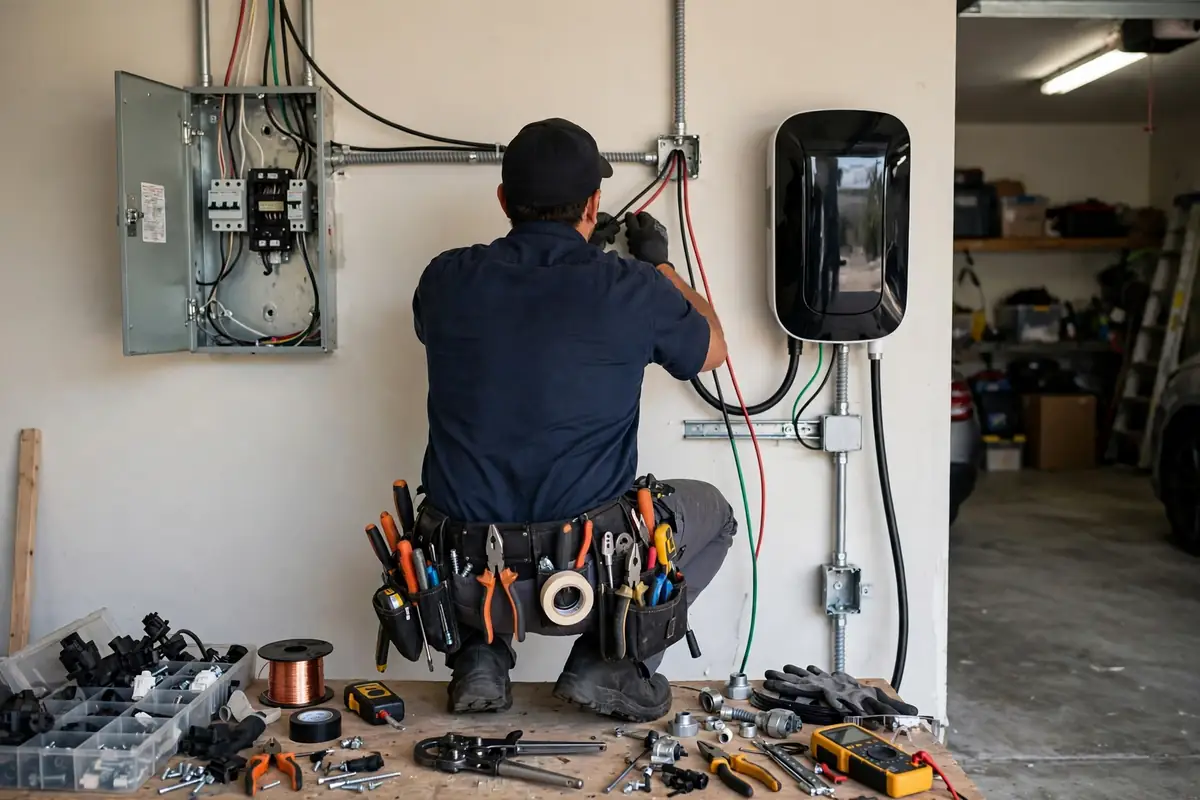
JEA, the municipal utility, offers an off-peak charging incentive of 7 dollars a month for EV drivers who charge inside its off-peak window, and a pre-wiring incentive of up to 300 dollars that can apply to the wiring side of an install. A Tesla makes the off-peak habit easy: set the schedule once and the car draws power when JEA wants it to.
Treat both programs as facts to verify at the assessment, not figures to bank on today — JEA sets its own terms and they change. What we do at commissioning is concrete: configure the schedule with you and confirm the connector's settings match it. The residential charging overview is a useful companion read if the household's second car is not a Tesla.
Garages, Carports, and Detached Buildings
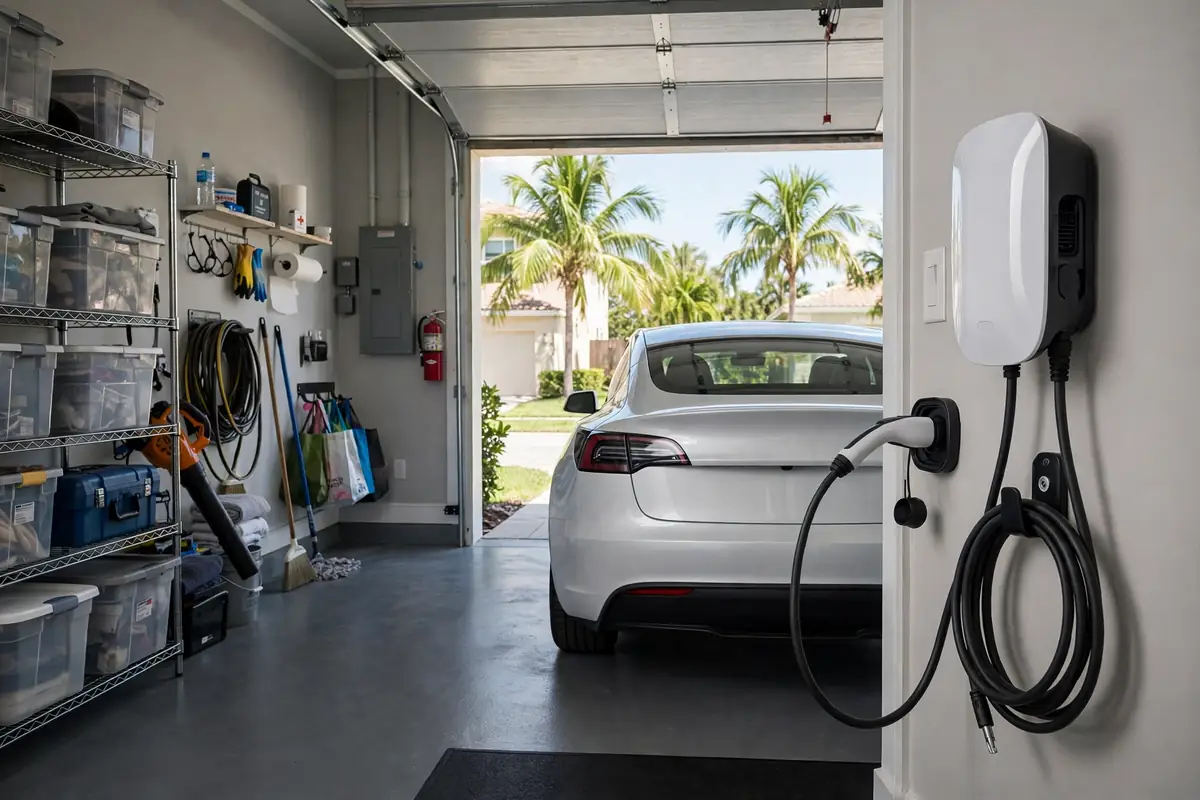
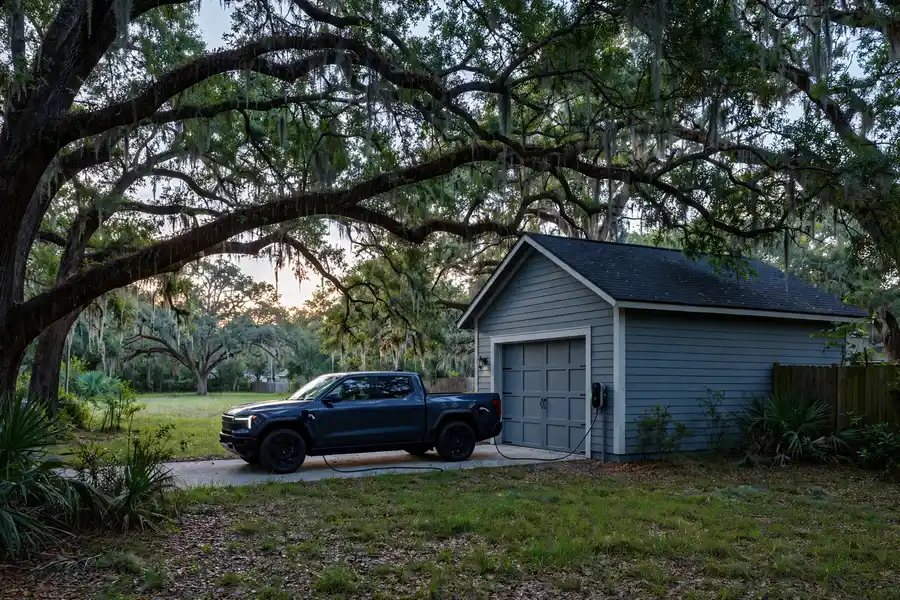
Jacksonville's older neighborhoods park cars in more ways than the standard attached garage. Riverside and Springfield homes often have detached garages reached by an alley or side drive; San Marco adds carports; Mandarin places garages at odd angles under the oaks. Each pattern changes the circuit route — conduit to a detached building, a longer run from a panel at the far end of the house, weather sealing where the mount is open to rain. The route gets walked and priced at the assessment so installation day holds no surprises. Outdoor mounts get weather-rated hardware and sealed fittings, and placement accounts for storm debris where canopy hangs over the parking spot.
How It Works
Step 1: The car, the parking spot, the panel
A short call covers what you drive, where it sleeps, and what your panel shows. One clear panel photo settles most early questions.
Step 2: Numbers before hardware
The load calculation runs with the panel open, the circuit route is walked with you, and the planned amperage is fixed in writing before work begins.
Step 3: Circuit and connector
Dedicated circuit installed, connector mounted, amperage set to the circuit, Wi-Fi joined, and a test charge completed on your car.
Step 4: Inspection and handover
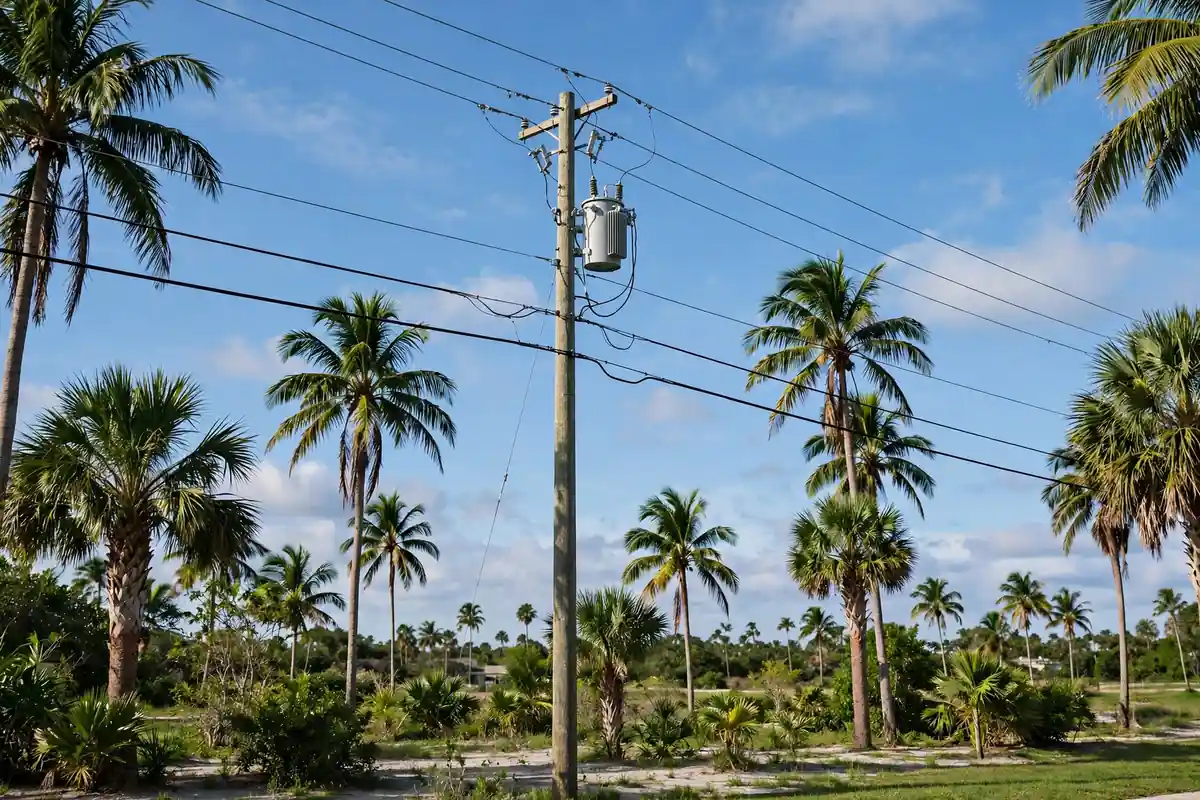
The city inspection closes the permit. You receive the permit record, the configuration details, and an off-peak schedule set in the car or app.
On the Ground in Jacksonville
Tesla installs here cluster in the newer Southside and Mandarin subdivisions, in Riverside and San Marco where garages predate the cars by decades, and in commuter households strung along the I-295 beltway. The constants: JEA power, one city permit desk, historic panels in the old neighborhoods and roomy ones in the new, and weekly mileage that makes overnight charging the load-bearing habit of EV ownership here.
Frequently Asked Questions
Can a Wall Connector serve a detached garage behind a Riverside or Springfield home?
Yes. The job becomes a routing exercise — conduit or a trenched run from the house panel to the garage, sized for distance and circuit. The route is settled at the assessment, and the connector mounts and commissions the same way it would in an attached garage.
How does JEA's off-peak incentive connect to the way a Tesla schedules charging?
JEA offers an off-peak charging incentive of 7 dollars a month, and Teslas can be set to charge inside a chosen window or finish by a scheduled departure. We configure that schedule during commissioning and confirm the current JEA terms with you at the assessment, since JEA updates its own eligibility rules.
Two Teslas in one Southside garage — do we need two circuits?
Usually not. Two Wall Connectors can power-share one circuit, dividing the available amperage between the cars and shifting it as each one fills. The shared circuit is sized at the load calculation, and both units are configured as a pair during commissioning.
Which amperage suits a Jacksonville household driving the beltway every day?
Start from the panel, not the commute. On a 60-amp circuit the connector delivers 48 amps, restoring a long day's driving in a few evening hours. Smaller circuits still cover typical beltway commuting overnight. The load calculation picks the largest honest number your service supports.
Who permits a Wall Connector circuit for a home in Mandarin?
The City of Jacksonville. Mandarin sits inside the consolidated city-county, so its electrical permits run through the city's building inspection division — the same desk as downtown or the Southside. We file there and close the permit with the inspection.
Get Your Wall Connector Installed in Jacksonville
Permitted, commissioned, and proven with your car — one call starts it in Jacksonville.
(407) 557-4153 · Mon–Fri 7:00 AM – 10:00 PM · Sat 8:00 AM – 10:00 PM · Sun 7:00 AM – 9:00 PM ET