What Level 2 Actually Buys a Port St. Lucie Driver
The Level 1 cord in the trunk adds 3 to 5 miles of range an hour — repaying a West Palm Beach commute takes it most of a day and night. Level 2 adds 25 to 45 miles an hour depending on the circuit, which turns this city's defining routine — the I-95 and Turnpike commute, the Stuart run, the St. Lucie West errand loop — into fuel that refills itself while you sleep. Level 3 DC fast charging is highway equipment; its proper local role is the Orlando or Miami trip, not the driveway it would be absurd to install in.
Hardwired or Plug-In: The Port St. Lucie Answer
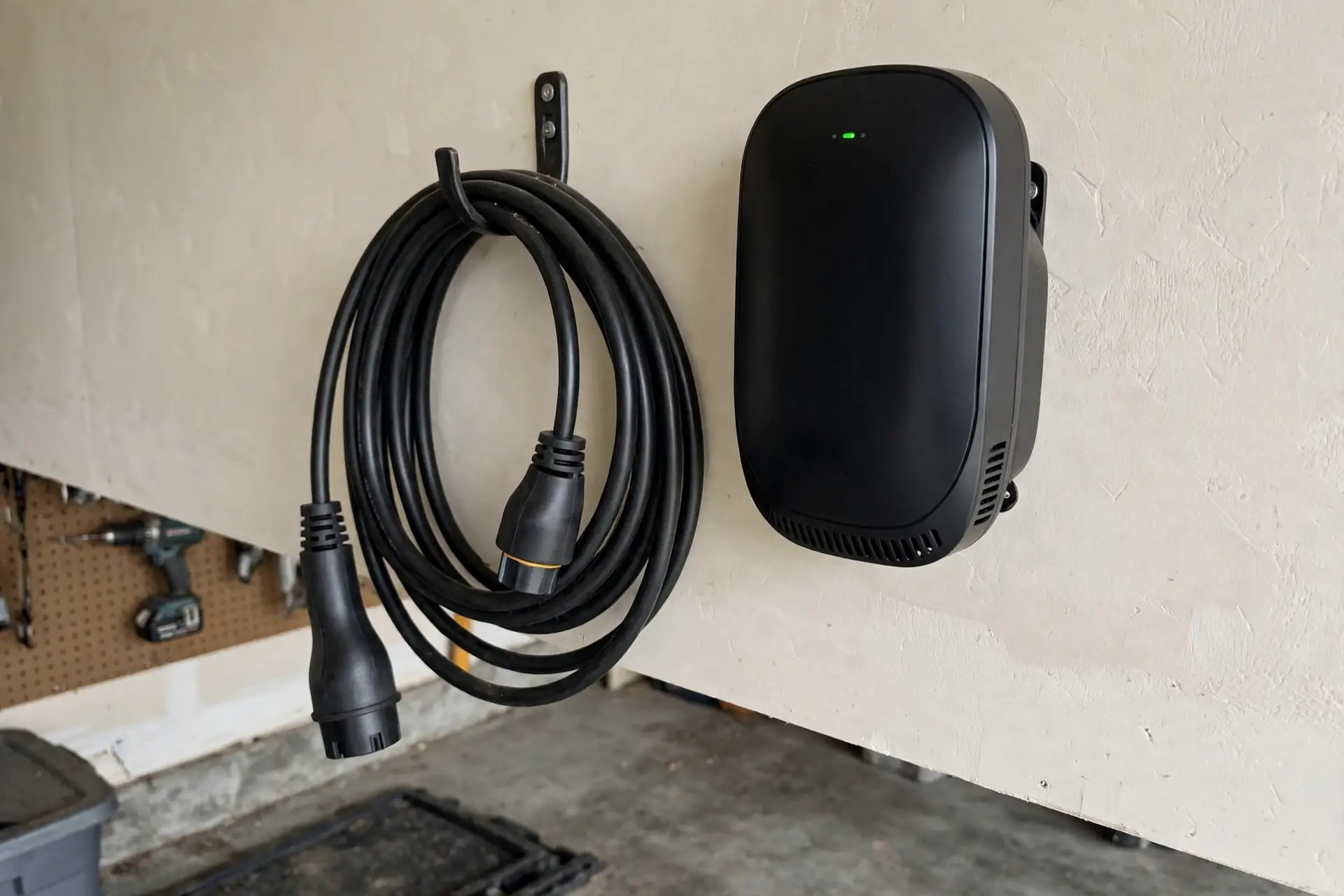
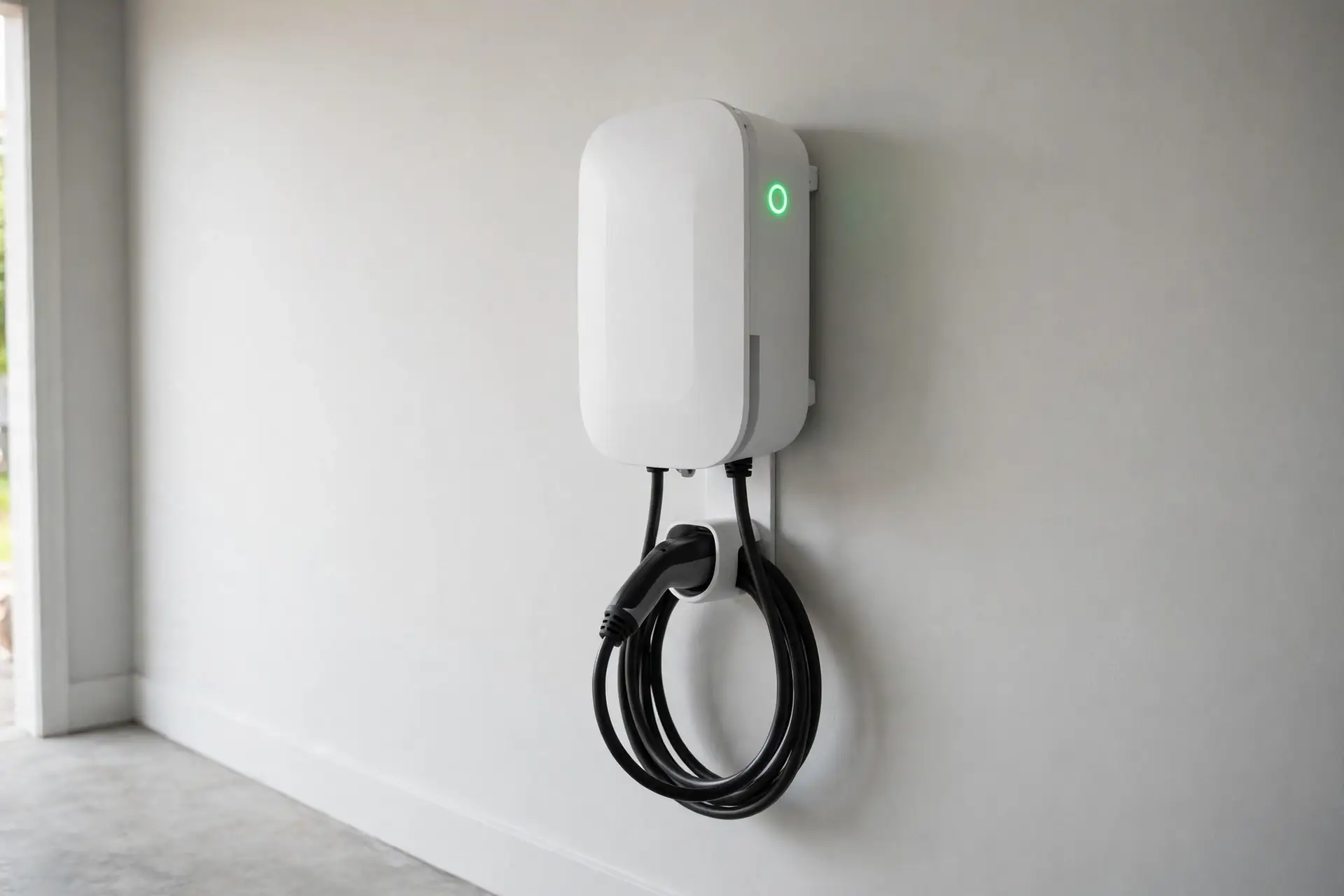
Hardwired units mount permanently, reach the highest amperage — 48 amps on a 60-amp circuit — present no receptacle to fatigue under continuous load, and are the default for new-build garages and outdoor installs alike.
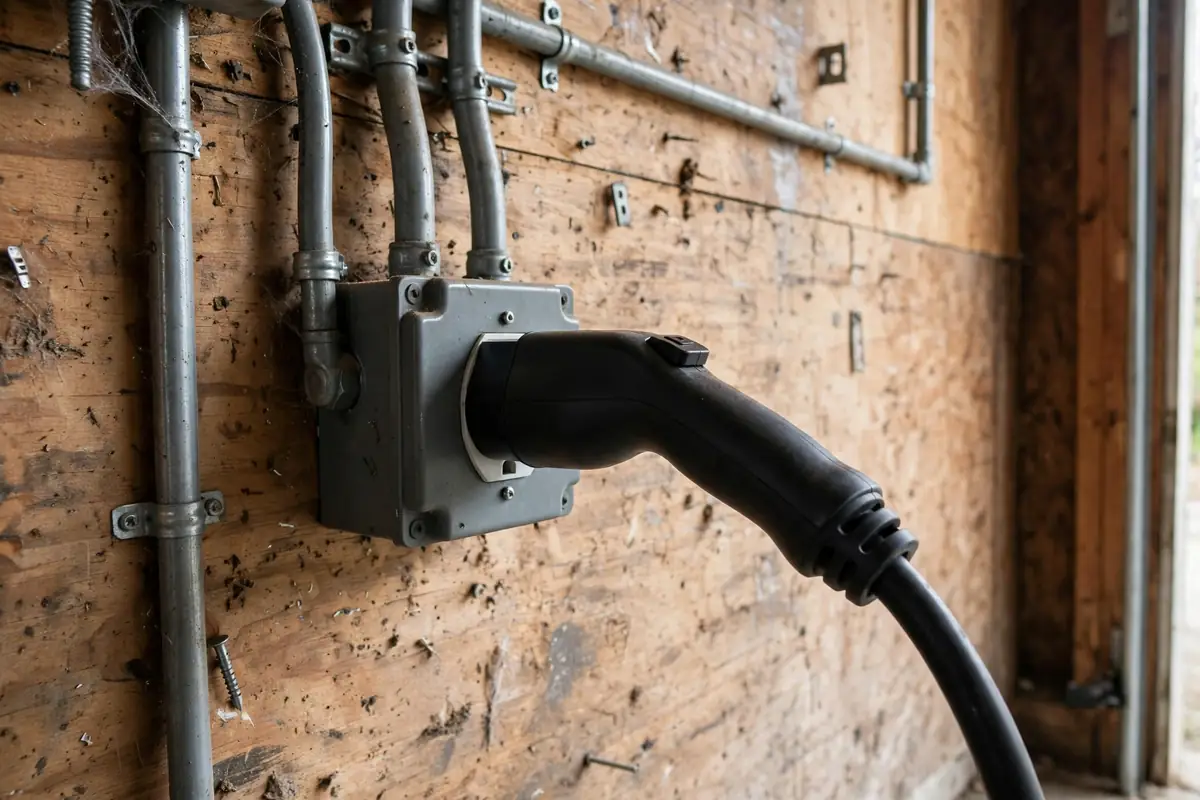
Plug-in units on an industrial-grade NEMA 14-50 outlet trade a little top speed (40 amps maximum) for portability — the charger unplugs and goes with you at a move, which matters in one of America's fastest-moving housing markets. The condition is non-negotiable: the outlet must be commercial-grade. A builder-grade receptacle under eight-plus hours of nightly continuous load is a documented failure pattern, not a saving.
The assessment explains both; the load calculation decides the circuit behind either.
Circuits, Translated
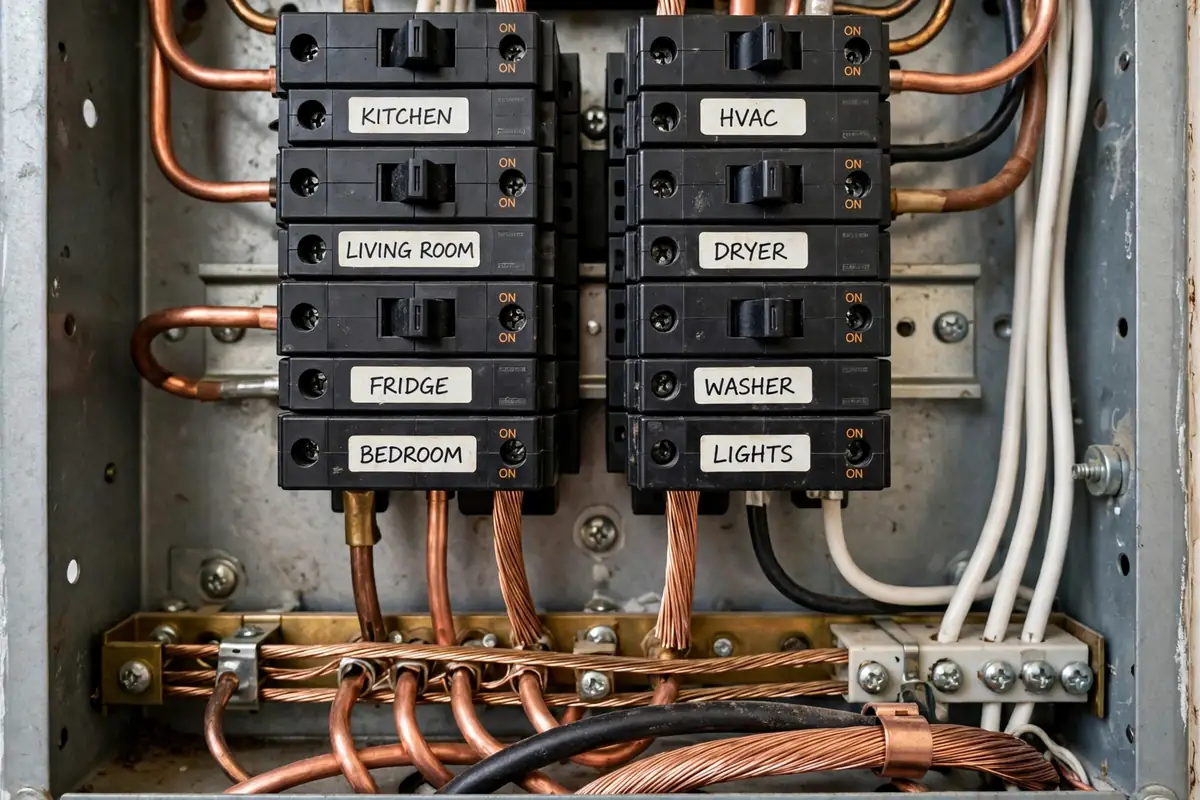
- 60-amp circuit, 48-amp charging: the full-speed configuration — up to roughly 44 miles of range per hour, the West Palm commute repaid before midnight.
- 50-amp circuit, 40-amp charging: the workhorse — a full battery overnight after any Port St. Lucie day.
- 40-amp circuit, 32-amp charging: the older-panel configuration, often with load management behind it, still multiples faster than the wall cord.
The correct circuit is the largest your panel's arithmetic honestly supports. A bigger number the panel cannot carry is not an upgrade — it is a tripping problem with better marketing.
Every Brand, One Standard
Tesla's connector is NACS; most other EVs on St. Lucie roads carry J1772 ports, with adapters and native NACS spreading by model year. Universal chargers with built-in adapters settle the question for the two-commuter household. The units our Port St. Lucie customers choose most — Tesla, Emporia, Wallbox, ChargePoint, Grizzl-E — all commission the same way here: circuit by calculation, configuration matched to the breaker, schedule set for FPL's off-peak hours, test charge on the actual car. Emporia and Wallbox add solar-aware modes, and they matter here: Tradition and St. Lucie West roofs are filling with panels, FPL's EVolution program is closed to solar net-metering customers, and so solar households install privately as a matter of course. Our solar charging guide covers the pairing honestly.
Port St. Lucie Specifics
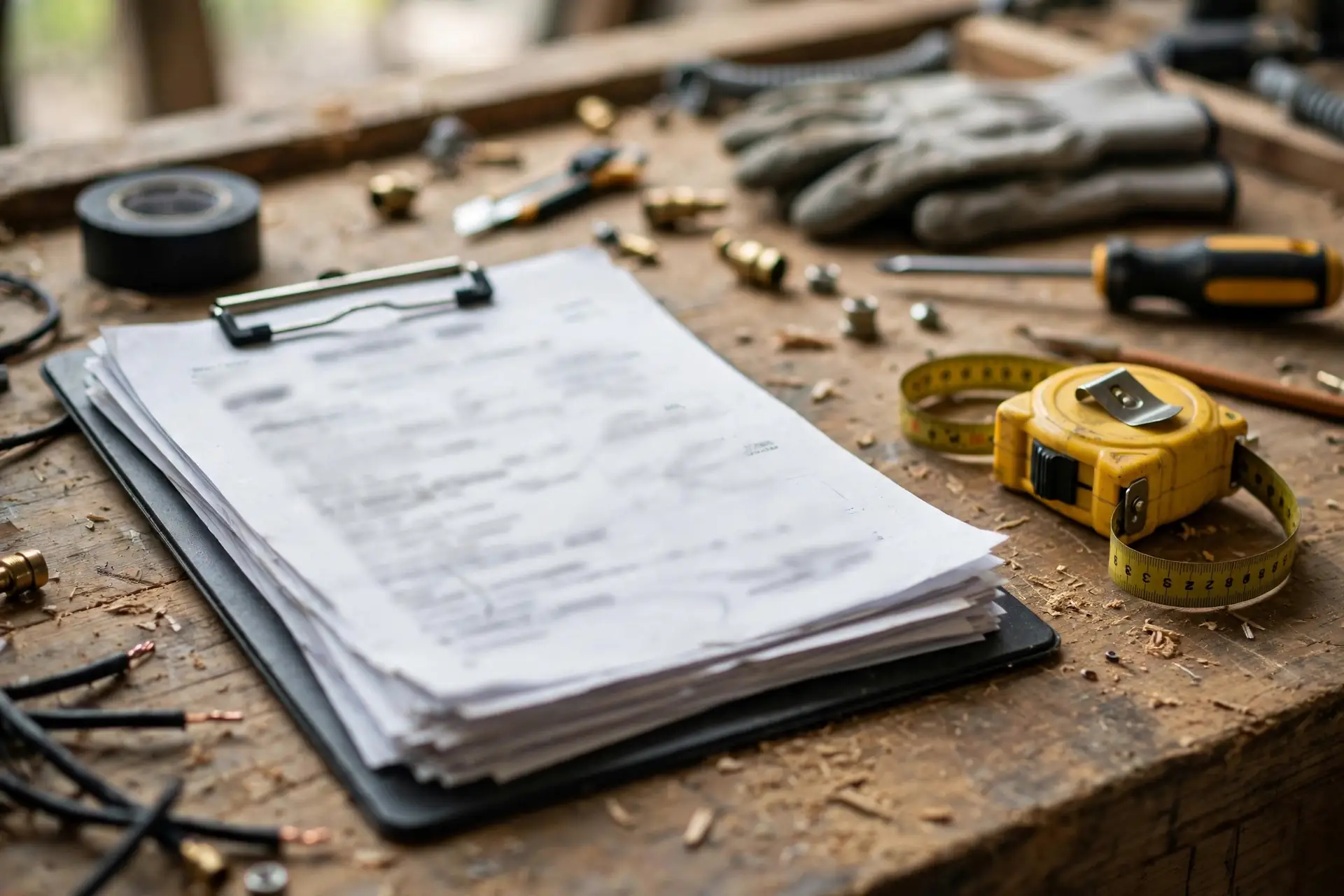
Move-in installs. In the new subdivisions, the charger belongs on the move-in list — placed for the household's real parking, the second car anticipated, the permit closed while the builder paperwork is still warm.
Older neighborhoods. River Park, Sandpiper Bay, and Southbend installs plan around panels from another era; configured amperage and load management are usually what keep the original service in place.
Associations. Tradition and the gated communities apply architectural standards to exterior work. We surface the review at the assessment, while planning around it is free.
Storm readiness. Weather-rated hardware outdoors, sealed conduit, surge protection at the panel — the Treasure Coast grades every install eventually, and the spec should start there.
Permits in Port St. Lucie
A Level 2 circuit is permitted electrical work: the City of Port St. Lucie's building department for city addresses, St. Lucie County for the unincorporated pockets. We pull the permit, build to the Florida Building Code, and close it with the inspection. The record follows the house — in this market, documented electrical work is read at every resale, which in Port St. Lucie means it is read soon and often.
How It Works
Step 1: The call
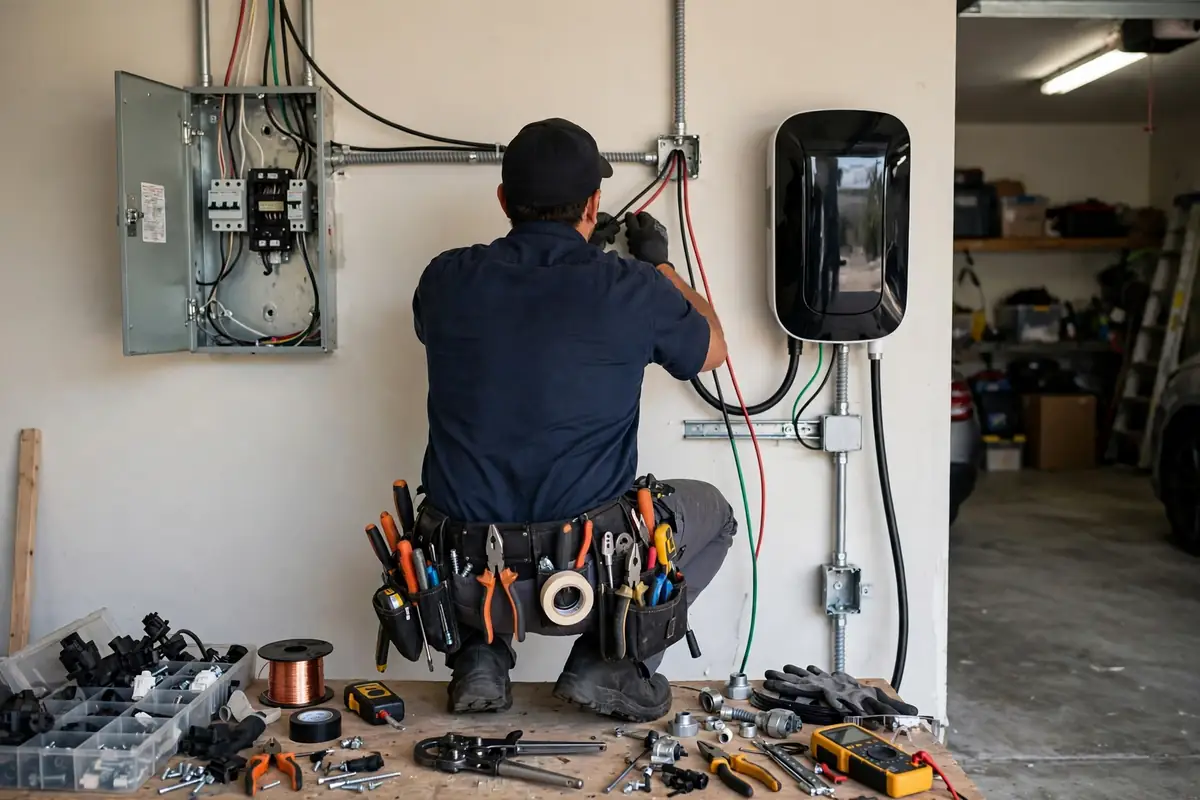
Car, parking, panel basics, association situation. One panel photo scopes most Port St. Lucie installs before a visit.
Step 2: Load calculation
The panel's real headroom as a number. The circuit size follows from it — never the reverse.
Step 3: Install and commission
Circuit run, charger mounted, configuration matched to the breaker, off-peak schedule set, test charge on your car.
Step 4: Inspection and folder
The permit closes; you keep the record, the configuration, and the labeled panel.
Placement: The Five-Foot Decision
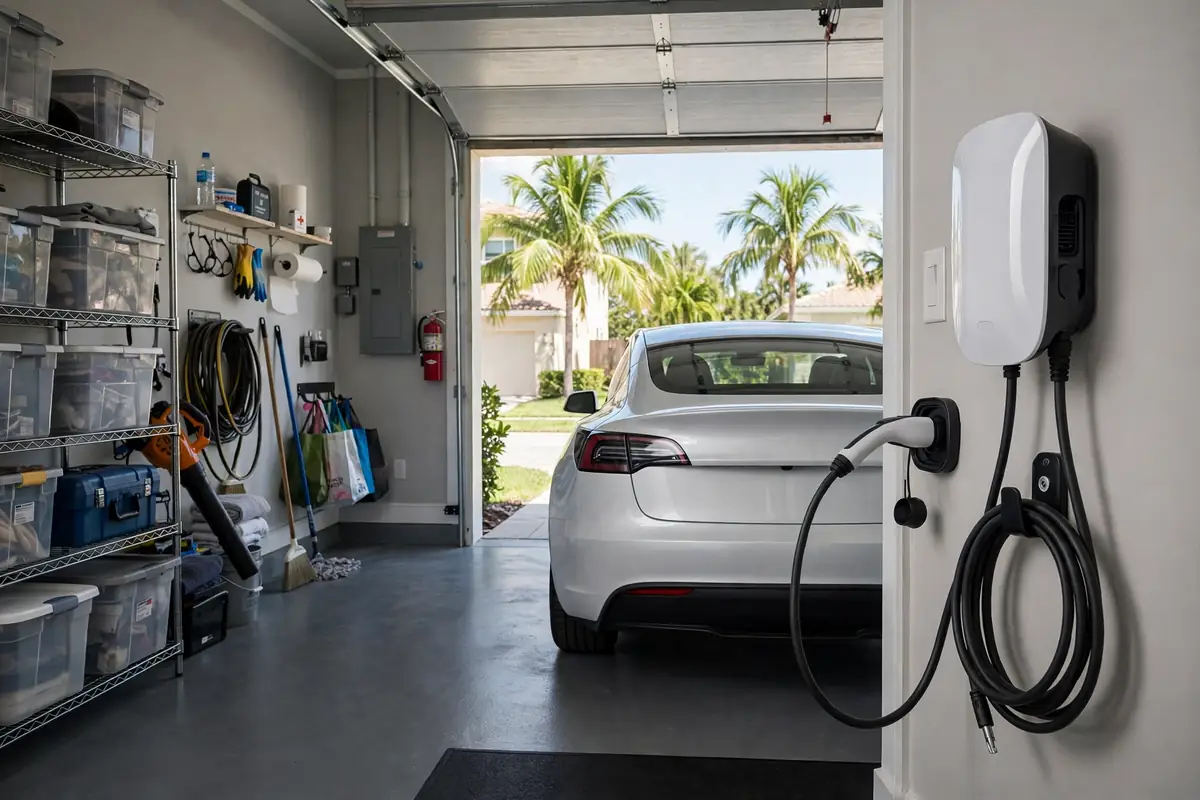
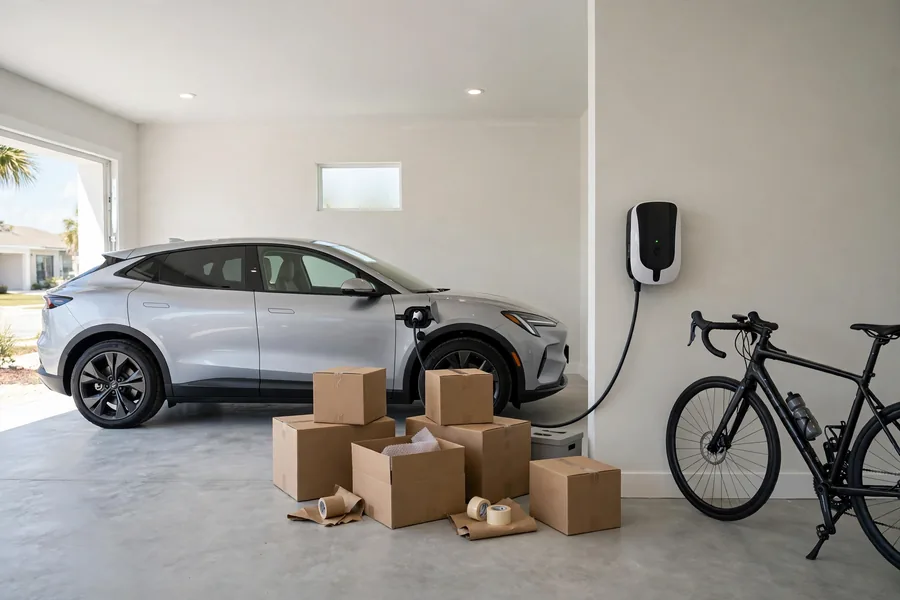
A charger lives where it is mounted for a decade. In Port St. Lucie garages we plan around the charge port's real side, the door you come through with groceries, the golf cart's parking claim in St. Lucie West, and the second car's door swing. Outdoors we add sun path, sprinkler arcs, and where storm water stands. Five minutes of tape-measure honesty at the assessment buys ten years of plugging in without thinking — the entire point of the purchase.
Frequently Asked Questions
How fast will Level 2 repay a Port St. Lucie commute?
At 40 to 48 amps, most EVs regain 35 to 45 miles of range per hour — the West Palm Beach round trip repaid in roughly two to three hours overnight, and a full battery from near-empty by morning.
Can a Level 2 charger be installed in a Tradition home during move-in week?
Yes — and it is the best week to do it. Panels are new, garages are empty, and the permit closes alongside the rest of the move-in paperwork. The assessment call schedules it like any other install.
Does it matter for a Level 2 install that my Port St. Lucie roof has solar?
Only in the best way: solar households cannot use FPL's EVolution program, so they install privately anyway — and solar-aware chargers from brands like Emporia and Wallbox can lean sessions toward your production hours when the car is home.
Will a Level 2 install work for my next EV too?
Yes. The circuit is the permanent part; connectors are the evolving layer, and adapters or universal units bridge them. A properly sized 240-volt circuit outlives several cars — in this city, it may outlive several owners, documented, which is part of its value.
How long does a Port St. Lucie Level 2 install take, start to charging?
The electrical work is typically a single visit once the permit is in hand. The assessment call maps the whole calendar — city or county permit timing included — before you commit to anything.
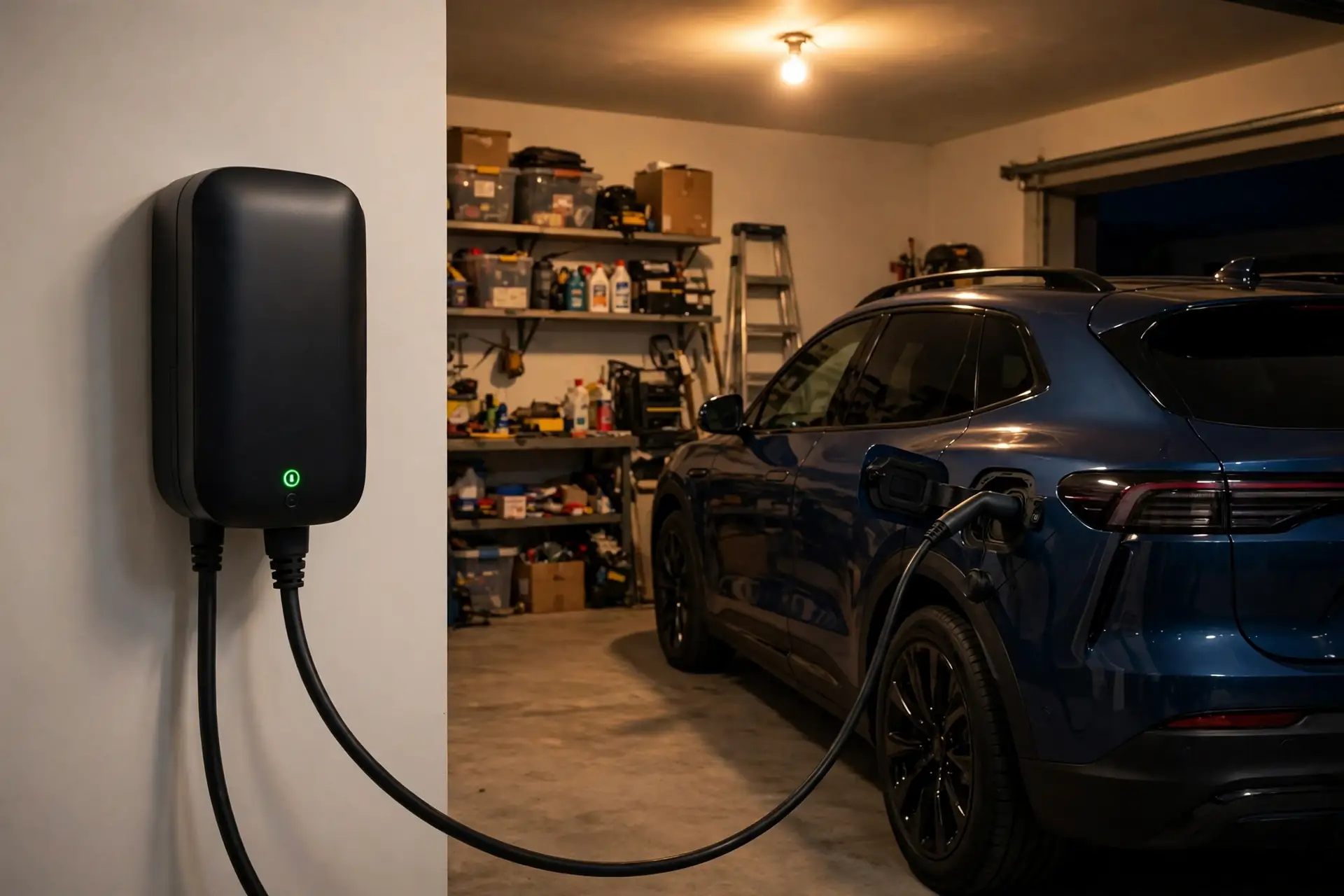
Get Level 2 Charging Installed in Port St. Lucie
Permitted, load-calculated, and proven with your car — one call starts it.
(407) 557-4153 · Mon–Fri 7:00 AM – 10:00 PM · Sat 8:00 AM – 10:00 PM · Sun 7:00 AM – 9:00 PM ET