The Load Calculation Comes First
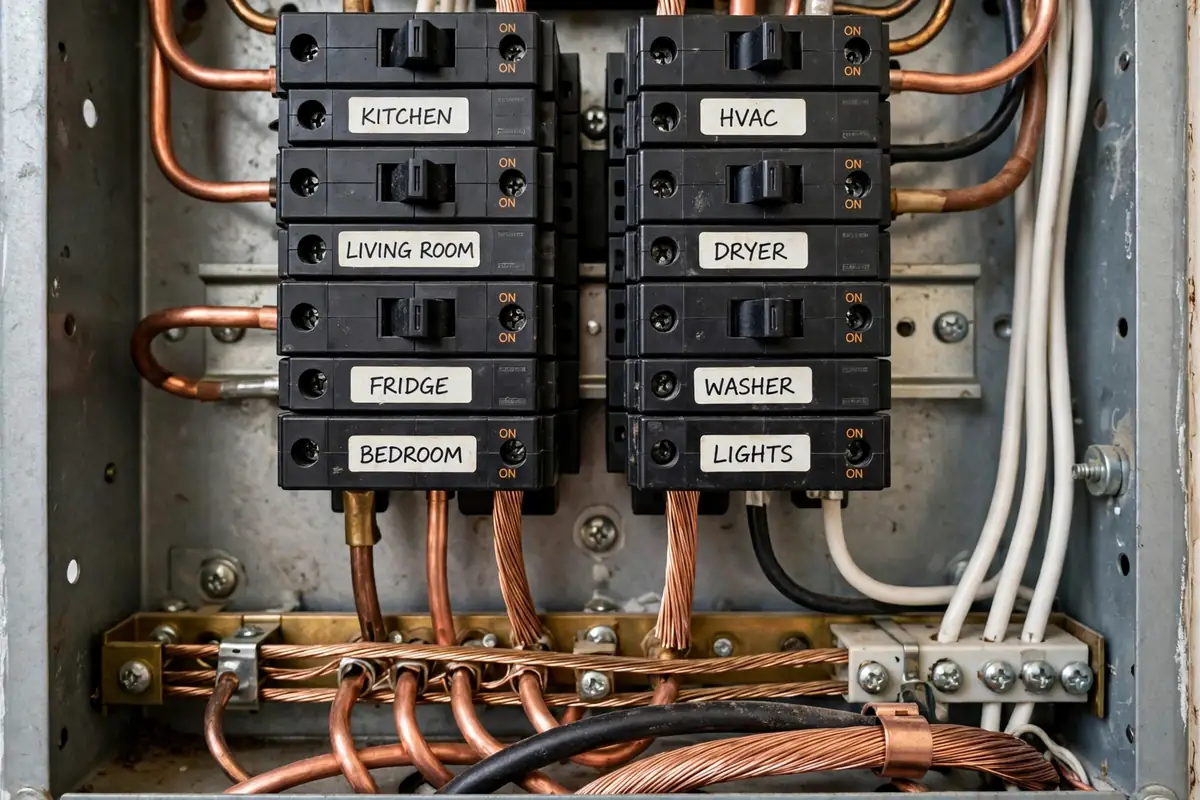
Every honest panel conversation starts with arithmetic. The NEC load calculation totals your home's existing demand — air conditioning, range, dryer, water heater, pool equipment — and sets it against its rated capacity. What remains is what an EV charger may use. In St. Petersburg, Historic homes are the panel-upgrade heartland of this site — 100-amp services, detached garages behind the house, and alley-loaded lots are all standard here, which is why the load calculation and the conduit route get planned together. Until that subtraction is done on your actual panel, every recommendation — including 'you need an upgrade' — is a guess wearing a uniform.
Three Doors, in the Order We Open Them
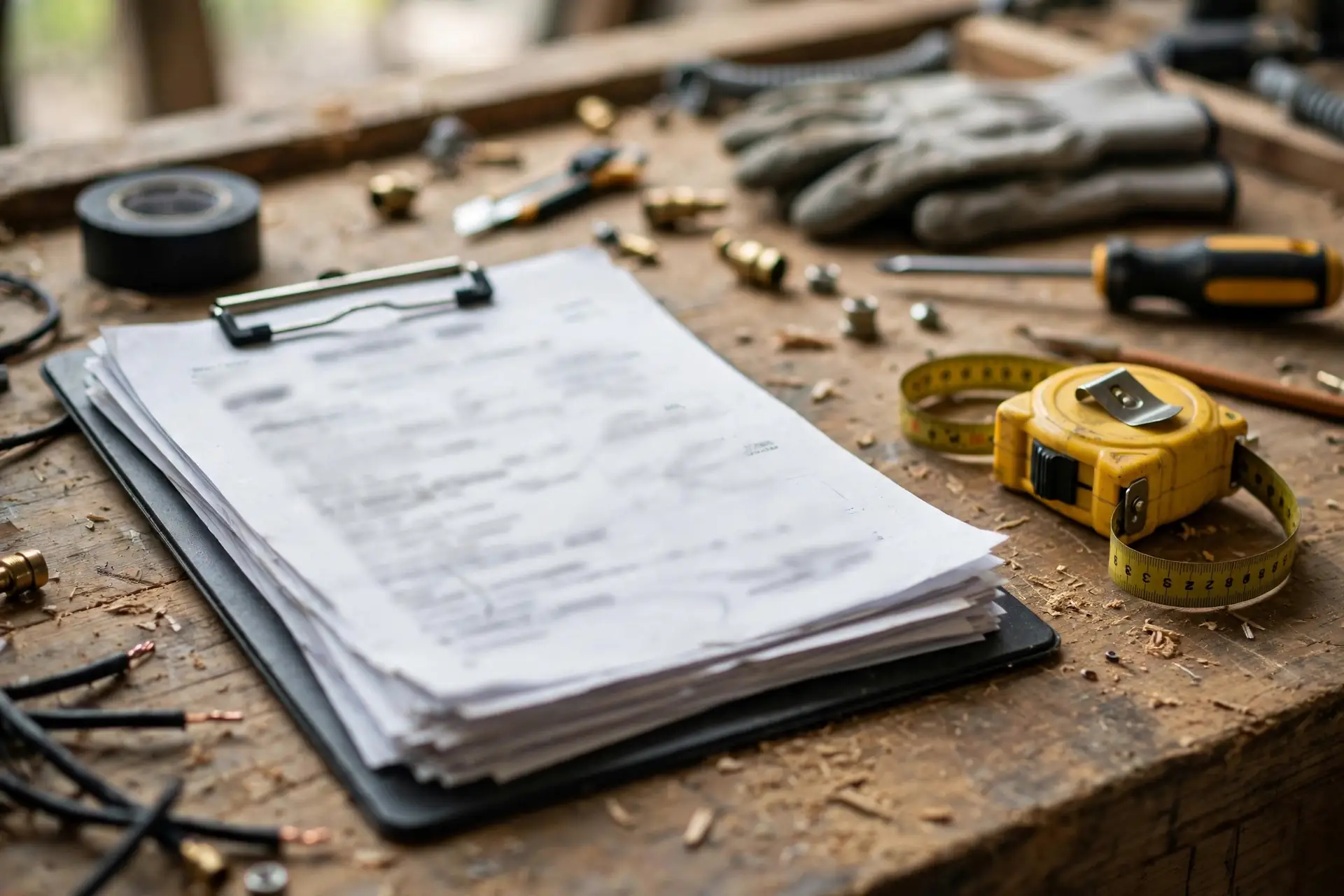
Door one: configure the charger to the capacity that exists. A 32-amp circuit disappoints nobody who sleeps eight hours. Door two: load management — an energy management system that watches the whole house and throttles the charger during peaks, recognized by the NEC and permitted like any other part of the job. Door three: the upgrade itself, typically to 200 amps, buying capacity for the charger and every electric appliance queued behind it. We open the doors in that order and stop at the first one that fits your house and your plans.
What Upgrade Day Actually Looks Like
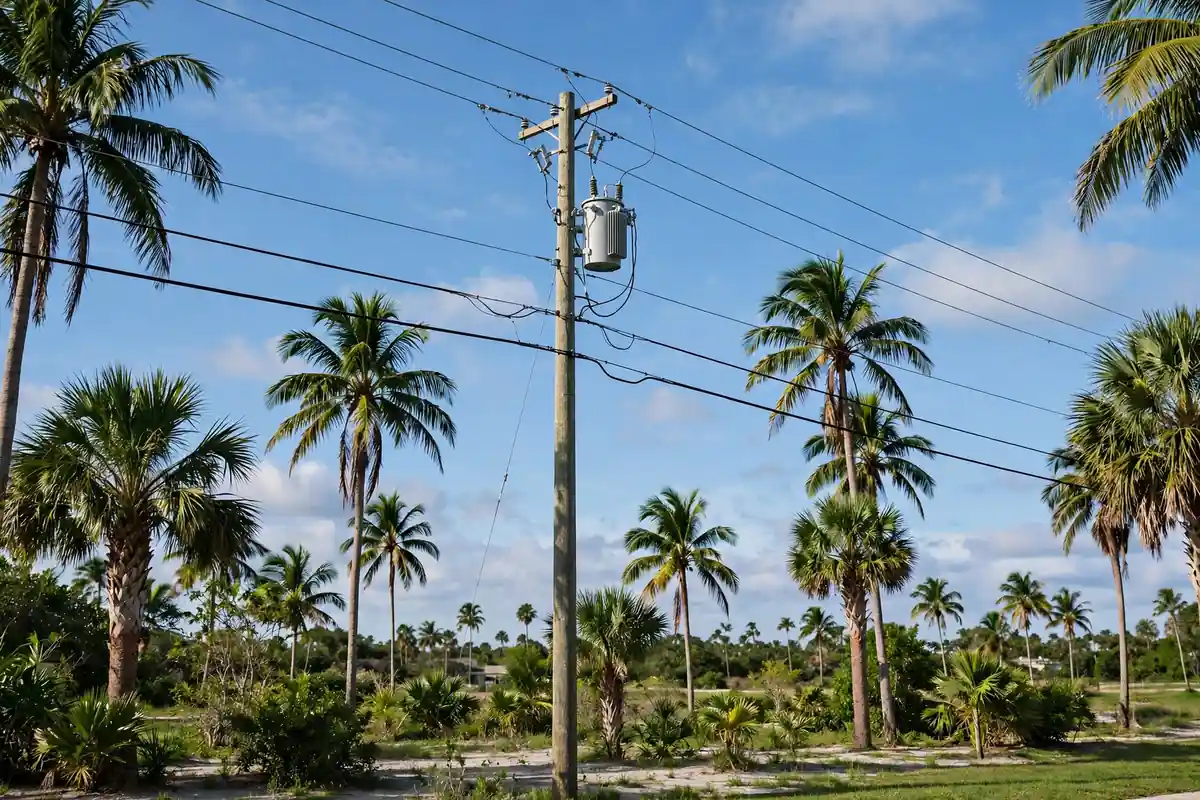
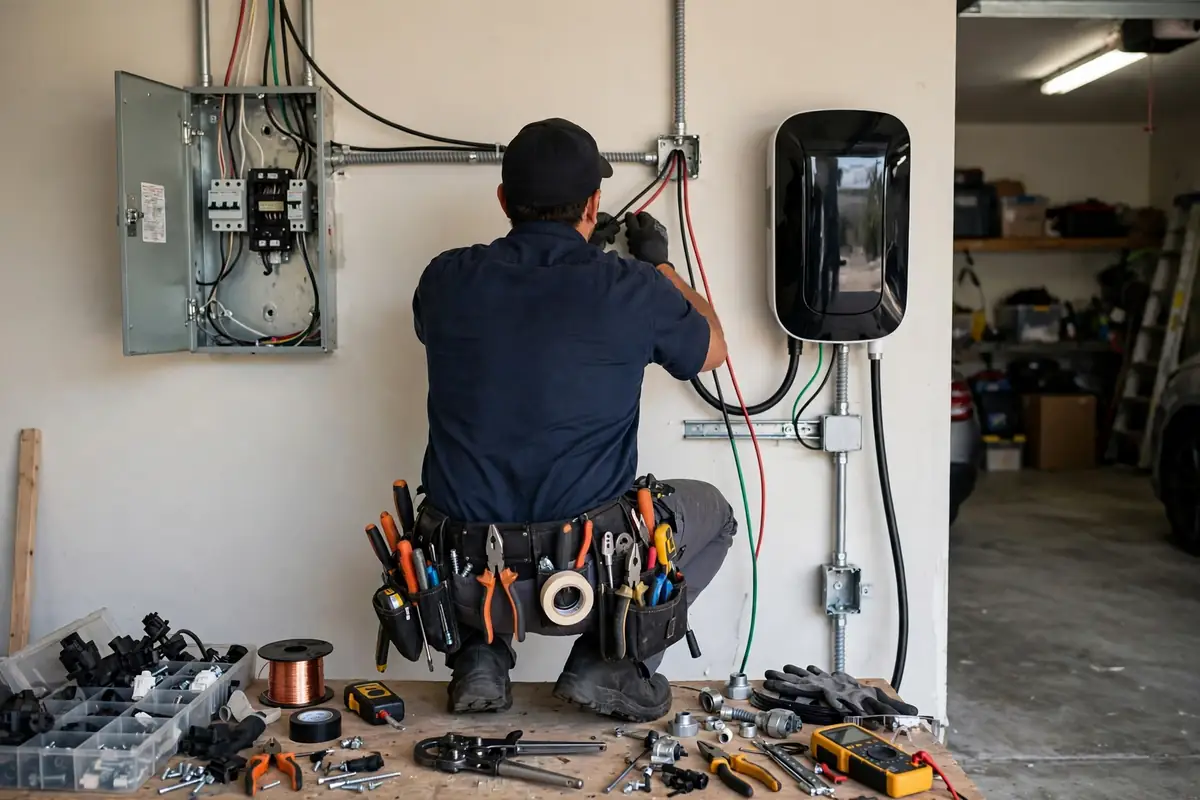
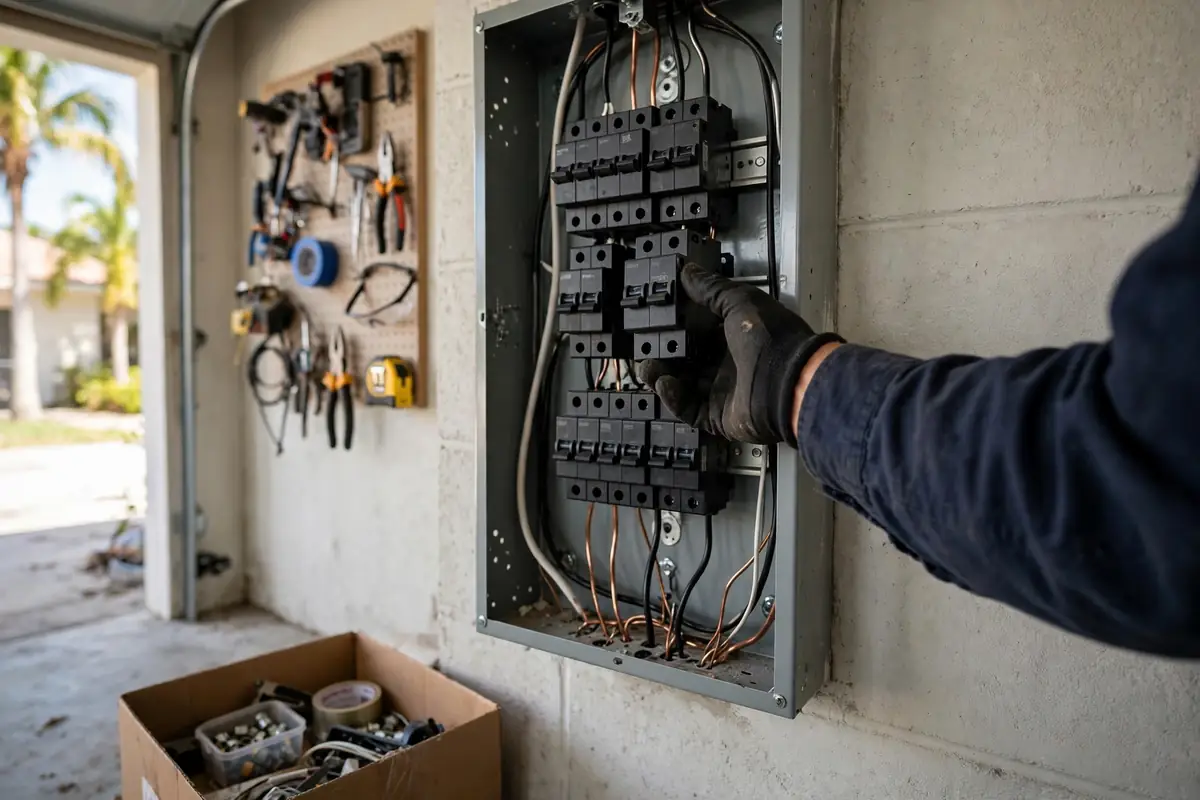
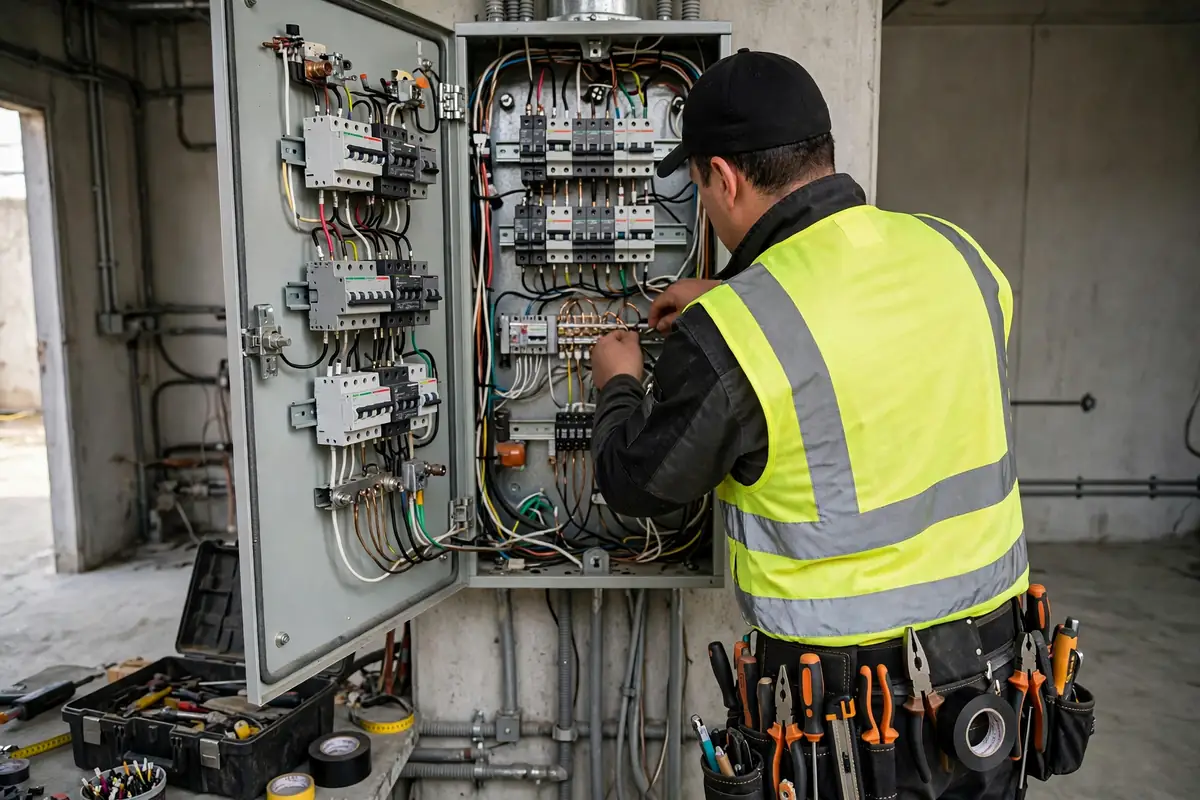
A panel upgrade is a choreographed day, not a demolition: utility disconnect in the morning, panel (and sometimes meter base) replaced, circuits re-landed and labeled, utility reconnect, inspection scheduled to close the permit. Power is off for hours, not days, and the sequence is planned around your fridge and your calendar. The permit runs through City of St. Petersburg Construction Services (electrical permit; historic districts may add a design review), and Duke Energy coordinates the meter side — we manage both so you are not playing telephone between a city desk and a utility.
The Florida Inspection Nobody Skips
Opening a St. Petersburg panel means reading it: corrosion on lugs from salt air and sprinkler overspray, heat discoloration from a decade of loose connections, breaker brands with known failure histories. Upgrading capacity on top of damaged gear would be malpractice, so condition findings ride along with every capacity recommendation. It is also why we pair upgrades with whole-panel surge protection — in lightning country, the new panel deserves a bodyguard.
How It Works
Step 1: Recon over the phone
EV model, parking reality, panel basics — the call sorts the job into standard or interesting before anyone drives out. Panel photos welcome.
Step 2: The panel gets its say
Load calculation first, hardware second. You will see the spare capacity as a number, and every option on the table will trace back to it.
Step 3: Install day
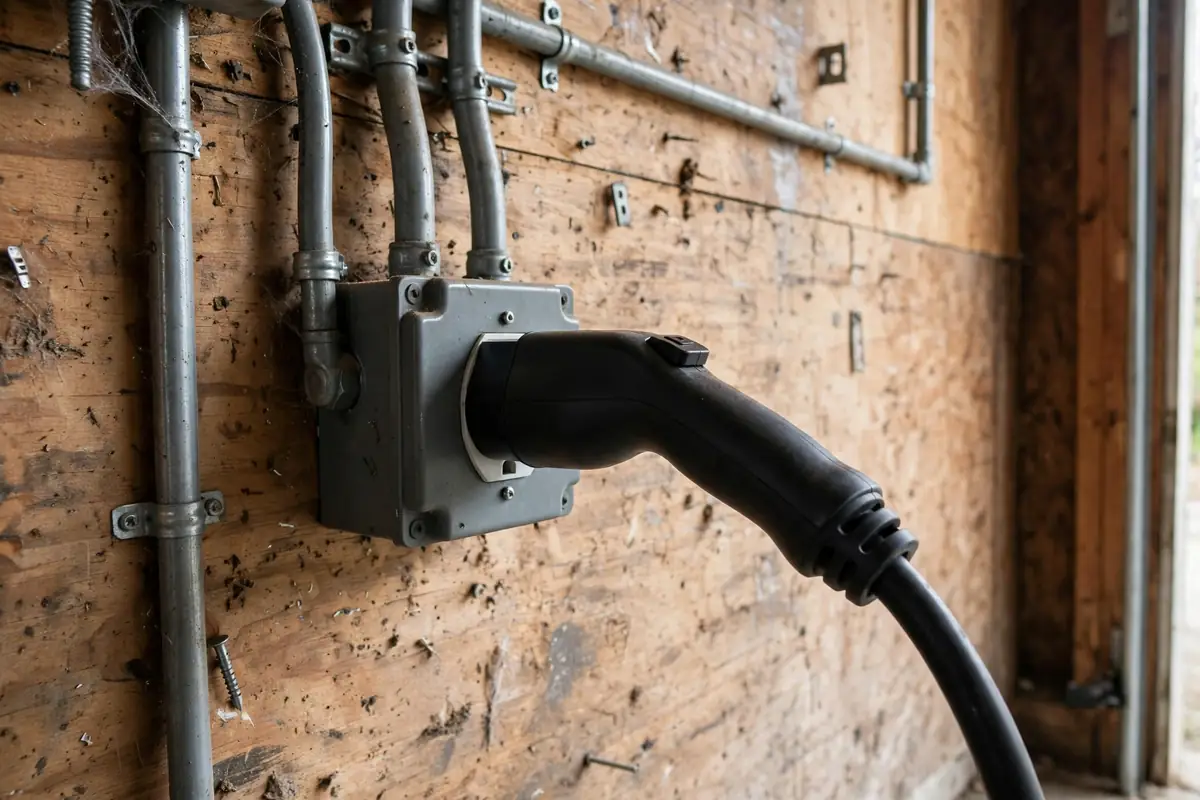
Permit in hand, the circuit goes in, the charger goes on the wall, and the configuration is set to the circuit — then proven with your car plugged in.
Step 4: Paperwork and goodbye
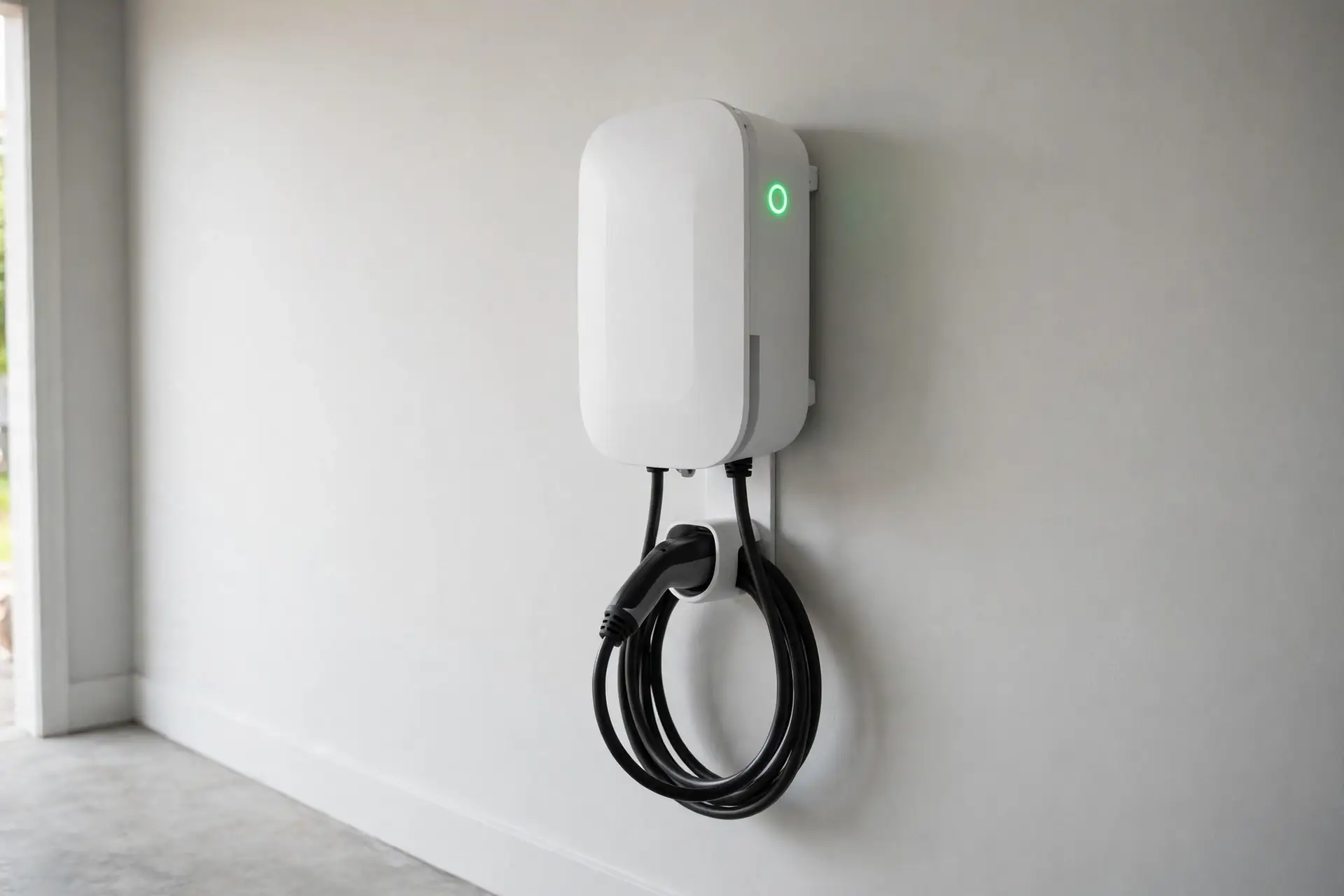
Inspection closes the permit; your folder gets the permit record, the configuration, and the panel labeling. The charger disappears into your routine, which is the point.
On the Ground in St. Petersburg
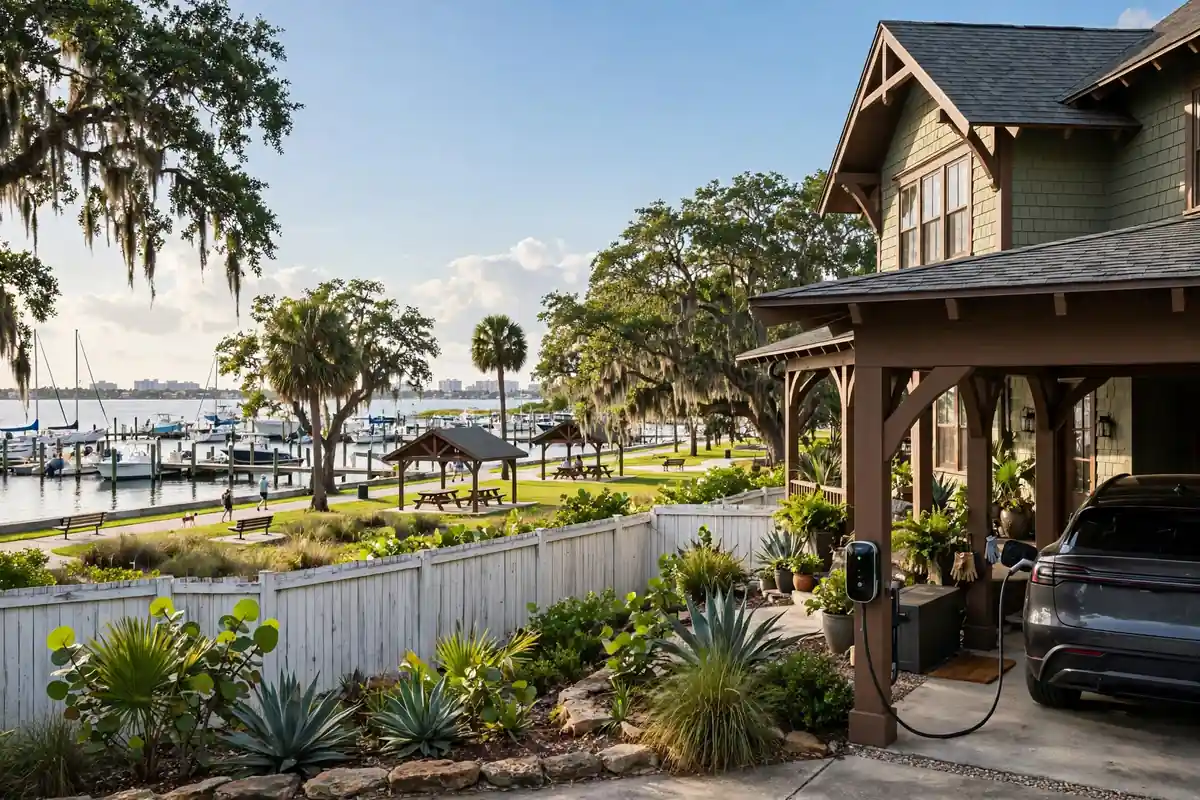
Installs in St. Petersburg cluster in neighborhoods like Old Northeast, Historic Kenwood, Historic Roser Park, Snell Isle, Crescent Heights, Disston Heights, Tierra Verde — and each pocket of the city writes its own version of the job. The constant is the landscape: brick streets, hex-block sidewalks, and porches under oak canopy. Add Pinellas County permitting, Duke Energy Florida service, and daily driving shaped by I-275 and the Howard Frankland Bridge, and you have the real specification sheet for a St. Petersburg charger — the one we work from on every assessment, rather than a generic national checklist. Historic homes are the panel-upgrade heartland of this site — 100-amp services, detached garages behind the house, and alley-loaded lots are all standard here, which is why the load calculation and the conduit route get planned together.
Keeping a Charger Healthy in Florida
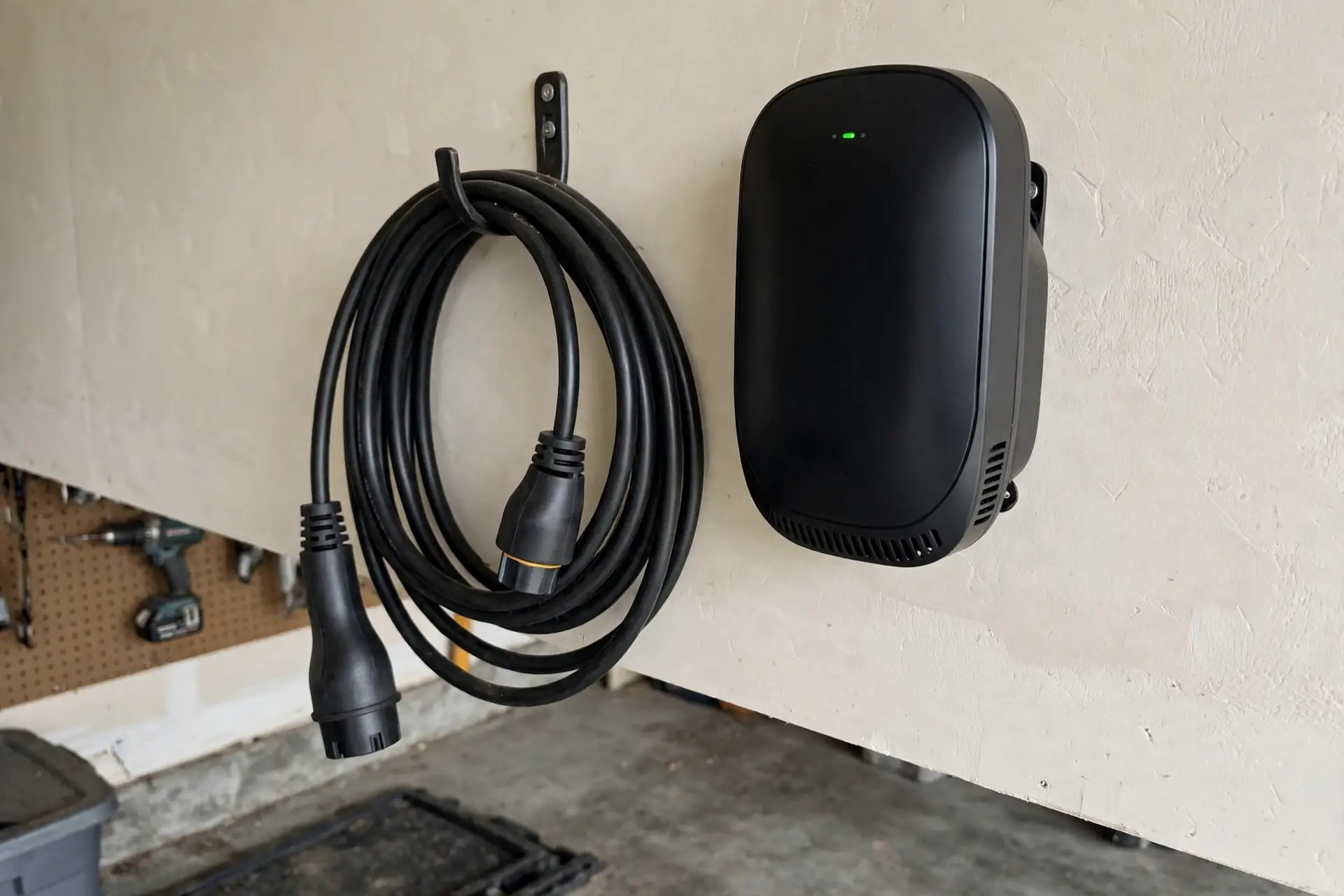
A Florida charger asks little: keep the connector docked, glance at the cable jacket each season for UV wear, rinse salt film off coastal enclosures, and know that a breaker that starts tripping is a message, not an annoyance to reset nightly. After any storm that flickered your power hard, check the charger's status light before the next session. Surge protection at the panel does the heavy lifting silently. And when something does misbehave — speeds sagging, connectors running warm, Wi-Fi dropping — a diagnostic visit early is cheaper than a replacement later. Our repair team covers St. Petersburg for exactly these calls.
Questions to Ask Any St. Petersburg Installer
Five questions separate electricians from dabblers, anywhere in Pinellas County: Will you run a load calculation before quoting? Who pulls the permit, and will I get the closed permit record? What amperage will the charger be configured to, and what breaker and wire support it? Is the outlet (if any) industrial-grade? Is surge protection included or offered? A qualified installer answers all five without blinking, because they are the job. We built our whole process in St. Petersburg around answering them before you think to ask.
Placement: The Five-Foot Decision That Lasts a Decade
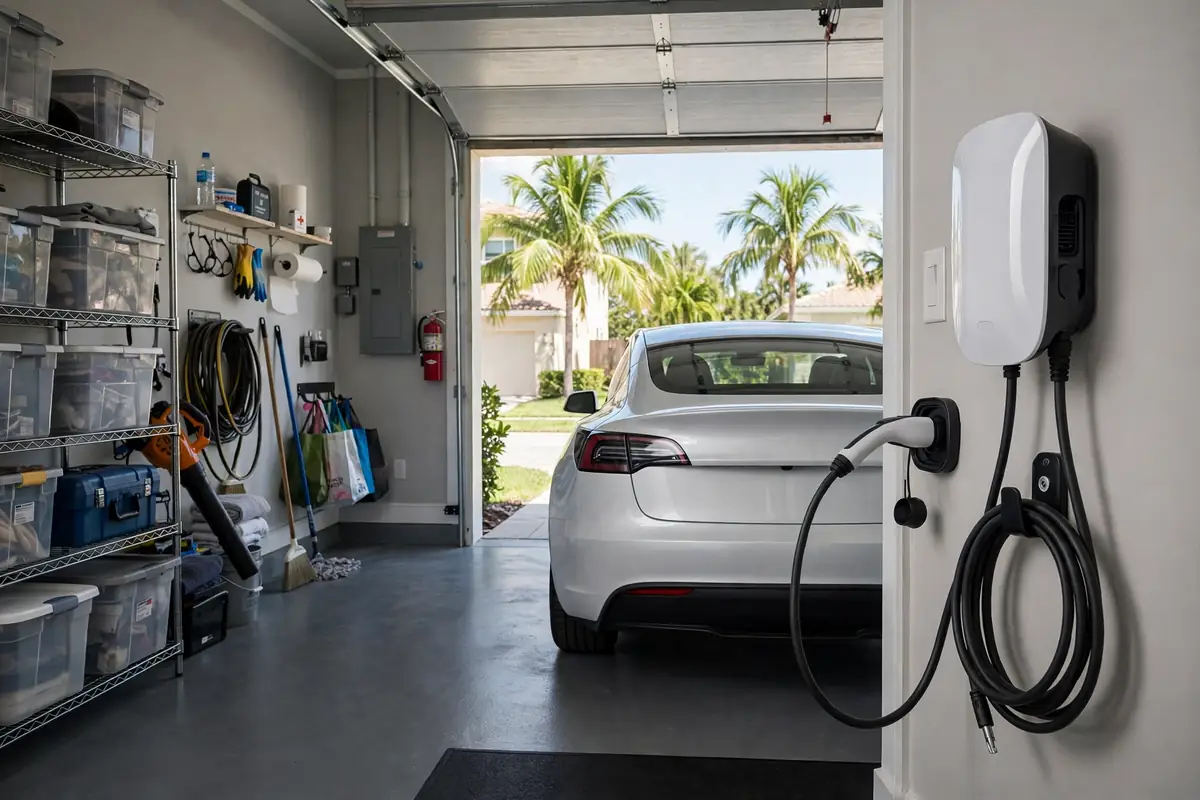
Chargers live where they are mounted for years, and small placement choices compound daily. In St. Petersburg garages we plan around the charge port's actual side, the door you walk through with groceries, the hurricane-season storage shuffle, and the second car's door swing. Outdoors, we add sun path, sprinkler arcs, and where water stands after a storm. Five minutes of tape-measure honesty at the assessment buys a decade of plugging in without thinking — which is the entire point of the purchase.
Three St. Petersburg Panels, Three Different Answers
Walk St. Petersburg with a load-calculation worksheet and the city sorts itself. The first panel: a healthy 200-amp service in a newer subdivision — the charger circuit goes in and the 'upgrade' conversation ends in five minutes. The second: a mid-century panel in Historic Kenwood territory, full but sound — load management carries the charger, and the panel lives to fight another decade. The third: an older box around Old Northeast, breakers doubled up, bus showing heat history — here the upgrade is not about the car at all, and we say so plainly. Same city, same charger, three honest scopes. The worksheet, not the sales target, decides which one is yours — and in Pinellas County, that discipline is the whole service.
Why St. Petersburg Owners Rarely Regret the Upgrade
Ask St. Petersburg owners a year after a panel upgrade what changed and the EV charger is rarely the headline. It is the dryer and the range running together without a negotiation. It is the workshop circuit that finally exists. It is the insurance conversation that got shorter. Capacity is infrastructure: bought once, used by everything, noticed mostly when it is absent. The charger merely had the good timing to arrive first in line. In Pinellas County, where the housing stock keeps electrifying — heat pumps, induction, pools, second EVs — the upgraded panel is the rare home project whose value case strengthens every year it sits there.
The St. Petersburg Brief
The facts that frame every job like this one in St. Petersburg: permits run through City of St. Petersburg Construction Services (electrical permit; historic districts may add a design review); the service territory is Duke Energy Florida; the housing is the largest collection of historic brick-street neighborhoods in Florida: hex-block sidewalks, 1920s bungalows and Spanish revivals in the Old Northeast and Kenwood, with mid-century ranch homes filling the western districts; and the panel reality is this — Historic homes are the panel-upgrade heartland of this site — 100-amp services, detached garages behind the house, and alley-loaded lots are all standard here, which is why the load calculation and the conduit route get planned together
For panel work specifically, the local twist is era density: St. Petersburg's mix means our electricians open everything from modern 200-amp services to legacy boxes within the same week, sometimes on the same street. That is why the load calculation here is a craft, not a form — the worksheet is standard, but reading the panel in front of it is local knowledge.
Frequently Asked Questions
Can a subpanel solve my St. Petersburg problem instead?
Often, especially with detached garages. A subpanel organizes and relocates capacity; the main panel's total still governs. The assessment shows both routes.
What if my panel is corroded or damaged in St. Petersburg?
Then the conversation changes from capacity to condition, and we will show you exactly what we found. Safety findings come before charger plans, always.
Does Duke's Charger Prep Credit apply to panel work in St. Petersburg?
In Duke Energy Florida territory, the Charger Prep Credit (up to 819 dollars) covers preparation work including wiring and panel readiness — permit fees excluded. Customers of other utilities should ask us what applies at their address.
How much disruption should I expect on upgrade day in St. Petersburg?
Power off for part of one day, a crew in and around the panel, and a short list of things to plan around — fridge closed, work calls rescheduled. Everything else about the house stays exactly as it was, with a better panel at the end of it.
Should I upgrade before or after buying the EV in St. Petersburg?
Either order works; the load calculation is the same. Owners who assess before buying sometimes choose the car with calmer eyes, knowing exactly what charging speed the house supports.
Do you label the new panel in St. Petersburg?
Yes — every circuit re-landed and labeled legibly. It sounds minor until the night you are standing in front of the box with a flashlight, grateful.
Get a Straight Answer About Your St. Petersburg Panel
One assessment tells you whether you need an upgrade, load management, or neither. Call and book it.
(407) 557-4153 · Mon–Fri 7:00 AM – 10:00 PM · Sat 8:00 AM – 10:00 PM · Sun 7:00 AM – 9:00 PM ET