The Load Calculation Comes First — Always
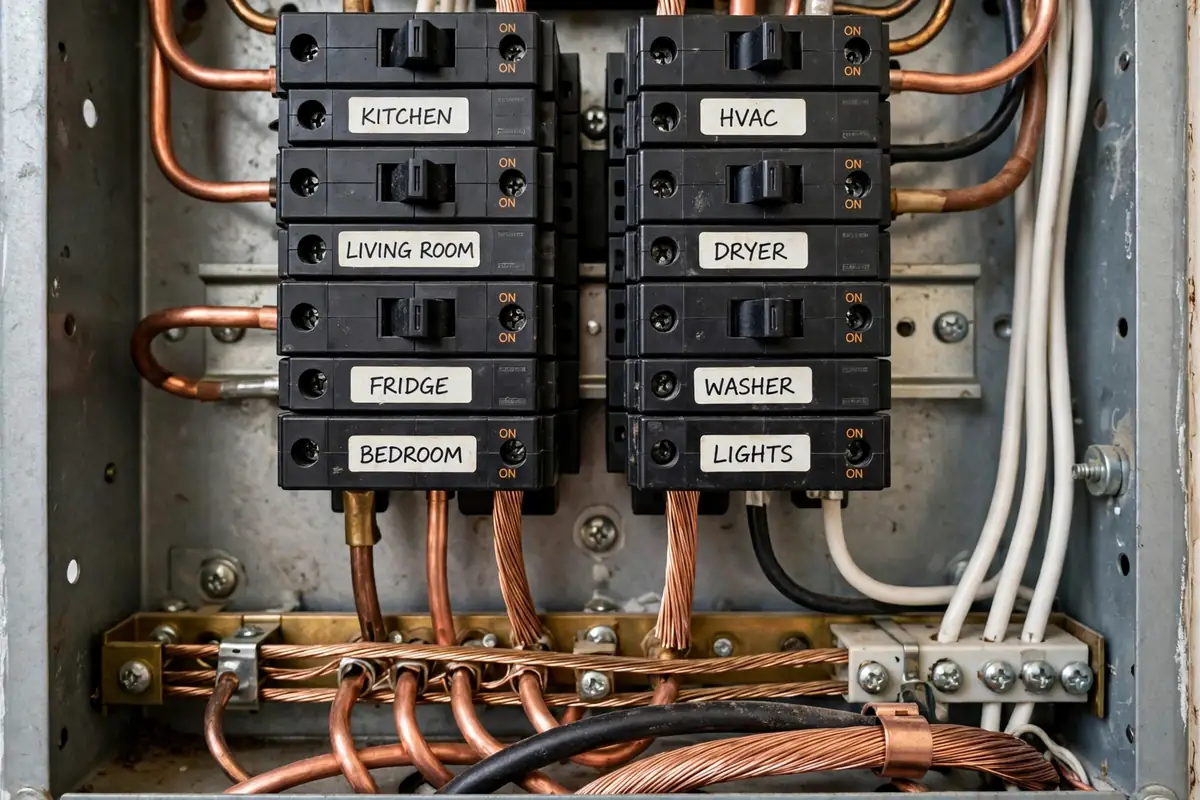
NEC Article 220 is the arithmetic of your house: lighting by square footage, kitchen and laundry circuits, water heater, range, dryer, pool equipment — and air conditioning, the load that owns a Brevard summer. Against that total stands your service size. The gap between them is your real headroom, and it decides the charger circuit before anyone discusses hardware.
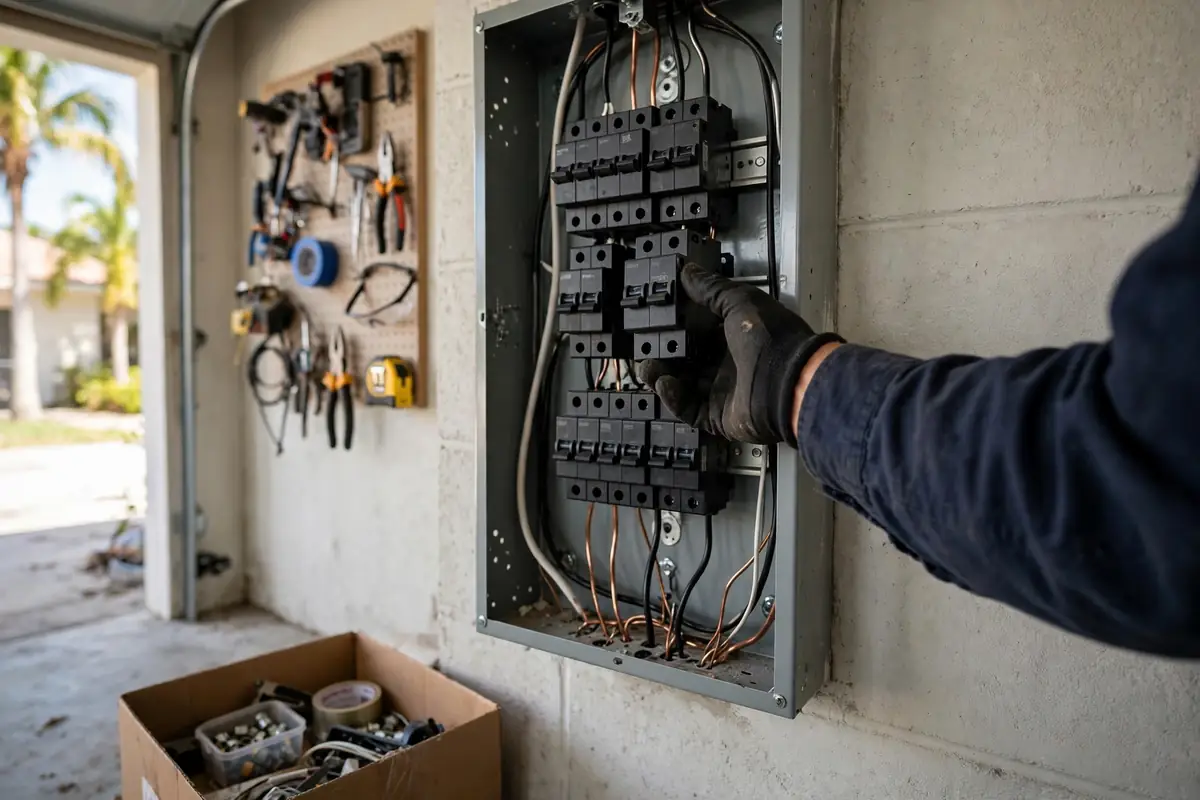
We run the calculation with the panel open and the numbers visible to you. Melbourne is an engineers' town; we assume you will check the math, and we would rather you did. Homeowners quoted a full panel replacement over the phone, sight unseen, are the reason this page leads with arithmetic.
The Ladder: Four Rungs Before Replacement
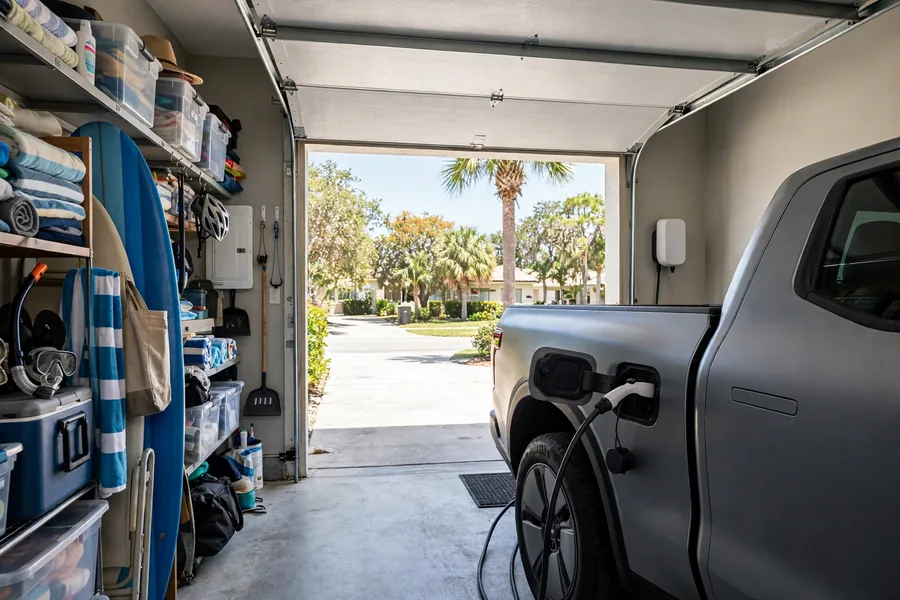
Rung one — configure the charger. A Level 2 unit or Wall Connector set to 32 or 40 amps instead of 48 covers nearly every overnight routine while asking far less of the panel.
Rung two — load management (EVEMS). An energy management system watches the house's real draw and throttles the charger during the minutes everything peaks together, then restores full charging automatically. Code-recognized, inspector-approved, and the answer missing from most quote-shock stories.
Rung three — subpanel or reorganization. When capacity exists but breaker space does not — the full-but-honest panel — geometry is the problem, and it has a smaller solution than a service change.
Rung four — service upgrade. When the calculation fails at every lower rung — the 100-amp mid-century home running electric everything — a 200-amp upgrade is the right work: done once, permitted, coordinated with FPL on the service side, and raising the electrical ceiling for every future project in the house.
We climb one rung at a time and stop at the first rung that holds.
Melbourne's Panel Generations
Downtown and the US-1 corridor: the city's oldest services, including panel brands of a certain vintage that are replacement candidates on safety grounds before a charger enters the discussion. We will show you if yours is one, with the reasoning in plain language.
Wickham corridor and Lake Washington: 100- to 150-amp services that have accumulated decades of AC, pool, and kitchen loads. Load management's home turf — the calculation usually finds an honest rung well short of replacement.
Suntree: well-maintained 150- and 200-amp panels in homes whose owners keep records. Solar pairings are common here, and the charger conversation often starts from the solar system's paperwork.
Viera and the west side: modern 200-amp panels, labeled and roomy. The conversation is breaker space, placement, and the second charger — not survival.
Signs Your Panel Is Already Telling You Something
Breakers tripping on ordinary loads, reset without comment. A panel face warm to the touch. Lights dipping when the compressor starts. Corrosion on breaker faces — the lagoon and the ocean see to that near the causeways. A box with no open slots and a history of doubled-up circuits. Any two together, and the charger assessment starts with panel health rather than charger speed. Mention them on the call; it changes what the assessment looks for first.
Permits and the Utility Side
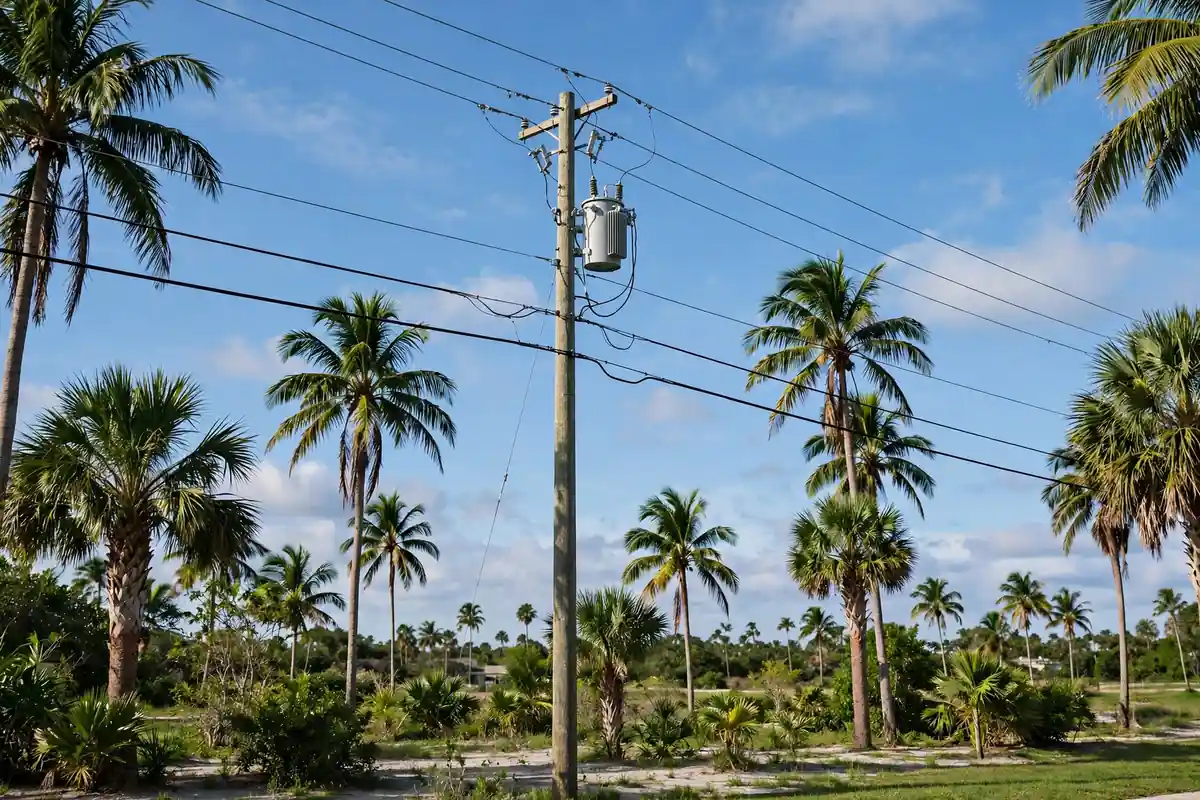
Panel work is permitted work — the City of Melbourne's building department inside the city, Brevard County for unincorporated addresses like Suntree and Viera, West Melbourne's desk where it applies. A service upgrade adds FPL to the sequence for the service side of the change; we coordinate so the house is dark for the shortest honest window, and the inspection closes the file. The closed record is the document insurers and buyers' inspectors accept without argument — and in a county of engineers, the next buyer's inspector will read it closely.
What the Work Actually Looks Like
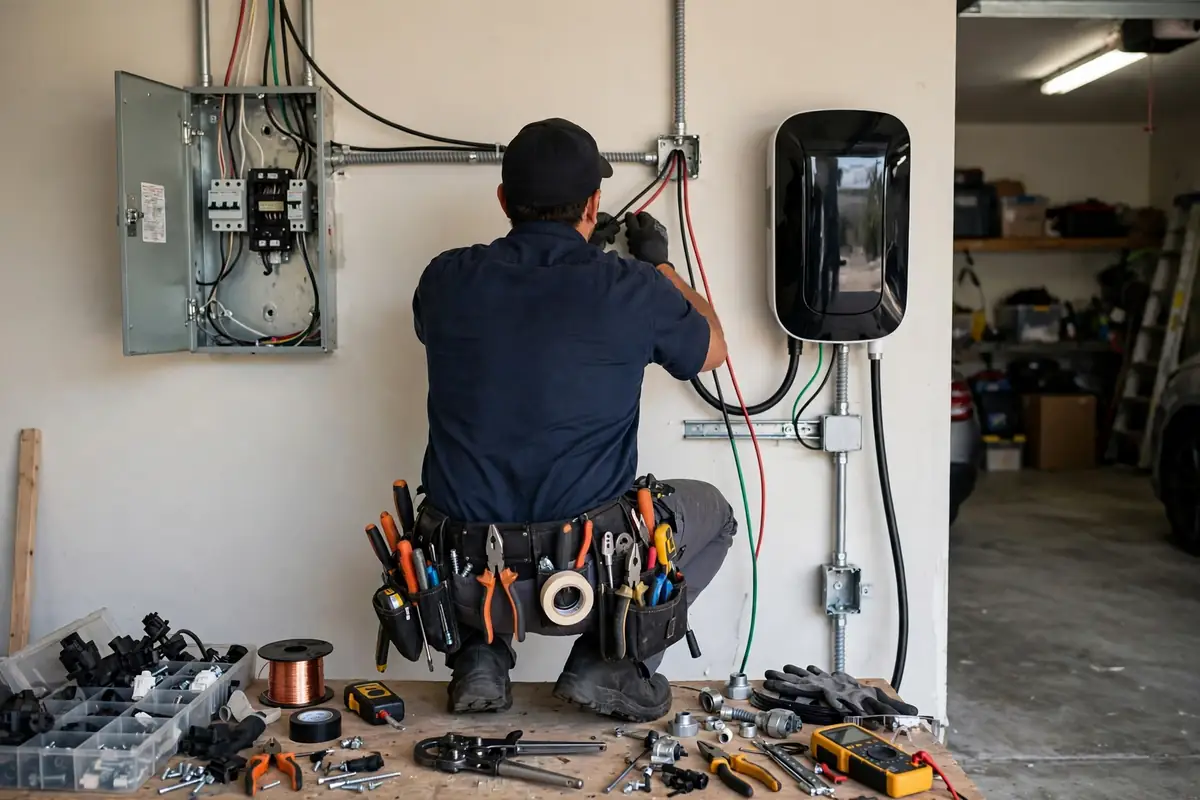
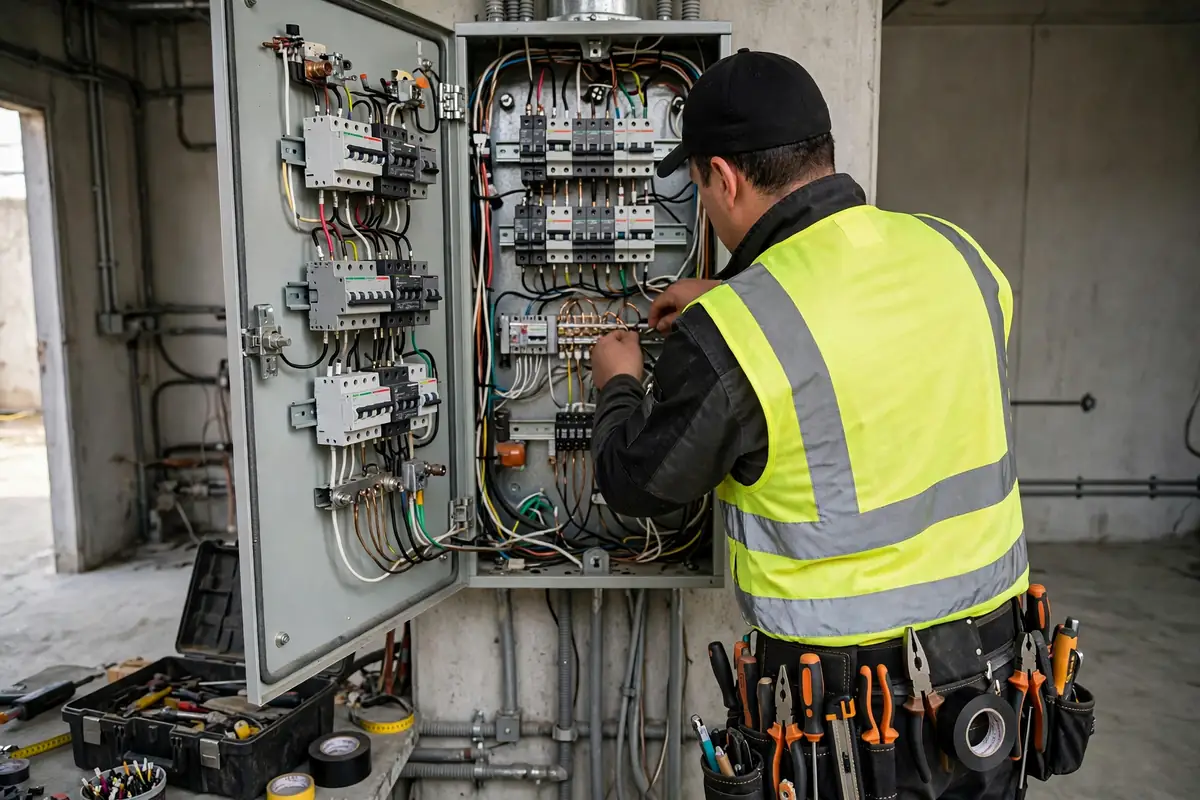
The assessment visit opens the panel, runs the calculation, and photographs the labeling — that visit produces the honest quote. Permit paperwork follows at the correct desk. On work day, the new installation is staged before the service is interrupted wherever the job allows; power returns the same day in the standard case; the charger circuit and commissioning complete the sequence. Your folder receives the calculation, the permit record, and a panel schedule that matches the breakers actually in the box — a small document every future electrician in the house will thank you for. Households planning a second EV or rooftop solar should say so at the assessment: sizing today's work for tomorrow's known plans is the cheapest capacity you will ever buy.
Frequently Asked Questions
How do I test a Melbourne quote that already includes a full panel replacement?
Ask for the load calculation behind it, in writing. An honest replacement traces to Article 220 numbers that fail at configuration, load management, and subpanel first. A quote that cannot show its arithmetic is a preference dressed as a finding.
What is load management, in plain Melbourne terms?
A device that watches your home's total draw and briefly slows the car charger when the house peaks — AC, oven, and dryer together on a July evening — then restores full speed on its own. The car is full by morning; the panel never gets replaced.
Can a 100-amp Melbourne home charge an EV without a new service?
Usually yes — a configured charger with load management behind it is the classic mid-century answer. What it cannot honestly do is run 48-amp charging flat-out alongside a full electric house. The calculation draws your address's exact line.
Does a Suntree or Viera panel job need a county permit?
Yes — both communities are unincorporated Brevard County, so panel work permits through the county rather than the City of Melbourne. We file at the correct desk and close it with the county inspection.
Will a panel upgrade help with a future second EV or solar in Melbourne?
It is the single best preparation for both. Capacity bought once, with a closed permit behind it, turns the second charger into a simple circuit job and gives a solar installer a panel that is ready to receive the work.
Get the Honest Answer for Your Melbourne Panel
One call gets the load calculation booked — arithmetic first, recommendations second.
(407) 557-4153 · Mon–Fri 7:00 AM – 10:00 PM · Sat 8:00 AM – 10:00 PM · Sun 7:00 AM – 9:00 PM ET