Your Panel Is Not Old. It Is Honest.
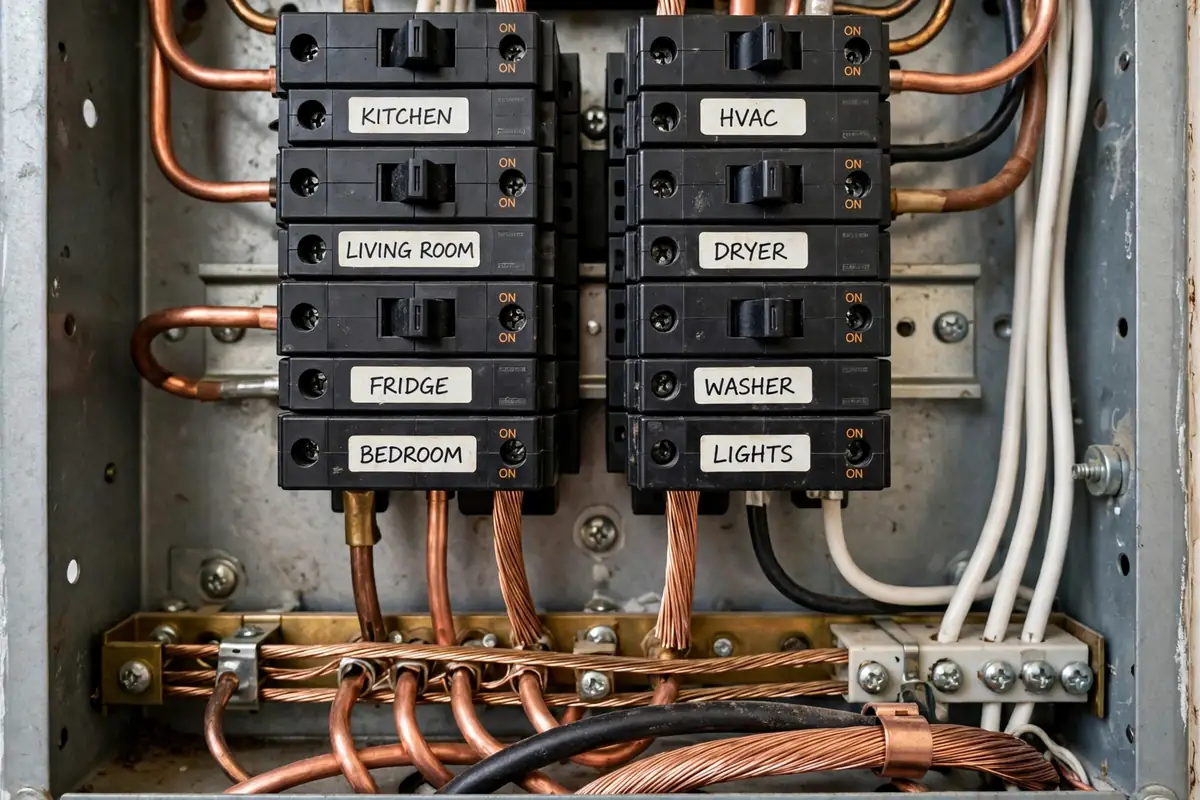
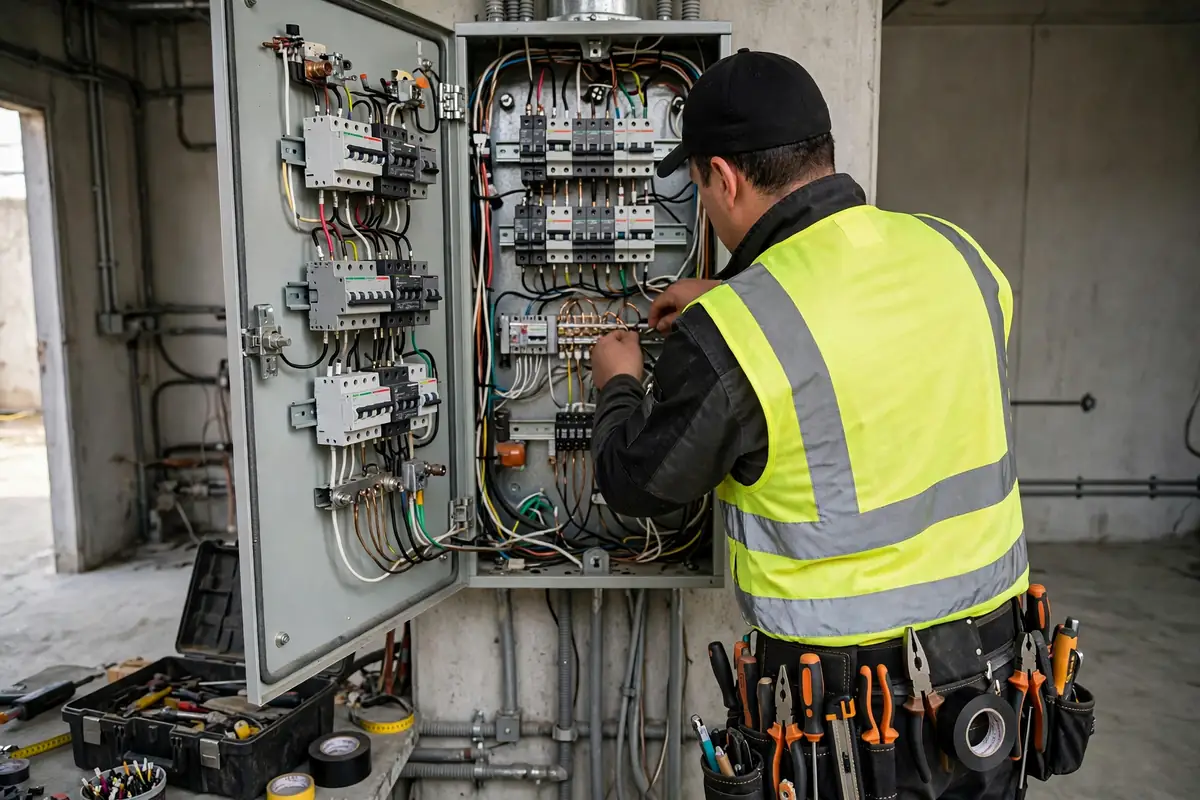
Panels do not pretend. The breaker count, the tandem breakers squeezed into spaces never meant for them, the handwritten labels from three owners ago — a Clearwater panel tells the truth about the house's electrical life to anyone who opens it properly. Countryside-era homes generally carry 150- to 200-amp panels; the condo stock is the special case — assigned-space installs in shared garages need association coordination, which Florida law supports and we help document The load calculation simply turns that truth into a number, and the number decides whether your EV charger needs an upgrade, a manager, or nothing but a circuit.
Load Management: The Upgrade You Do Not Buy

An energy management system is a traffic controller for electrons: it reads the home's total draw dozens of times a second and gives the charger whatever capacity is spare, throttling back when the oven, dryer, and AC coincide. For Clearwater homes that fall modestly short — healthy panel, tight arithmetic — it delivers most of the upgrade's benefit at a fraction of the disruption, and it is fully code-recognized. Its honest limit: it creates no capacity. A home planning a second EV, a heat pump, and a pool heater is not short modestly, and we will say so.
When the Upgrade Is Really About Everything Else
Some Clearwater upgrades are charger jobs. Others are the charger arriving as the final argument in a case the house had been making for years: the panel that trips when the dryer meets the oven, the service that predates the addition, the box with no room for the workshop circuit you have wanted since 2019. In those homes the upgrade is priced once and enjoyed daily, and the EV simply goes first in line. The assessment's job is to tell you which story your panel is in — with the cover off and the math shown.
Permits, Utilities, and the Order of Operations
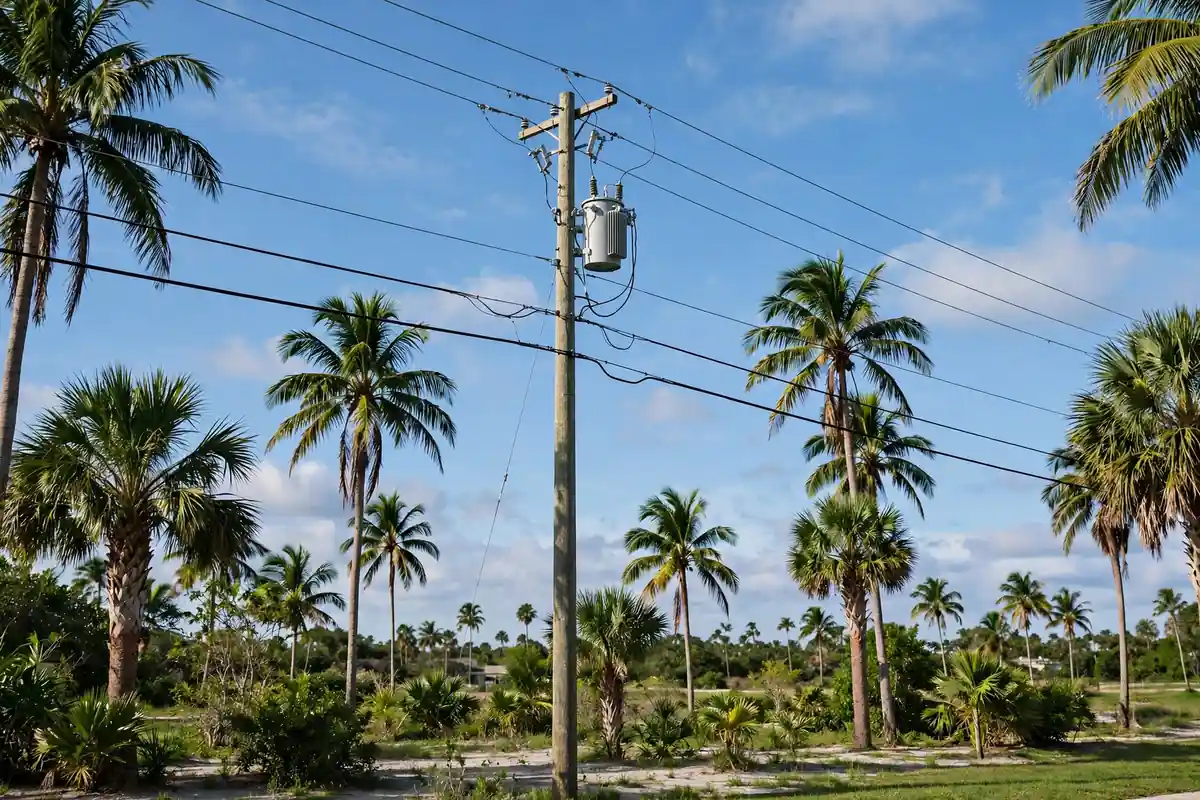
Panel work touches three authorities: the permit desk (City of Clearwater Planning and Development Department (electrical permit; Pinellas County for unincorporated addresses)), the utility that owns the meter side (Duke Energy), and the inspector who closes the job. Sequence them wrong and a one-day swap becomes a week of phone calls. We run the sequence as a single managed job — application, scheduled disconnect, swap, reconnect, inspection — and hand you the closed paperwork at the end.
How It Works
Step 1: Call and describe your setup
Your EV model, where you park, and what you know about your panel. Photos of the panel help us prepare before anyone visits.
Step 2: Load calculation and site assessment
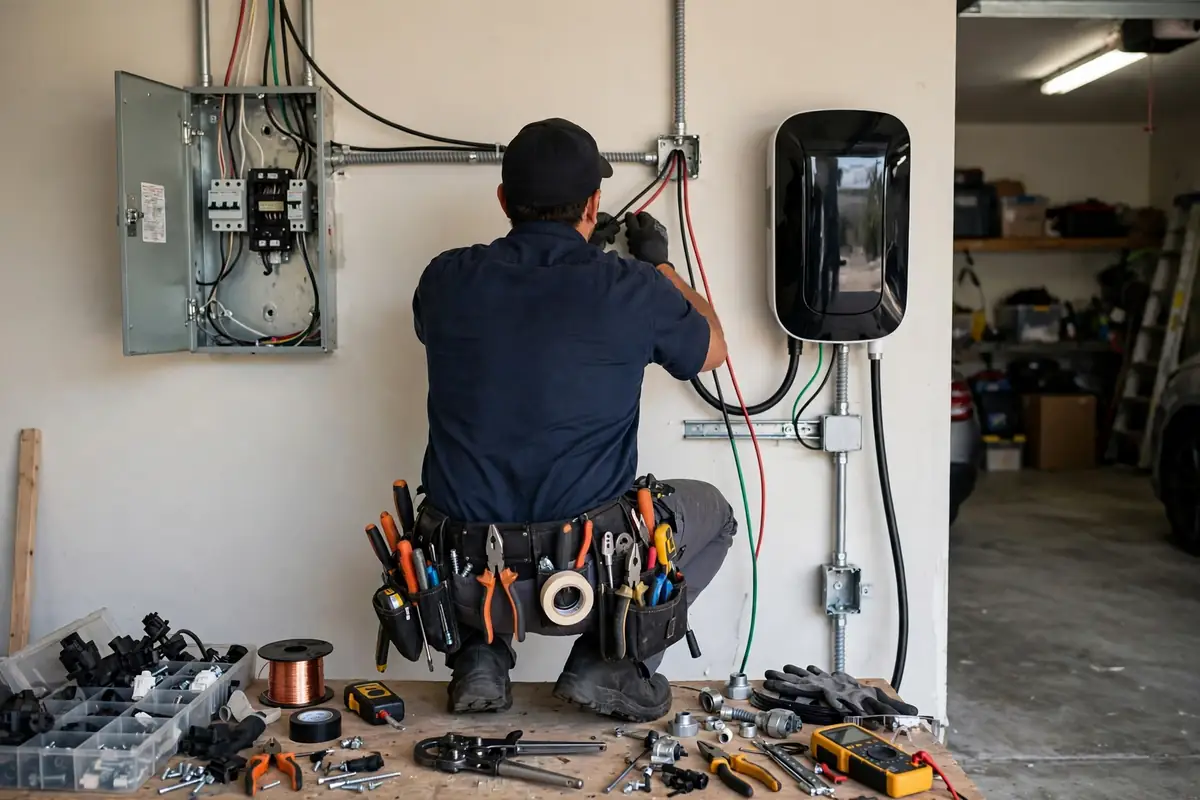
A qualified electrician checks your panel's real capacity, measures the circuit run, and confirms the charger location. You get a clear scope of work — no surprises mid-job.
Step 3: Permit and installation
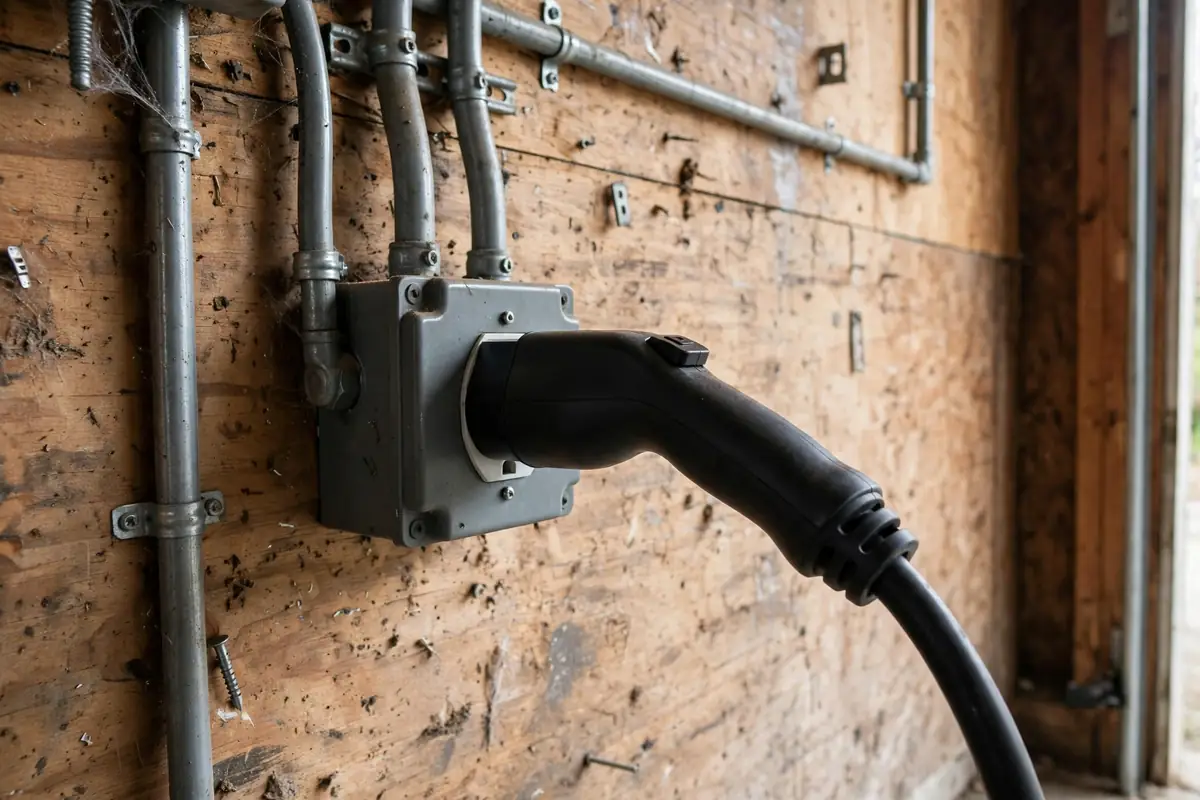
We pull the electrical permit, run the dedicated circuit, mount the charger or outlet, and configure it to the circuit it is actually on.
Step 4: Inspection and walkthrough
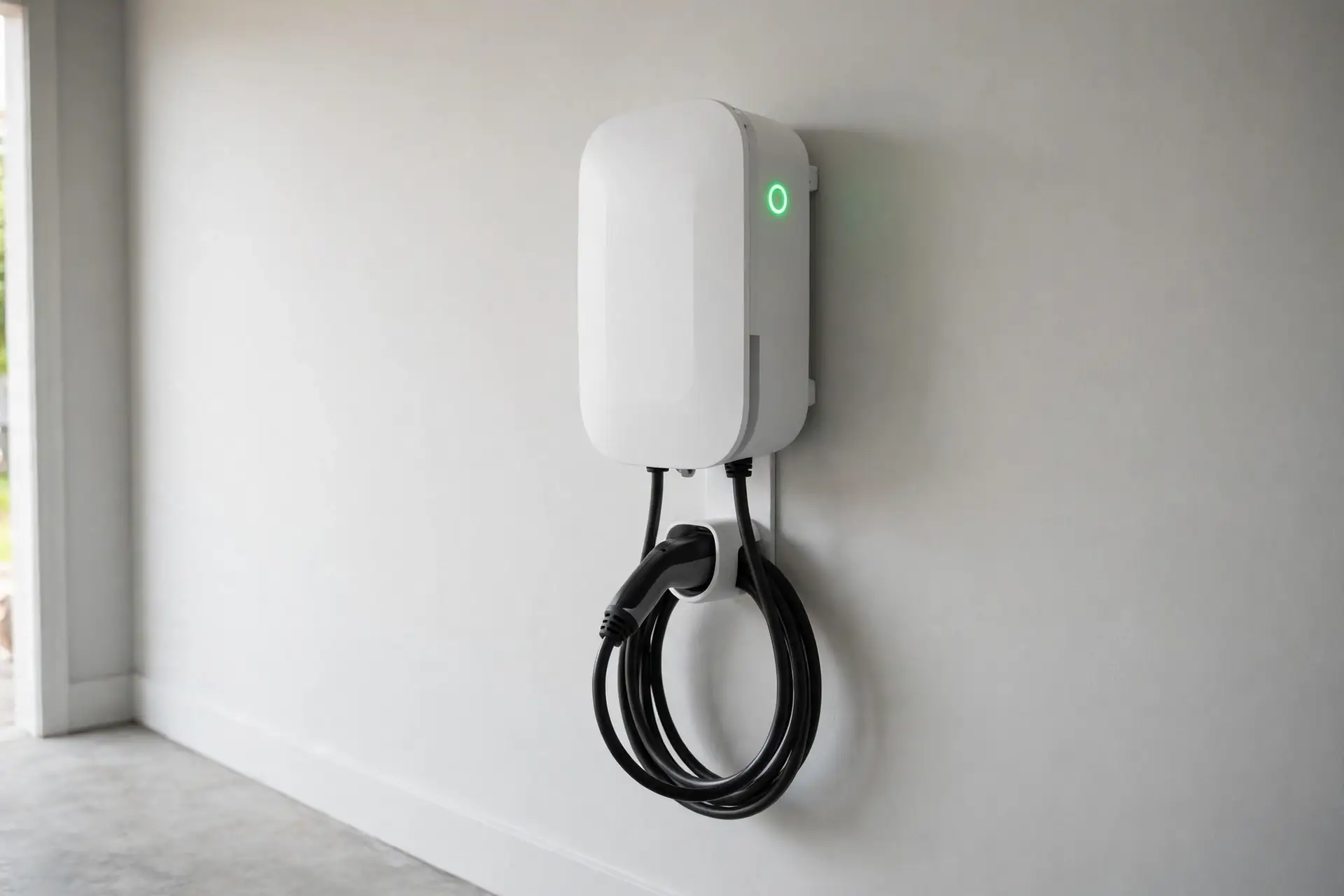
The city or county inspection closes the permit. Then we test-charge your car together and walk through the charger's app and scheduling features.
On the Ground in Clearwater
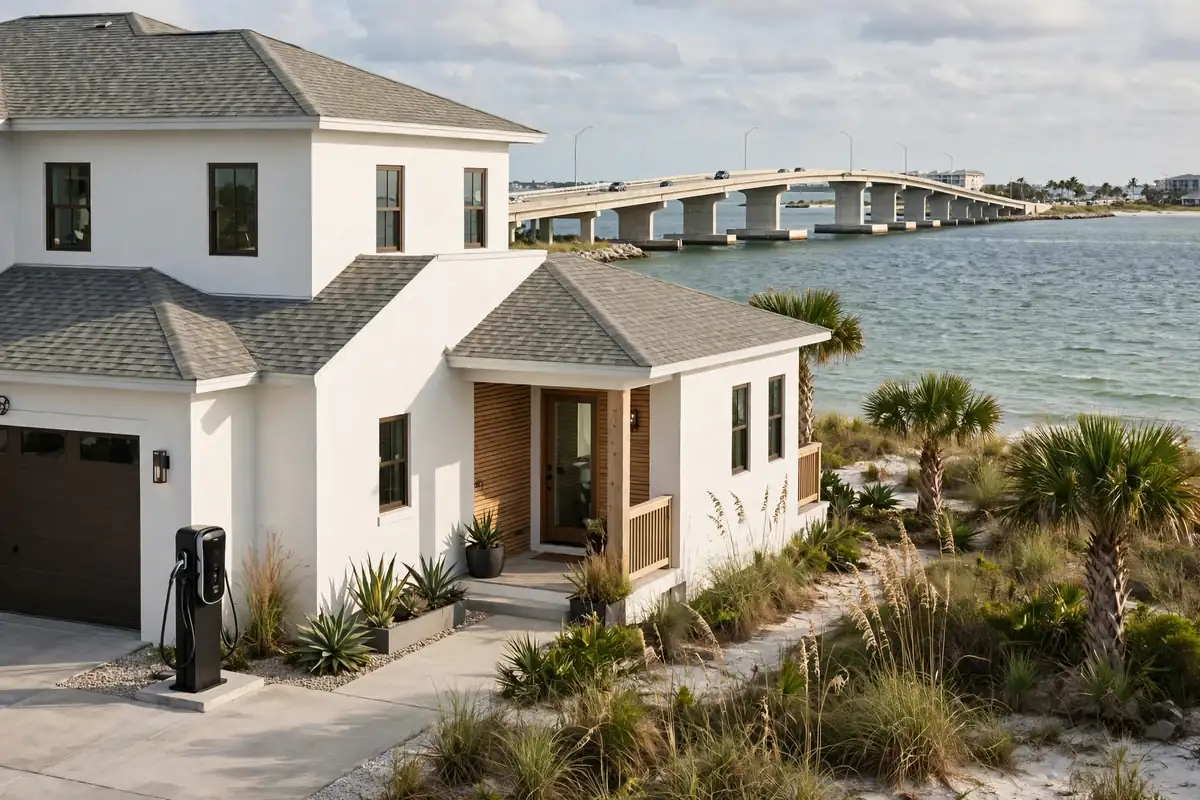
Installs in Clearwater cluster in neighborhoods like Island Estates, Clearwater Beach, Sand Key, Countryside, Morningside, Del Oro, Coachman Ridge — and each pocket of the city writes its own version of the job. The constant is the landscape: Gulf water on three sides, causeways, and condo towers along the beach. Add Pinellas County permitting, Duke Energy Florida service, and daily driving shaped by US-19 and the Courtney Campbell Causeway, and you have the real specification sheet for a Clearwater charger — the one we work from on every assessment, rather than a generic national checklist. Countryside-era homes generally carry 150- to 200-amp panels; the condo stock is the special case — assigned-space installs in shared garages need association coordination, which florida law supports and we help document.
Charging Speeds, Translated Into Clearwater Life
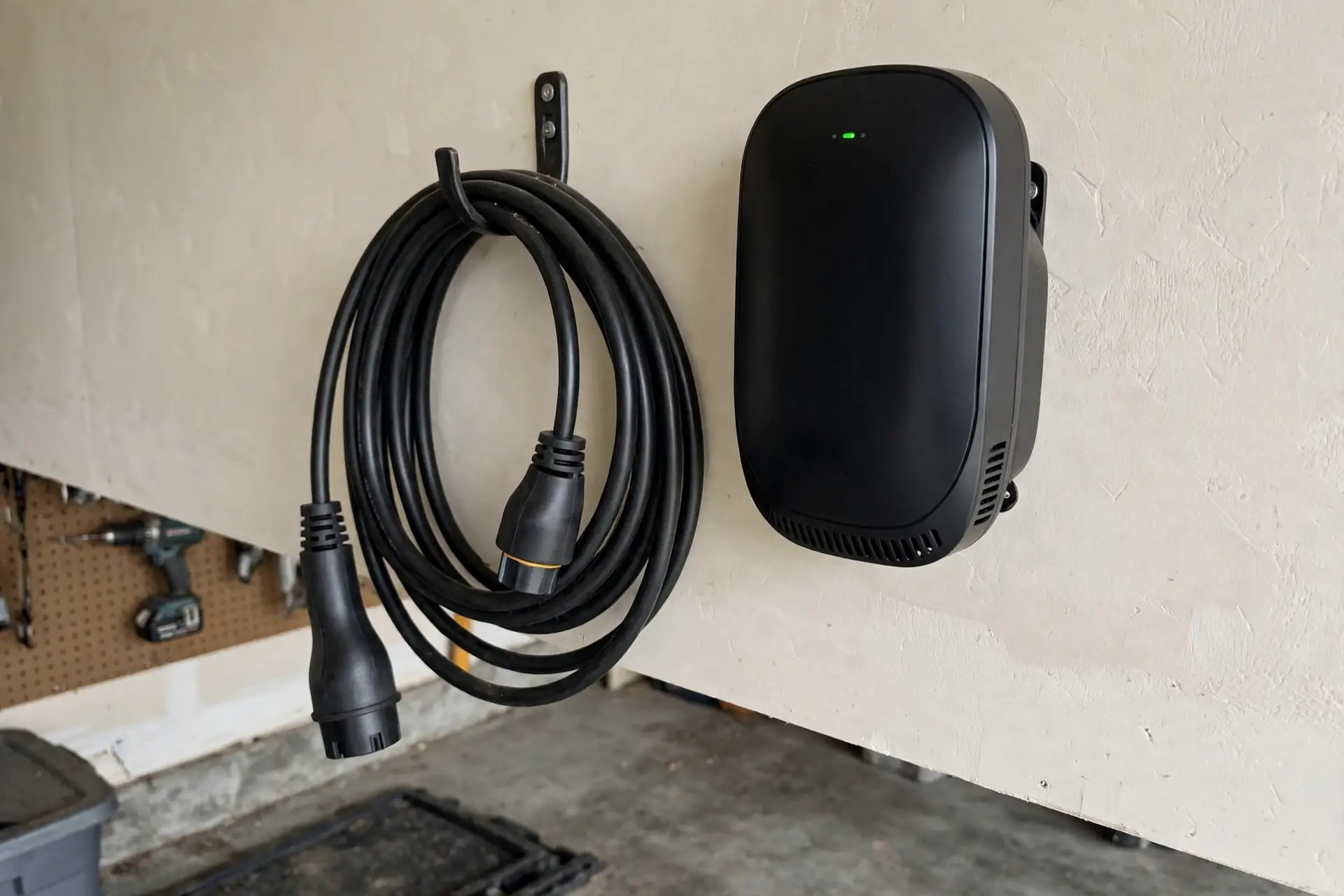
Abstract numbers become clear against a real week. A Level 2 charger adding 30 miles of range per hour restores a Clearwater commute — crosstown and back — in about an hour of plug time. The overnight session you will actually use, ten hours on the cable, returns 250 to 400 miles: several days of US-19 and the Courtney Campbell Causeway driving, errands, and school runs, banked while you sleep. That is why home charging changes the texture of EV ownership here. The question stops being 'where is a charger' and becomes nothing at all — the car is simply full, the way your phone is full, and Clearwater traffic is the only thing left to plan around.
What a Bad Install Looks Like — and How to Refuse One
Florida's charger boom attracted every handyman with a drill, and Clearwater homeowners inherit their work at resale. The signatures of a bad install: a charger configured to a higher amperage than its breaker, because it 'worked on the day'; a residential-grade outlet melting slowly under continuous load; no permit, which means no inspector ever saw any of it; and a cable run draped where a lawn crew will find it. Refusing one is simple: ask for the load calculation, the permit number, and the configured amperage in writing. Any installer who cannot produce all three is telling you who they are.
Two-EV Households in Clearwater
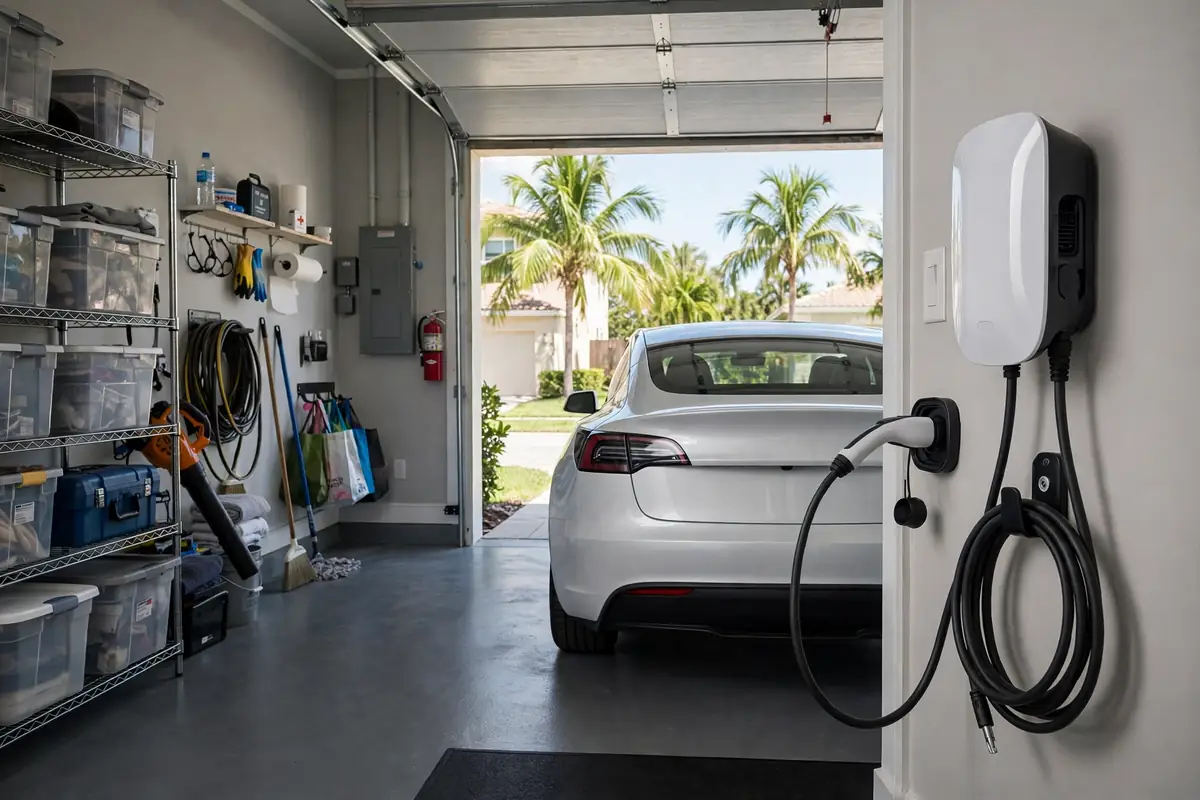
The second EV is the moment home charging gets interesting. Two cars can share one circuit with power-sharing chargers that divide the amperage between them — both full by morning on infrastructure sized for one. Or the household adds a second circuit, which is where the load calculation starts earning its fee in earnest, especially in Clearwater's older panels. Either pattern works. What does not work is the daisy-chain of adapters and shared dryer outlets that two-EV households improvise in month one. If a second EV is even a rumor in your household, tell us on the first install — the conduit and panel decisions are cheap now and annoying later.
Three Clearwater Panels, Three Different Answers
Walk Clearwater with a load-calculation worksheet and the city sorts itself. The first panel: a healthy 200-amp service in a newer subdivision — the charger circuit goes in and the 'upgrade' conversation ends in five minutes. The second: a mid-century panel in Clearwater Beach territory, full but sound — load management carries the charger, and the panel lives to fight another decade. The third: an older box around Island Estates, breakers doubled up, bus showing heat history — here the upgrade is not about the car at all, and we say so plainly. Same city, same charger, three honest scopes. The worksheet, not the sales target, decides which one is yours — and in Pinellas County, that discipline is the whole service.
After the Upgrade: Living on 200 Amps in Clearwater
Homeowners underestimate the after-story of a panel upgrade. The charger stops being a negotiation with the house: the AC, the range, and a 48-amp session run together without choreography. The next project — a heat pump, an induction conversion, a workshop, a second EV in Clearwater's two-car households — stops beginning with an electrician's apology. There is also a paperwork after-story: the closed permit and the labeled panel become part of the home's record in Pinellas County, the kind of documentation that answers insurers and buyers before they finish asking. Capacity is the product; calm is the dividend.
The Clearwater Brief
The facts that frame every job like this one in Clearwater: permits run through City of Clearwater Planning and Development Department (electrical permit; Pinellas County for unincorporated addresses); the service territory is Duke Energy Florida; the housing is condo towers on Sand Key and Island Estates, coastal single-family homes near the beaches, and roomy 1970s-90s subdivisions in Countryside — plus a large stock of second homes that sit empty for weeks between owner visits; and the panel reality is this — Countryside-era homes generally carry 150- to 200-amp panels; the condo stock is the special case — assigned-space installs in shared garages need association coordination, which Florida law supports and we help document
For panel work specifically, the local twist is era density: Clearwater's mix means our electricians open everything from modern 200-amp services to legacy boxes within the same week, sometimes on the same street. That is why the load calculation here is a craft, not a form — the worksheet is standard, but reading the panel in front of it is local knowledge.
Frequently Asked Questions
Does Duke's Charger Prep Credit apply to panel work in Clearwater?
In Duke Energy Florida territory, the Charger Prep Credit (up to 819 dollars) covers preparation work including wiring and panel readiness — permit fees excluded. Customers of other utilities should ask us what applies at their address.
How much disruption should I expect on upgrade day in Clearwater?
Power off for part of one day, a crew in and around the panel, and a short list of things to plan around — fridge closed, work calls rescheduled. Everything else about the house stays exactly as it was, with a better panel at the end of it.
Should I upgrade before or after buying the EV in Clearwater?
Either order works; the load calculation is the same. Owners who assess before buying sometimes choose the car with calmer eyes, knowing exactly what charging speed the house supports.
Do you label the new panel in Clearwater?
Yes — every circuit re-landed and labeled legibly. It sounds minor until the night you are standing in front of the box with a flashlight, grateful.
How do I know if my Clearwater panel needs an upgrade for an EV charger?
Only the load calculation knows. Warning signs — a 100-amp panel, no free breaker spaces, tandems everywhere — suggest the answer, but the arithmetic decides.
What size panel do most Clearwater homes need for Level 2 charging?
A 200-amp panel absorbs a Level 2 charger without drama in most homes. Many 100-amp homes still charge well at reduced amperage or with load management.
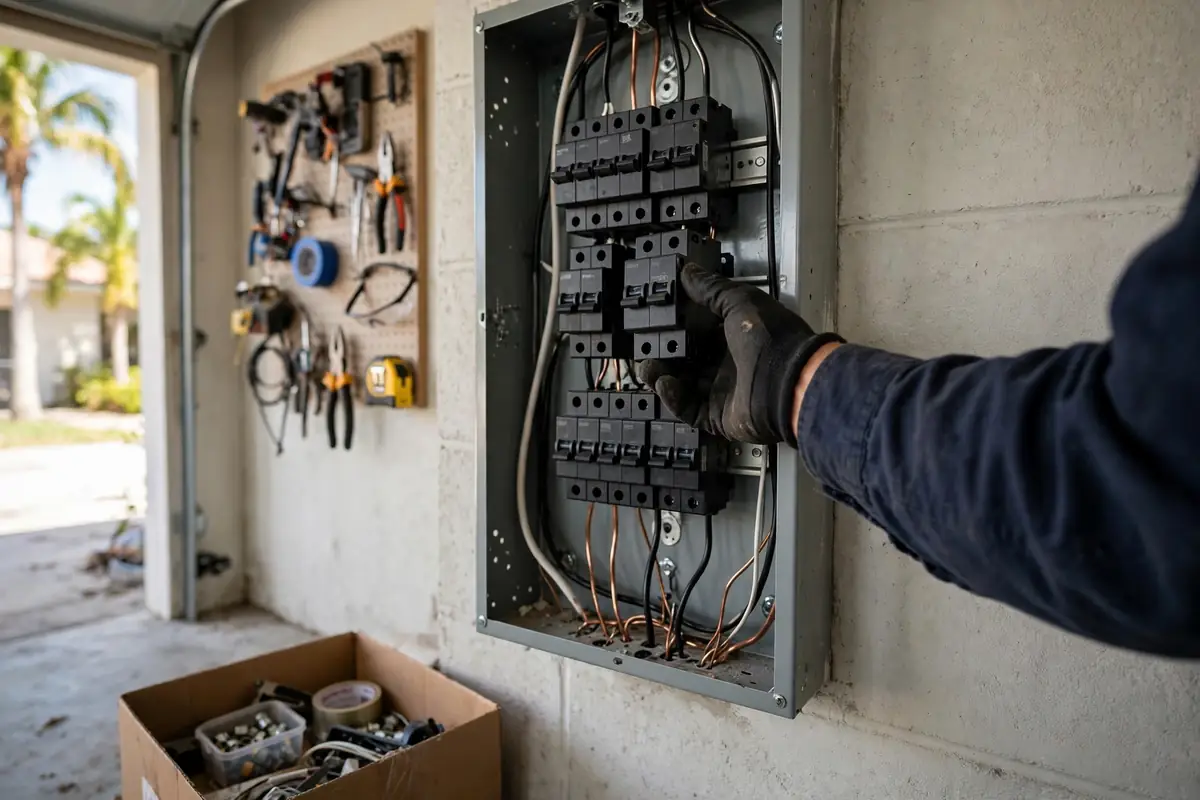
Get a Straight Answer About Your Clearwater Panel
One assessment tells you whether you need an upgrade, load management, or neither. Call and book it.
(407) 557-4153 · Mon–Fri 7:00 AM – 10:00 PM · Sat 8:00 AM – 10:00 PM · Sun 7:00 AM – 9:00 PM ET